Cookware Pots and Pans Set: 13-Piece Non-Stick B2B Solution

Get up to 35% off + Free shipping Shop now

Call Us:+86-579-86903988

Customer Perspectives on Cookware Pots and Pans Sets

Customer Perspectives on Cookware Pots and Pans Sets

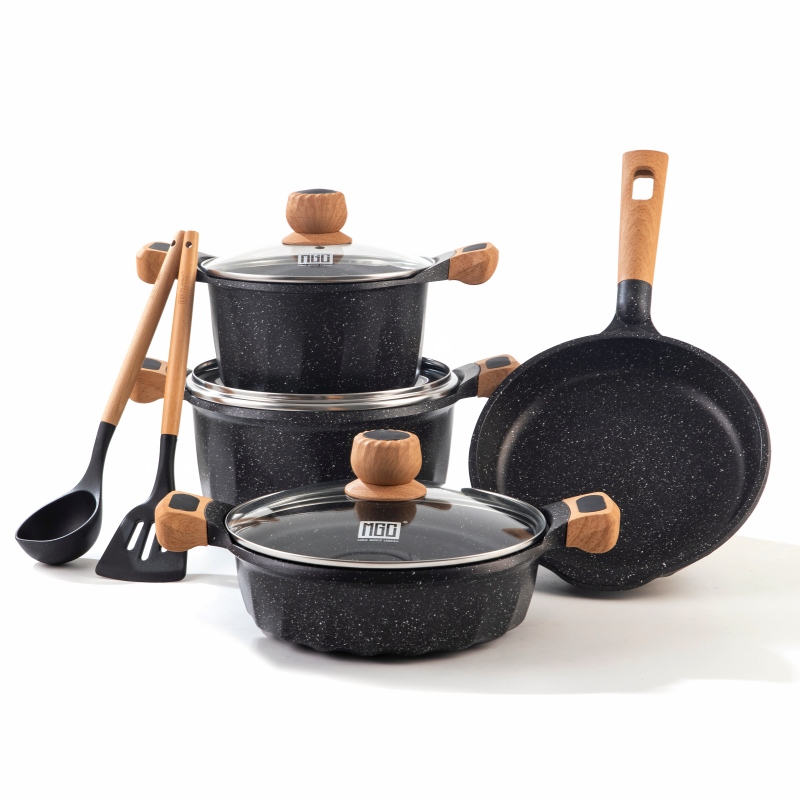
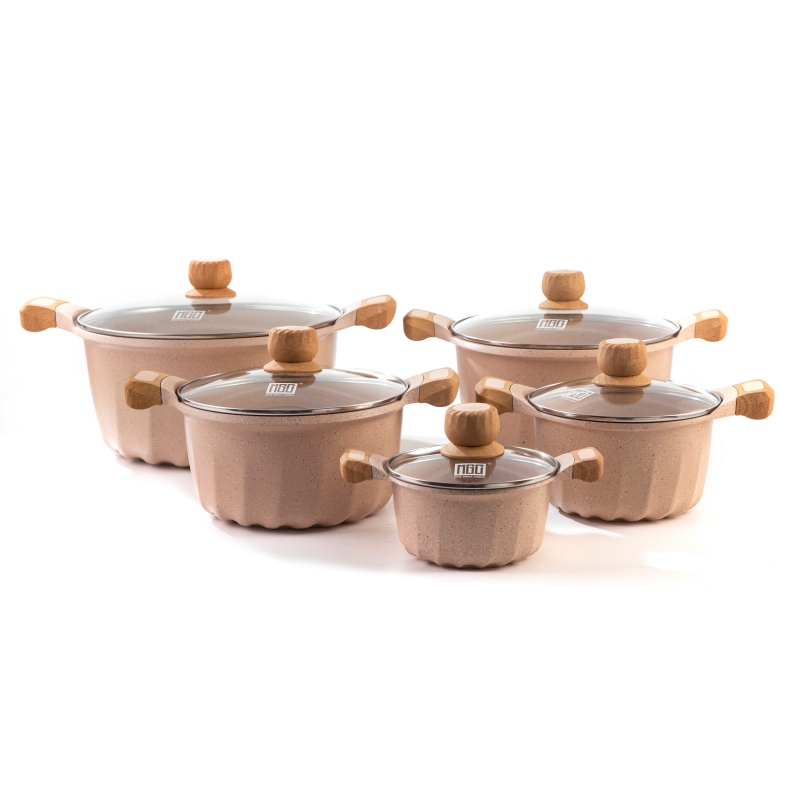
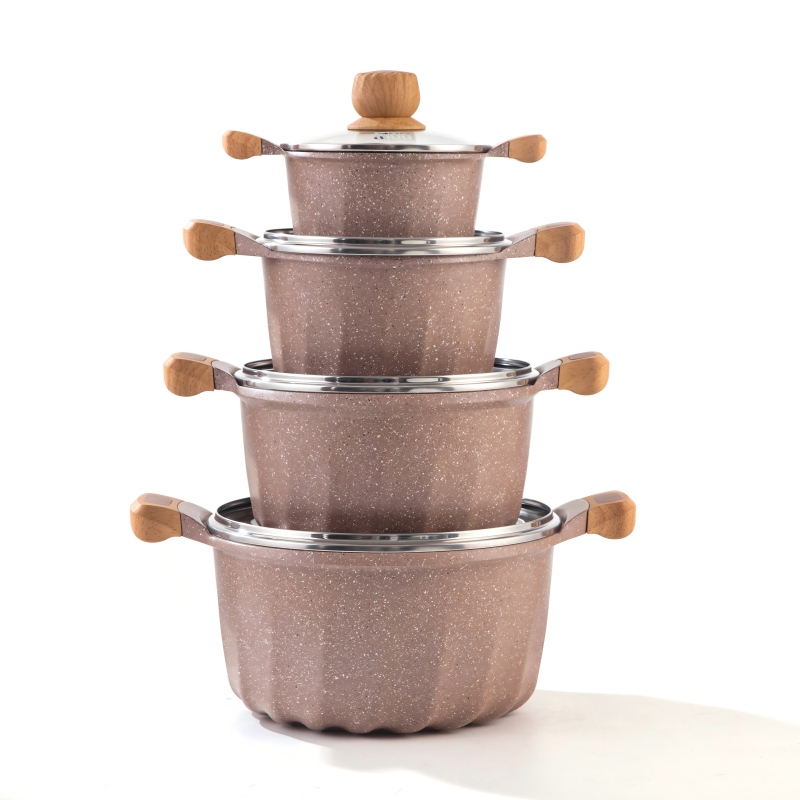
A cookware pots and pans set brings complementary kitchen essentials together in one coordinated collection. Instead of purchasing individual pieces separately, buyers can select a combination of frying pans, saucepans, and larger pots that supports common cooking tasks. For example, a household preparing breakfast, pasta, and soup on the same day may benefit from a frying pan, a medium saucepan, and a stockpot. Matching designs can also create a consistent appearance and make kitchen storage easier to organize. When evaluating a set, buyers should review the included pieces, material construction, handle attachment, lid fit, and cooktop compatibility. Different households require different capacities and surface types, so the number of pieces alone should not determine value. A carefully selected set offers practical versatility for everyday meals and varied cooking routines.
Get A Quote

Case Study

Complete Cookware for Family Kitchens

A family kitchen benefits from a cookware set that covers everyday cooking without occupying unnecessary storage space. A frying pan can prepare eggs and vegetables, a saucepan can handle sauces and grains, and a larger pot can accommodate pasta or soup. When choosing a set, families should consider how many people they cook for, how often they prepare meals, and which pieces they use most frequently. For example, a household of four may prioritize medium and large capacities, comfortable handles, and lids that fit securely. Material and surface options should also match cooking habits and cleaning preferences. A thoughtfully selected cookware pots and pans set makes it easier to coordinate different cooking tasks and maintain an organized kitchen.

Cookware Sets for Kitchenware Retailers

Retailers need cookware collections that appeal to different customer preferences while remaining straightforward to explain and merchandise. A cookware pots and pans set can offer a convenient option for shoppers furnishing a new home, replacing older cookware, or purchasing a practical gift. Retail buyers should examine the number of usable cooking pieces, included lids, material specifications, finish consistency, and packaging presentation. For instance, a compact set may suit apartment residents, while a larger collection may appeal to families who prepare several dishes together. Accurate product descriptions help customers understand capacities, surface care, and compatible cooktops. By comparing samples and confirming specifications before ordering, retailers can develop a consistent assortment that addresses practical kitchen needs and supports more informed purchasing decisions.

Bulk Cookware Sourcing for Distributors

Distributors sourcing cookware pots and pans sets for international markets need to balance product quality, assortment, packaging, and purchasing requirements. Before placing a bulk order, buyers can review samples and confirm materials, dimensions, handle construction, lid fit, and finish consistency. They should also establish requirements for labeling, carton protection, order quantities, and production schedules. For example, a distributor supplying online stores may prioritize accurate product measurements and packaging that protects cookware during transportation. A retail chain may focus on consistent appearance and specifications across multiple shipments. Documenting these expectations helps suppliers and buyers work toward the same standards. Careful sourcing supports a more dependable cookware range and helps distributors select products suited to their customers and sales channels.

Related products

A cookware pots and pans set brings essential cooking pieces together to support a wide range of kitchen tasks. Depending on the configuration, a collection may include frying pans, saucepans, stockpots, matching lids, and other practical pieces. Buyers should look beyond the advertised piece count and check how many individual cooking vessels are included. Material selection is equally important. Stainless steel offers versatility for browning and simmering, while aluminum can provide efficient heat transfer and relatively lightweight handling. Nonstick surfaces can be useful for delicate foods when maintained according to the manufacturer's instructions. Cooktop compatibility should also be verified before purchasing. Induction cooking requires cookware with a suitable magnetic base, so not every aluminum or stainless steel set will necessarily work. [image](https://www.google.com/s2/favicons?domain=https://www.consumerreports.org\&sz=32) Consumer Reports +1 For retailers, wholesalers, and private label buyers, product consistency and clear specifications are important considerations. [MGCCookware](https://www.mgccookware.com/?utm_source=chatgpt.com) provides a starting point for exploring cookware products and discussing sourcing requirements. Buyers can compare configurations, materials, finishes, and packaging options to develop a collection suited to their target market. A structured evaluation process helps businesses choose a cookware pots and pans set based on practical use, quality expectations, and customer preferences.

Frequently Asked Questions

What should a cookware pots and pans set include?

A practical set often includes a frying pan, a saucepan, and a larger cooking pot, with lids supplied for selected pieces. Larger collections may offer additional sizes or specialized cookware. Buyers should check the number of actual cooking vessels, their capacities, and whether the included pieces suit their intended cooking tasks.
The right material depends on cooking habits and maintenance preferences. Stainless steel is versatile for browning and simmering, aluminum offers efficient heat transfer, and nonstick cookware can simplify the preparation of delicate foods. Buyers should compare construction, surface requirements, and cooktop compatibility before selecting a set.
Consider household size, cooking frequency, typical recipes, and available storage. Smaller households may need only a few essential pieces, while larger families may benefit from additional capacities. Reviewing the dimensions and usable volume of each pot and pan helps buyers avoid paying for pieces they rarely use.
Some sets are induction compatible, but compatibility depends on the construction of each piece's base. Cookware needs a suitable magnetic material to work with an induction cooktop. Buyers should check the manufacturer's specifications or test whether a magnet sticks firmly to the base before purchasing.
Wholesalers should confirm materials, dimensions, included pieces, finish consistency, packaging, minimum order quantities, and production lead times. Requesting samples and documenting quality expectations before bulk production can help identify specification differences. Buyers should also clarify customization, labeling, and shipping requirements to support smoother procurement.

Related article

Participation in the 139th Canton Fair

25

Aug

Participation in the 139th Canton Fair

Discover how our annual Canton Fair participation unlocks global B2B opportunities, quality sourcing, and real-time market insights. Connect with us now!
View More
How to Choose the Right Pan Size for Different Cooking Needs?

14

Sep

How to Choose the Right Pan Size for Different Cooking Needs?

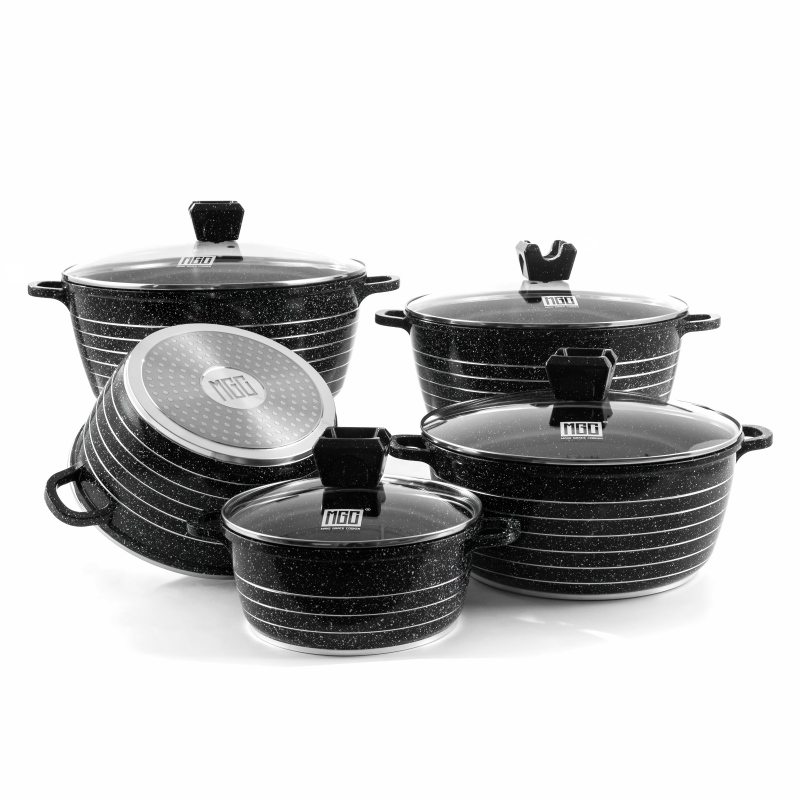
Find the right pan size for your kitchen. Covers key criteria — from cooking portions to frying techniques — to help you choose smarter.
View More
Proper Cleaning Methods to Extend the Life of a Durable Non Stick Pan.

18

Sep

Proper Cleaning Methods to Extend the Life of a Durable Non Stick Pan.

Learn proper cleaning methods to extend your durable non stick pan's life. Right kitchen habits protect the coating and keep food releasing cleanly.
View More
How to Choose the Best Cookware for Different Cooking Methods?

18

Sep

How to Choose the Best Cookware for Different Cooking Methods?

Discover how to match cookware to your cooking methods. A practical guide covering materials, heat needs, and kitchen tools for every cooking style.
View More

Customer Testimonials

Emily Carter

A coordinated cookware set helps simplify meal preparation by providing complementary pots and pans for different recipes. Practical sizes and matching designs make it easier to organize everyday cooking tasks.

Daniel Wilson

A well planned cookware set gives retailers a convenient product option for households with different cooking needs. Clear specifications, consistent finishes, and useful piece combinations support product selection.

Get a Free Quote

Our representative will contact you soon.
Email
Mobile/WhatsApp
Name
Company Name
Message
0/1000
Coordinated Pieces for Everyday Cooking

Coordinated Pieces for Everyday Cooking

A well designed cookware set helps households prepare different meals with complementary pots and pans. A frying pan supports sautéing and browning, a saucepan is useful for sauces and smaller portions, and a stockpot provides capacity for pasta, soups, and stews. Coordinated pieces can simplify kitchen organization and help buyers avoid purchasing unrelated items separately. When comparing sets, check the dimensions, capacities, lid fit, handle design, and actual number of cooking vessels included. For example, a family that regularly prepares several dishes may value a medium saucepan and a large pot more than several similar frying pans. Choosing a collection around real cooking routines helps maximize usefulness while keeping storage requirements manageable.
Material Choices to Match Cooking Preferences

Material Choices to Match Cooking Preferences

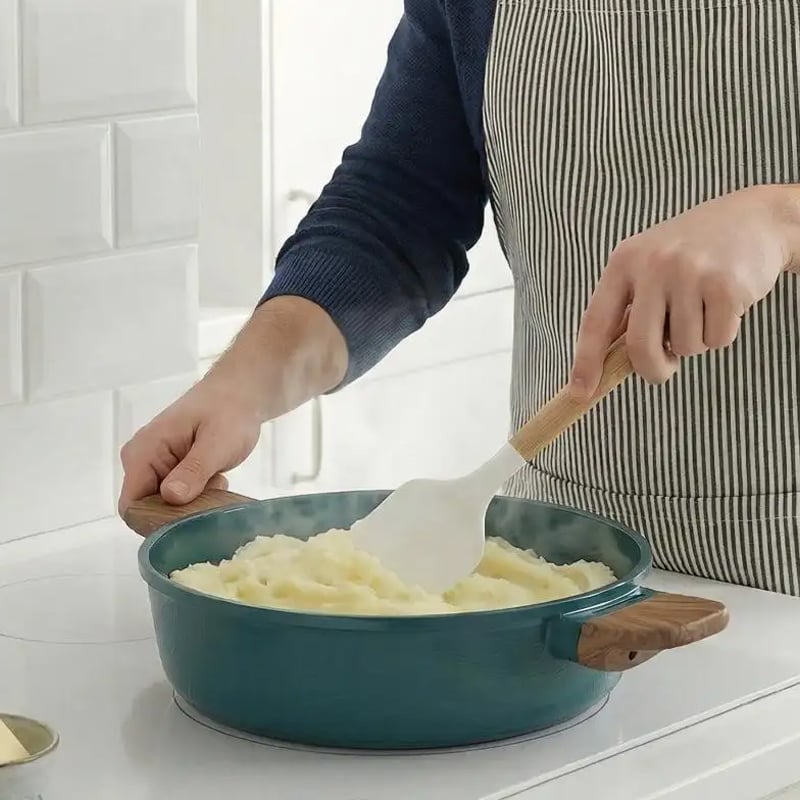
Material selection affects how a cookware pots and pans set performs and how it should be maintained. Stainless steel is suitable for a broad range of cooking methods, including browning and simmering. Aluminum cookware can offer efficient heat transfer and lightweight handling, while nonstick surfaces can be convenient for eggs, pancakes, and other delicate foods. Each option has different care requirements, so buyers should read product instructions and assess their intended use. Cooktop compatibility also matters, especially for induction cooking, which requires a suitable magnetic base. Retailers can make product selection easier by presenting material details, care guidance, and compatible cooktops clearly. These practical details help customers compare cookware sets based on function rather than appearance alone.