Cookware Set Wholesale | 13-Piece & Ceramic Options

Get up to 35% off + Free shipping Shop now

Call Us:+86-579-86903988

Wholesale Cookware Sets for Business Buyers

Wholesale Cookware Sets for Business Buyers

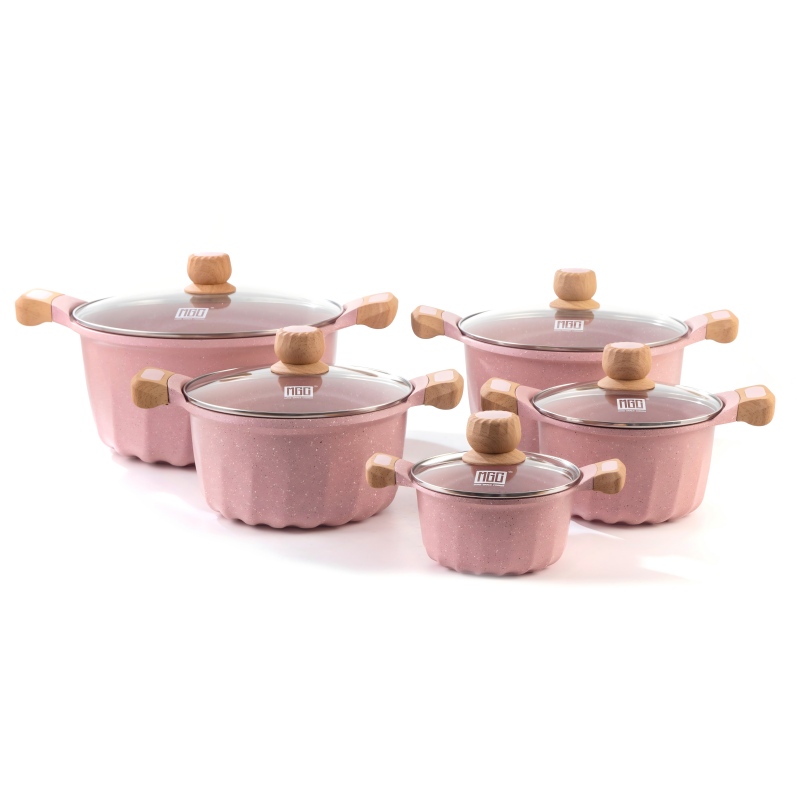
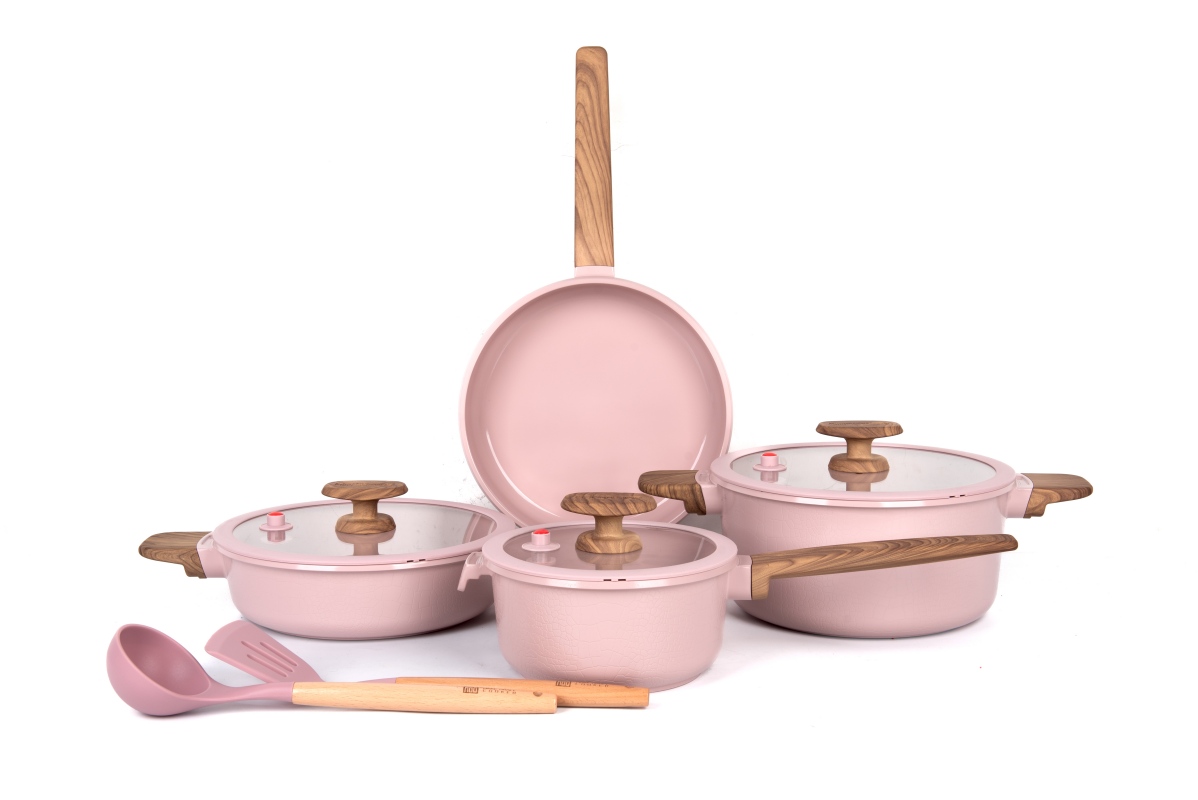
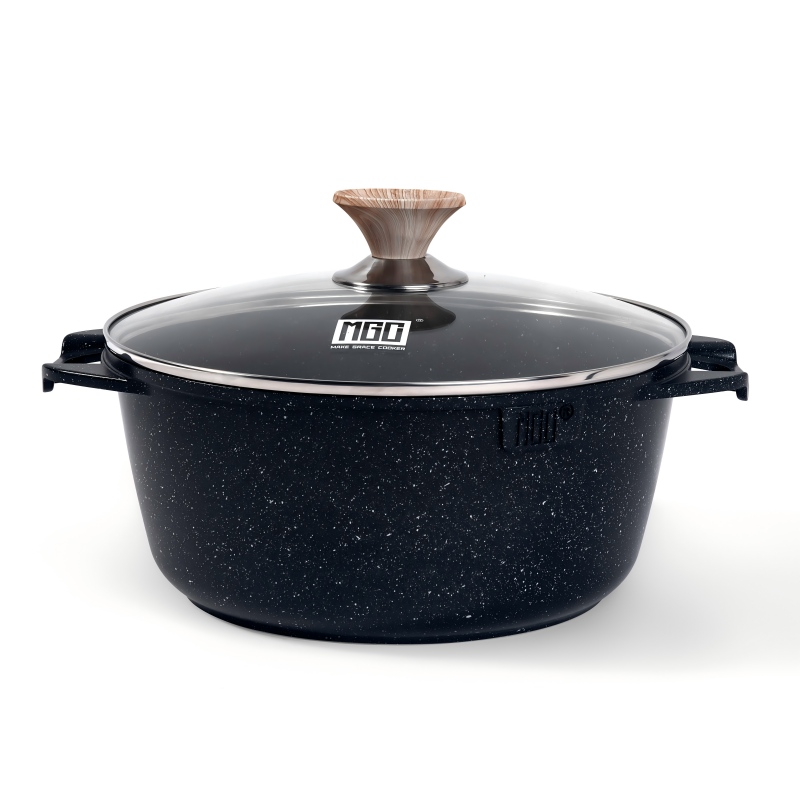
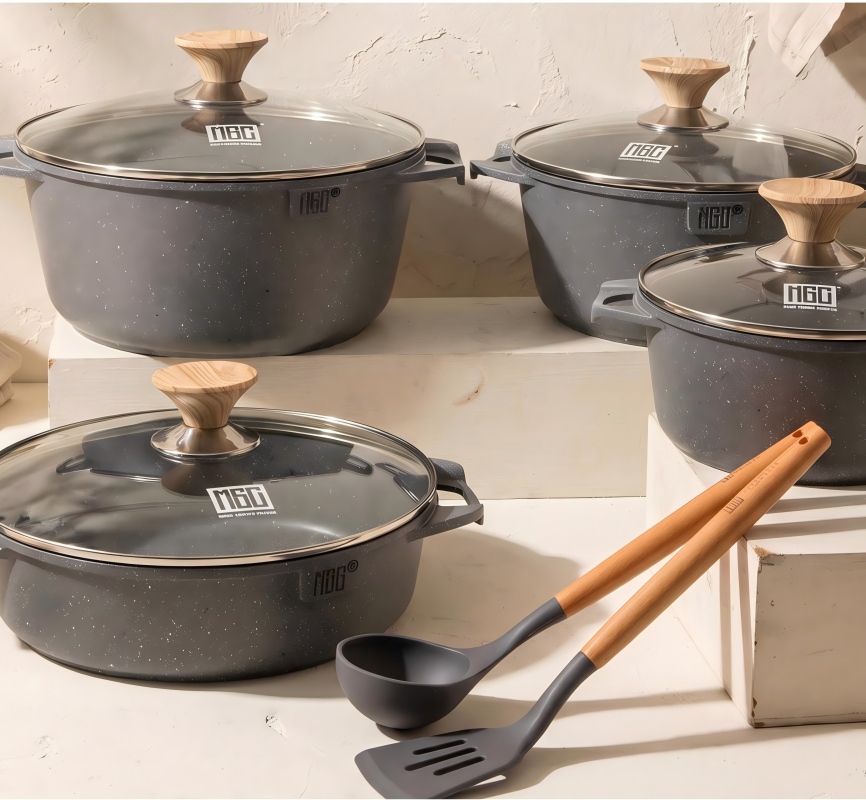
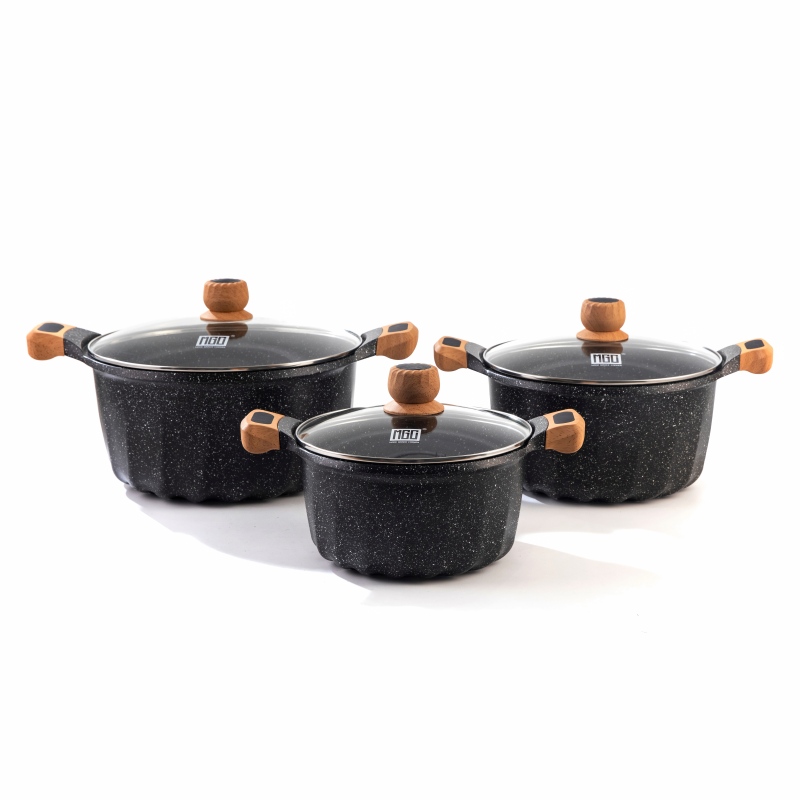
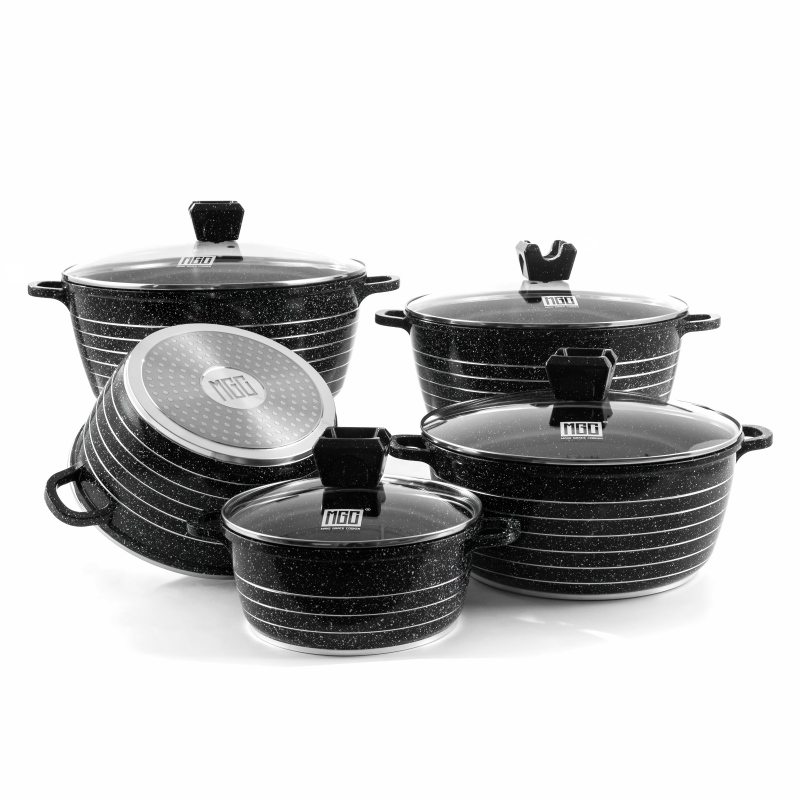
Buying cookware sets wholesale helps retailers, importers, distributors, and hospitality suppliers source coordinated products for different customer needs. Instead of purchasing individual pans separately, buyers can compare collections containing frying pans, saucepans, stockpots, and lids. This approach can simplify product assortment planning and make packaging and listing management more consistent. For example, a kitchenware retailer may choose compact sets for smaller households and larger collections for family cooking. Before placing a bulk order, evaluate material composition, coating specifications, handle construction, cooktop compatibility, and carton dimensions. Comparing samples and quotations against the same requirements helps identify differences between products. Clear agreements on order quantities, delivery schedules, and packaging also support more organized procurement and inventory planning.
Get A Quote

Case Study

Wholesale Cookware for Retail Stores

A kitchenware retailer wants to expand its cookware selection before a seasonal sales period. Purchasing coordinated sets wholesale allows the team to compare several product configurations and plan inventory around customer demand. A compact set may suit smaller households, while a larger collection can appeal to families needing versatile cooking equipment. Before confirming quantities, the retailer reviews pan dimensions, materials, surface finishes, handle design, and included lids. Packaging and carton measurements also matter because they influence storage and transportation planning. By documenting product specifications and comparing samples, the purchasing team can select an assortment that fits its price positioning and retail presentation requirements.

Cookware Sets for Importers and Distributors

An importer plans to source cookware sets for distribution through several retail channels. Its purchasing team needs products with clear specifications, suitable packaging, and order terms that match its inventory plan. Comparing wholesale quotations helps the team assess differences in set composition, material options, product dimensions, and delivery arrangements. For example, a basic assortment may serve general household stores, while a more extensive collection may suit specialty kitchenware retailers. Before confirming a shipment, the importer should request samples, review relevant product documentation, and verify carton quantities. Establishing agreed specifications helps simplify supplier comparisons and supports more consistent product planning across future purchasing cycles.

Bulk Cookware Sets for Private Label Brands

A kitchenware brand wants to launch a coordinated cookware collection under its own label. Wholesale sourcing gives the team an opportunity to evaluate available models and discuss packaging or branding options where supported. The buyer compares materials, coating details, handle designs, and set combinations before choosing a product range. For example, a brand targeting everyday home cooks may prioritize versatile frying pans and saucepans, while another may prefer a larger assortment. Sample approval and written specifications are important before bulk production begins. Confirming minimum order quantities, customization costs, packaging artwork, and lead times helps the brand plan its launch and reduce avoidable purchasing changes.

Related products

Wholesale cookware set purchasing starts with a clear product brief. Buyers should define their target market, preferred materials, set composition, estimated order quantity, and packaging requirements before requesting quotations. Common options include stainless steel, aluminum, and nonstick coated cookware, each with different characteristics and care requirements. Product construction, coating specifications, handle attachment, lid fit, and cooktop compatibility should be checked carefully. For example, a distributor serving general household retailers may need compact starter sets alongside larger collections for family kitchens. Consistent product specifications make quotations easier to compare and help purchasing teams avoid confusion about included pieces. MGCCookware provides a website where buyers can explore cookware related products and discuss their requirements. For wholesale orders, request samples and relevant documentation, then confirm minimum quantities, delivery schedules, packaging details, and destination market requirements. Careful preparation helps businesses select suitable products and organize bulk purchasing more efficiently.

Frequently Asked Questions

What should I consider when buying cookware sets wholesale?

Compare material composition, set contents, dimensions, coating specifications, cooktop compatibility, packaging, and sample quality. Confirm minimum order quantities, payment terms, production schedules, and shipping arrangements. Using the same specification sheet for each quotation makes supplier comparisons more reliable and helps you select products that fit your target market.
Wholesale collections may include stainless steel, aluminum, nonstick coated, and other cookware options. Sets can range from compact combinations of essential pans to larger assortments with saucepans, frying pans, stockpots, and lids. Exact materials, included pieces, and available configurations depend on the individual product range.
Private label options depend on the supplier's capabilities and order requirements. Potential services may include logo placement, customized packaging, product colors, or selected set configurations. Confirm minimum order quantities, design approval procedures, additional costs, and production lead times before committing to a customized wholesale order.
Request representative samples and inspect construction, surface finish, handle attachment, lid fit, and dimensions. Confirm the product's recommended care instructions and compatible cooking surfaces. Ask for relevant documentation and agree on written quality requirements before production or shipment to reduce misunderstandings about the expected product standard.
Prepare your preferred materials, set composition, estimated quantity, destination country, and packaging needs. Include branding requirements if relevant. Ask the supplier to specify unit pricing, minimum order quantities, sample costs, production lead times, carton details, and shipping terms so you can evaluate the full purchasing cost.

Related article

How to Choose the Right Cookware Set Material for Better Cooking Results?

14

Sep

How to Choose the Right Cookware Set Material for Better Cooking Results?

Discover how to choose the right cookware set material — aluminum, stainless steel, or non-stick — to match your cooking style and improve results.
View More
Why Do Reliable Cookware Suppliers Matter for Product Success?

14

Sep

Why Do Reliable Cookware Suppliers Matter for Product Success?

A reliable cookware supplier shapes your product quality, supply chain, and sourcing outcomes. Discover what sets a dependable kitchenware supplier apart.
View More
How to Choose the Right Pan Size for Different Cooking Needs?

14

Sep

How to Choose the Right Pan Size for Different Cooking Needs?

Find the right pan size for your kitchen. Covers key criteria — from cooking portions to frying techniques — to help you choose smarter.
View More
Proper Cleaning Methods to Extend the Life of a Durable Non Stick Pan.

18

Sep

Proper Cleaning Methods to Extend the Life of a Durable Non Stick Pan.

Learn proper cleaning methods to extend your durable non stick pan's life. Right kitchen habits protect the coating and keep food releasing cleanly.
View More

Customer Testimonials

Michael Turner

A coordinated cookware assortment makes it easier to organize retail inventory. Comparing set sizes, materials, packaging, and product specifications helps our purchasing team select options for different customer groups.

Sarah Mitchell

Reviewing cookware samples and confirming order details helped us plan a more suitable product range. Clear specifications made it easier to compare available collections for our wholesale customers.

Get a Free Quote

Our representative will contact you soon.
Email
Mobile/WhatsApp
Name
Company Name
Message
0/1000
Flexible Assortments for Wholesale Buyers

Flexible Assortments for Wholesale Buyers

A well planned wholesale cookware assortment can serve different customer groups without creating an unnecessarily complicated catalog. Retailers may select compact sets for smaller households, standard collections for everyday cooking, and larger combinations for family kitchens. Buyers should compare the included pieces, pan sizes, materials, finishes, and packaging before confirming an assortment. For example, a distributor supplying both general merchandise stores and specialty kitchenware retailers may need several configurations to meet different purchasing priorities. Clear product descriptions help sales teams explain these differences to customers. Reviewing samples and confirming specifications before ordering also helps purchasing teams maintain consistency across product listings and repeat orders.
Better Planning for Bulk Cookware Orders

Better Planning for Bulk Cookware Orders

Successful wholesale purchasing depends on coordinating product requirements with inventory, storage, and delivery plans. Buyers should confirm the number of sets per carton, carton dimensions, packaging protection, order quantities, and expected production schedule. These details help estimate warehouse space and organize transportation more effectively. For private label projects, packaging artwork and labeling requirements should be approved before production begins. A written purchase specification also makes it easier to compare supplier quotations and identify differences in materials or set composition. Whether sourcing a first shipment or replenishing an established range, careful planning supports clearer communication, more organized procurement, and a cookware assortment aligned with the business's target market.