EN
How to Choose the Right Pan Size for Different Cooking Needs?
Have you ever found yourself standing in a kitchen store, unsure whether a 24cm or 28cm skillet is the right call for your setup? You're not alone in finding this choice confusing, and the answer isn't as simple as "bigger is better."
Selecting the right pan depends on how many people you cook for, what preparation styles you rely on most, and what cooking equipment you already own. As a cookware industry specialist who has evaluated frying and sauté performance across household and distribution contexts, I find that pan size is one of the most misunderstood decisions in kitchen outfitting — and one of the most impactful for daily results.
Why the Right Pan Size Matters More Than You Think
The diameter of your cookware directly affects how food cooks. A piece that is too small causes food to crowd together, producing steam rather than the sear you want — a critical issue when using frying techniques like stir-frying or browning proteins. A skillet that is too large for a single-portion meal wastes energy, exposes food to uneven heat, and increases the risk of burning oils or sauces in the underused areas.
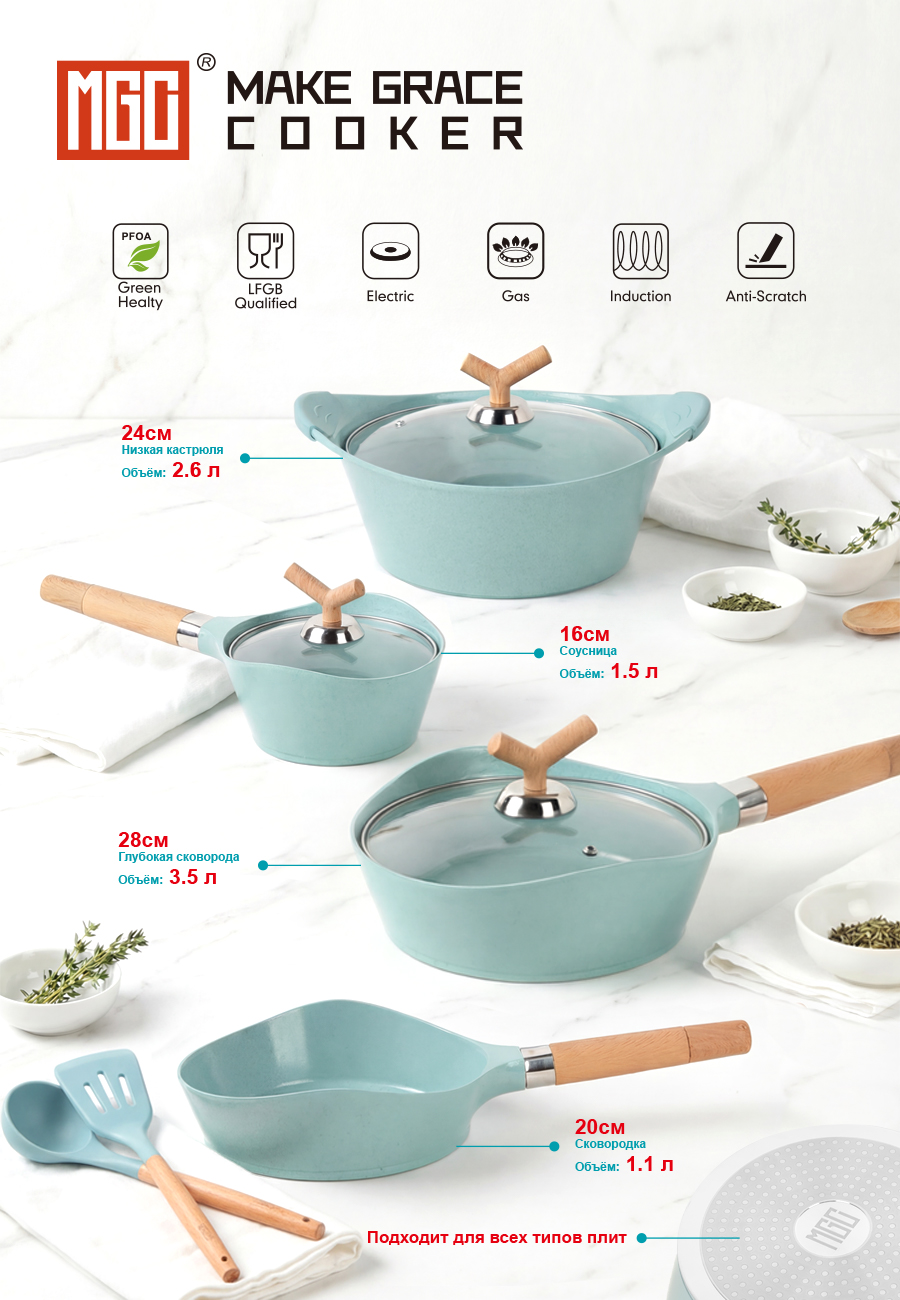
Common sizes range from around 14cm (suited for single eggs or warming a small portion of sauce) up to 40cm for large family-style cooking. For most home cooks, 20cm, 24cm, 28cm, and 30cm cover the full practical spectrum.
Key Criteria for Choosing the Right Size
1. Portions and Household Size
Start by thinking about who you typically cook for:
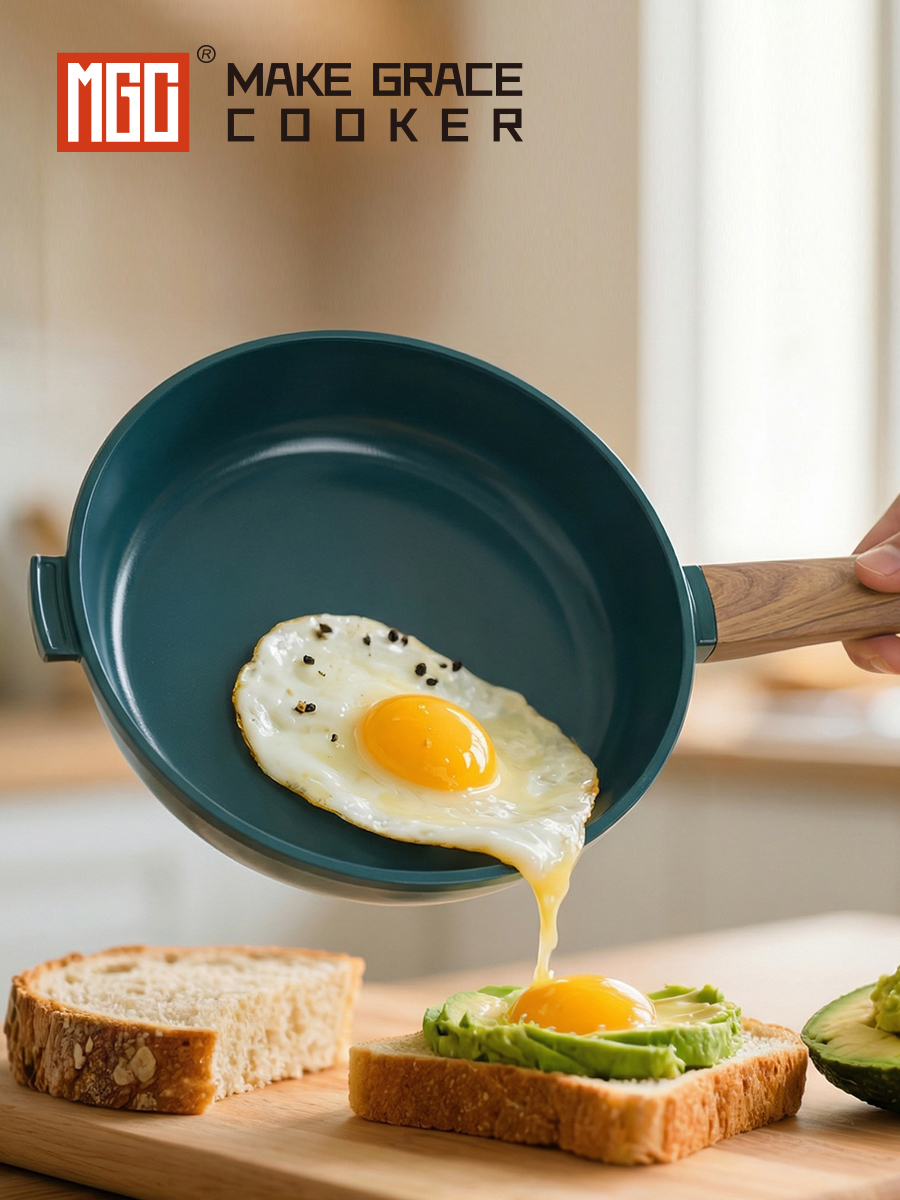
- 20cm: Well-suited for single-serving tasks — a single egg, a small omelette, a sauce portion, or reheating a meal for one. Compact and quick to heat, this size is a useful secondary piece even in households that primarily use larger cookware.
- 24cm: A solid everyday choice for one to two people. If you cook for yourself or a partner most evenings, a 24cm pan handles that range well — from a two-egg breakfast to a couple of chicken pieces or a sautéed vegetable side.
- 28cm: The most versatile choice for a household of two to four people. This diameter covers the widest range of everyday cooking approaches without feeling oversized or wasteful on energy.
- 30cm and above: For larger families or when you regularly prepare meals for guests, a 30cm or 32cm skillet provides the surface area you need without requiring multiple batches.
2. Cooking Approach and Frying Techniques
When your culinary routine leans toward frying techniques — stir-frying, searing, or shallow frying — the flat base area matters more than the total outer diameter. A 28cm pan typically has an effective cooking base of around 22–23cm once the sloped walls are excluded. Searing four pieces of protein at the same time requires direct surface contact for each piece. Crowd them together and you'll get steam, not browning.
At first, it might seem like total diameter and actual cooking surface are the same — actually, that's not quite right. The outer measurement includes the sidewalls. What determines how much you can sear or fry at once is the flat base alone. For high-heat stovetop methods that depend on wide contact, consider sizing up one step from what your portion count alone suggests.
For slower preparation approaches like braising, simmering, or shallow poaching, wall height matters more than base width. A deeper piece with a 24cm base and higher sides may outperform a wider, shallower option for exactly that task.
3. Your Equipment and Storage Constraints
It took me a while to understand that the most suitable choice depends entirely on your culinary habits and the rest of your kitchen setup — there is no universal answer. Selecting a single piece as your primary workhorse? A 24cm or 28cm pan is the strongest all-purpose option for most households. Building out a full cookware lineup? Think systematically about what you actually use regularly.
On a fixed budget, it usually makes more sense to invest in a quality mid-size piece — typically 24cm to 28cm — and save on larger options that see less frequent use. A big skillet used once a month does not justify the same outlay as your daily cooking pan.
Storage is worth factoring in too. Larger pieces require more cabinet space, and stacking a 32cm skillet can make accessing smaller cookware harder unless you have a dedicated rack or a proper stacking system.
Pan Size Recommendations by Cooking Scenario
Different scenarios call for different sizes. Here is a practical reference based on common cooking methods:
- Eggs and breakfast items: 20cm — enough base area without overexposing the egg to an underused hot surface.
- Sautéed vegetables for two: 24cm handles this without crowding or wasted space.
- Chicken breasts or fish fillets: 28cm provides enough surface for two to three pieces with full contact, enabling proper searing — a core frying technique for browning protein.
- Family stir-fries or batch cooking: 30cm and above — essential for high-heat stovetop work requiring contact across multiple portions at once.
When One Size Is Not Enough
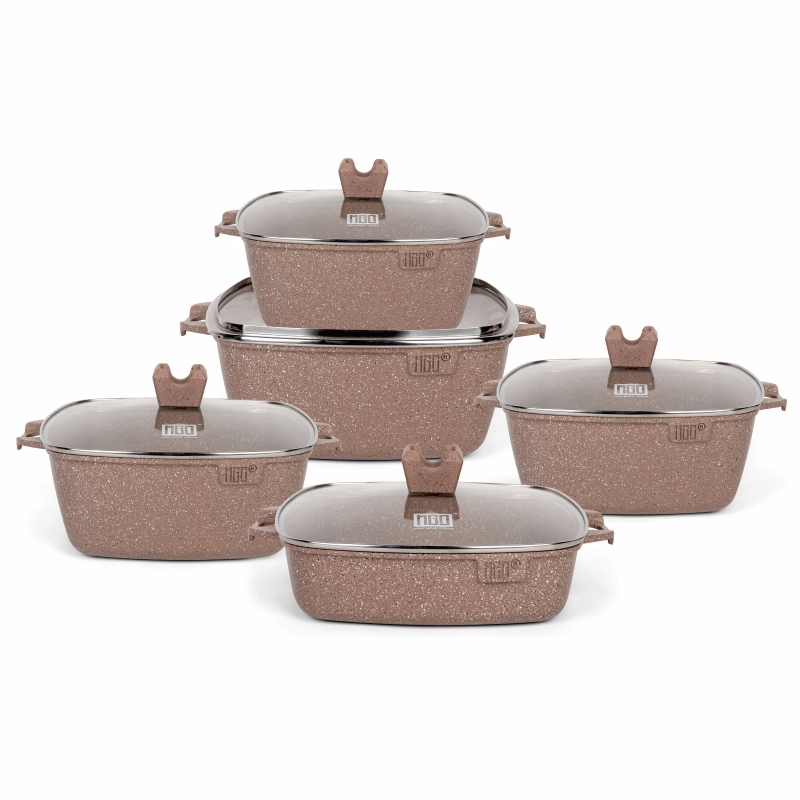
If French-style cooking or specific frying techniques are a regular part of your routine, a dedicated piece for that purpose will serve you better than one all-purpose option. For most households cooking diverse meals, though, a versatile 28cm paired with a small 20cm covers the majority of everyday cooking methods without unnecessary overlap.
Most people find that a 24cm to 28cm pan covers daily needs well, though your cooking style and household size might shift that recommendation one step in either direction.
Construction Quality Alongside the Right Pan Size
Selecting the right pan size is only part of the decision. Base thickness and build quality determine how evenly heat distributes across the cooking surface, which directly affects whether your frying techniques deliver consistent results. A thickened aluminum alloy base eliminates hot spots that cause uneven browning near the center, regardless of whether you are working with a 20cm or 28cm piece.
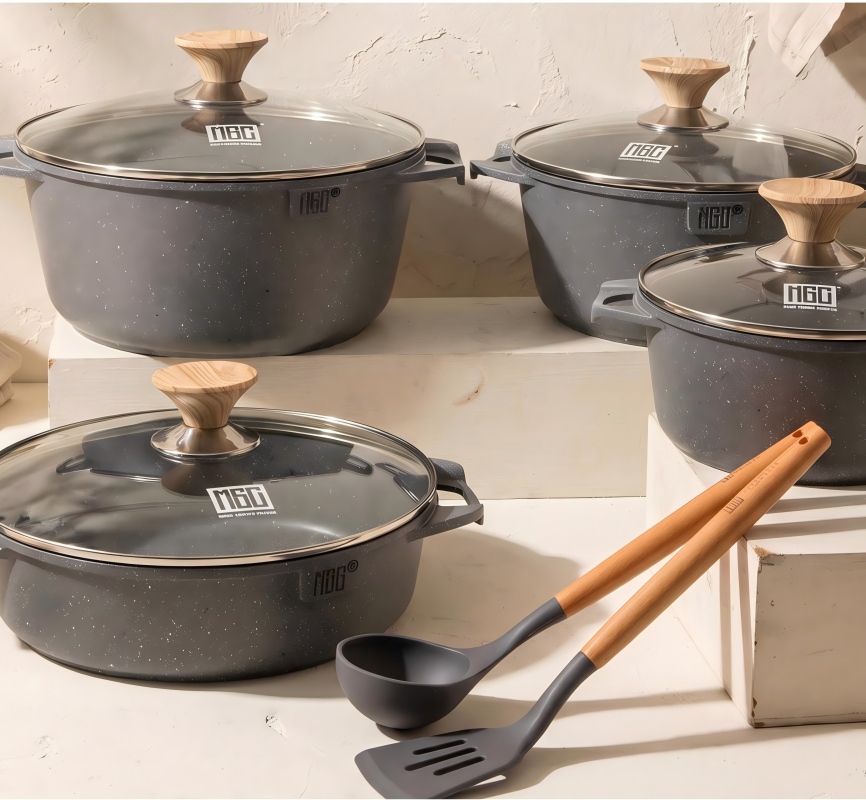
MGC cookware offers a complete range covering compact single-serving pieces to family-scale skillets, all built to consistent quality standards that support mid-to-high-end cooking performance. Whether you are selecting kitchen tools for a home upgrade or building out a wholesale assortment, matching the right pan size with solid construction makes a measurable difference in daily outcomes.
Explore the full MGC cookware range at mgccookware.com.