Is Non-Stick Cookware Safe? B2B Safety Guide & Compliance Tips

Get up to 35% off + Free shipping Shop now

Call Us:+86-579-86903988

Understanding the Safety and Benefits of Nonstick Cookware

Understanding the Safety and Benefits of Nonstick Cookware

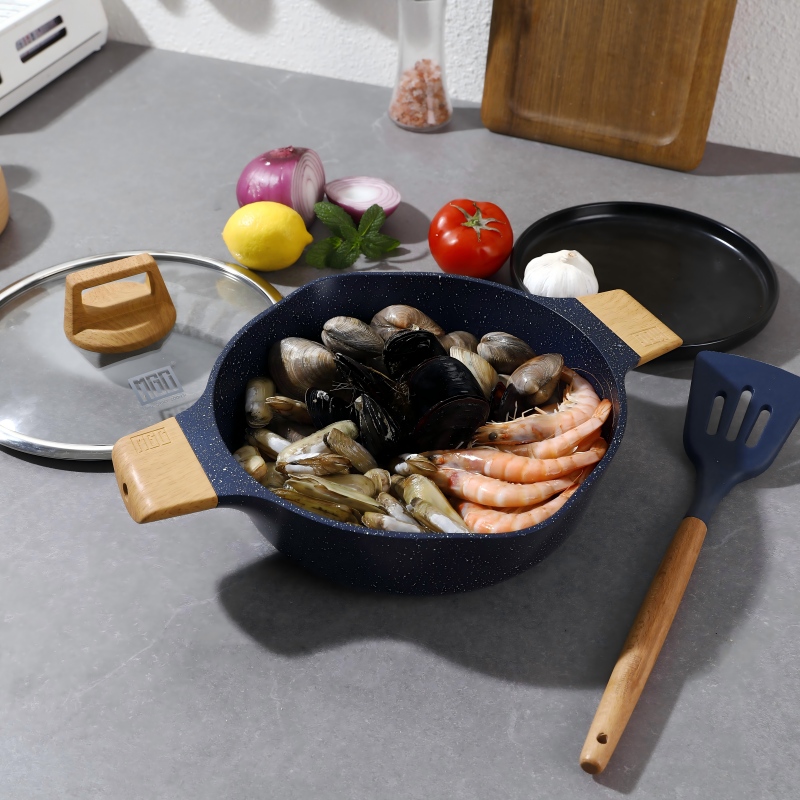
Is non stick cookware safe for everyday cooking? When manufactured to applicable safety standards and used according to the manufacturer's instructions, modern nonstick cookware can be a practical choice for home kitchens, restaurants, and commercial food preparation. Quality coatings help reduce sticking, making it easier to cook eggs, fish, pancakes, and delicate ingredients with less added oil. For best results, use low to medium heat, avoid overheating an empty pan, and follow the recommended temperature limits. Silicone or wooden utensils can help preserve the coating, while regular inspection helps identify when replacement is necessary. These simple practices support convenient cooking, consistent results, and responsible cookware maintenance.
Get A Quote

Case Study

Everyday Home Cooking with Nonstick Frying Pans

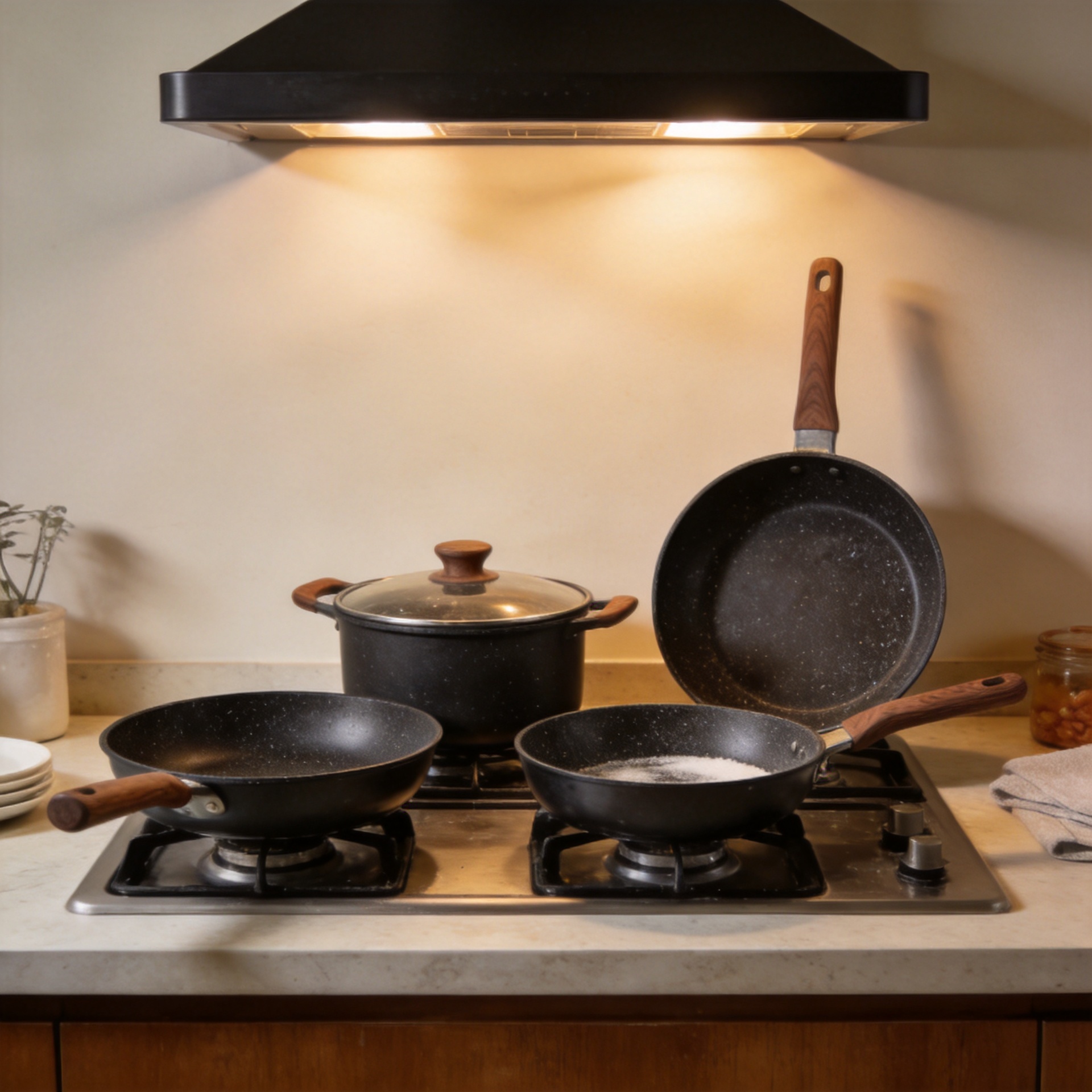
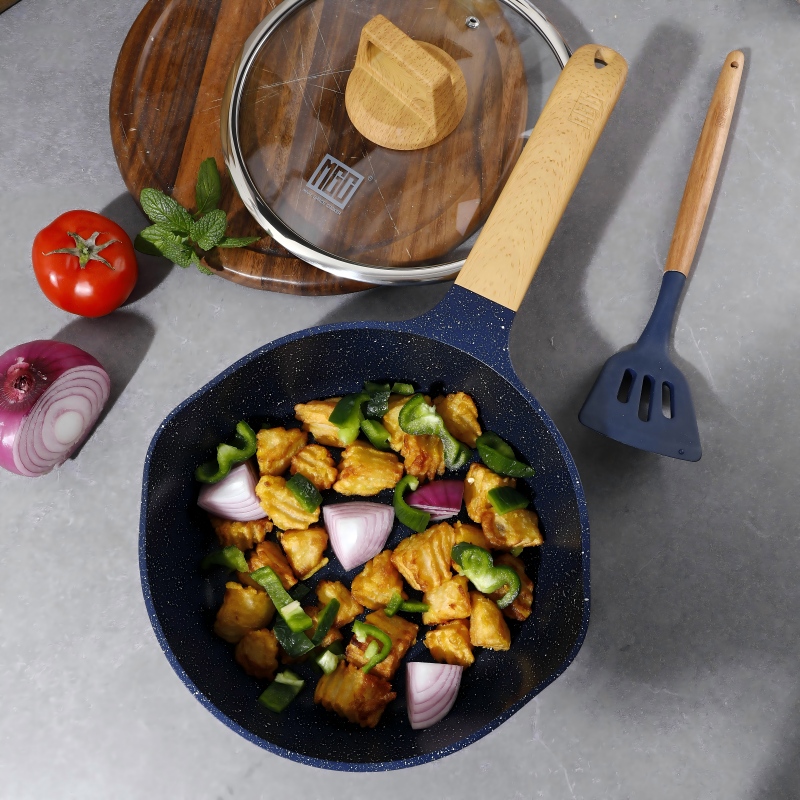
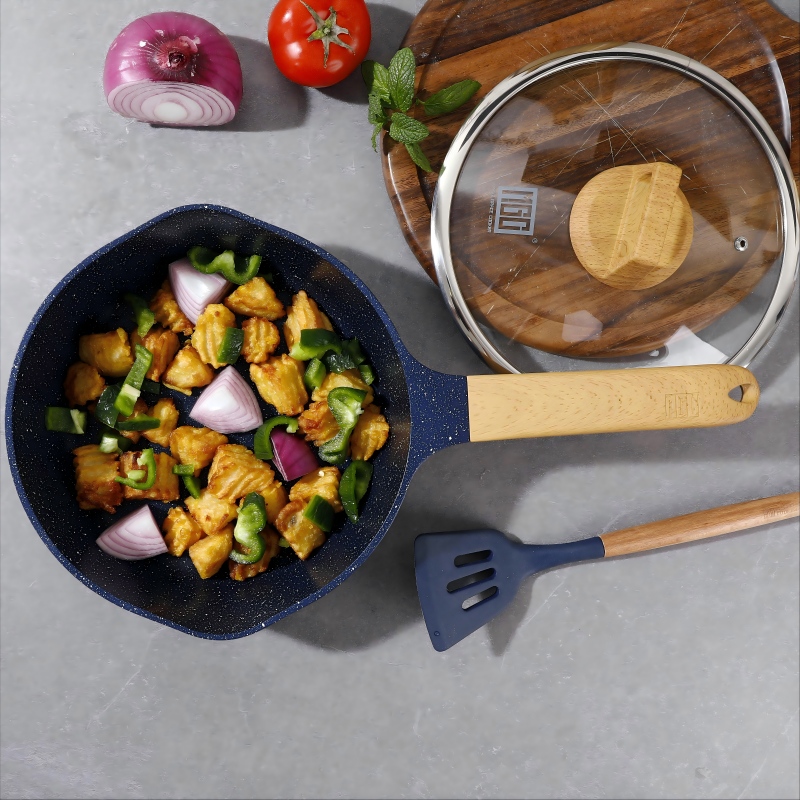
For busy households, nonstick frying pans simplify breakfast preparation, quick lunches, and everyday dinners. Eggs, omelets, and pancakes can release more easily when the pan is used correctly, reducing the need for excessive cooking oil. A practical home cooking routine includes preheating gently, choosing low to medium heat, and avoiding metal utensils that may damage the coating. For example, a family preparing breakfast each morning can benefit from easier food release and simpler cleanup after cooking several portions. Consumers should inspect the cooking surface regularly and replace pans with peeling or significantly damaged coatings. Proper use helps maintain performance while supporting convenient daily meal preparation.

Nonstick Cookware for Restaurants and Food Service

Restaurants often prepare delicate foods repeatedly during busy service periods, making reliable food release an important operational consideration. Nonstick pans can help kitchen teams cook omelets, fish fillets, and other delicate dishes with less sticking when the coating remains in good condition. For example, a breakfast restaurant serving 80 omelets during a morning shift may value faster pan cleanup and more consistent presentation. Actual time savings depend on kitchen workflow, cookware quality, and staff practices. Commercial users should follow temperature guidance, avoid abrasive cleaning methods, and establish regular equipment inspections. These measures help maintain cooking performance and support consistent food preparation across demanding service periods.

Selecting Nonstick Cookware for Household Product Retailers

Retailers supplying cookware to international markets need products that combine practical performance, clear usage guidance, and dependable manufacturing quality. Nonstick cookware can appeal to customers seeking easier food release and convenient cleaning for everyday meals. For example, a kitchenware distributor serving 20 retail outlets may prioritize consistent coating performance, stable product specifications, and packaging that explains safe use. These requirements help retailers communicate product benefits without making unsupported health claims. Buyers should evaluate coating specifications, applicable food-contact compliance documentation, and quality-control procedures before placing bulk orders. Clear product information also helps consumers understand temperature limits, maintenance requirements, and the importance of replacing cookware with damaged coatings.

Related products

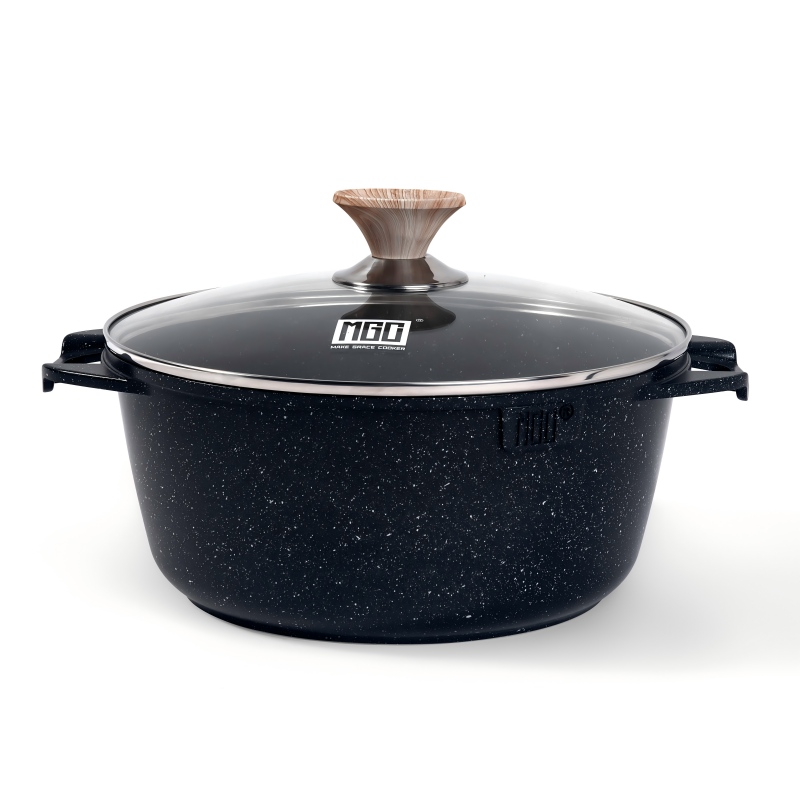
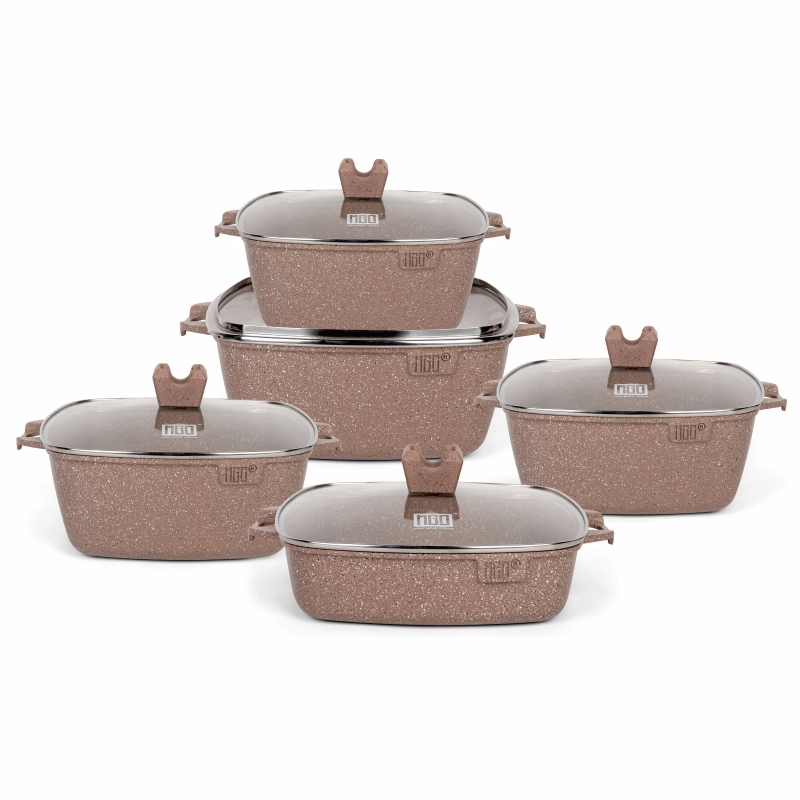
Nonstick cookware is widely used in residential kitchens, hospitality operations, and food service because it helps simplify cooking and cleaning. Whether a nonstick pan is safe depends on its materials, manufacturing quality, condition, and how it is used. PTFE-based coatings are generally considered suitable for intended cooking applications when used according to manufacturer instructions, but overheating can cause the coating to deteriorate and release hazardous fumes. Keep cookware away from excessive heat, avoid preheating empty pans for extended periods, and follow the product's stated temperature limits. For buyers evaluating cookware suppliers, material transparency and quality assurance are essential. Review coating specifications, food-contact compliance documentation, production consistency, and inspection procedures before making purchasing decisions. A household preparing eggs at medium heat has different usage demands from a restaurant cooking multiple batches throughout a service shift, so product selection should reflect the intended application. MGC Cookware's official product information should be consulted to confirm available cookware ranges, coating materials, manufacturing capabilities, and relevant certifications. For distributors and commercial buyers, requesting technical documentation and sample products can help establish whether a particular model meets market requirements. Combining suitable cookware selection with correct handling supports dependable everyday performance.

Frequently Asked Questions

Is nonstick cookware safe for everyday cooking?

Generally, yes. Nonstick cookware made with suitable food-contact materials can be used for everyday cooking when the manufacturer's instructions are followed. Choose products with appropriate compliance documentation, cook within the recommended temperature range, and inspect the surface regularly. Replace pans if the coating becomes significantly damaged or begins peeling.
Yes. PTFE-based nonstick coatings can deteriorate when exposed to excessive temperatures, potentially releasing hazardous fumes. Avoid heating an empty pan for extended periods, use low to medium heat for routine cooking, and follow the manufacturer's temperature guidance. Proper ventilation and appropriate cookware handling are also important precautions.
Minor surface marks do not automatically mean a pan is dangerous, but deep scratches, peeling, or flaking indicate that the cookware may need replacement. Stop using visibly deteriorated pans and consult the manufacturer's recommendations. Using nonabrasive cleaning tools and suitable utensils can help reduce coating damage over time.
Nonstick cookware can be suitable for restaurants, catering businesses, and hotel kitchens when the selected products meet operational requirements. Staff should understand temperature limits, cleaning instructions, and utensil restrictions. High-volume kitchens should also inspect cookware frequently and replace damaged pans to maintain consistent performance and appropriate food preparation practices.
Buyers should evaluate the coating type, base material, heat resistance, durability, and applicable food-contact compliance documentation. For wholesale orders, request product specifications, quality-control information, and relevant test reports. Confirming these details helps importers, retailers, and distributors assess whether cookware suits their target markets and intended applications.

Related article

How to Select Reliable Cookware and Bakeware Suppliers for Bulk Orders?

14

Sep

How to Select Reliable Cookware and Bakeware Suppliers for Bulk Orders?

Learn how to evaluate cookware & bakeware suppliers for bulk orders: factory verification, certifications, MOQ, and quality control for wholesale buyers.
View More
How to Choose the Right Pan Size for Different Cooking Needs?

14

Sep

How to Choose the Right Pan Size for Different Cooking Needs?

Find the right pan size for your kitchen. Covers key criteria — from cooking portions to frying techniques — to help you choose smarter.
View More
Proper Cleaning Methods to Extend the Life of a Durable Non Stick Pan.

18

Sep

Proper Cleaning Methods to Extend the Life of a Durable Non Stick Pan.

Learn proper cleaning methods to extend your durable non stick pan's life. Right kitchen habits protect the coating and keep food releasing cleanly.
View More
How to Extend the Lifespan of Your Cookware Through Proper Use?

18

Sep

How to Extend the Lifespan of Your Cookware Through Proper Use?

Learn how to extend the lifespan of your cookware through proper use, smart cooking habits, cleaning methods, and everyday kitchen care tips.
View More

Customer Testimonials

Emily Carter

Nonstick cookware made breakfast preparation easier, helping release eggs with less oil. Following medium-heat recommendations and using silicone utensils helped maintain the cooking surface during daily use.

Arthur Pendelton

Our kitchen team appreciated easier food release when preparing delicate fish portions. Regular inspections, careful temperature control, and nonabrasive cleaning supported consistent cookware performance throughout routine service.

Get a Free Quote

Our representative will contact you soon.
Email
Mobile/WhatsApp
Name
Company Name
Message
0/1000
Temperature Control Supports Safer Cooking

Temperature Control Supports Safer Cooking

Temperature management is one of the most important considerations when using PTFE-coated nonstick cookware. For everyday tasks such as preparing eggs, sautéing vegetables, or warming leftovers, low to medium heat is often sufficient. Excessive temperatures can damage the coating, so users should avoid prolonged empty-pan preheating and follow the specific limits supplied with their cookware. In a restaurant preparing multiple orders during a two-hour breakfast service, consistent heat settings and staff training can help protect cookware condition and maintain food quality. Buyers should review product temperature ratings and relevant safety documentation before selecting models. Clear instructions, routine inspections, and timely replacement of damaged pans support responsible use.
Coating Quality and Maintenance Matter

Coating Quality and Maintenance Matter

The long-term performance of nonstick cookware depends on coating quality, manufacturing consistency, and daily maintenance. Consumers should select products with clearly identified materials and suitable food-contact compliance documentation rather than relying on marketing claims alone. In a household using a frying pan five days per week, gentle washing, suitable utensils, and moderate cooking temperatures can help reduce unnecessary surface wear. Commercial buyers may also benefit from checking sample products and reviewing inspection procedures before ordering larger quantities. Although service life varies with product design and usage, regular inspection helps identify peeling, flaking, or other visible deterioration. Choosing suitable cookware and following care instructions supports practical performance and informed purchasing decisions.
Informed Purchasing for Global Cookware Markets

Informed Purchasing for Global Cookware Markets

For international cookware distributors, product safety information is an important part of supplier evaluation. Buyers should examine coating composition, base materials, manufacturing specifications, and applicable food-contact requirements for their destination markets. For example, an importer supplying cookware to 15 retail stores may need consistent documentation and clear care instructions across every product model. These details help purchasing teams compare suppliers and provide accurate information to retailers and end users. MGC Cookware can be evaluated through its official product information and direct supplier inquiries to confirm available specifications, testing records, and production capabilities. Verifying these details before placing a bulk order helps reduce uncertainty and supports responsible product selection.