Ceramic Cookware Solutions for Modern Kitchens and Global Brands
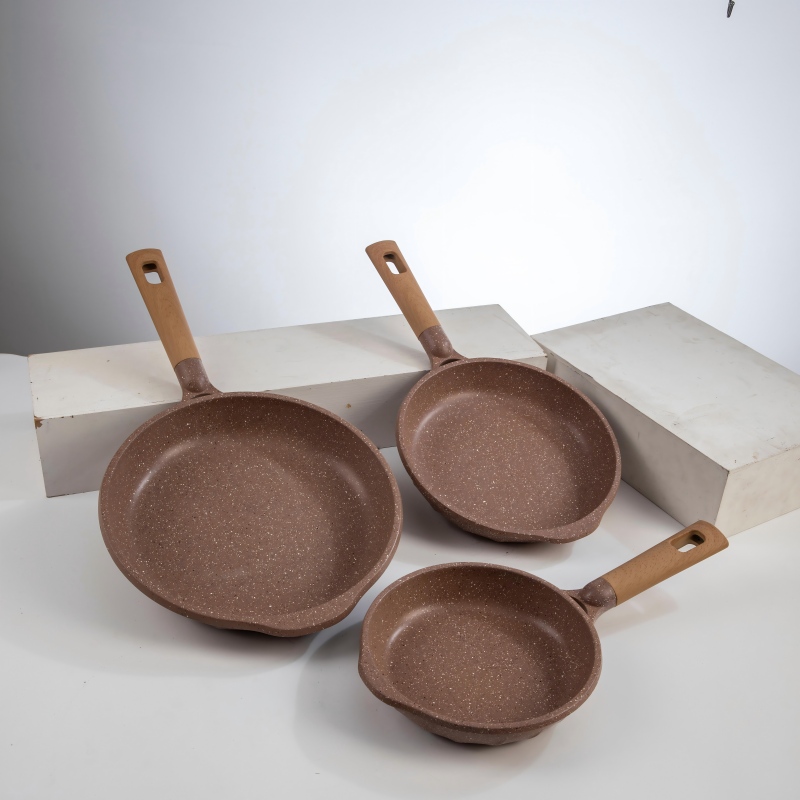
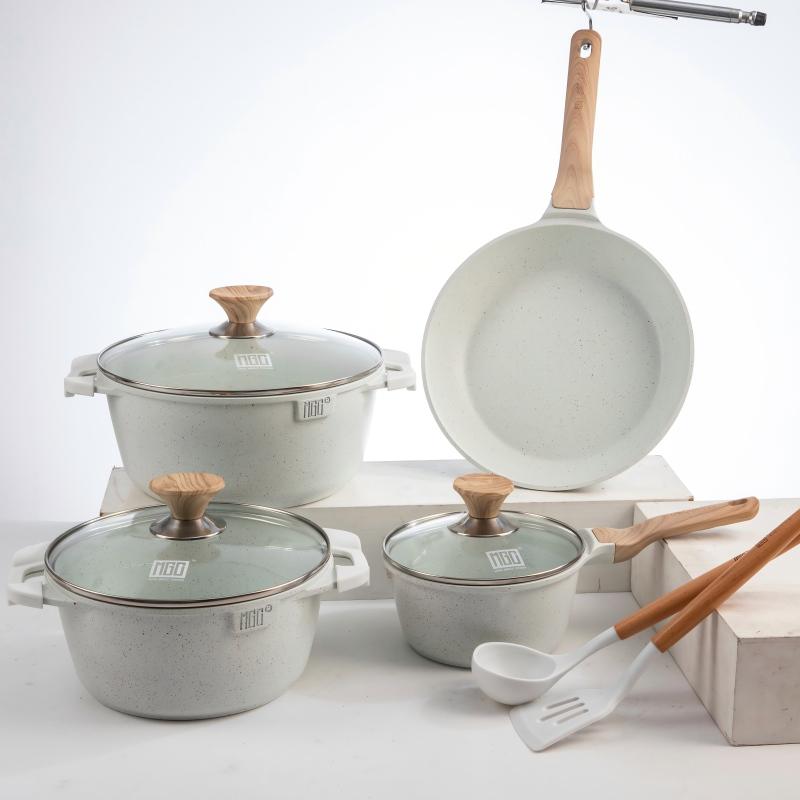
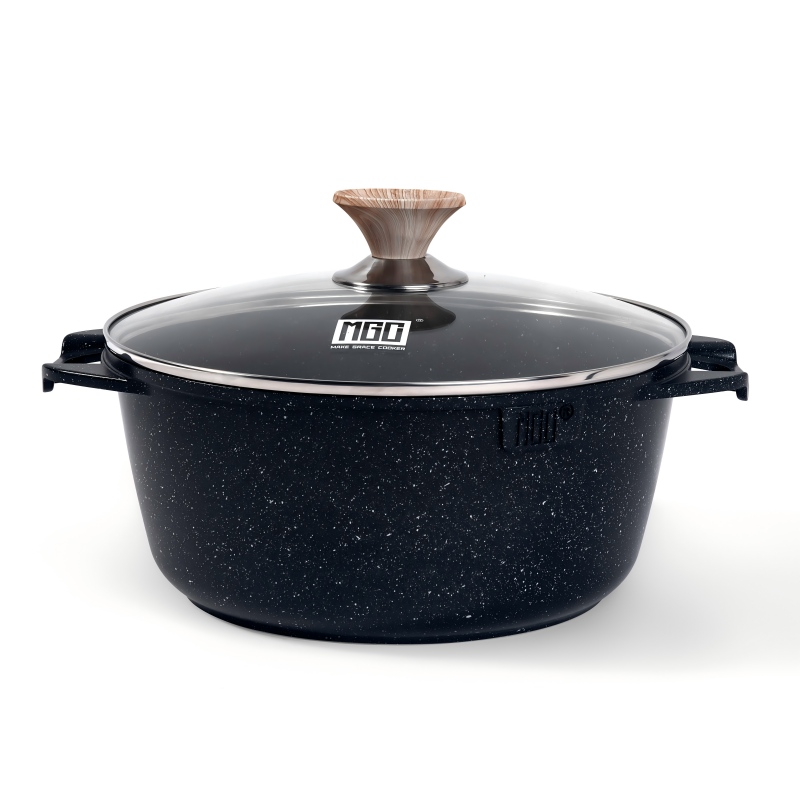
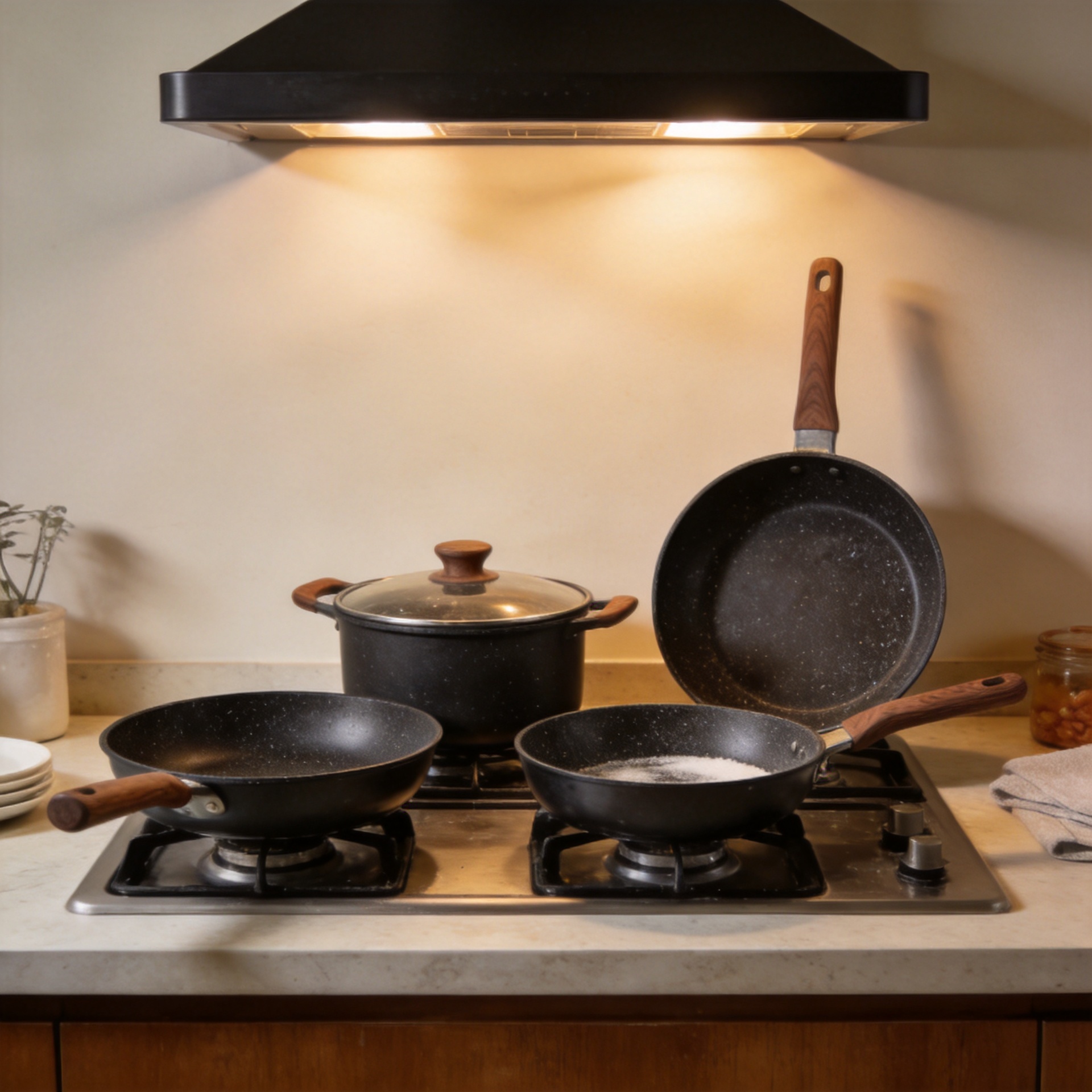
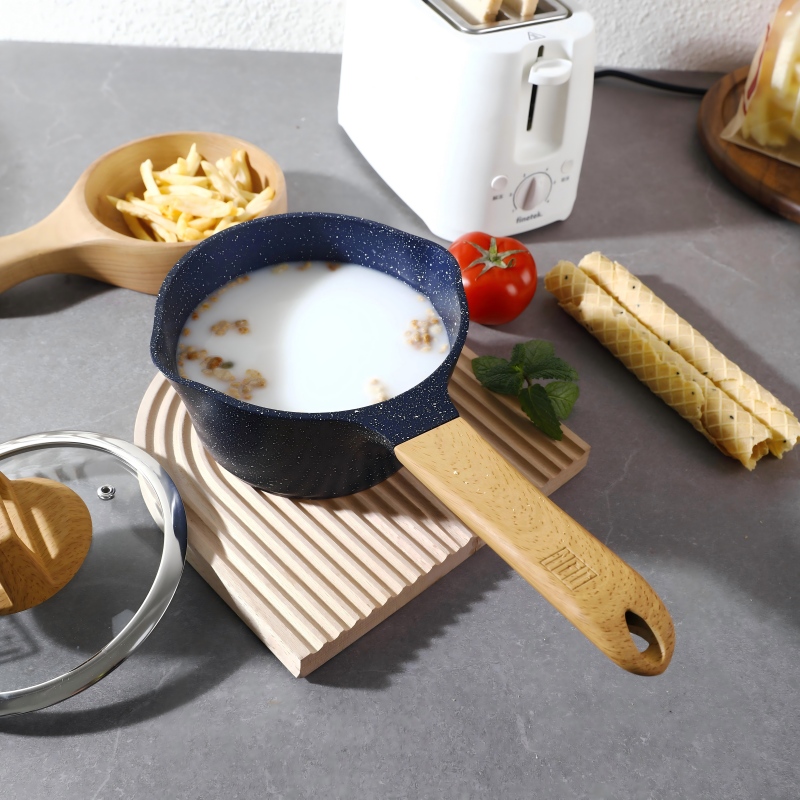
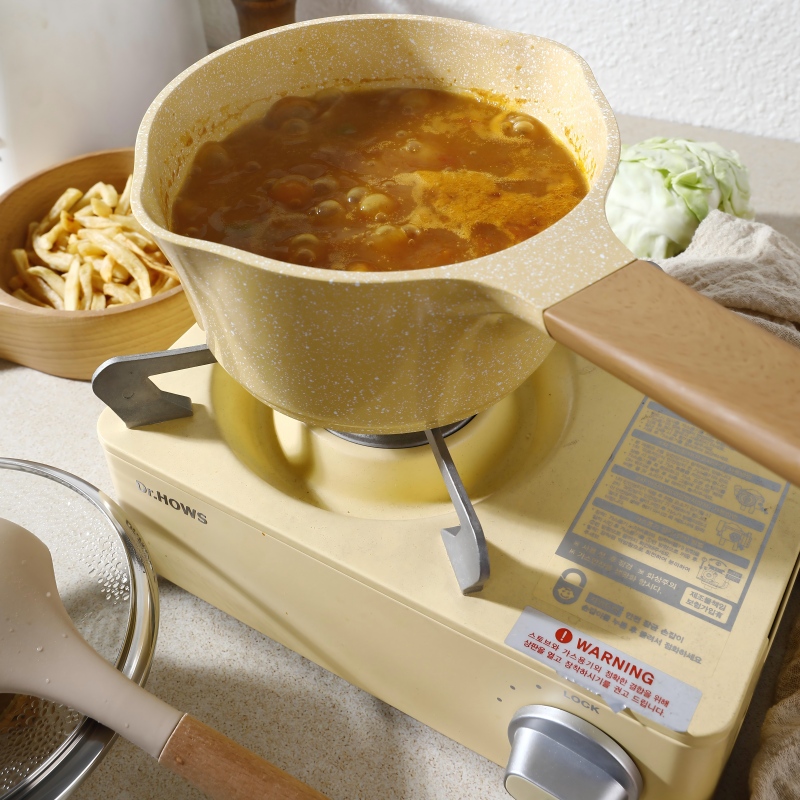
Ceramic cookware appeals to consumers seeking modern styling, convenient food release, and practical everyday performance. MG Cookware offers cookware solutions for retailers, distributors, and private-label brands exploring ceramic-coated options for different market segments. From preparing eggs and pancakes to sautéing vegetables and cooking quick family dinners, suitable cookware can support a variety of kitchen routines. Depending on the product design, an aluminum body can provide efficient heat transfer, while a ceramic-based nonstick coating can help reduce food sticking when used correctly. Buyers can evaluate pan sizes, handle designs, exterior finishes, and packaging options to develop coordinated collections. Reviewing temperature limits, cleaning instructions, and coating specifications helps ensure that product selection aligns with consumer expectations and intended applications.
Get A Quote

 EN