EN


New Market Promotion
Struggling to demonstrate product value? Face-to-face customer engagement drives 3.2x higher conversion in B2B markets. Discover proven field promotion tactics now.
View More
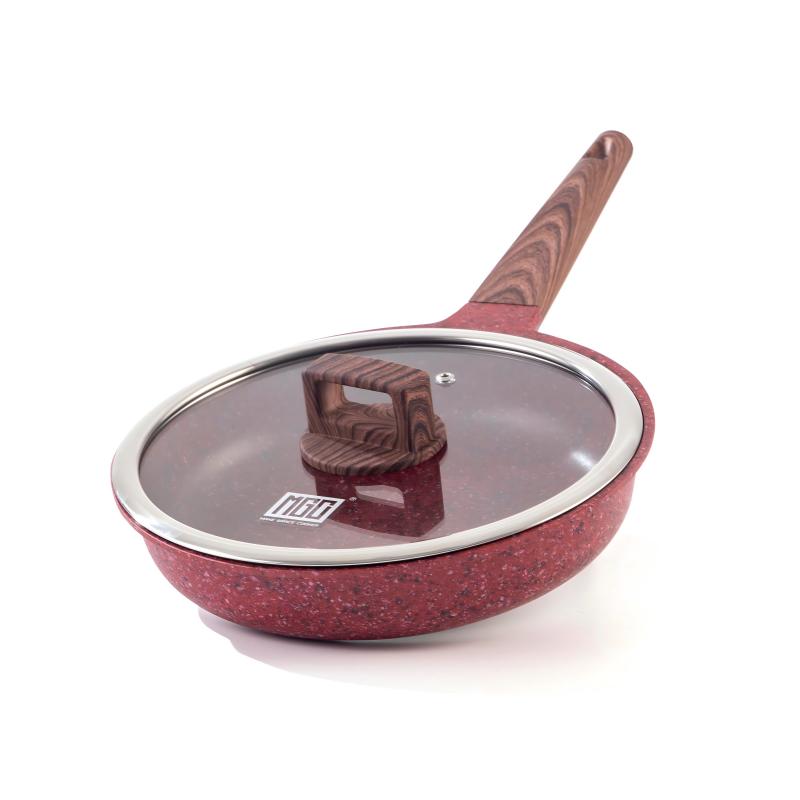
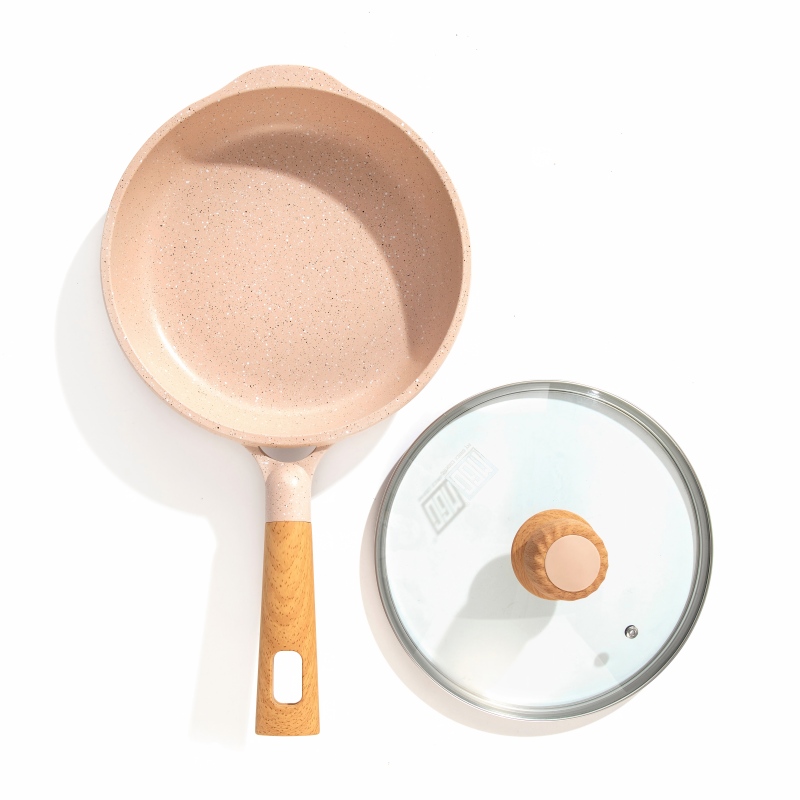
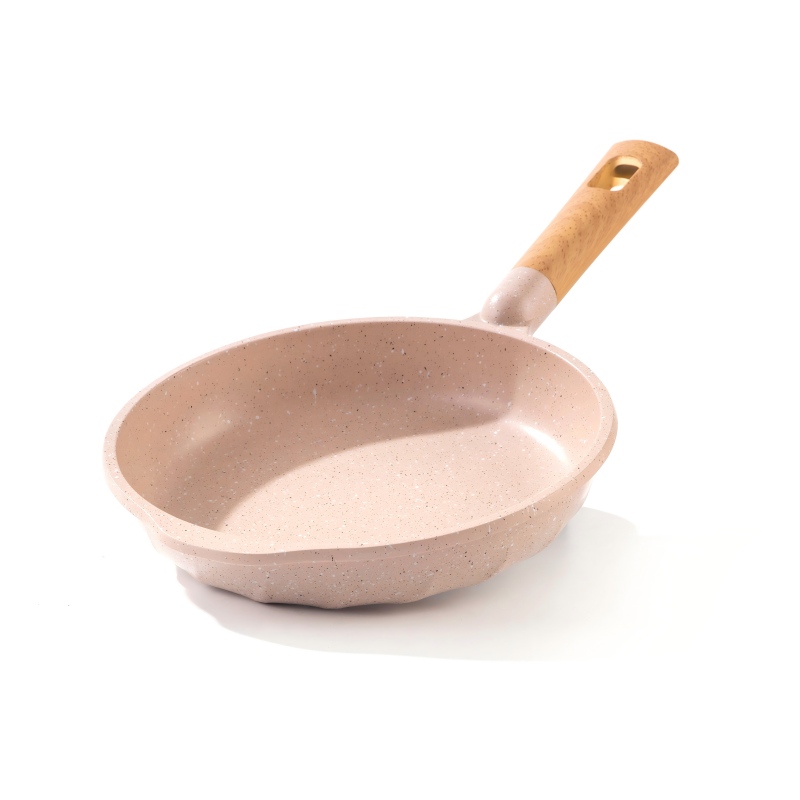
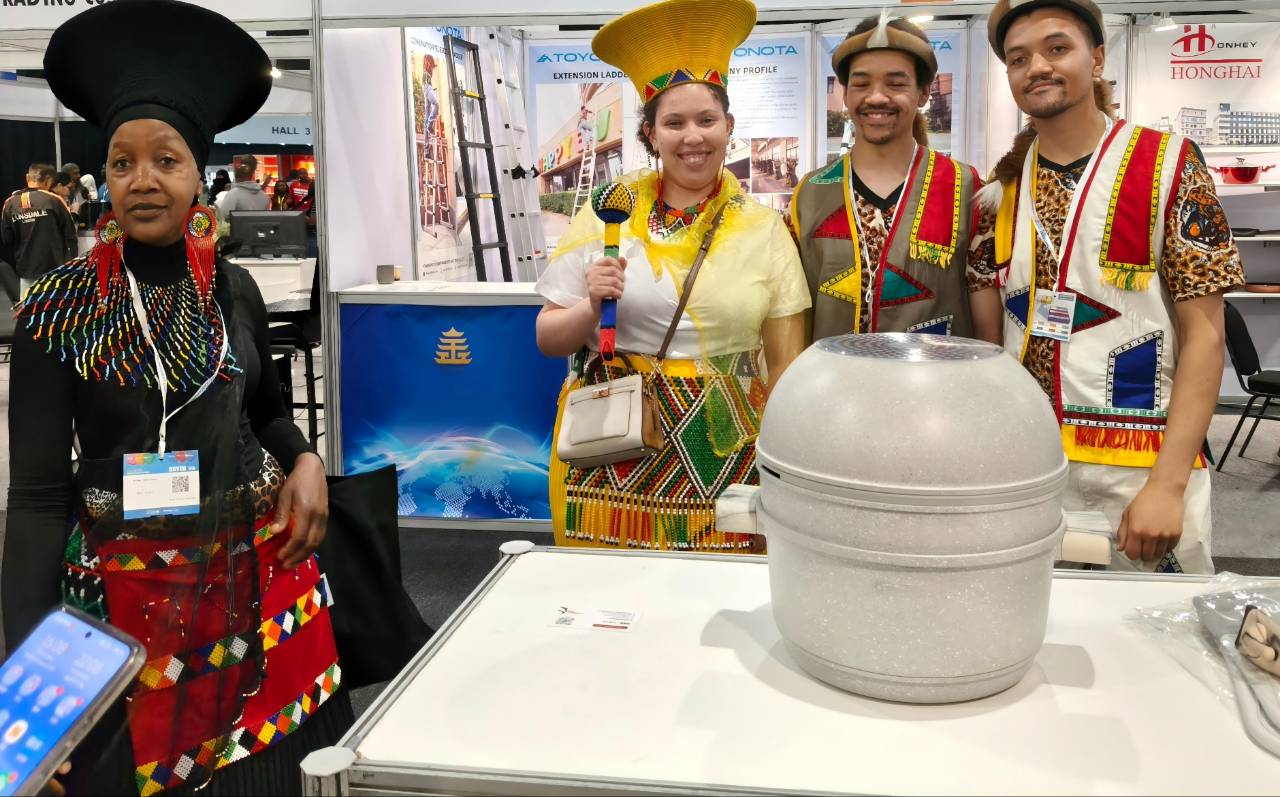
A nonstick pan can make everyday cooking more convenient when its surface, construction, and maintenance requirements match the intended application. It is commonly used for eggs, pancakes, vegetables, fish, and other foods that benefit from easier release. Aluminum bodies are often selected for their relatively light weight and responsive heating, while other constructions may be available depending on the product design. Buyers should not assume that every nonstick pan has the same coating or performance characteristics. Important factors include pan diameter, depth, coating type, handle material, base construction, and compatibility with gas, electric, or induction cooktops. For B2B buyers, product evaluation should also cover packaging, branding options, minimum order quantities, and delivery schedules. Before making a purchasing decision, request the exact specifications and relevant testing documentation from the supplier. Follow the manufacturer's guidance on cooking temperatures, suitable utensils, cleaning, and storage to help maintain the surface. MGCCookware can be explored as a starting point for cookware product options. Retailers, importers, and private label brands should confirm sample availability, customization scope, quality control procedures, and destination market requirements before placing bulk orders. Clear specifications make supplier quotations easier to compare and help buyers select nonstick pans that fit their intended customers.
25
Aug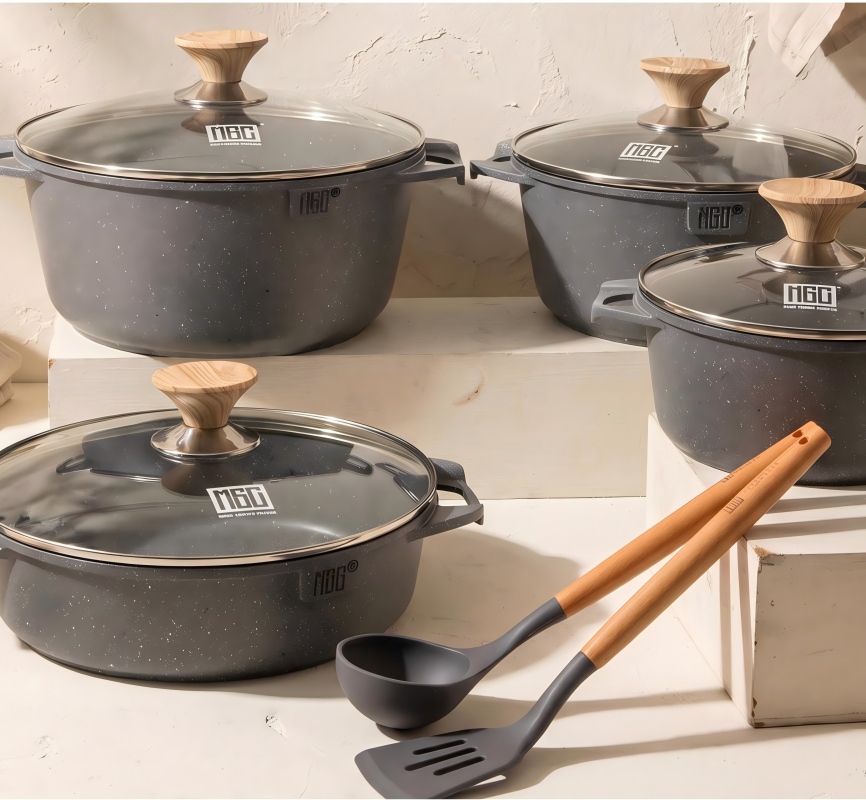
18
Sep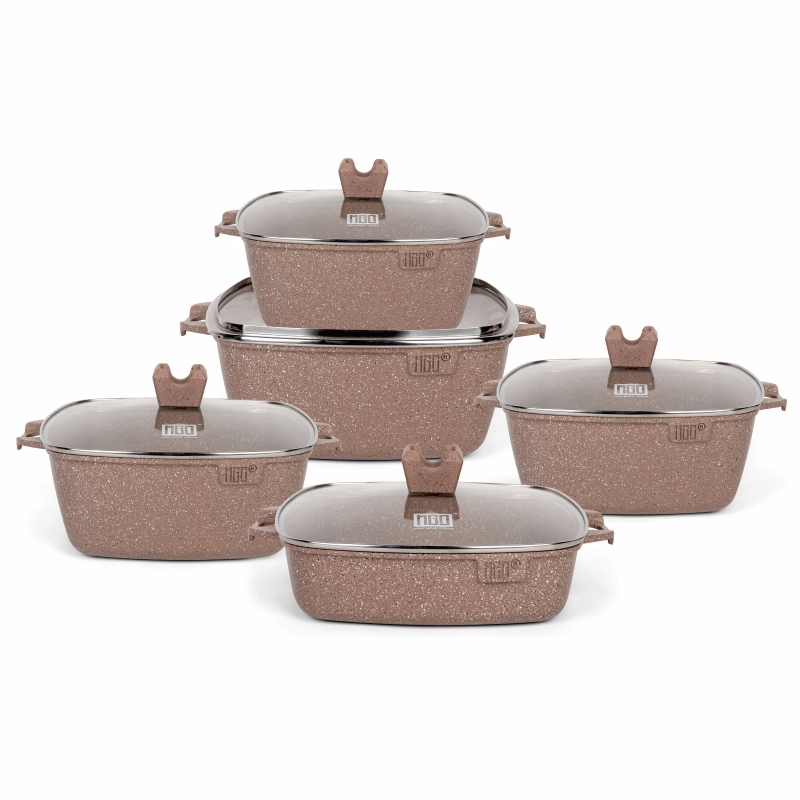
18
Sep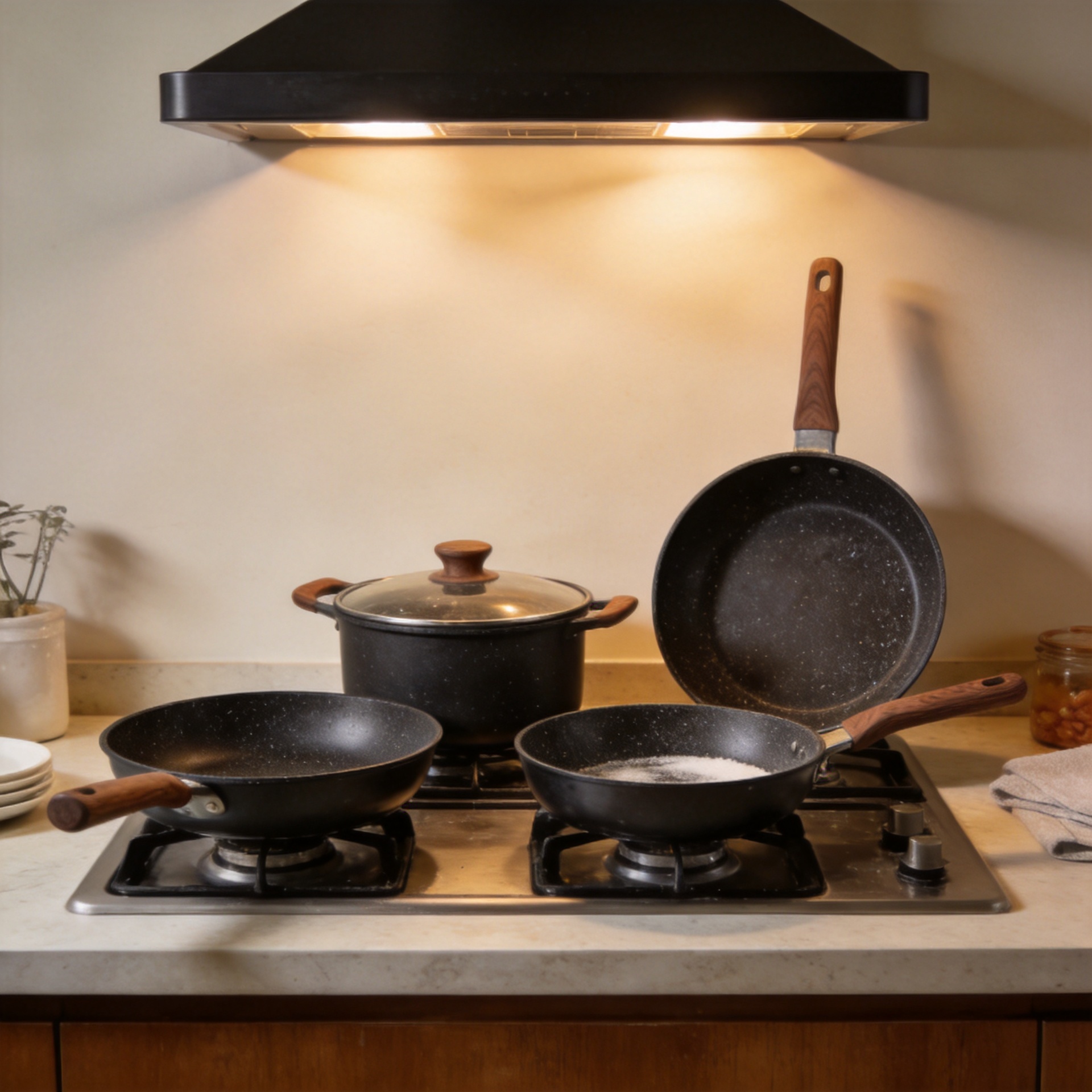
18
Sep