Pan China Sourcing Guide: 5 Key Steps for B2B Buyers

Get up to 35% off + Free shipping Shop now

Call Us:+86-579-86903988

Buyer Insights on Pan China Cookware Sourcing

Buyer Insights on Pan China Cookware Sourcing

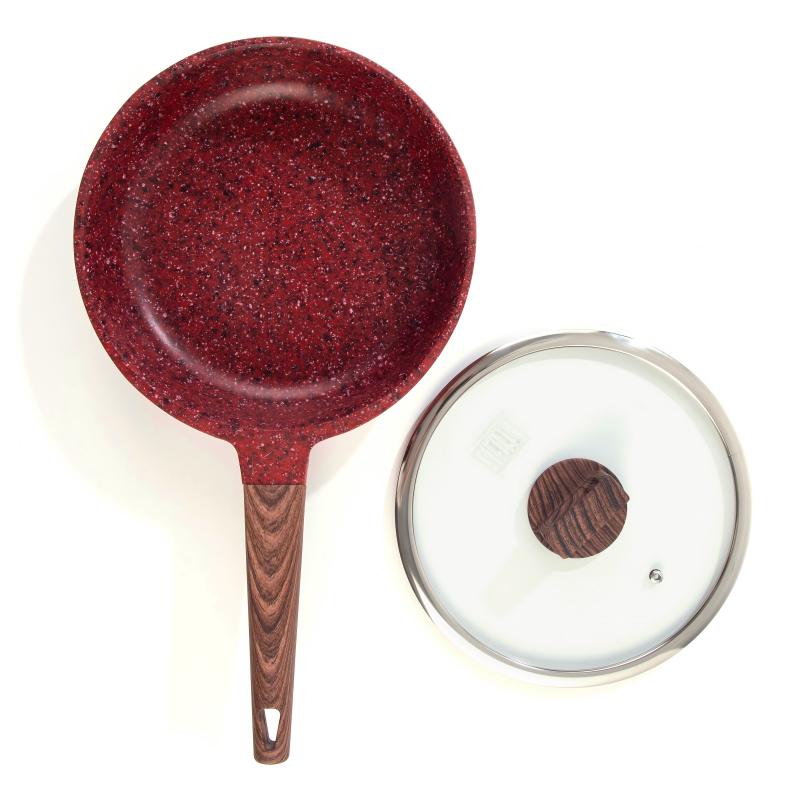
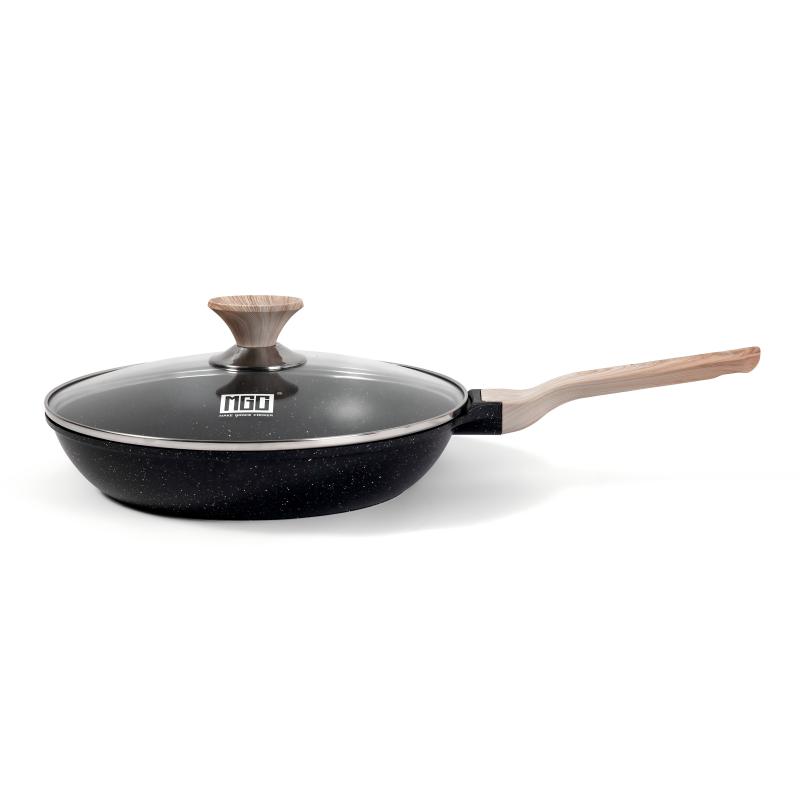
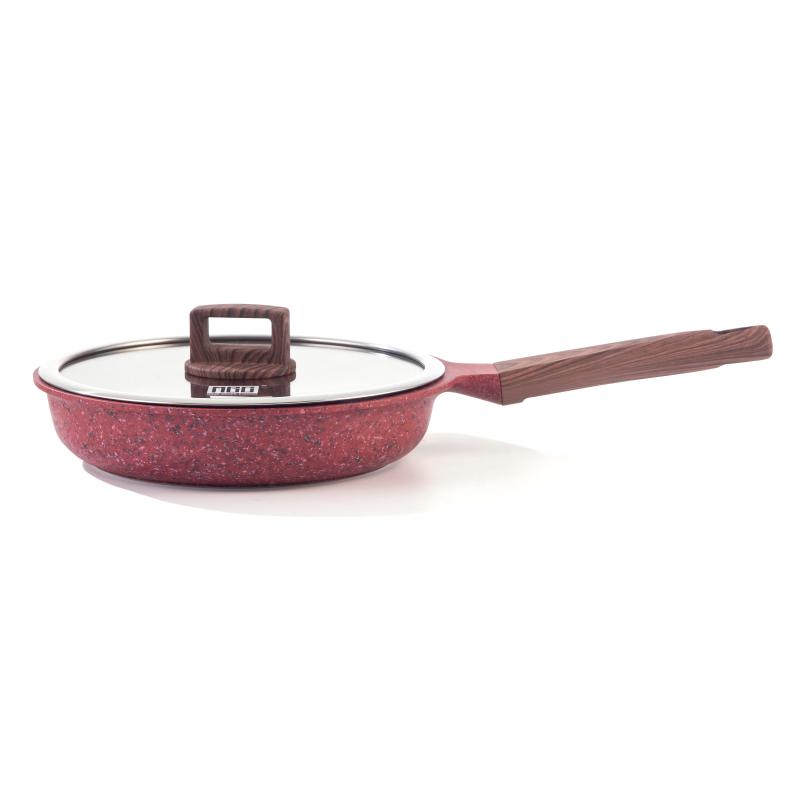
China is an important sourcing destination for cookware buyers seeking a broad selection of pans for retail, wholesale, and private label projects. Buyers can compare aluminum, stainless steel, and coated cookware according to cooking performance, durability, appearance, and target price range. Product options may include frying pans, saucepans, sauté pans, and coordinated cookware collections for different kitchen needs. When evaluating a pan supplier in China, professional buyers should review material specifications, coating requirements, handle construction, compatibility with cooking surfaces, and packaging options. Clear communication helps reduce misunderstandings during sampling and production planning. For importers, distributors, and cookware brands, a structured sourcing process supports more consistent product selection and helps align cookware specifications with customer expectations.
Get A Quote

Case Study

Retail Cookware Collection Development

A kitchenware retailer planning to expand its cookware category may need several pan styles to serve different customer preferences. The buyer can compare nonstick frying pans for everyday cooking, stainless steel pans for versatile kitchen use, and larger sauté pans for family meals. When sourcing from China, defining the required diameters, materials, handle designs, and packaging specifications helps organize the product selection process. Sample evaluation can help the retailer assess weight, balance, surface finish, and ease of cleaning before confirming an order. By coordinating product specifications across the collection, the buyer can create a more consistent assortment while offering different price points and functions. This approach also makes future product updates easier to plan.

Private Label Pan Product Launch

A cookware brand preparing to launch a private label pan range needs products that match its positioning and customer expectations. The sourcing team begins by identifying the target market, preferred pan sizes, coating type, handle style, and packaging design. Working with a Chinese cookware supplier can provide opportunities to evaluate different product configurations and discuss customization requirements. Before mass production, the buyer should confirm samples, artwork, product specifications, quality criteria, and applicable compliance requirements for the destination market. A detailed approval process helps align the final product with the brand's plans. It also supports clearer communication between the buyer, supplier, packaging team, and logistics partners throughout order preparation.

Wholesale Cookware Distribution

A cookware distributor supplying kitchenware shops and online sellers may require multiple pan models in commercially practical quantities. Its assortment could include compact frying pans, medium everyday pans, and larger options for family cooking. When sourcing pans from China, the distributor should compare product specifications, order quantities, carton dimensions, packaging protection, and replenishment arrangements. Reviewing samples and confirming written requirements before production can help reduce inconsistencies between product expectations and delivered goods. The distributor should also consider how each pan fits its sales channels, customer price range, and storage capacity. A well-organized sourcing plan makes it easier to manage different models and coordinate inventory for seasonal demand or ongoing retail sales.

Related products

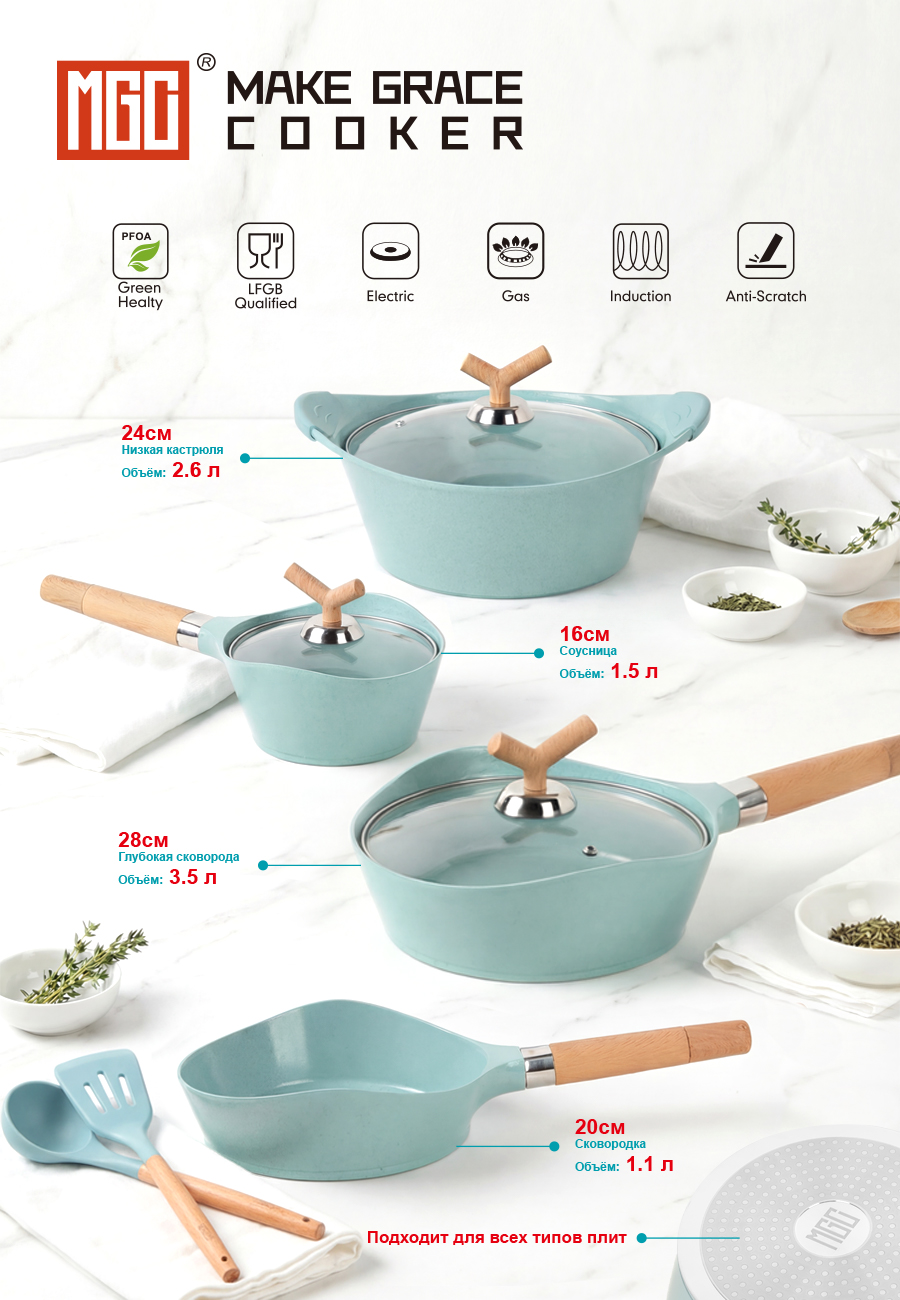
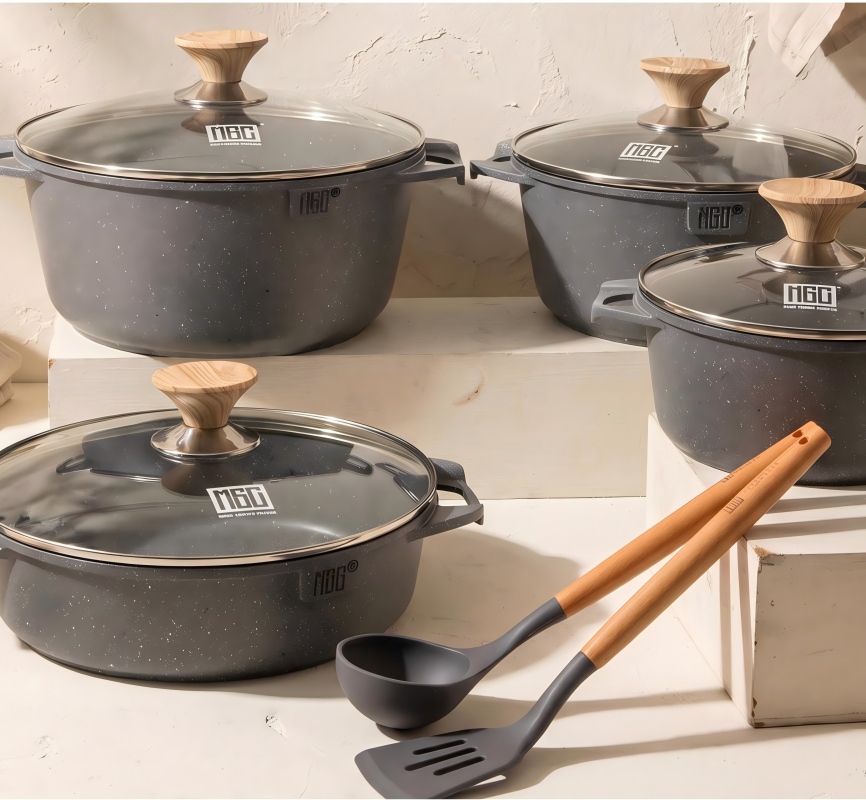
Choosing the right pan depends on the intended cooking method, material preference, and customer requirements. Nonstick frying pans are commonly selected for eggs, pancakes, and other foods that benefit from easy release and convenient cleaning. Stainless steel pans offer versatility for searing, sautéing, and preparing a wide range of dishes. Aluminum pans are valued for their relatively light weight and heat responsiveness, while induction compatible models need a suitable magnetic base for use on induction cooktops. Buyers sourcing pan products from China should evaluate diameter, depth, base construction, handle attachment, surface finish, and overall weight. For B2B purchasing, the decision should also account for packaging, labeling, target retail price, and market specific requirements. MGCCookware provides a starting point for buyers exploring cookware product options. Before placing an order, confirm the exact product specifications, sample availability, customization scope, minimum order quantity, production schedule, and relevant testing documentation directly with the supplier. These checks help buyers compare offers on a consistent basis and choose cookware that aligns with their intended market.

Frequently Asked Questions

What types of pans can buyers source from China?

Buyers can explore frying pans, nonstick pans, stainless steel pans, sauté pans, and other cookware styles. Availability depends on the supplier's product range. Before requesting a quotation, specify the pan type, dimensions, material, coating preference, handle design, and intended cooking surface to receive a more relevant product proposal.
Review the supplier's product range, manufacturing capabilities, communication process, sample options, quality control procedures, and relevant documentation. Request written specifications and evaluate samples before confirming an order. For larger projects, clarify inspection arrangements, production lead times, packaging standards, and how product defects or specification differences will be handled.
Private label possibilities depend on the supplier and product model. Buyers can ask about logo placement, packaging artwork, colors, handle designs, and other available customization options. Confirm minimum order quantities, sample charges, tooling requirements if applicable, and approval procedures before production to ensure the proposed customization fits the project budget.
Confirm the material, pan dimensions, coating, handle construction, base compatibility, packaging, quantity, and delivery schedule. Request an approved sample and written quality requirements. Buyers should also check applicable food contact regulations and testing requirements in the destination market rather than assuming one certification applies to every product or country.
Compare quotations using the same product specifications, order quantity, packaging requirements, customization details, and shipping terms. Check whether the quoted price includes samples, tooling, labeling, or inspection services. A lower unit price may not represent better value if materials, quality standards, or delivery conditions differ significantly between offers.

Related article

New National Agency Established

28

Jul

New National Agency Established

Just launched: exclusive national agency in Kazakhstan with Almaty wholesale center. Streamline distribution, cut logistics costs, and scale market access. Request partnership details now.
View More
New Market Promotion

25

Aug

New Market Promotion

Struggling to demonstrate product value? Face-to-face customer engagement drives 3.2x higher conversion in B2B markets. Discover proven field promotion tactics now.
View More
How to Know If Ceramic Cookware Is Safe and High Quality?

14

Sep

How to Know If Ceramic Cookware Is Safe and High Quality?

Wondering if ceramic cookware is it safe? Learn how to evaluate coating quality, material testing standards, and key quality signals before you buy.
View More
Proper Cleaning Methods to Extend the Life of a Durable Non Stick Pan.

18

Sep

Proper Cleaning Methods to Extend the Life of a Durable Non Stick Pan.

Learn proper cleaning methods to extend your durable non stick pan's life. Right kitchen habits protect the coating and keep food releasing cleanly.
View More

Customer Testimonials

Emily Carter

Comparing pan materials, dimensions, and finishes helps buyers select products for different retail markets. Clear specifications also make product evaluation and assortment planning more efficient.

Daniel Wilson

Buyers preparing private label cookware collections benefit from confirming product requirements early. Discussing pan sizes, coating preferences, packaging, and target markets helps create a more organized sourcing process.

Get a Free Quote

Our representative will contact you soon.
Email
Mobile/WhatsApp
Name
Company Name
Message
0/1000
Broad Pan Styles for Multiple Markets

Broad Pan Styles for Multiple Markets

Cookware buyers often need different pan styles to serve households, retail chains, distributors, and private label brands. A product selection may include nonstick frying pans, stainless steel options, and pans in several diameters or depths. Comparing these choices helps buyers match cooking functions with customer preferences and target price points. When sourcing from China, provide clear specifications for each model and confirm which variations the supplier can offer. Consistent product information makes it easier to compare samples, plan assortments, and prepare product listings. Buyers should verify availability and customization options directly before finalizing a collection, especially when several models need coordinated packaging or branding.
Clear Specifications for Better Purchasing

Clear Specifications for Better Purchasing

Effective cookware sourcing begins with clearly defined requirements. Buyers should document pan diameter, body material, coating type, base construction, handle material, weight, packaging, and any required testing. These details help suppliers understand the requested product and prepare quotations that can be compared fairly. For a pan China sourcing project, sample approval is especially useful because it allows buyers to assess product appearance, handling, and construction before confirming bulk production. Written specifications also provide a reference for quality checks and order communication. By resolving important details early, importers and cookware brands can reduce avoidable confusion and manage product development more efficiently.