Nonstick Pan B2B Guide: Specs, Sourcing & ROI Tips

Get up to 35% off + Free shipping Shop now

Call Us:+86-579-86903988

Buyer Insights on Nonstick Pan Selection

Buyer Insights on Nonstick Pan Selection

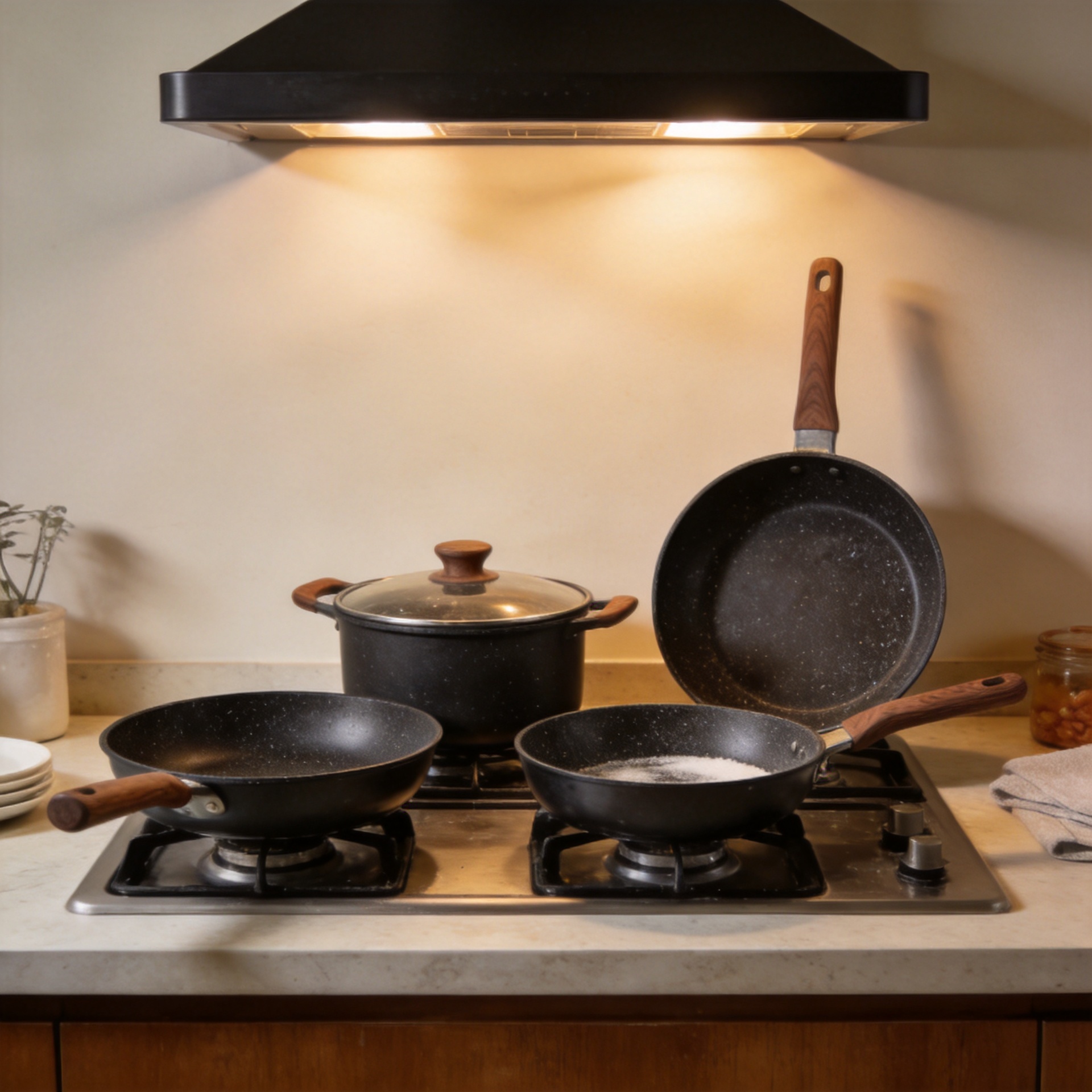
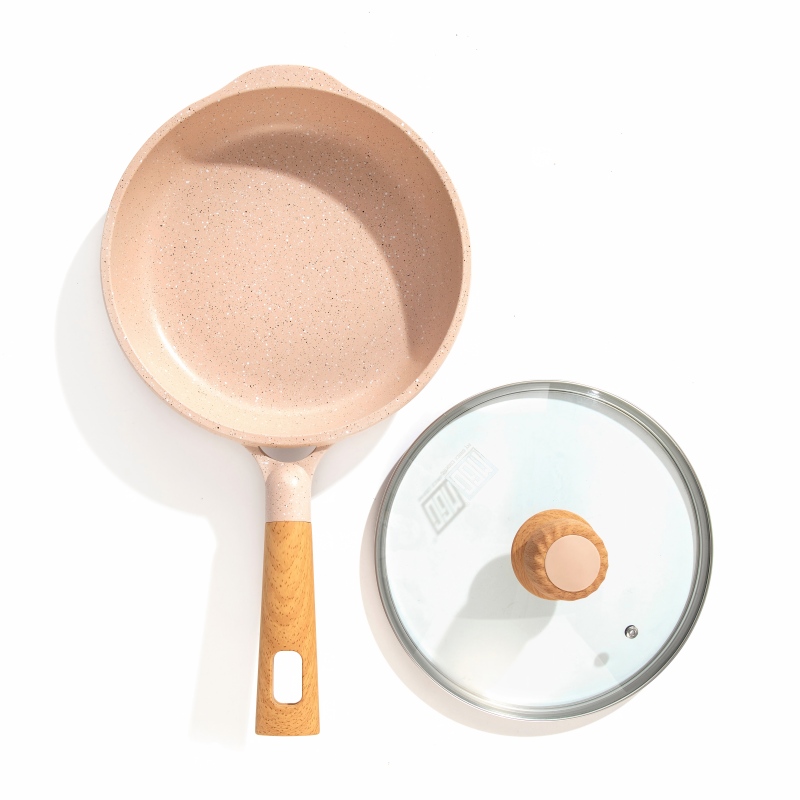
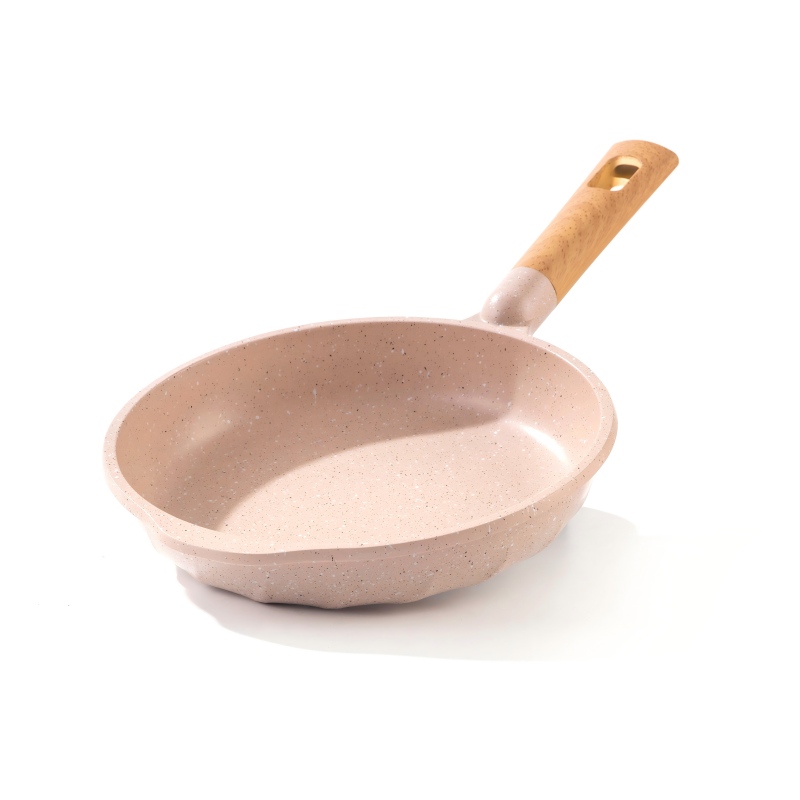
A nonstick pan is a practical cookware option for preparing foods that can easily stick to traditional cooking surfaces. Eggs, pancakes, fish, and delicate ingredients are common applications because a suitable nonstick surface can support easier food release and simpler cleanup. For cookware brands, retailers, and distributors, nonstick pans are available in different diameters, depths, handle styles, and body materials to suit a range of customer preferences. Buyers should evaluate coating specifications, heat distribution, handle construction, compatibility with cooking surfaces, and maintenance instructions before selecting a product. For B2B purchasing, consistent specifications and sample evaluation are particularly important. These steps help businesses compare available models, plan their assortments, and choose products that align with their target markets and expected quality standards.
Get A Quote

Case Study

Everyday Kitchen Cookware Selection

A kitchenware retailer wants to expand its cookware range with nonstick pans designed for common household cooking tasks. The purchasing team considers several diameters to accommodate individual portions, family breakfasts, and everyday meal preparation. Before selecting products, the team evaluates surface quality, pan weight, handle comfort, and cleaning requirements. It also checks whether the products are compatible with the cooking appliances commonly used by its customers. Reviewing samples and comparing written specifications helps the retailer distinguish between available models and avoid relying on appearance alone. The final assortment can include options for different budgets and cooking preferences. Accurate product descriptions and care instructions then help customers understand the appropriate uses and maintenance requirements of each pan.

Private Label Nonstick Cookware

A cookware brand plans to introduce a private label nonstick pan collection for online and retail sales. Its team first defines the target customer, pan sizes, body materials, coating requirements, handle design, and packaging preferences. Potential suppliers are asked to provide detailed specifications and samples for evaluation. The buyer checks construction, surface finish, handling, and compatibility with the intended cooking surfaces before approving a model. Logo placement, packaging artwork, quality criteria, minimum order quantities, and production schedules should also be confirmed in writing. This preparation helps coordinate product development and purchasing activities. It also gives the brand a clearer basis for reviewing production samples and checking whether the delivered products match the approved specifications.

Wholesale Nonstick Pan Distribution

A distributor serving kitchenware stores needs nonstick pans in several sizes to meet different customer requirements. The purchasing team compares product specifications, quotation terms, packaging dimensions, and available order quantities. It considers which models are suitable for everyday cooking and which offer features that help differentiate the assortment. Sample evaluation allows the team to review surface finish, handle attachment, weight, and general construction before placing a larger order. The distributor also confirms labeling, shipping arrangements, lead times, and procedures for handling quality concerns. Maintaining consistent specifications across repeat purchases helps simplify inventory planning and product comparisons. This structured approach supports more organized wholesale purchasing and helps the distributor manage its cookware range.

Related products

A nonstick pan can make everyday cooking more convenient when its surface, construction, and maintenance requirements match the intended application. It is commonly used for eggs, pancakes, vegetables, fish, and other foods that benefit from easier release. Aluminum bodies are often selected for their relatively light weight and responsive heating, while other constructions may be available depending on the product design. Buyers should not assume that every nonstick pan has the same coating or performance characteristics. Important factors include pan diameter, depth, coating type, handle material, base construction, and compatibility with gas, electric, or induction cooktops. For B2B buyers, product evaluation should also cover packaging, branding options, minimum order quantities, and delivery schedules. Before making a purchasing decision, request the exact specifications and relevant testing documentation from the supplier. Follow the manufacturer's guidance on cooking temperatures, suitable utensils, cleaning, and storage to help maintain the surface. MGCCookware can be explored as a starting point for cookware product options. Retailers, importers, and private label brands should confirm sample availability, customization scope, quality control procedures, and destination market requirements before placing bulk orders. Clear specifications make supplier quotations easier to compare and help buyers select nonstick pans that fit their intended customers.

Frequently Asked Questions

What is a nonstick pan used for?

A nonstick pan is commonly used for eggs, pancakes, fish, vegetables, and other foods that may stick to cookware. Its surface can make food release and cleaning easier. The best choice depends on the pan's coating, construction, size, and intended cooking method.
Compare the coating specifications, body material, base construction, handle attachment, weight, and cooking surface compatibility. Request product details and inspect samples when purchasing commercially. Buyers should also review applicable testing documentation, warranty terms, and manufacturer care instructions before deciding whether a product meets their requirements.
Only if the pan has a base designed for induction cooking. A nonstick coating alone does not make cookware induction compatible. Check the manufacturer's specifications for the exact model, and verify compatibility before purchasing, especially when sourcing several pan styles for a retail or wholesale collection.
Follow the manufacturer's care instructions for temperature limits, cleaning, and suitable utensils. Avoid overheating an empty pan, and use utensils recommended for its surface. Allow cookware to cool appropriately before cleaning, and avoid abrasive tools if they may damage the coating. Proper care helps maintain usability.
Confirm dimensions, body material, coating details, handle design, induction compatibility if needed, packaging, order quantities, and lead times. Request samples and written specifications before production. Buyers should also verify applicable food contact requirements and testing documents for the destination market instead of assuming all products meet the same standards.

Related article

New Market Promotion

25

Aug

New Market Promotion

Struggling to demonstrate product value? Face-to-face customer engagement drives 3.2x higher conversion in B2B markets. Discover proven field promotion tactics now.
View More
Proper Cleaning Methods to Extend the Life of a Durable Non Stick Pan.

18

Sep

Proper Cleaning Methods to Extend the Life of a Durable Non Stick Pan.

Learn proper cleaning methods to extend your durable non stick pan's life. Right kitchen habits protect the coating and keep food releasing cleanly.
View More
Proper Cleaning Methods to Extend the Life of a Durable Non Stick Pan.

18

Sep

Proper Cleaning Methods to Extend the Life of a Durable Non Stick Pan.

Learn proper cleaning methods to extend your durable non stick pan's life. Right kitchen habits protect the coating and keep food releasing cleanly.
View More
How to Extend the Lifespan of Your Cookware Through Proper Use?

18

Sep

How to Extend the Lifespan of Your Cookware Through Proper Use?

Learn how to extend the lifespan of your cookware through proper use, smart cooking habits, cleaning methods, and everyday kitchen care tips.
View More

Customer Testimonials

Emily Carter

Comparing nonstick pan surfaces, sizes, and handle designs helps buyers select products for different cooking needs. Clear specifications support more efficient product evaluation and purchasing decisions.

Daniel Wilson

Reviewing samples and confirming product requirements early helps cookware buyers coordinate packaging, product selection, and quality expectations for retail and private label collections.

Get a Free Quote

Our representative will contact you soon.
Email
Mobile/WhatsApp
Name
Company Name
Message
0/1000
Designed for Convenient Everyday Cooking

Designed for Convenient Everyday Cooking

Nonstick pans are valued for applications where easy food release and convenient cleaning matter. They can be suitable for preparing eggs, pancakes, fish, and other delicate foods when used according to the manufacturer's instructions. For retailers and distributors, selecting the right assortment means comparing pan sizes, coating specifications, body materials, handle designs, and cooking surface compatibility. These details help distinguish products with different functions and price positions. Clear product descriptions should explain verified features and provide accurate care instructions. By evaluating the intended application alongside product specifications, buyers can select cookware that better matches customer expectations and supports a more useful retail assortment.
Product Specifications for Informed Purchasing

Product Specifications for Informed Purchasing

Clear specifications help buyers compare nonstick pans on a consistent basis. Important details include the pan's diameter, depth, body material, coating type, handle construction, base design, and compatible cooktops. Sample evaluation provides an opportunity to check appearance, handling, and construction before a commercial order is confirmed. Buyers should also request relevant testing documentation and verify applicable requirements in their destination markets. For private label projects, written confirmation of branding, packaging, and quality criteria can help reduce misunderstandings. This careful approach gives purchasing teams a stronger basis for supplier evaluation and helps ensure that ordered products match the approved specifications.