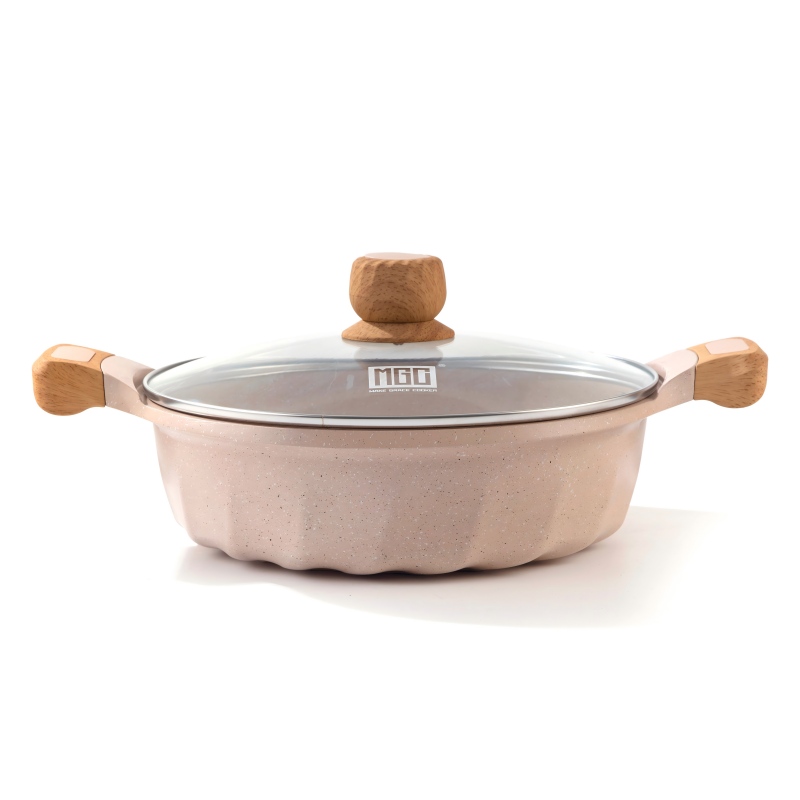
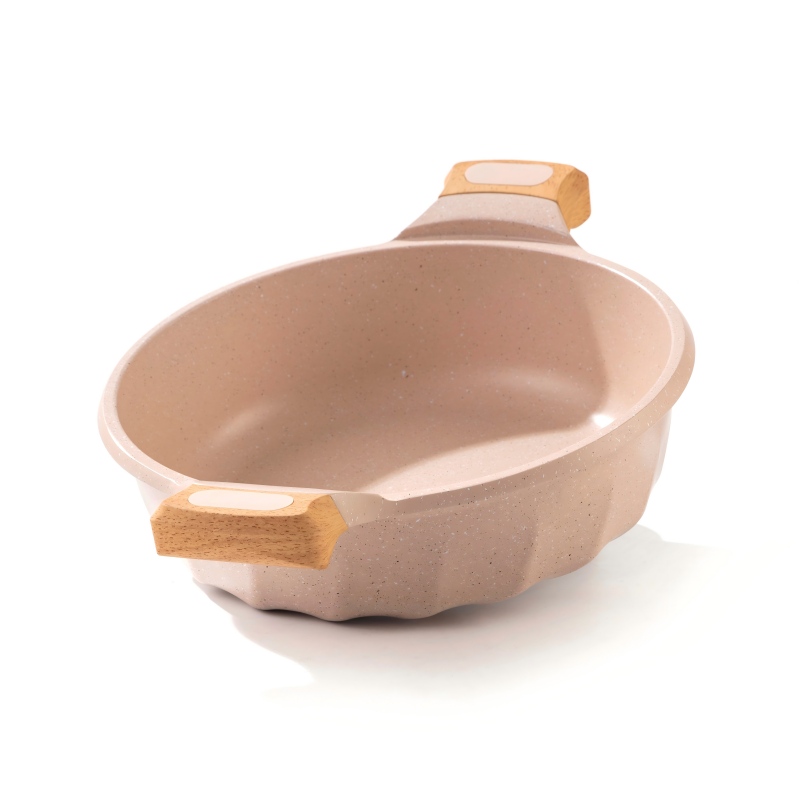
OEM Die Cast Cookware: Custom Aluminum Solutions for Brands

Get up to 35% off + Free shipping Shop now

Call Us:+86-579-86903988

Buyer Experiences with OEM Die Cast Cookware

Buyer Experiences with OEM Die Cast Cookware

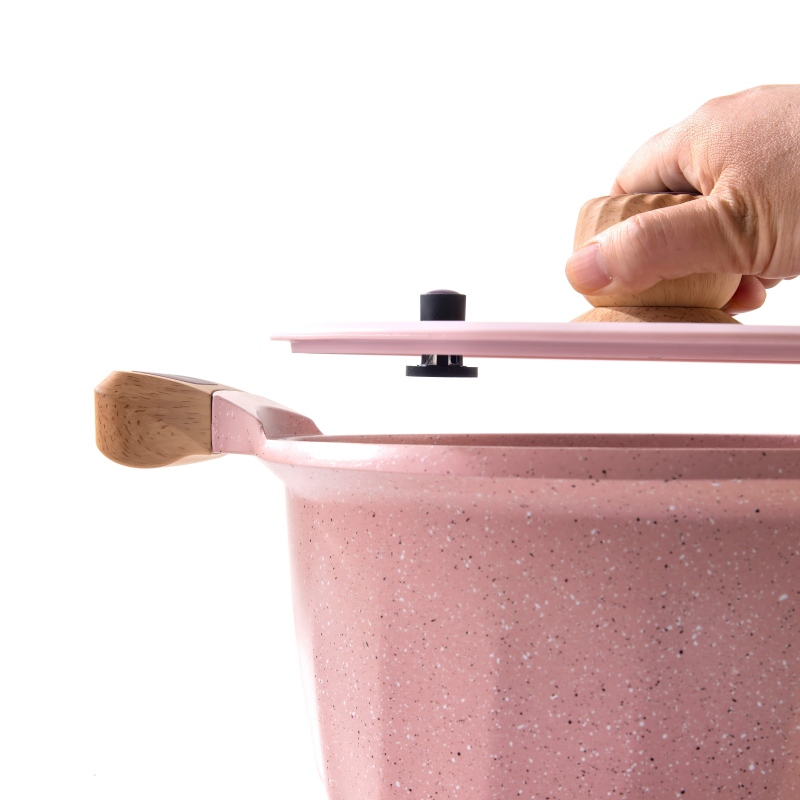
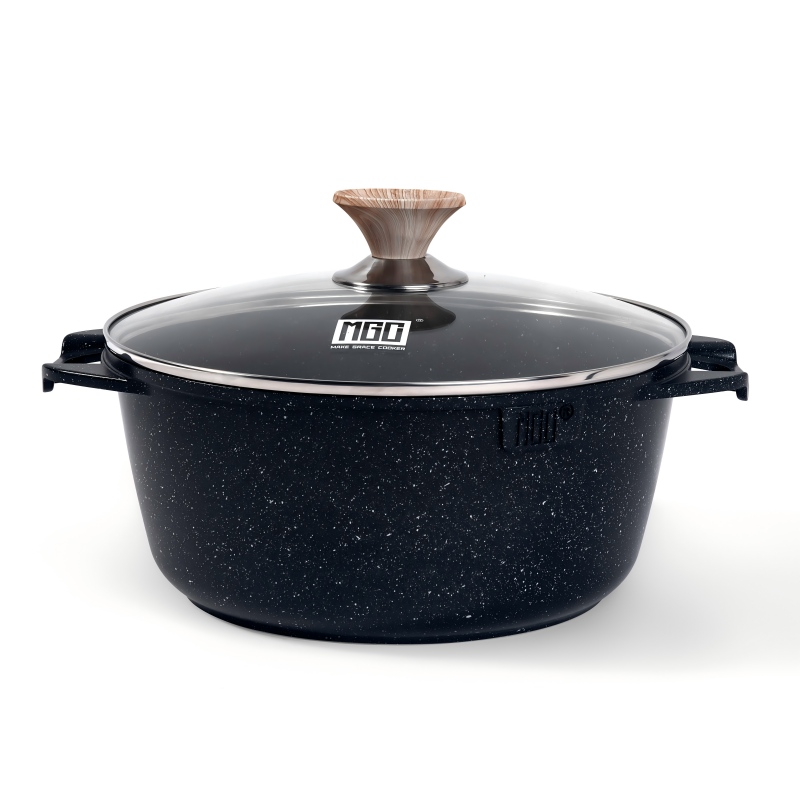
OEM die cast cookware helps brands, importers, and retailers develop products aligned with their market positioning and customer requirements. Buyers can explore options involving cookware shapes, dimensions, surface finishes, handle designs, and private label packaging. Die casting allows manufacturers to form defined product geometries, while aluminum offers efficient heat conduction for many everyday cooking applications. Product performance depends on alloy selection, wall thickness, base construction, and coating specifications. MGCCookware provides a starting point for businesses exploring cookware sourcing and product development opportunities. By confirming technical requirements, quality expectations, and branding details before production, buyers can establish a clearer procurement process and build a cookware assortment suited to their distribution strategy.
Get A Quote

Case Study

Developing a Private Label Cookware Collection

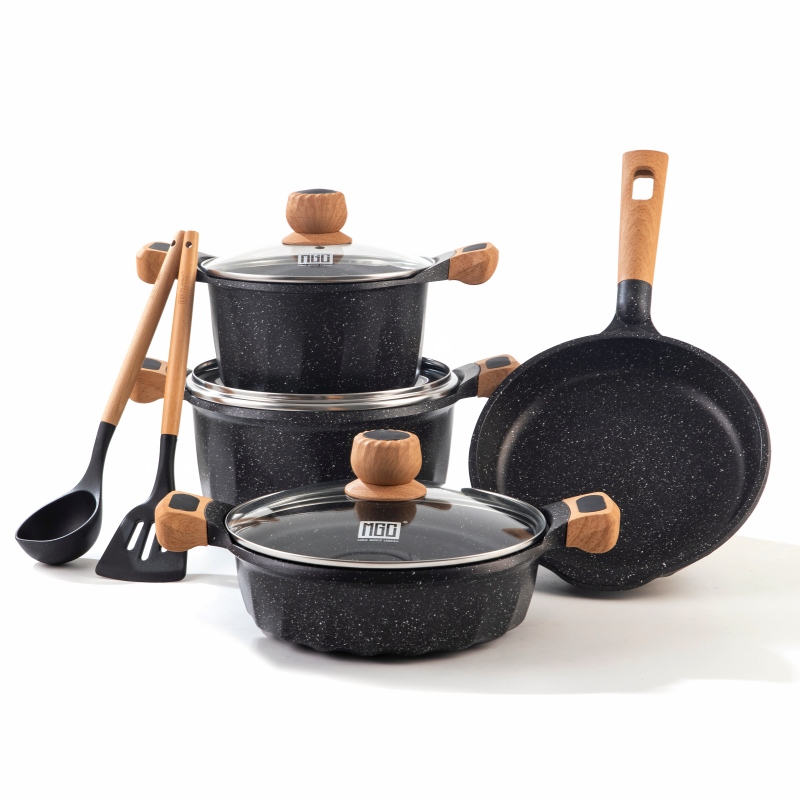
A kitchenware brand wanted to introduce a private label cookware collection with coordinated styling and practical cooking features. Its purchasing team evaluated die cast frying pans and saucepans, comparing dimensions, surface finishes, handle designs, and packaging options. The team also considered how product specifications would fit the brand's target customers and retail price positioning. For example, a coordinated range could include multiple pan sizes with consistent exterior finishes and branded packaging. Sample reviews helped identify design details requiring clarification before bulk production. A structured OEM process can help brands communicate expectations, review product suitability, and prepare a more consistent assortment for their intended sales channels.

Customizing Cookware for Retail Distribution

A cookware distributor wanted to differentiate its product offering from standard market assortments. OEM die cast cookware provided an opportunity to explore selected design features, branding elements, and packaging configurations. The distributor defined its target customer group before reviewing product dimensions, handle construction, coating requirements, and compatible cooking surfaces. For instance, a retailer targeting family households might prioritize larger cooking surfaces and coordinated product sets. Before confirming an order, the buyer should assess samples, production specifications, inspection criteria, and delivery expectations. Clear communication between the buyer and manufacturer helps reduce misunderstandings and supports alignment between the intended product design and the final order.

Building a Consistent International Supply Program

An importer supplying several retail channels needed cookware products with clearly documented specifications and consistent branding. Its sourcing team evaluated OEM die cast cookware according to material requirements, surface treatment, packaging, and destination market compliance. A practical program could include frying pans and deeper cooking vessels designed around a shared visual identity. Before production, the importer reviewed samples and confirmed key dimensions, labeling details, and inspection procedures. Actual production capacity and lead times would need confirmation with the selected supplier. This structured approach helps buyers coordinate product development, purchasing schedules, and quality expectations while preparing cookware collections for international distribution.

Related products

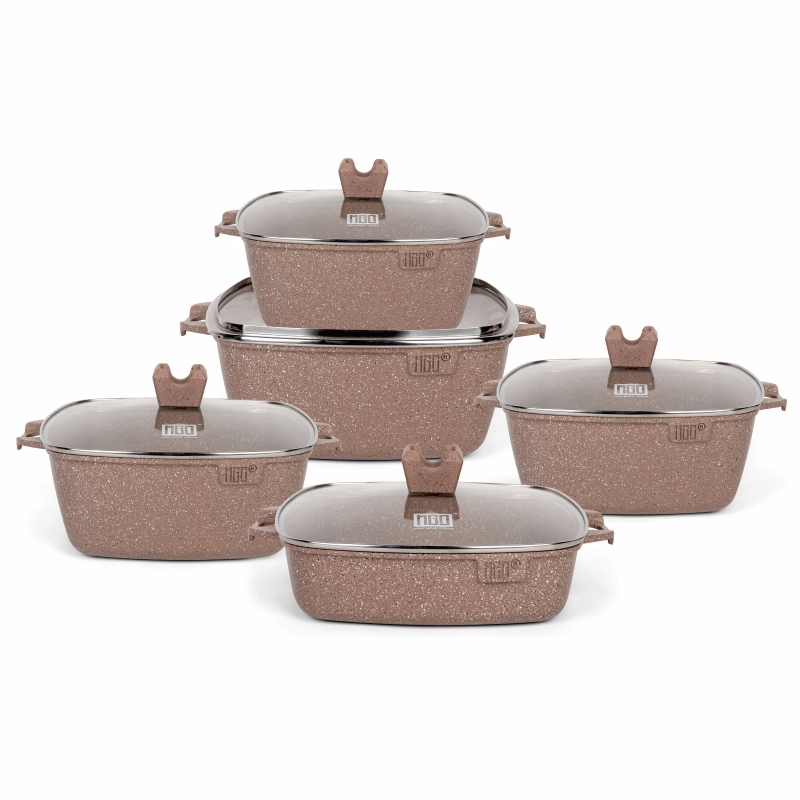
OEM die cast cookware enables brands, wholesalers, and retailers to develop cookware products under their own branding. The process typically involves confirming product requirements, reviewing available designs, finalizing specifications, and approving samples before mass production. Die cast aluminum cookware can support varied body shapes and dimensions, while aluminum's thermal conductivity makes it suitable for many everyday cooking applications. Buyers may explore product configurations involving frying pans, saucepans, casseroles, handle styles, exterior finishes, and surface coatings, subject to manufacturing capabilities. MGCCookware offers a starting point for businesses exploring cookware products for international markets. For example, a kitchenware brand may request coordinated product designs, customized packaging, and private label presentation to strengthen its retail identity. Successful OEM sourcing requires more than selecting an attractive appearance. Importers should confirm material specifications, coating requirements, product tolerances, quality inspection procedures, packaging standards, and applicable food contact regulations. Buyers should also clarify minimum order quantities, tooling requirements where applicable, production lead times, and sample approval procedures. By documenting these details before production, businesses can establish clearer expectations and evaluate whether a proposed OEM cookware program aligns with their budget, target customers, and long term product strategy.

Frequently Asked Questions

What customization options are available for OEM die cast cookware?

Depending on manufacturing capabilities, buyers may customize cookware dimensions, shapes, exterior finishes, handle designs, coatings, logos, and retail packaging. Requirements should be documented before sampling. Confirming design feasibility, material specifications, and target market expectations helps ensure that the proposed product meets commercial and technical requirements.
Buyers should provide the product type, preferred material, dimensions, surface treatment, estimated order quantity, branding requirements, and destination market. Drawings or reference samples can clarify expectations. Tooling needs, packaging specifications, testing requirements, and delivery schedules should also be discussed when requesting a detailed quotation.
Private label branding may include logos, branded packaging, product labels, and coordinated visual designs, depending on supplier capabilities. Buyers should confirm available printing or marking methods, artwork requirements, and approval procedures. Reviewing a branded sample before production helps verify presentation and reduce avoidable packaging errors.
Buyers should establish written product specifications, sample approval criteria, inspection procedures, and acceptable quality limits before production. Relevant checks may cover dimensions, surface finish, coating consistency, handle assembly, and packaging. Preproduction confirmation and final inspections help identify deviations before goods are shipped.
Costs depend on product dimensions, aluminum specifications, tooling requirements, coating options, customization, order quantity, packaging, and shipping arrangements. New molds may increase initial investment, while existing designs may reduce development requirements. Buyers should request itemized quotations to compare production costs and total procurement expenses.

Related article

How to Choose the Right Cookware Set Material for Better Cooking Results?

14

Sep

How to Choose the Right Cookware Set Material for Better Cooking Results?

Discover how to choose the right cookware set material — aluminum, stainless steel, or non-stick — to match your cooking style and improve results.
View More
How to Choose the Right Pan Size for Different Cooking Needs?

14

Sep

How to Choose the Right Pan Size for Different Cooking Needs?

Find the right pan size for your kitchen. Covers key criteria — from cooking portions to frying techniques — to help you choose smarter.
View More
How to Choose the Best Cookware for Different Cooking Methods?

18

Sep

How to Choose the Best Cookware for Different Cooking Methods?

Discover how to match cookware to your cooking methods. A practical guide covering materials, heat needs, and kitchen tools for every cooking style.
View More
Proper Cleaning Methods to Extend the Life of a Durable Non Stick Pan.

18

Sep

Proper Cleaning Methods to Extend the Life of a Durable Non Stick Pan.

Learn proper cleaning methods to extend your durable non stick pan's life. Right kitchen habits protect the coating and keep food releasing cleanly.
View More

Customer Testimonials

Daniel Miller

Our private label cookware range offers flexibility in product selection and branding. Clear specifications and coordinated designs help us build a consistent collection for our target market.

Emily Carter

OEM cookware sourcing helps us align product features, packaging, and branding with customer expectations. Reviewing samples before bulk production supports better purchasing decisions and product consistency.

Get a Free Quote

Our representative will contact you soon.
Email
Mobile/WhatsApp
Name
Company Name
Message
0/1000
Customization That Supports Brand Differentiation

Customization That Supports Brand Differentiation

OEM die cast cookware gives brands an opportunity to develop products that reflect their visual identity and target market requirements. Depending on available manufacturing processes, buyers can explore coordinated exterior finishes, handle designs, product dimensions, surface treatments, and branded packaging. For example, a retailer targeting contemporary home kitchens may prefer minimalist styling and coordinated frying pans, saucepans, and casseroles. A distributor serving value focused customers may prioritize practical configurations and cost effective packaging. Every customization decision should be assessed against manufacturing feasibility, expected order volume, and budget. Approving samples and documenting specifications before production helps businesses establish consistent expectations for their cookware collections.
Structured OEM Production and Quality Planning

Structured OEM Production and Quality Planning

Successful OEM cookware projects depend on clear specifications and coordinated production planning. Buyers should confirm product dimensions, material requirements, coating details, handle construction, packaging, and destination market compliance before approving production. For example, an importer launching a private label frying pan may establish inspection criteria for surface appearance, dimensions, handle attachment, and retail packaging. Sample approval provides an opportunity to identify design issues before bulk manufacturing begins. Production schedules and inspection arrangements should be agreed upon with the supplier rather than assumed. MGCCookware provides a starting point for businesses evaluating cookware sourcing opportunities. A structured process helps purchasing teams manage expectations and prepare products for their intended sales channels.