EN


New Market Promotion
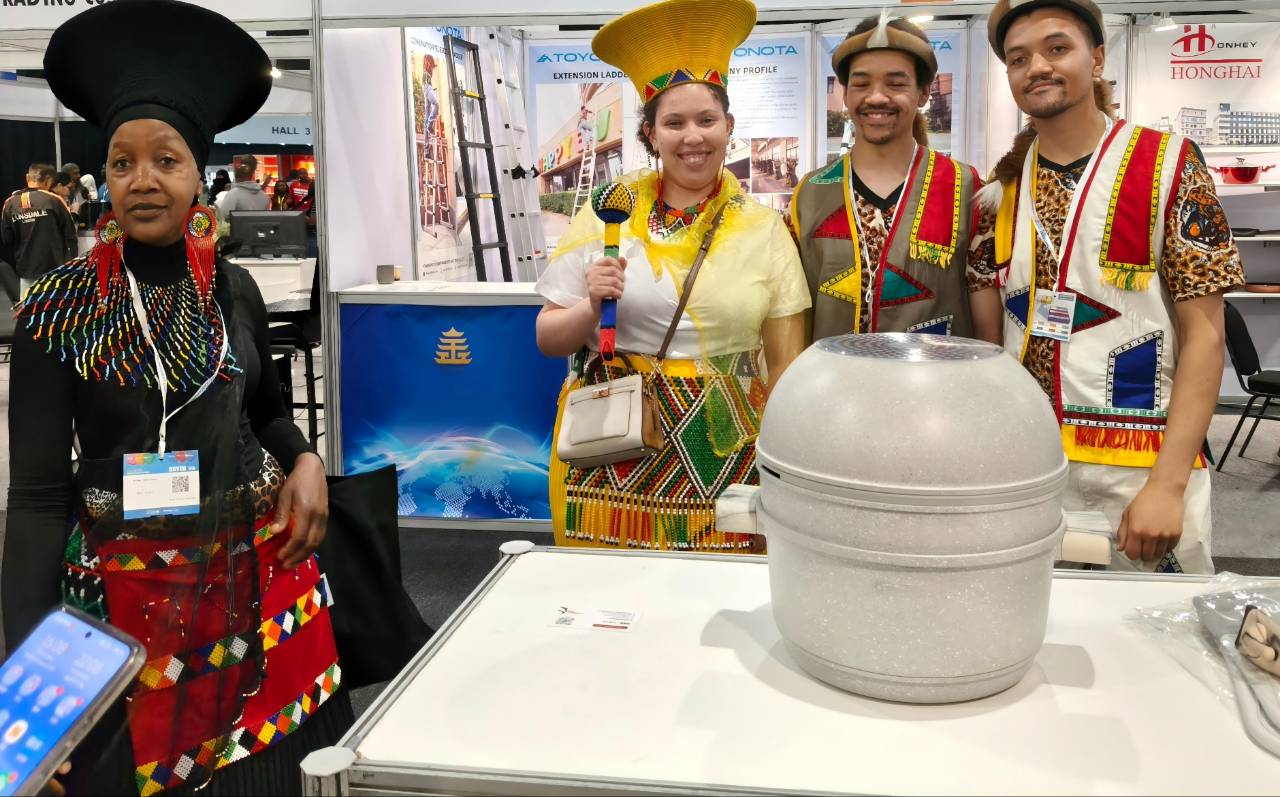
Struggling to demonstrate product value? Face-to-face customer engagement drives 3.2x higher conversion in B2B markets. Discover proven field promotion tactics now.
View More
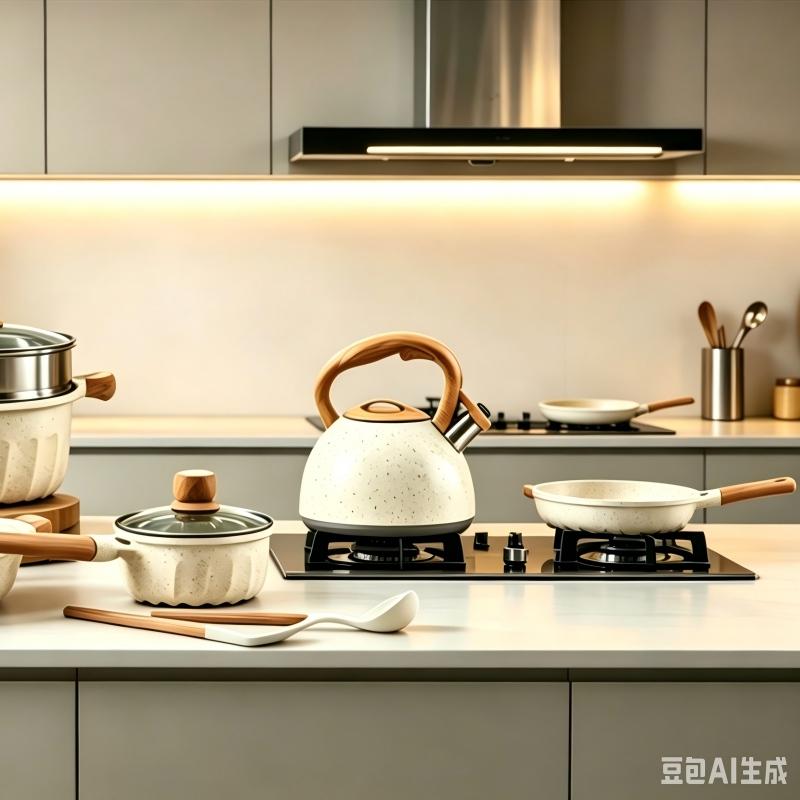
Aluminum die cast cookware is produced by forming molten aluminum inside a mold, allowing manufacturers to create defined shapes and consistent product dimensions. This process can support distinctive body profiles, integrated structural features, and contemporary cookware designs. Aluminum conducts heat efficiently, making it useful for cookware intended for frying, sautéing, and simmering. Actual performance depends on the alloy, base construction, wall thickness, and overall product design. Surface treatments and nonstick coatings may provide additional benefits, depending on the intended application and care requirements. MGCCookware offers cookware solutions for buyers evaluating products for retail and international distribution. For example, kitchenware distributors can develop coordinated collections featuring frying pans, saucepans, and casseroles in multiple sizes. Before purchasing, buyers should review sample quality, material specifications, coating durability, handle construction, packaging, and stovetop compatibility. Induction use requires a suitable magnetic base or compatible construction. Importers should also confirm applicable food contact requirements and product testing documentation for their target markets. A structured evaluation process helps businesses compare products according to cooking needs, price positioning, and customer expectations. By considering these practical factors, buyers can select aluminum die cast cookware that supports a coherent product range and a more informed purchasing decision.
25
Aug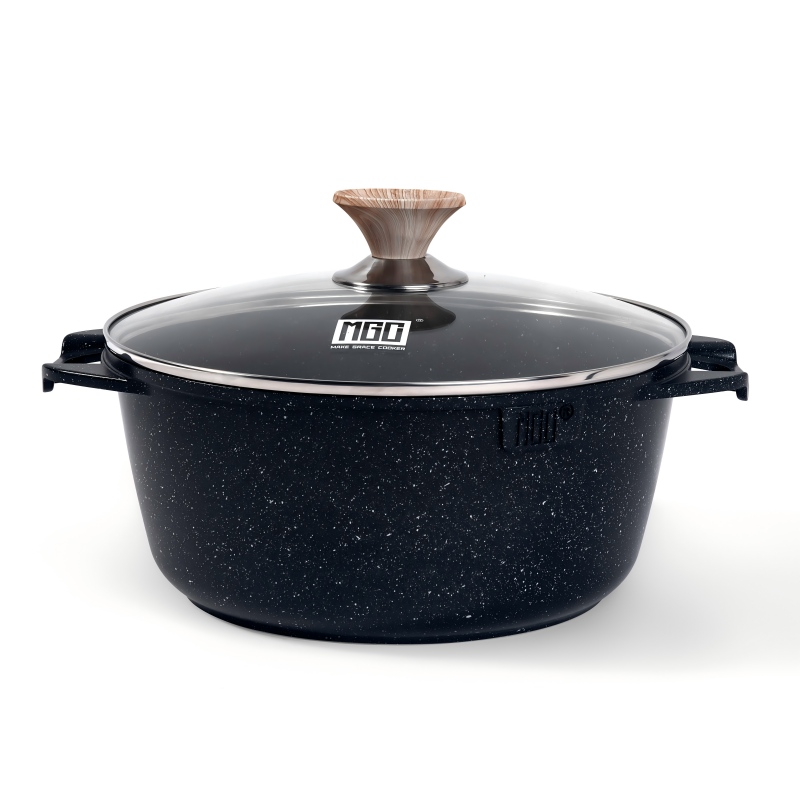
14
Sep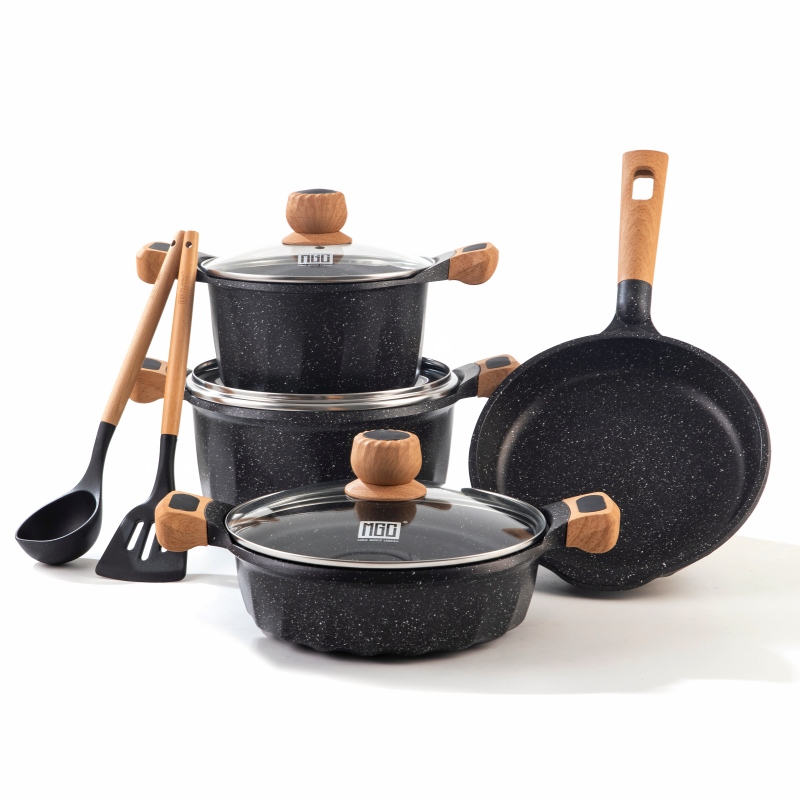
18
Sep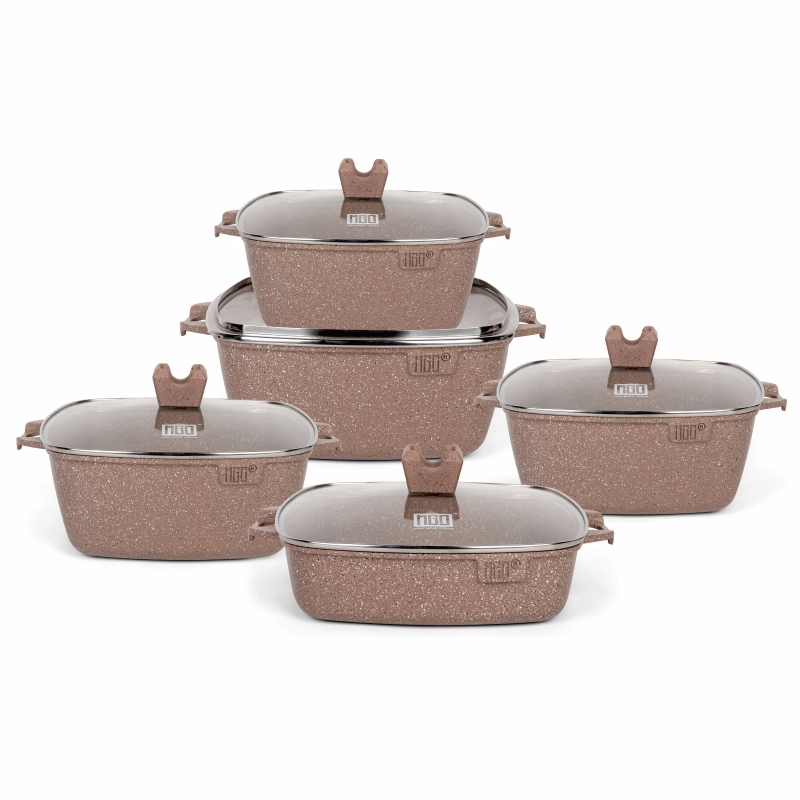
18
Sep