EN


New Product Development
Struggling to sustain market relevance? Our proven 5-step new product development framework helps B2B teams launch winning solutions faster. Get the playbook now.
View More
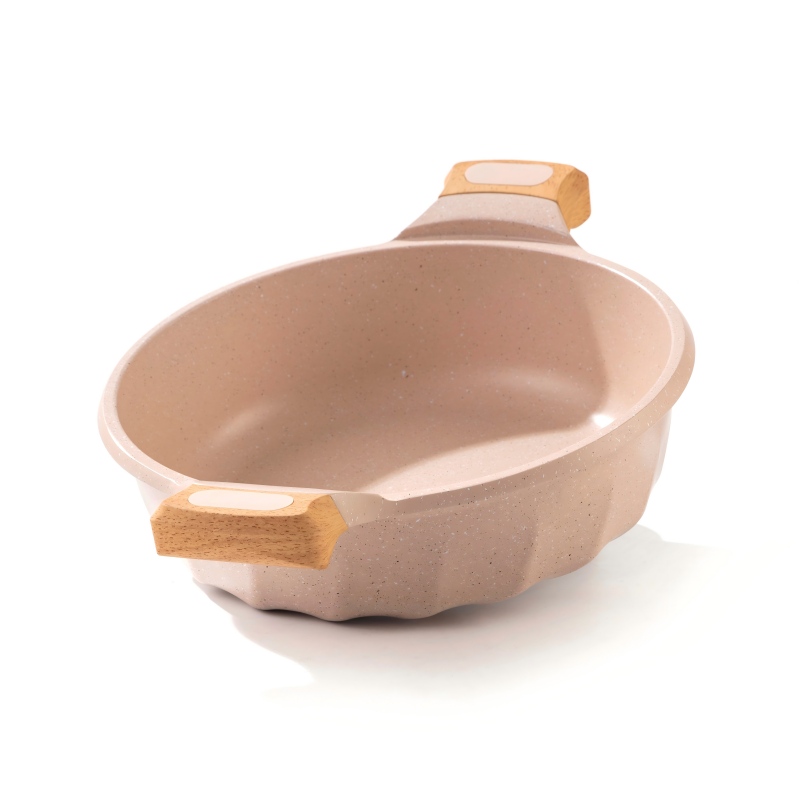
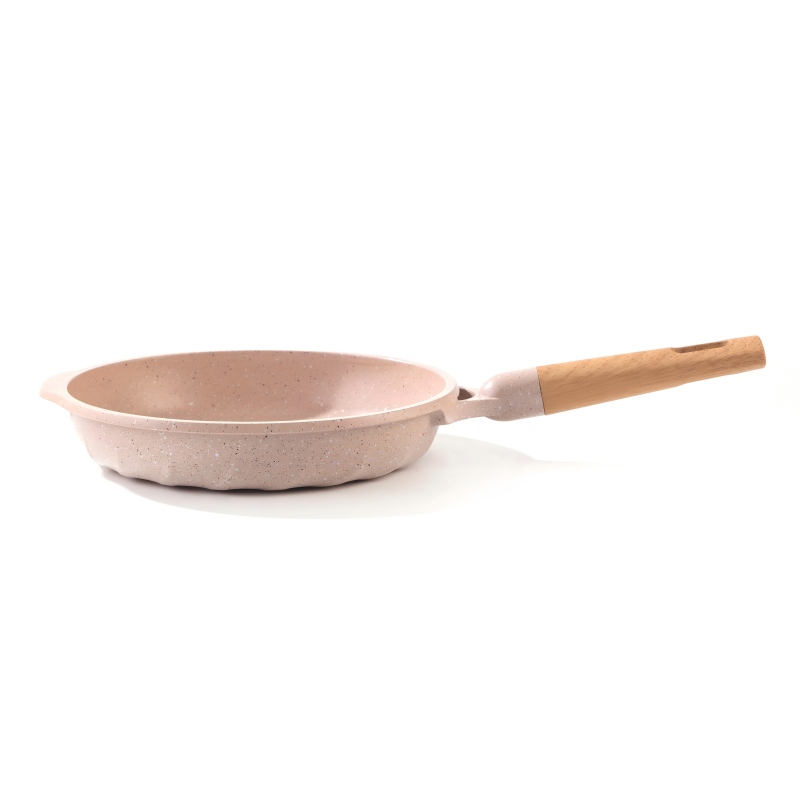
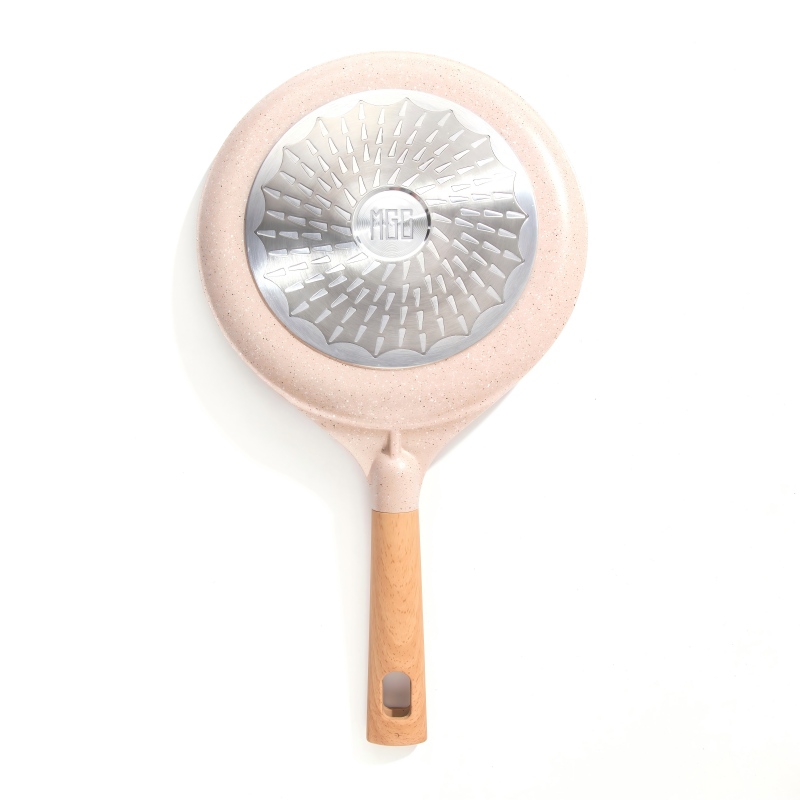
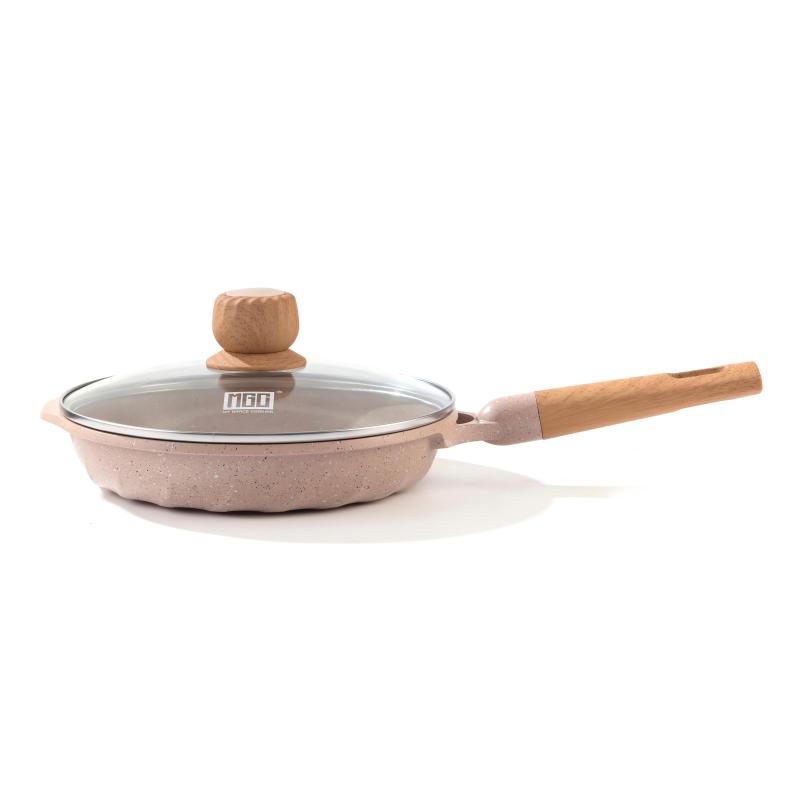
Die cast aluminum cookware is produced by shaping aluminum into a defined body through a casting process. Aluminum is popular in cookware because it is relatively lightweight and transfers heat efficiently, making it suitable for frying pans, sauté pans, and saucepans. The finished product's performance and safety depend on more than the base material. Surface treatment, coating quality, handle construction, manufacturing controls, and intended use all matter. Some models feature nonstick coatings that can simplify food release and cleaning. However, coatings vary in composition and temperature limits, so users should follow the manufacturer's instructions and avoid overheating empty nonstick pans. Uncoated aluminum may react with acidic or salty ingredients, especially during prolonged cooking or storage. Buyers should also verify induction compatibility, oven safety, and dishwasher suitability because these features differ between models. For B2B buyers, MGCCookware can be explored when evaluating cookware products and potential customization options. Importers and retailers should request material specifications, coating information, relevant food contact documentation, and applicable test reports for their destination markets. Reviewing samples helps assess finish quality, dimensions, handle attachment, and overall construction. Confirm product availability, customization capabilities, packaging, and order terms directly with the supplier before purchasing. Clear documentation supports informed sourcing and accurate customer communication.

25
Aug
25
Aug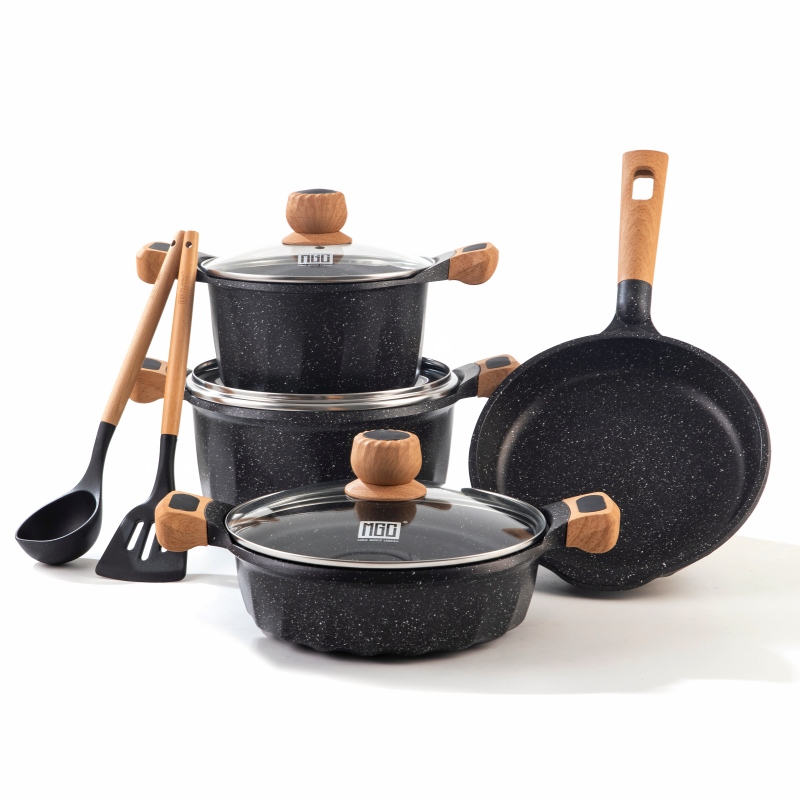
18
Sep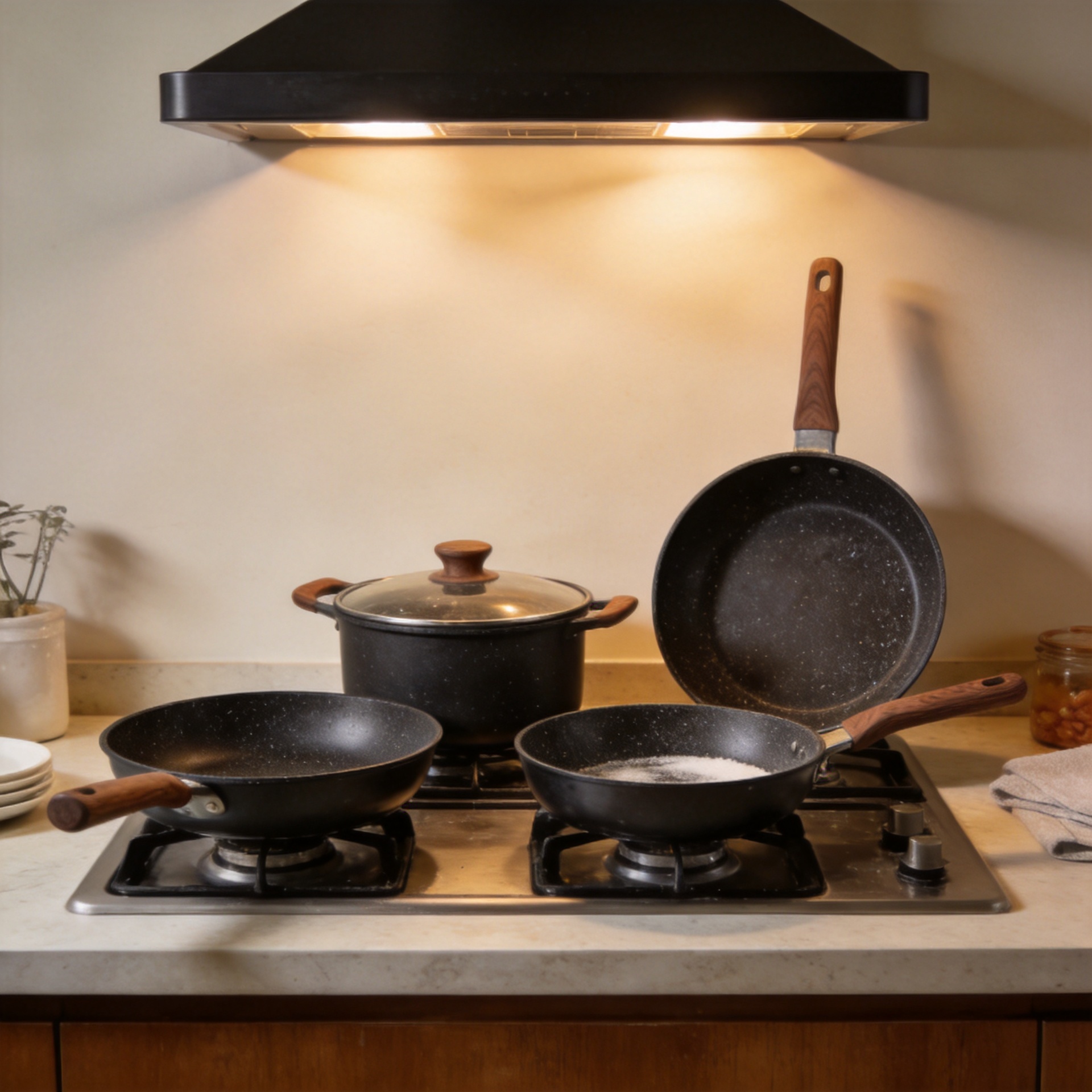
18
Sep