Is Die Cast Aluminum Cookware Safe? B2B Safety Guide

Get up to 35% off + Free shipping Shop now

Call Us:+86-579-86903988

What Buyers Need to Know About Cookware Safety

What Buyers Need to Know About Cookware Safety

Die cast aluminum cookware can be safe for everyday cooking when manufactured for food contact and used according to the manufacturer's instructions. Aluminum transfers heat efficiently, making it useful for preparing vegetables, eggs, meat, and other daily meals. Safety depends on material quality, surface treatment, coating condition, and temperature control. Uncoated aluminum may react with acidic or salty foods, especially during prolonged cooking or storage. A suitable, intact coating can reduce direct contact between food and the aluminum body. Buyers should verify the product's material specifications, coating details, and applicable food contact documentation before purchase. For importers and retailers, MGCCookware offers a starting point for exploring cookware options and discussing product requirements for international markets.
Get A Quote

Case Study

Preparing Everyday Family Meals

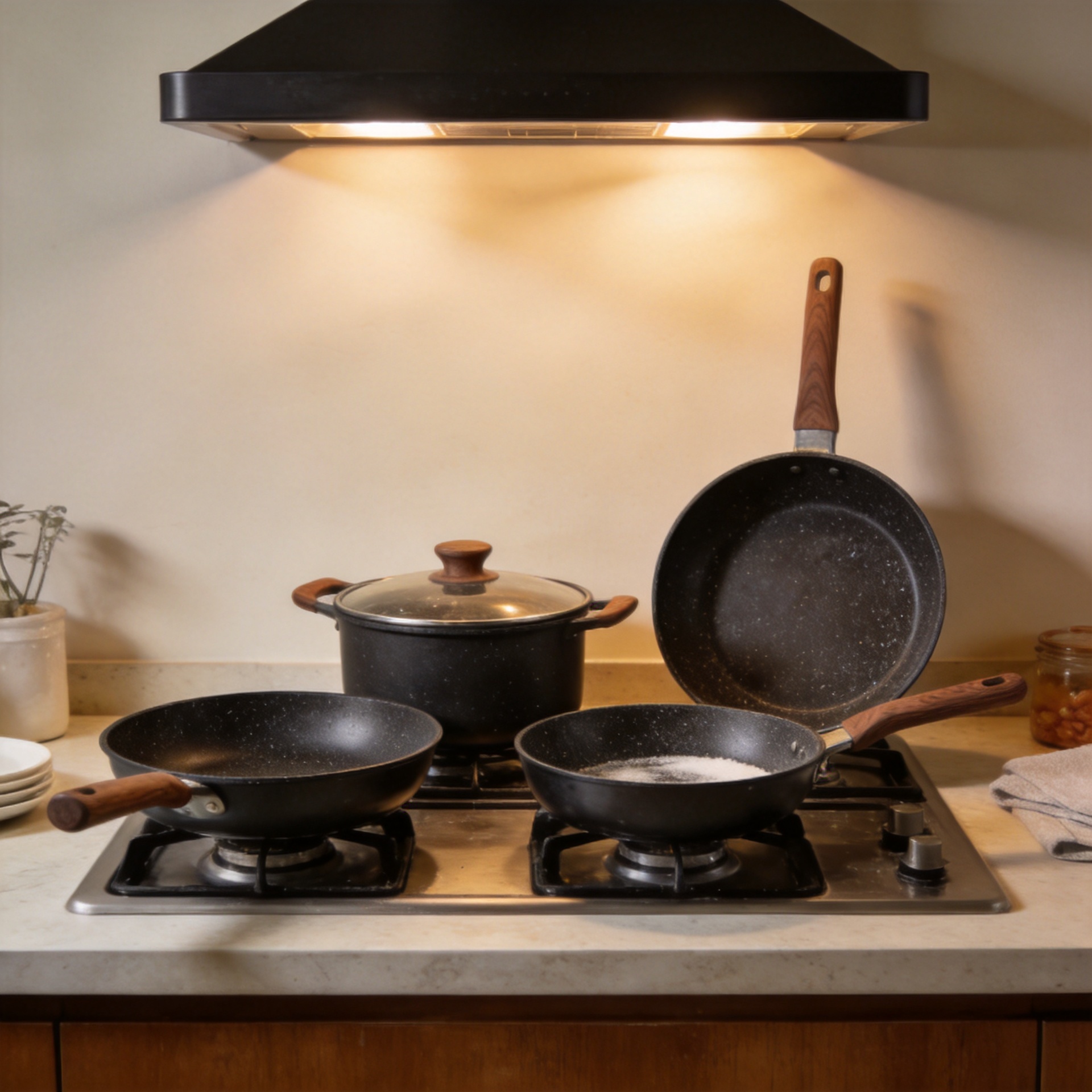
Die cast aluminum pans can be practical for preparing breakfast, sautéing vegetables, and cooking quick family meals. Their aluminum bodies transfer heat efficiently, while suitable nonstick coatings may support easier food release. For example, a household preparing eggs each morning may value a pan that is easy to handle and clean. Users should avoid overheating an empty nonstick pan, choose appropriate utensils, and follow the manufacturer's care instructions. These steps help maintain the cooking surface and support responsible use. Before purchasing, consumers should confirm that the specific product is intended for food preparation and suitable for their preferred cooking methods.

Cooking Acidic Foods Carefully

Acidic ingredients such as tomatoes and citrus can react with exposed aluminum under certain cooking conditions. This may affect food flavor and increase aluminum transfer, particularly during prolonged cooking or storage. For example, people who frequently prepare tomato based sauces should check whether their cookware is suitable for acidic recipes. A suitable, intact coating can reduce direct food contact with the aluminum body. Users should follow product specific instructions and avoid storing acidic foods in cookware unless the manufacturer permits it. Understanding these differences helps households select appropriate cookware for their recipes and everyday kitchen routines.

Evaluating Products for International Markets

Importers and distributors should assess cookware safety documentation before introducing die cast aluminum products to new markets. Important checks include material composition, coating specifications, food contact declarations, and relevant test reports. For example, a retailer preparing a new frying pan collection can request samples and technical documents before confirming a bulk order. These steps help buyers evaluate construction quality and check compliance with destination market requirements. Documentation should apply to the exact model being purchased. Clear specifications also help businesses prepare accurate product listings and provide customers with practical information about intended use, temperature limits, and maintenance.

Related products

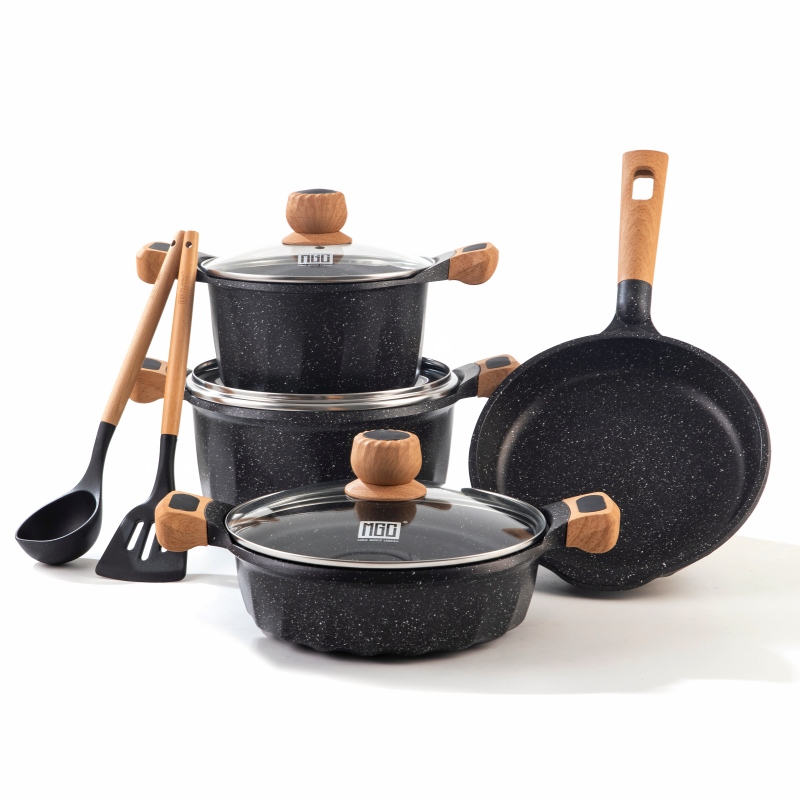
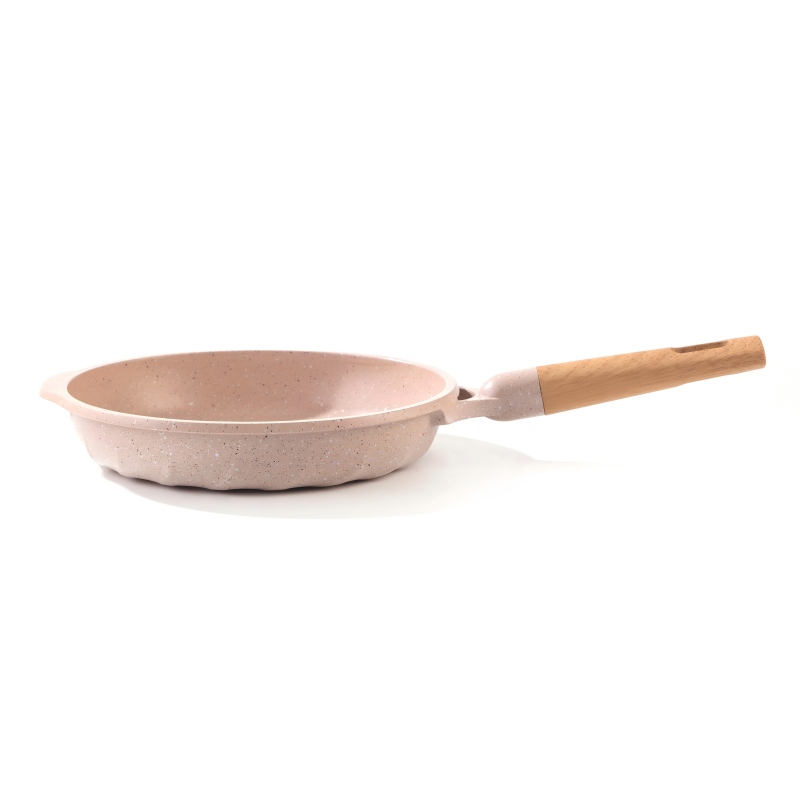
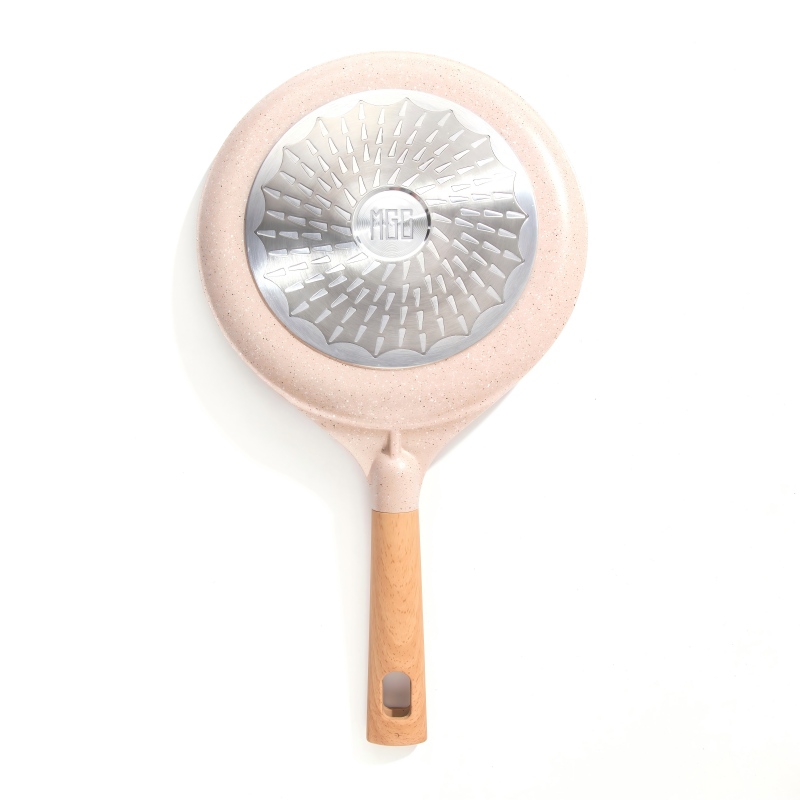
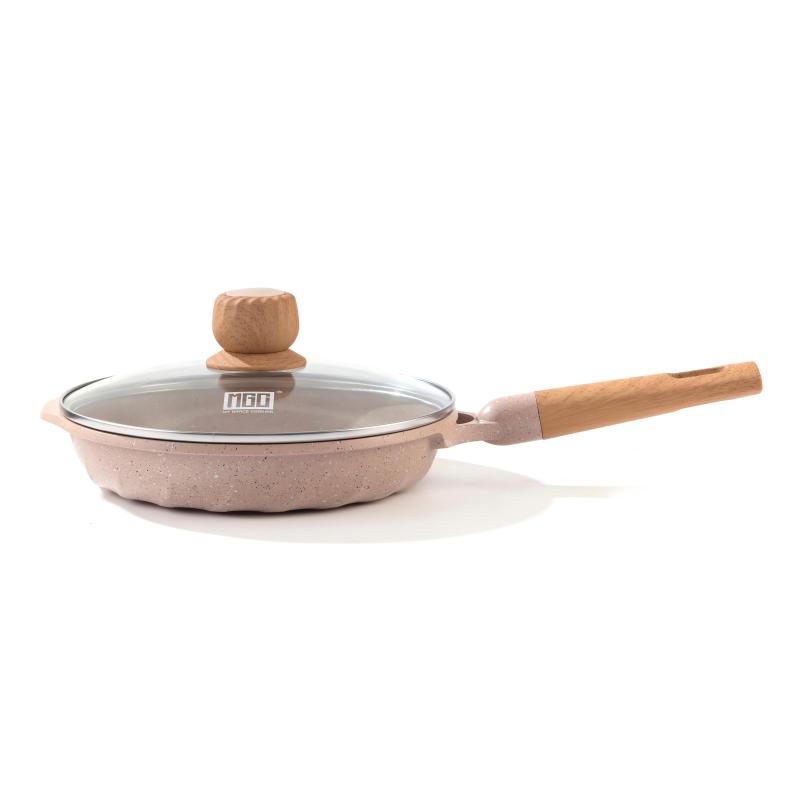
Die cast aluminum cookware is produced by shaping aluminum into a defined body through a casting process. Aluminum is popular in cookware because it is relatively lightweight and transfers heat efficiently, making it suitable for frying pans, sauté pans, and saucepans. The finished product's performance and safety depend on more than the base material. Surface treatment, coating quality, handle construction, manufacturing controls, and intended use all matter. Some models feature nonstick coatings that can simplify food release and cleaning. However, coatings vary in composition and temperature limits, so users should follow the manufacturer's instructions and avoid overheating empty nonstick pans. Uncoated aluminum may react with acidic or salty ingredients, especially during prolonged cooking or storage. Buyers should also verify induction compatibility, oven safety, and dishwasher suitability because these features differ between models. For B2B buyers, MGCCookware can be explored when evaluating cookware products and potential customization options. Importers and retailers should request material specifications, coating information, relevant food contact documentation, and applicable test reports for their destination markets. Reviewing samples helps assess finish quality, dimensions, handle attachment, and overall construction. Confirm product availability, customization capabilities, packaging, and order terms directly with the supplier before purchasing. Clear documentation supports informed sourcing and accurate customer communication.

Frequently Asked Questions

Is die cast aluminum cookware safe for everyday cooking?

It can be safe when manufactured for food contact and used according to the manufacturer's instructions. Safety depends on material quality, surface treatment, and product condition. Check the exact model's specifications and relevant food contact documentation before purchasing or using it.
Uncoated aluminum may react with acidic ingredients such as tomatoes and citrus, particularly during prolonged cooking or storage. This can affect flavor and increase aluminum transfer. A suitable, intact coating can reduce direct contact. Follow the manufacturer's guidance for acidic recipes and food storage.
Nonstick die cast aluminum cookware can be suitable when its coating is designed for food contact and the pan is used within its specified temperature limits. Avoid overheating an empty pan, use suitable utensils, and follow cleaning instructions. Consult the manufacturer if the coating becomes severely damaged.
Buyers should request material specifications, coating details, food contact declarations, and relevant test reports. Applicable requirements depend on the destination market and intended use. Verify that documentation relates to the exact model instead of relying only on general marketing statements or supplier assurances.
Not every aluminum pan works on induction. Induction cooktops generally require a magnetic compatible base, which aluminum alone does not provide. Some models include a specially designed induction base, while others do not. Check the manufacturer's specifications before selecting cookware for induction cooking.

Related article

New Product Development

25

Aug

New Product Development

Struggling to sustain market relevance? Our proven 5-step new product development framework helps B2B teams launch winning solutions faster. Get the playbook now.
View More
New Market Promotion

25

Aug

New Market Promotion

Struggling to demonstrate product value? Face-to-face customer engagement drives 3.2x higher conversion in B2B markets. Discover proven field promotion tactics now.
View More
How to Choose the Best Cookware for Different Cooking Methods?

18

Sep

How to Choose the Best Cookware for Different Cooking Methods?

Discover how to match cookware to your cooking methods. A practical guide covering materials, heat needs, and kitchen tools for every cooking style.
View More
How to Extend the Lifespan of Your Cookware Through Proper Use?

18

Sep

How to Extend the Lifespan of Your Cookware Through Proper Use?

Learn how to extend the lifespan of your cookware through proper use, smart cooking habits, cleaning methods, and everyday kitchen care tips.
View More

Customer Testimonials

James Wilson

Die cast aluminum cookware can be suitable for daily cooking when designed for food contact and used correctly. Checking material specifications, coating details, and care instructions helps consumers make informed choices.

Emily Carter

Buyers benefit from cookware with clearly documented materials and maintenance requirements. For retailers, transparent product information helps explain appropriate use, temperature limits, and cleaning practices to customers.

Get a Free Quote

Our representative will contact you soon.
Email
Mobile/WhatsApp
Name
Company Name
Message
0/1000
Efficient Heat Transfer for Daily Cooking

Efficient Heat Transfer for Daily Cooking

Aluminum transfers heat efficiently, making die cast aluminum cookware suitable for many everyday cooking applications. Its relatively lightweight body can also make pans easier to handle. Actual results depend on body thickness, base construction, cooking temperature, and heat source. For example, a frying pan used for breakfast foods may benefit from responsive temperature adjustments and a comfortable handle. Buyers should evaluate the complete design rather than assuming all aluminum cookware performs identically. Checking product specifications, compatible cooktops, and intended applications helps consumers select cookware that fits their routines and supports appropriate use.
Surface Quality and Proper Maintenance

Surface Quality and Proper Maintenance

The cooking surface is an important consideration when evaluating die cast aluminum cookware. A suitable, intact coating can reduce direct contact between food and the aluminum body, depending on the product design. Users should avoid overheating, select appropriate utensils, and follow the manufacturer's cleaning guidance. For households that prepare delicate foods regularly, a suitable nonstick surface may improve food release and simplify routine cleanup. Buyers should confirm coating specifications and temperature limits rather than relying on general product descriptions. If the coating becomes severely damaged or starts peeling, consult the manufacturer about whether replacement is necessary.
Informed Sourcing for Global Buyers

Informed Sourcing for Global Buyers

MGCCookware can be explored by importers, wholesalers, and retailers seeking aluminum cookware options for international markets. Before ordering, buyers should confirm material specifications, coating details, available dimensions, packaging requirements, and relevant food contact documentation. Requirements differ by destination market, so product specific compliance records are important. Requesting samples can help evaluate finish quality, handle construction, and practical usability before a larger commitment. Buyers should also verify customization availability, minimum order quantities, and lead times directly with the supplier. This structured approach supports informed purchasing, accurate product descriptions, and responsible communication about cookware safety and performance.