Die Cast Cookware Set: Durable, Even-Heating Sets for Retailers & Brands

Get up to 35% off + Free shipping Shop now

Call Us:+86-579-86903988

Customer Perspectives on Die Cast Cookware Sets

Customer Perspectives on Die Cast Cookware Sets

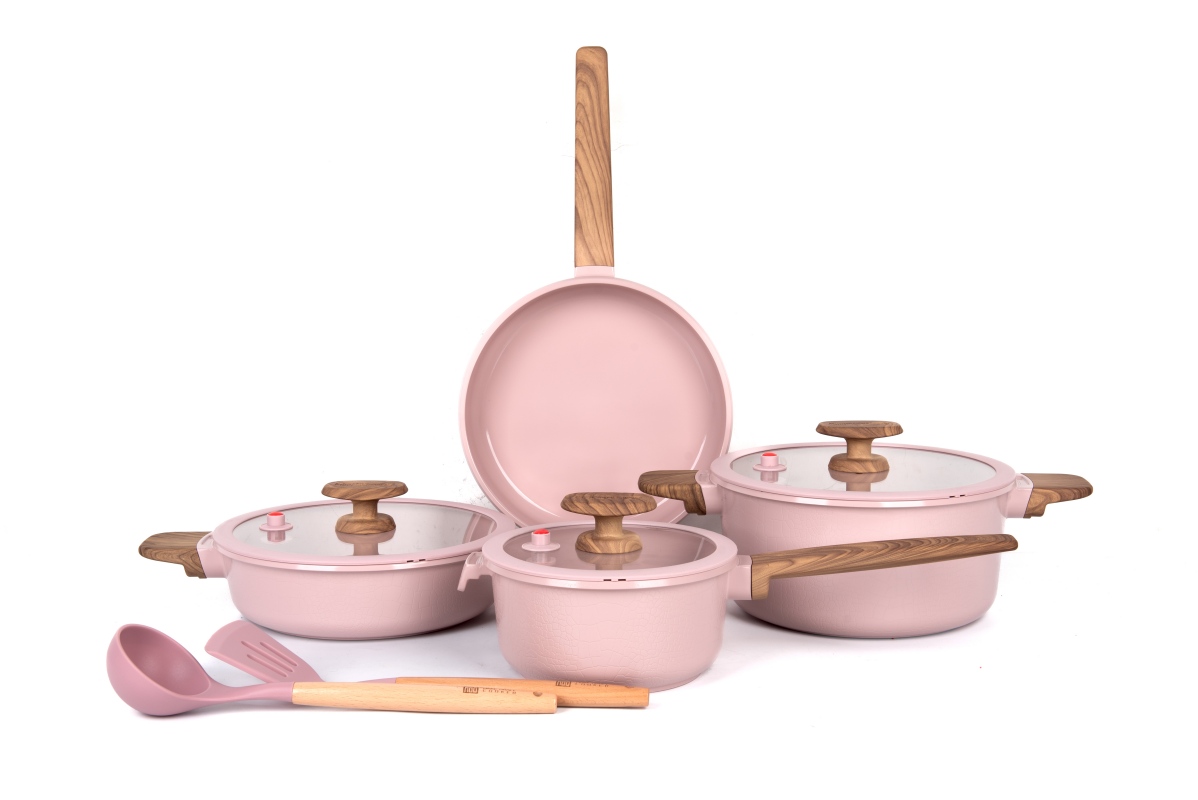
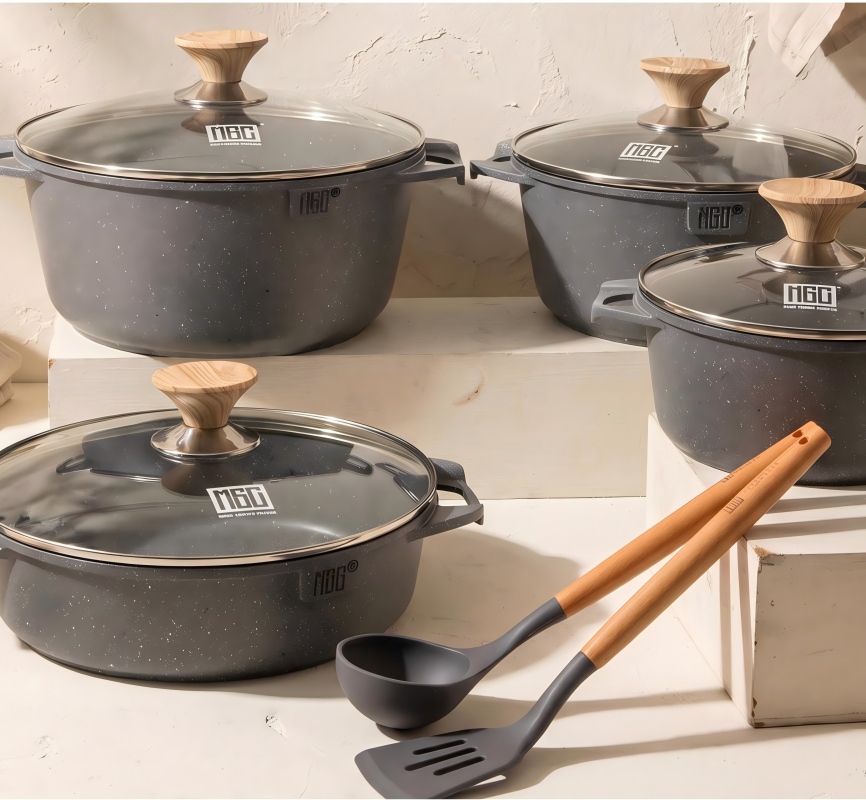
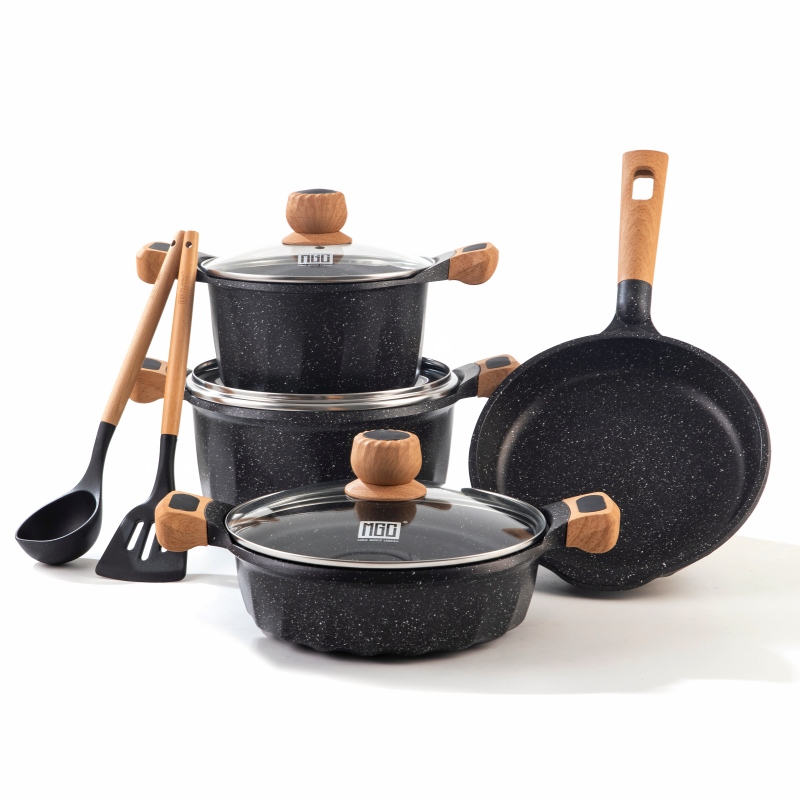
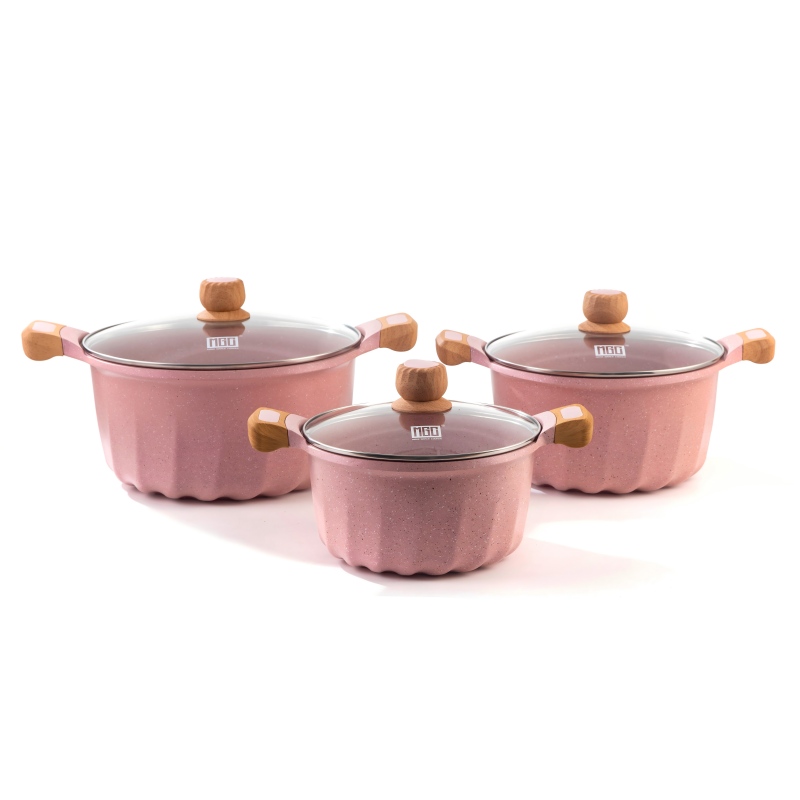
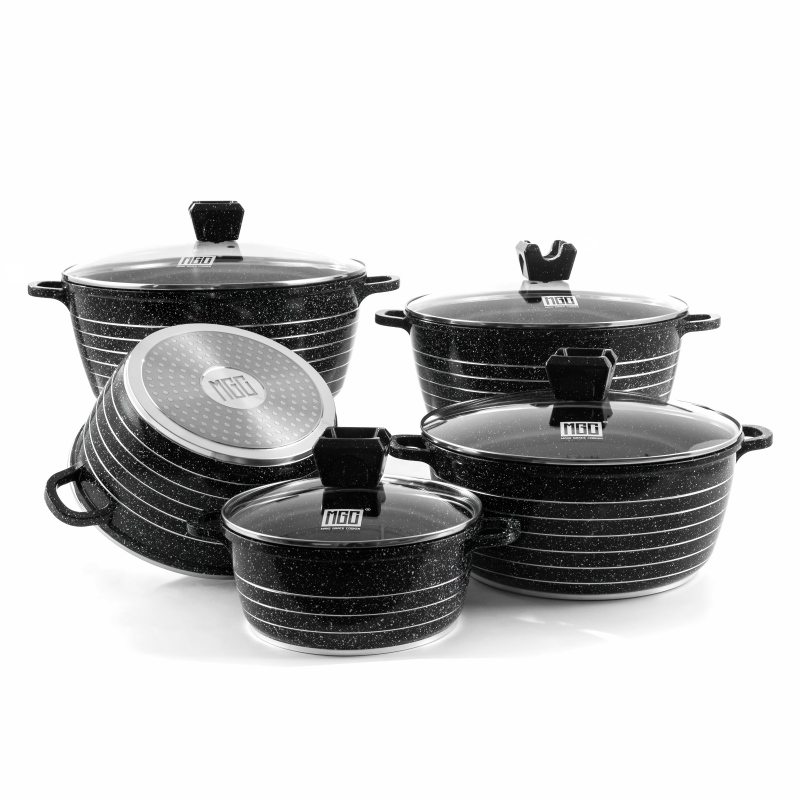
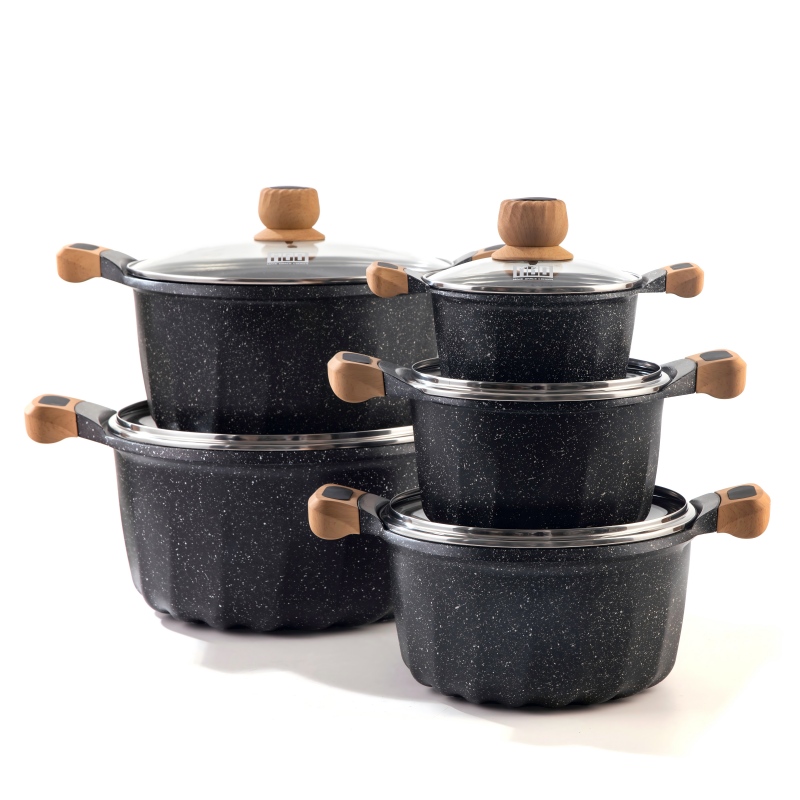
A die cast cookware set combines practical cooking versatility with a carefully formed cookware body, making it suitable for everyday kitchens and retail collections. Die cast aluminum models are valued for their efficient heat transfer and can be designed with different wall thicknesses, pan shapes, and surface finishes. Depending on the collection, a set may include frying pans, saucepans, casseroles, and compatible lids. These combinations help households prepare meals ranging from quick breakfasts to slow simmered dishes. For kitchenware retailers and distributors, comparing construction, coating options, handle design, and cooktop compatibility helps identify products for specific markets. Reviewing samples and documented specifications before ordering supports more informed purchasing decisions and consistent product presentation.
Get A Quote

Case Study

Everyday Cooking for Modern Households

A household looking to replace mismatched pots and pans may prefer a coordinated die cast cookware set. A collection containing frying pans, saucepans, and a casserole pot supports common tasks such as sautéing vegetables, preparing sauces, and simmering family meals. Die cast aluminum models can offer responsive heat transfer while remaining easier to handle than many traditional cast iron alternatives. The actual weight and cooking performance depend on the product design and construction. Buyers should check coating care instructions, handle comfort, lid fit, and stove compatibility before choosing a set. These details help households select cookware that suits their routines and kitchen equipment.

Cookware Collections for Kitchenware Retailers

A kitchenware retailer wants to expand its cookware category with products that combine coordinated styling and everyday functionality. Die cast cookware sets provide an option for customers who prefer matching cookware rather than purchasing individual pieces. The retailer can compare different set sizes, exterior finishes, coating types, and packaging formats before selecting an assortment. For example, a compact collection may appeal to smaller households, while a larger set can accommodate more varied meal preparation. Checking product dimensions, carton specifications, and care instructions helps the retailer prepare accurate listings and plan inventory. Clear specifications also make it easier for sales teams to explain differences between product models.

Private Label Cookware Product Development

A kitchenware brand plans to introduce a die cast cookware set under its own label. Before choosing a product, the team compares available cookware shapes, finishes, handle designs, and packaging options. It also considers the needs of its target customers, such as convenient cleaning, manageable weight, and compatibility with common cooktops. Depending on the manufacturer's available services, branding and packaging may be discussed as part of the project. Reviewing samples allows the buyer to inspect finish quality and construction before confirming the specifications. A written product brief covering materials, coating details, set contents, labeling, and packaging helps reduce misunderstandings during purchasing and supports a more consistent product launch.

Related products

A die cast cookware set is commonly made by shaping molten metal, often aluminum alloy, in a mold. This process allows manufacturers to form cookware bodies with specific contours and carefully planned thicknesses. Aluminum transfers heat efficiently, although actual cooking performance depends on alloy composition, base design, thickness, and the heat source. Many products also feature nonstick or ceramic style coatings, which require appropriate care to preserve their surfaces. When evaluating a set, buyers should examine the frying pans, saucepans, casserole pots, lids, handles, and included accessories. Cooktop compatibility deserves particular attention because standard aluminum cookware is not automatically suitable for induction. Some designs require a magnetic base or insert. MGCCookware provides a website where buyers can explore cookware related products and discuss their purchasing requirements. For retail and wholesale projects, confirm specifications, sample quality, available customization, packaging, and minimum order quantities before making a commitment. These checks help businesses choose products that fit their market and intended use.

Frequently Asked Questions

What is a die cast cookware set?

A die cast cookware set contains pots and pans formed through a casting process, often using aluminum alloy. The collection may include frying pans, saucepans, casserole pots, and lids. Exact materials, construction, coating, and included pieces vary by product, so buyers should check the manufacturer's specifications.
Die cast aluminum cookware can provide efficient heat transfer, versatile shapes, and a relatively manageable weight compared with many cast iron products. Its performance depends on body thickness, alloy, base design, and coating. Buyers should compare individual specifications rather than assuming every die cast set performs identically.
Not every die cast aluminum cookware set works with induction. Induction compatibility generally requires a suitable magnetic base or component. Check the manufacturer's product description and compatibility markings before purchasing. Also confirm suitability for gas, electric, or ceramic cooktops based on the equipment used.
Follow the product's care instructions and use utensils appropriate for its coating. Avoid overheating an empty pan, abrasive cleaning tools, and sudden temperature changes when the manufacturer advises against them. Allow cookware to cool before cleaning, and confirm whether each piece is dishwasher safe or suitable for oven use.
Importers should verify material and coating specifications, set composition, dimensions, sample quality, packaging, and cooktop compatibility. They should also confirm minimum order quantities, customization availability, delivery schedules, and destination market requirements. Request relevant product documentation before approving the final order.

Related article

New Market Promotion

25

Aug

New Market Promotion

Struggling to demonstrate product value? Face-to-face customer engagement drives 3.2x higher conversion in B2B markets. Discover proven field promotion tactics now.
View More
Why Do Reliable Cookware Suppliers Matter for Product Success?

14

Sep

Why Do Reliable Cookware Suppliers Matter for Product Success?

A reliable cookware supplier shapes your product quality, supply chain, and sourcing outcomes. Discover what sets a dependable kitchenware supplier apart.
View More
Proper Cleaning Methods to Extend the Life of a Durable Non Stick Pan.

18

Sep

Proper Cleaning Methods to Extend the Life of a Durable Non Stick Pan.

Learn proper cleaning methods to extend your durable non stick pan's life. Right kitchen habits protect the coating and keep food releasing cleanly.
View More
How to Choose the Best Cookware for Different Cooking Methods?

18

Sep

How to Choose the Best Cookware for Different Cooking Methods?

Discover how to match cookware to your cooking methods. A practical guide covering materials, heat needs, and kitchen tools for every cooking style.
View More

Customer Testimonials

Michael Turner

A coordinated die cast cookware set offers useful options for everyday meal preparation. Comparing pan sizes, coating specifications, and handle designs helps our team select products for different household needs.

Sarah Mitchell

Die cast cookware gives our product range a practical balance of design and usability. Reviewing samples and product specifications helps us plan suitable assortments for different customer preferences.

Get a Free Quote

Our representative will contact you soon.
Email
Mobile/WhatsApp
Name
Company Name
Message
0/1000
Efficient Heat Transfer for Everyday Cooking

Efficient Heat Transfer for Everyday Cooking

Die cast aluminum cookware can transfer heat efficiently, supporting common cooking tasks such as sautéing vegetables, frying eggs, and simmering sauces. A thoughtfully designed body helps distribute heat across the cooking surface, although results depend on the alloy, thickness, and stove configuration. For households, this can make a versatile cookware set useful across breakfast, lunch, and dinner preparation. Retail buyers can compare different pan diameters, depths, and included pieces to match their customer profiles. Before selecting a product, review the manufacturer's specifications and recommended heat settings. Choosing cookware according to its intended use helps set realistic expectations and supports a more suitable product assortment for different kitchens.
Coordinated Design for Retail and Wholesale Markets

Coordinated Design for Retail and Wholesale Markets

A coordinated die cast cookware set can simplify product selection for retailers, importers, and kitchenware distributors. Sets may combine frying pans, saucepans, casserole pots, and lids in matching finishes, creating a consistent appearance across a product collection. Buyers can compare compact assortments for smaller households with larger configurations for more varied cooking needs. Packaging, product dimensions, coating information, and cooktop compatibility should be confirmed before purchasing. For private label projects, ask about available logo and packaging options rather than assuming every design can be customized. A clear specification sheet helps purchasing teams compare quotations, organize product listings, and choose cookware collections that align with their target market.