Eco Friendly Pots and Pans: Sustainable Cookware Sets for B2B Buyers

Get up to 35% off + Free shipping Shop now

Call Us:+86-579-86903988

Thoughtful Cookware Choices for Modern Kitchens

Thoughtful Cookware Choices for Modern Kitchens

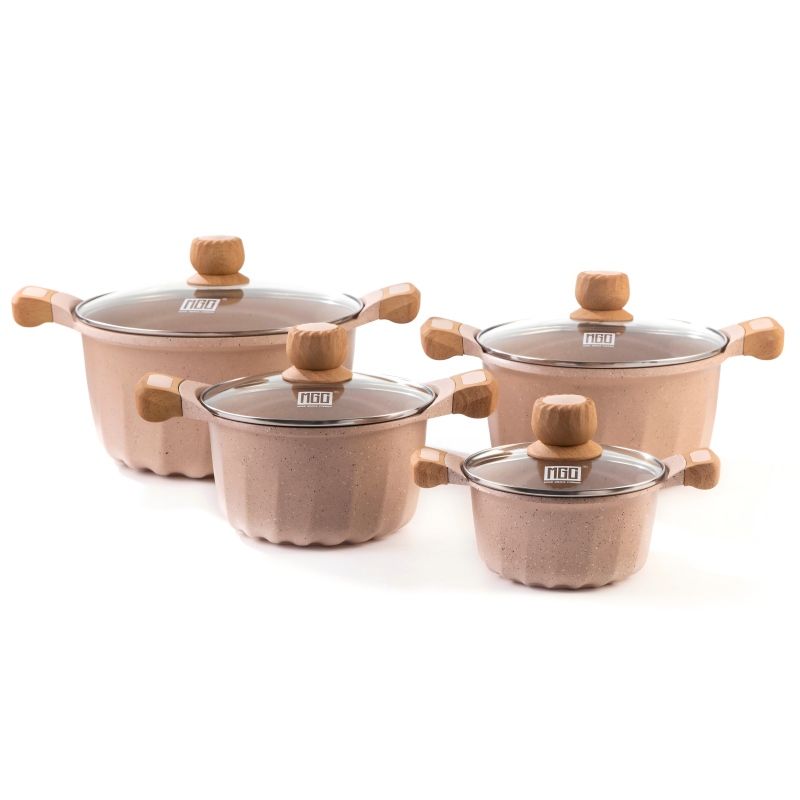
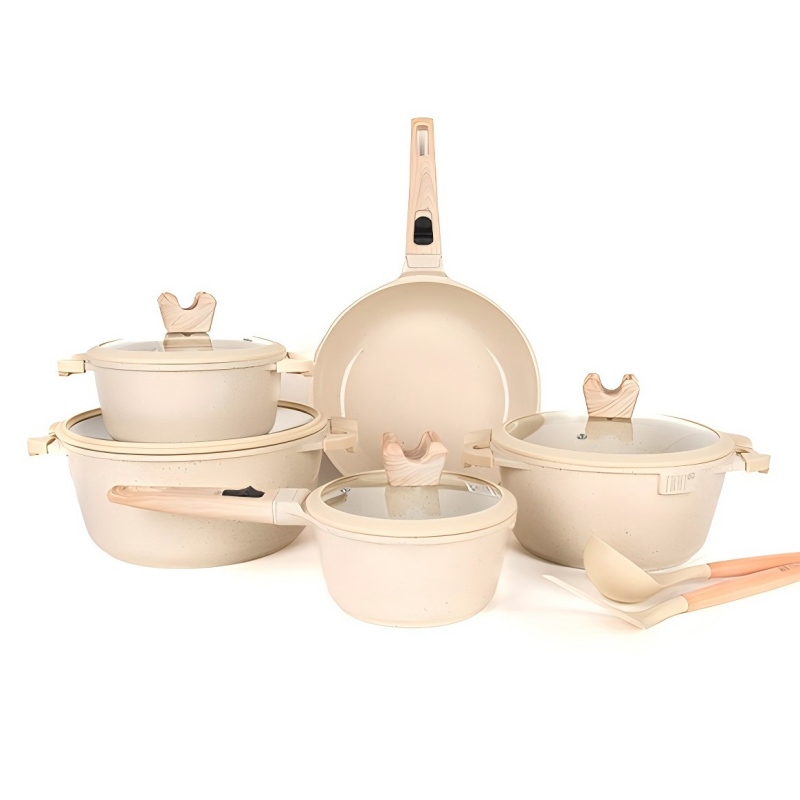
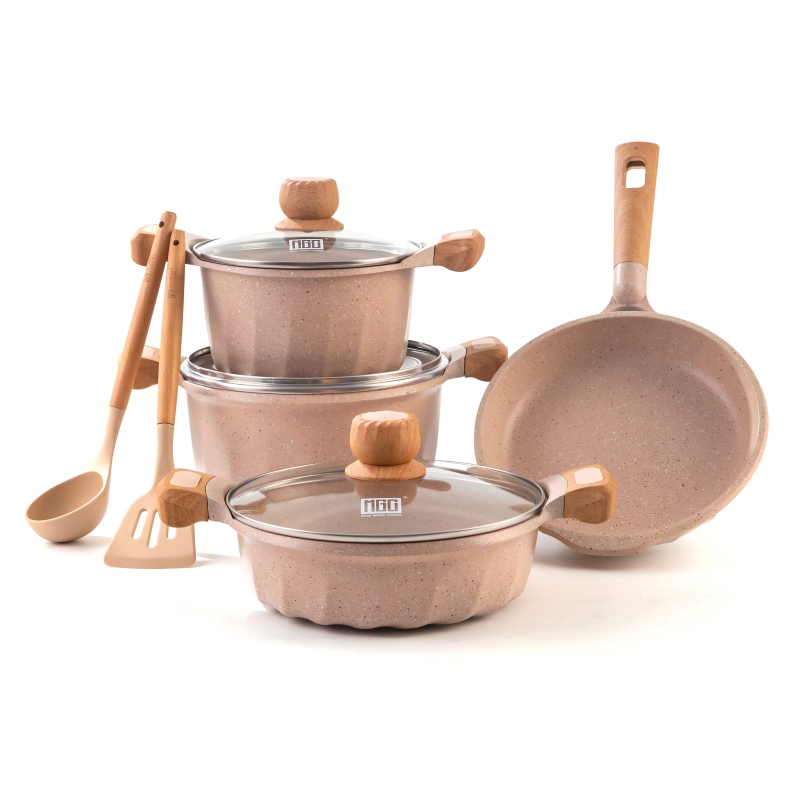
Eco friendly pots and pans can support more thoughtful kitchen purchasing when buyers consider material choices, product lifespan, maintenance, and packaging together. Durable cookware that suits everyday cooking may reduce the need for frequent replacement, while recyclable packaging can help limit unnecessary waste where local recycling systems accept it. Stainless steel, aluminum, and other cookware materials each have different manufacturing, performance, and end of life considerations. No single material is automatically the most sustainable in every situation. For example, a household that cooks daily may prioritize durable construction and easy maintenance, while a retailer may compare packaging and product specifications across several collections. Reviewing material details, care instructions, and supplier documentation helps buyers make more informed choices without relying on vague environmental claims.
Get A Quote

Case Study

Durable Cookware for Everyday Households

A household wants to replace worn pots and pans with products suited to regular cooking and long term use. Instead of choosing cookware based only on appearance, the buyer compares material construction, handle attachment, cleaning requirements, and manufacturer care instructions. Stainless steel may appeal to people seeking an uncoated cooking surface, while aluminum options can provide efficient heat transfer with relatively low weight. Product lifespan depends on construction, usage, and maintenance, so buyers should assess the specific model rather than assume every material performs equally. Choosing suitable cookware and following its care guidance can help households maintain useful kitchen equipment and avoid unnecessary replacement.

Environmentally Considerate Choices for Retailers

A kitchenware retailer wants to offer cookware options that appeal to customers considering environmental impact. The purchasing team compares product materials, expected service life, packaging design, and available documentation before selecting a range. For example, products with durable construction and straightforward care requirements may suit customers seeking cookware for regular use. The retailer avoids relying on broad sustainability statements unless the supplier can provide supporting evidence. Reviewing packaging materials and local recycling considerations also helps the team describe disposal options accurately. Clear product listings that explain materials, care, and intended applications give customers more useful information and help the retailer build a responsible, transparent kitchenware assortment.

Cookware Sourcing for Sustainability Focused Brands

A kitchenware brand wants to expand its range with pots and pans that align with its sustainability goals. The team begins by defining measurable purchasing criteria, such as material composition, product durability, packaging reduction, and supplier documentation. It then compares available cookware models and requests information supporting any environmental claims. For example, a brand may evaluate packaging that uses fewer mixed materials or select cookware designed for long term household use. Buyers should also consider shipping arrangements, product performance, and realistic end of life options. Documenting requirements before production helps the brand assess products consistently and communicate verified product characteristics without overstating environmental benefits.

Related products

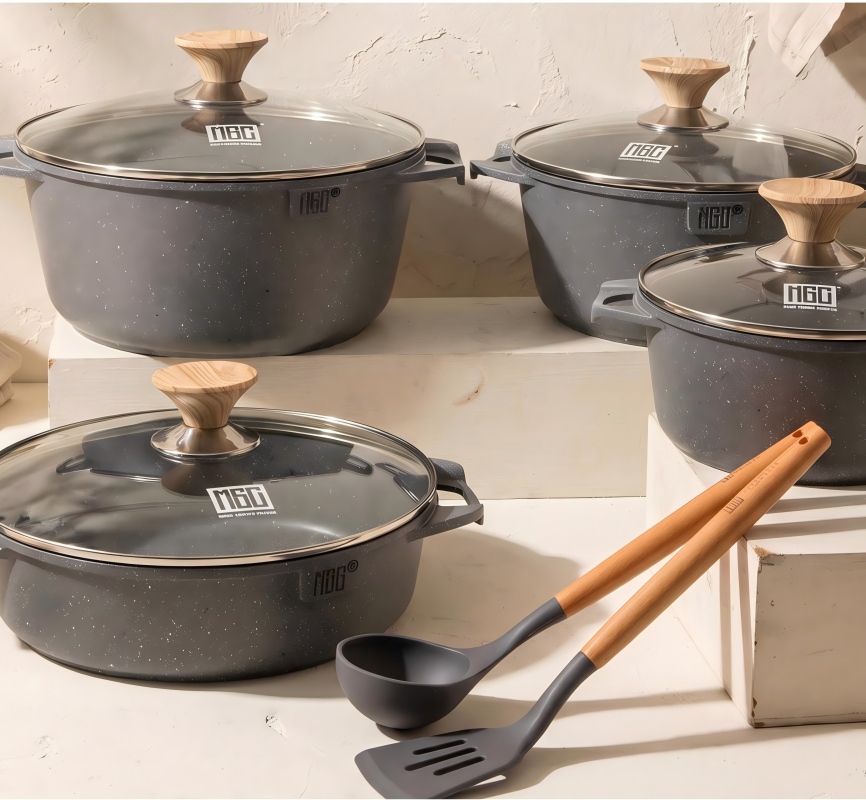
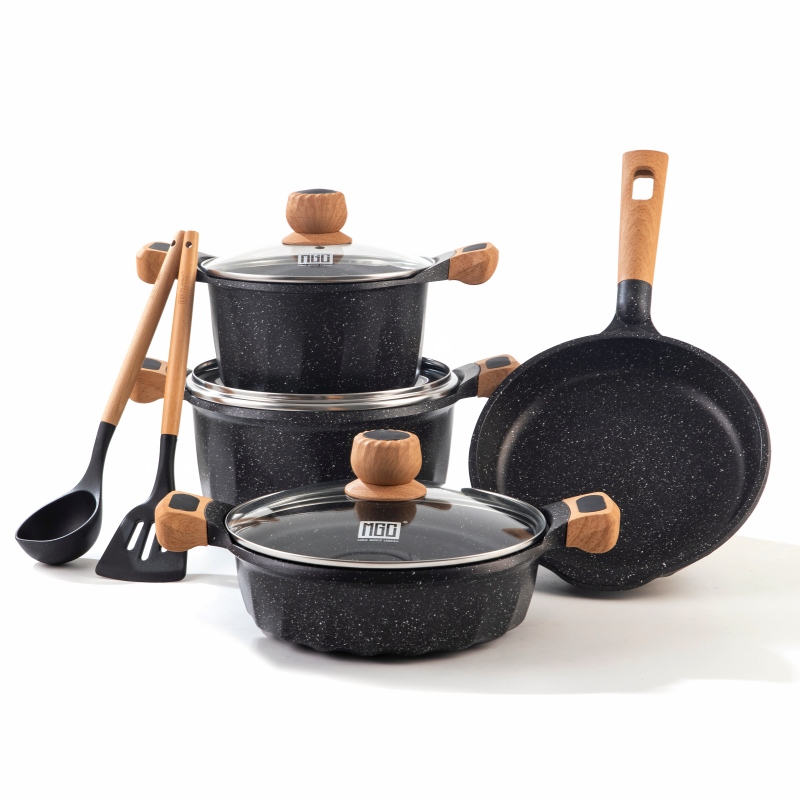
Eco friendly pots and pans should be evaluated through specific product characteristics rather than marketing language alone. Material composition, manufacturing information, durability, maintenance requirements, packaging, and end of life options can all influence a product's overall environmental profile. Stainless steel cookware is valued for its durable cooking surface, while aluminum cookware transfers heat efficiently and is relatively lightweight. Coated products may offer convenient food release, but their care instructions and expected service life should be reviewed carefully. Environmental performance also depends on manufacturing processes, transportation, actual usage, and whether materials can be recovered locally. MGCCookware provides a website where buyers can explore cookware related products and discuss product requirements. Retailers and sourcing teams should request available material specifications, packaging details, and supporting documentation before making environmental claims. For example, a business evaluating a new cookware range can compare packaging formats and construction details alongside ordinary product requirements. This evidence based approach helps buyers make informed purchasing decisions while avoiding unsupported claims about sustainability.

Frequently Asked Questions

What makes pots and pans eco friendly?

Environmental considerations can include material sourcing, manufacturing impact, durability, maintenance, packaging, and end of life recovery. Cookware that lasts longer may reduce replacement frequency, but the overall impact depends on how it is produced and used. Look for specific evidence instead of relying on broad environmental claims.
Stainless steel and aluminum can both be durable and recyclable in suitable local systems, but their environmental impacts differ according to production and recovery processes. Coatings and mixed materials may complicate recycling. Consider product lifespan, manufacturing information, care requirements, and local recycling options when comparing cookware.
Stainless steel can offer a durable, uncoated cooking surface and may be recyclable where suitable facilities exist. However, sustainability depends on factors such as material sourcing, manufacturing energy, product lifespan, and disposal. Check product documentation and local recycling guidance before making environmental assumptions.
The answer depends on the coating, cookware construction, service life, care requirements, and disposal options. Nonstick cookware can be convenient, but coatings may affect repair or recycling possibilities. Review the specific product's material information, usage instructions, and any available environmental documentation before purchasing.
Ask suppliers for material specifications, packaging details, relevant certifications where applicable, and supporting evidence for any stated environmental benefits. Confirm that claims accurately describe the specific product and market. Avoid using terms such as sustainable or recyclable without clear documentation and appropriate context.

Related article

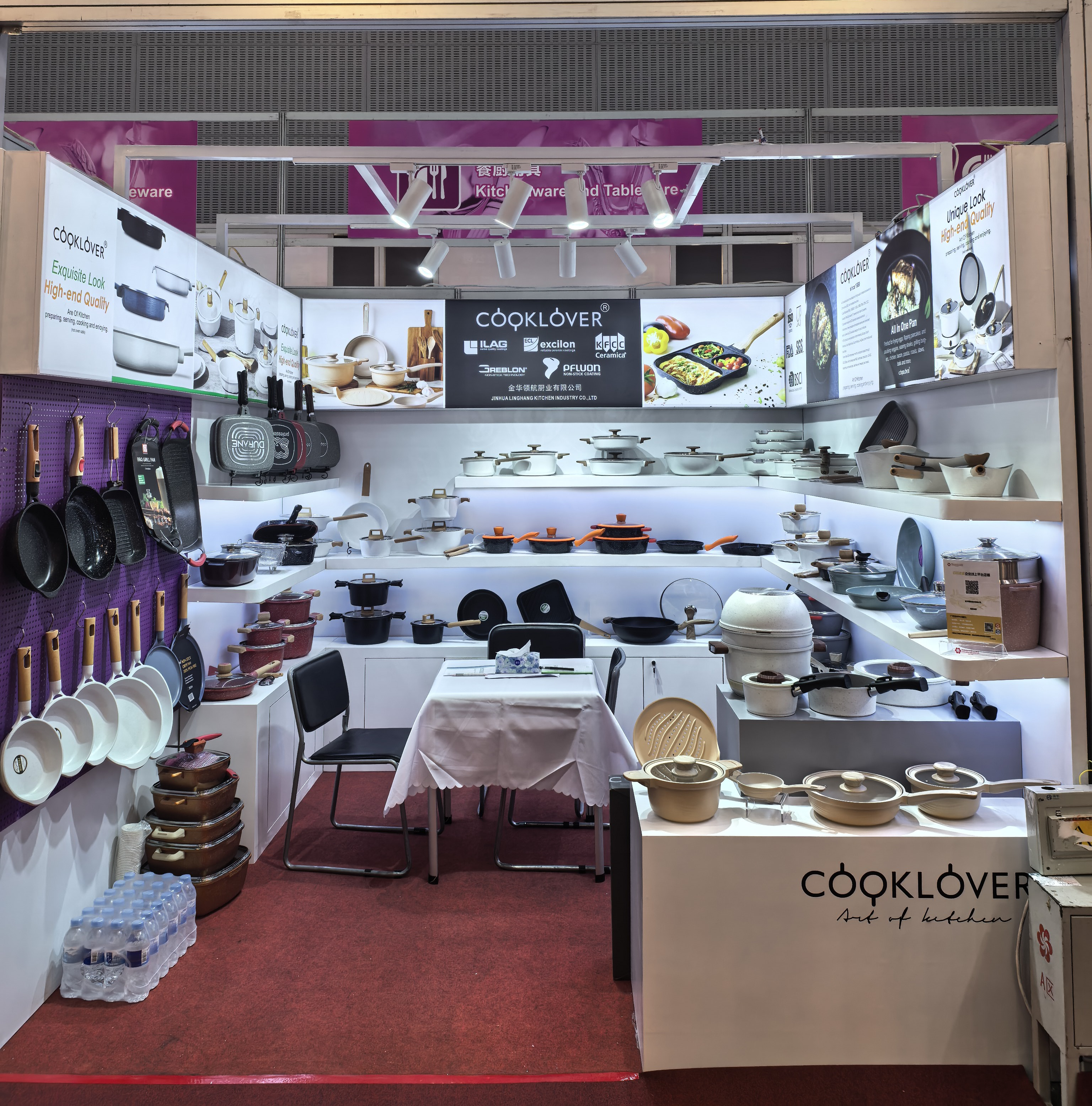
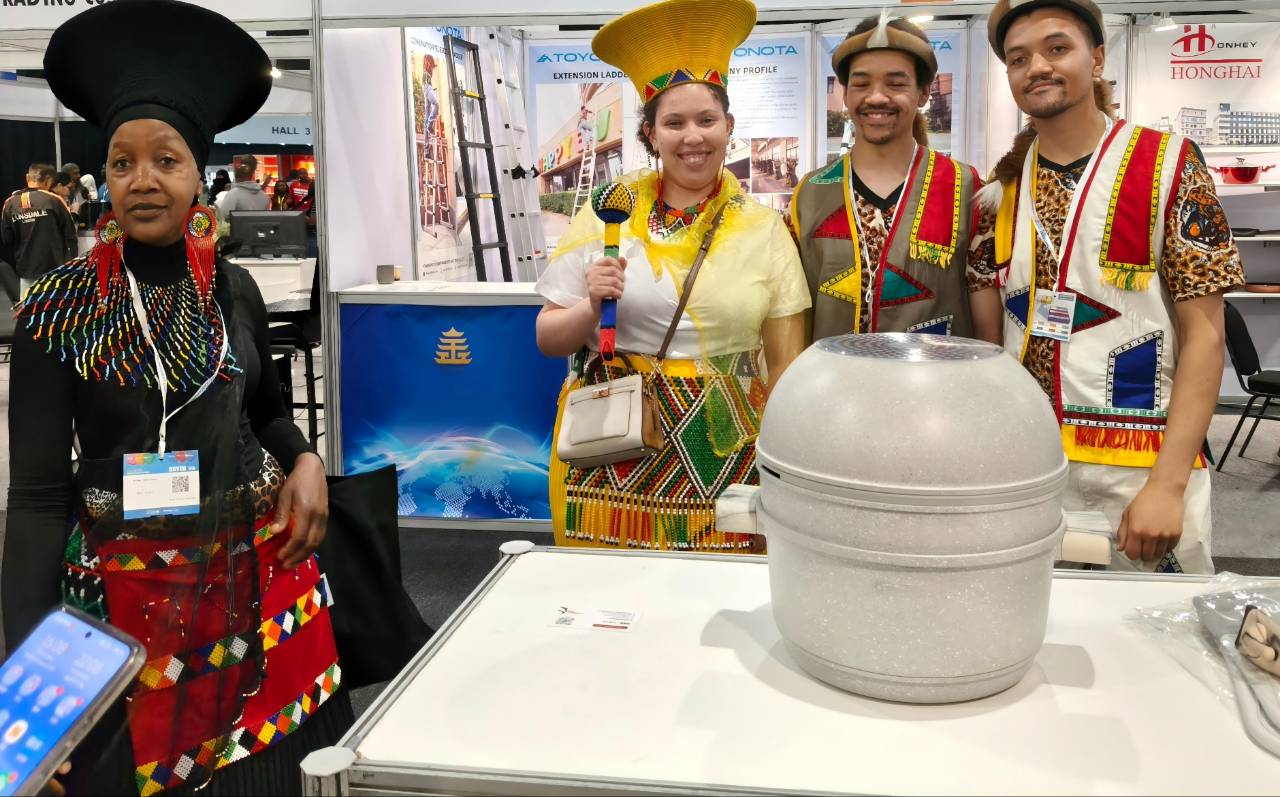
Participation in the 139th Canton Fair

25

Aug

Participation in the 139th Canton Fair

Discover how our annual Canton Fair participation unlocks global B2B opportunities, quality sourcing, and real-time market insights. Connect with us now!
View More
New Market Promotion

25

Aug

New Market Promotion

Struggling to demonstrate product value? Face-to-face customer engagement drives 3.2x higher conversion in B2B markets. Discover proven field promotion tactics now.
View More
Proper Cleaning Methods to Extend the Life of a Durable Non Stick Pan.

18

Sep

Proper Cleaning Methods to Extend the Life of a Durable Non Stick Pan.

Learn proper cleaning methods to extend your durable non stick pan's life. Right kitchen habits protect the coating and keep food releasing cleanly.
View More
How to Choose the Best Cookware for Different Cooking Methods?

18

Sep

How to Choose the Best Cookware for Different Cooking Methods?

Discover how to match cookware to your cooking methods. A practical guide covering materials, heat needs, and kitchen tools for every cooking style.
View More

Customer Testimonials

Emily Carter

Choosing durable pots and pans with clear material specifications helps our team evaluate long term usability. Comparing construction, care instructions, and packaging supports more informed kitchenware purchasing decisions.

Daniel Brooks

We compare cookware materials, product lifespan, and packaging before selecting collections. Clear specifications help us assess practical value and identify products that better match our customers' preferences.

Get a Free Quote

Our representative will contact you soon.
Email
Mobile/WhatsApp
Name
Company Name
Message
0/1000
Durability and Responsible Product Selection

Durability and Responsible Product Selection

Choosing cookware for long term use is one practical consideration when evaluating environmental impact. Buyers should inspect body construction, handle attachment, surface finish, and the manufacturer's maintenance instructions before selecting a product. A pot or pan that suits everyday cooking and is cared for correctly may remain useful for years, although actual service life varies by design and usage. For example, households that cook frequently can compare construction quality and cleaning requirements before replacing an entire cookware collection. Retailers can also prioritize clear product specifications and realistic care guidance. Evaluating durability alongside price and cooking performance supports more informed purchasing without assuming that any single material is automatically the most sustainable.
Packaging Choices and Material Transparency

Packaging Choices and Material Transparency

Packaging and material transparency help businesses assess cookware beyond its appearance and purchase price. Buyers can ask suppliers whether packaging uses recyclable materials, whether mixed components can be separated, and whether relevant recycling facilities are available in the destination market. Product documentation should identify the cookware's main materials and describe coatings where applicable. For example, a retailer comparing two similar cookware collections may review packaging volume, protective materials, and the evidence supporting environmental statements. These details can help the purchasing team prepare more accurate product listings and respond to customer questions. Claims should remain specific and evidence based, since recyclable packaging does not automatically make the entire cookware product environmentally friendly.
Evidence Based Choices for Kitchenware Brands

Evidence Based Choices for Kitchenware Brands

Kitchenware brands can develop a more credible product range by setting clear environmental evaluation criteria before sourcing cookware. These criteria may include material composition, expected service life, packaging requirements, and documentation supporting specific claims. Buyers should compare products using the same standards and request evidence before describing a collection as eco friendly. For instance, a sourcing team can assess packaging reduction alongside ordinary product requirements such as dimensions, coating specifications, and cooktop compatibility. It should also consider how customers will maintain the cookware and what disposal options exist in the target market. This structured approach supports clearer supplier discussions and more responsible communication while avoiding unsupported promises about environmental performance.