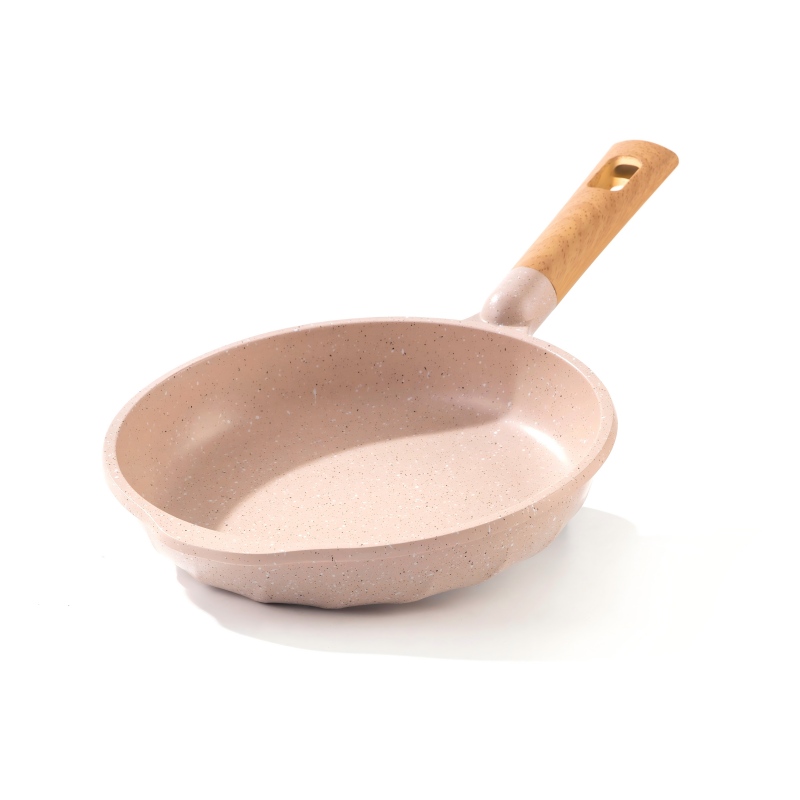
Die Cast Aluminum Cookware: Durable, Lightweight & Customizable

Get up to 35% off + Free shipping Shop now

Call Us:+86-579-86903988

Reviews Title 1: Reliable Performance for Everyday Cooking

Reviews Title 1: Reliable Performance for Everyday Cooking

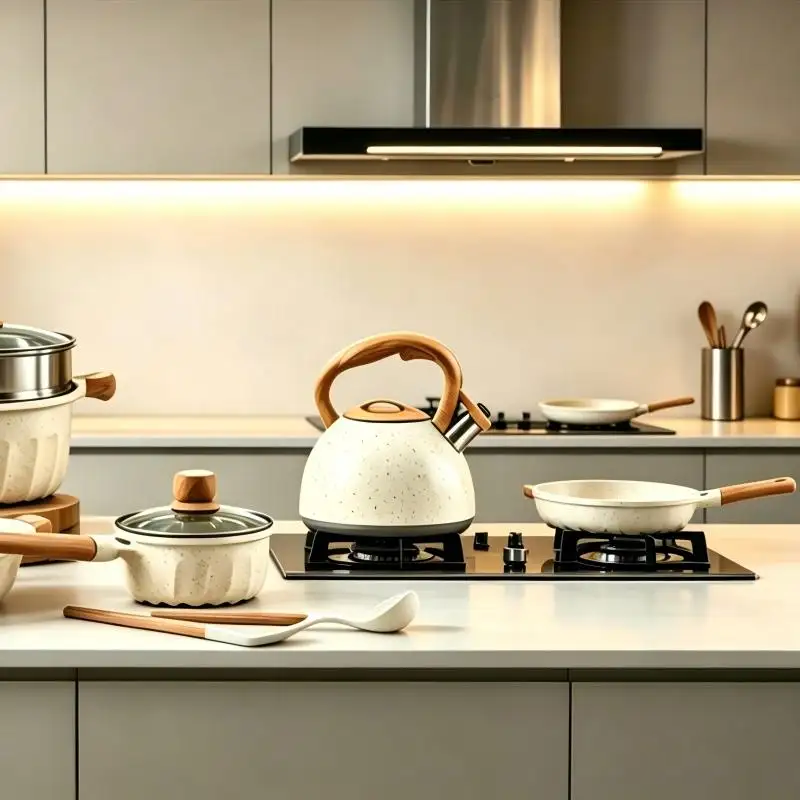
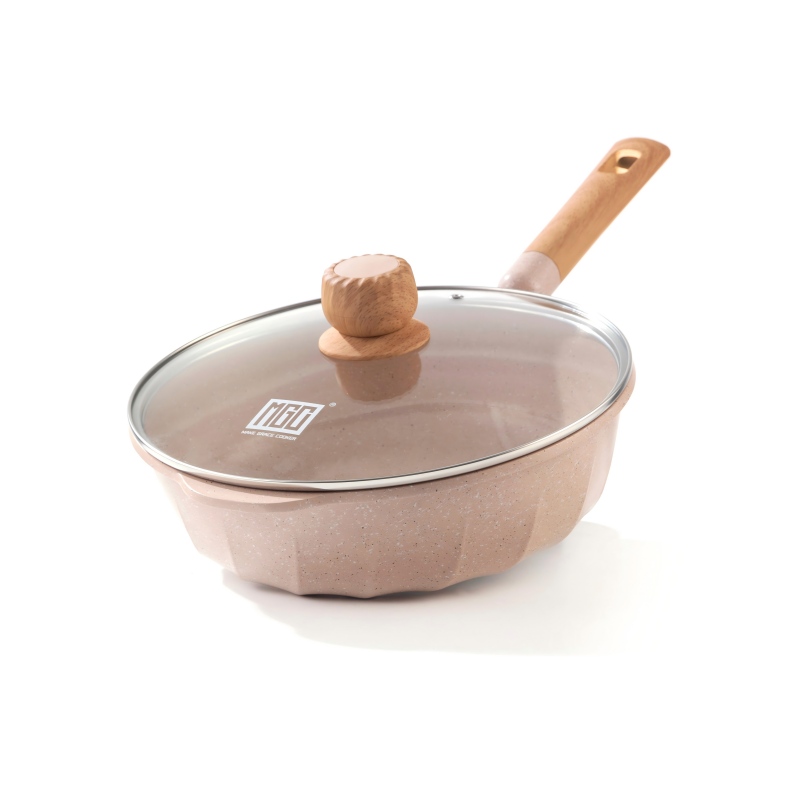
Die cast aluminum cookware combines efficient heat transfer, practical handling, and versatile styling for contemporary kitchens. Its aluminum body helps distribute heat across the cooking surface, making it suitable for preparing eggs, vegetables, sauces, and family meals. Compared with many heavier cookware materials, aluminum offers a relatively lightweight design that can improve everyday handling. Depending on the model, nonstick coatings can support easier food release and simplify routine cleaning. Retailers and distributors can select different pan sizes, exterior finishes, and handle designs to suit their customers. For example, a coordinated collection featuring frying pans, saucepans, and sauté pans can cover several common cooking tasks while maintaining a consistent product appearance.
Get A Quote

Case Study

Practical Cookware for Everyday Household Meals

A kitchenware retailer wanted to expand its cookware selection with products suited to everyday household cooking. Die cast aluminum frying pans and saucepans offered a practical balance of manageable weight and efficient heat transfer. The retailer considered several sizes to serve individuals, couples, and families with different meal preparation needs. Nonstick options were particularly relevant for cooking eggs, pancakes, and delicate ingredients that benefit from easy food release. The assortment also included complementary cookware designs to create a coordinated shelf presentation. By evaluating handle comfort, coating specifications, and cooktop compatibility, the purchasing team could develop a collection that addressed practical household requirements and offered customers more choices.

Versatile Cookware for Hospitality Supply

A hospitality distributor needed versatile cookware for serviced apartments, rental properties, and small accommodation kitchens. Die cast aluminum cookware offered convenient handling and efficient heat transfer for preparing breakfast dishes, vegetables, and simple hot meals. The purchasing team compared pan dimensions, handle construction, coating options, and cleaning instructions before selecting suitable models. A coordinated assortment made it easier to supply different kitchen layouts without introducing too many product variations. Clear documentation also helped customers understand appropriate heat settings and cooking surface compatibility. For distributors serving multiple accommodation projects, carefully selected cookware can support routine meal preparation while offering practical storage, handling, and maintenance benefits.

Customized Cookware for Private Label Brands

A growing kitchenware brand planned to introduce a private label cookware collection for online retailers and regional distributors. Die cast aluminum cookware provided a flexible product platform with potential options for exterior colors, handle styles, pan dimensions, and coating systems. The purchasing team reviewed samples and packaging specifications before confirming its initial assortment of three pan sizes. This approach helped organize product listings and establish a consistent visual identity across the collection. Custom branding and coordinated packaging could further distinguish the range in competitive retail environments. For businesses developing new cookware lines, early sample approval and written product specifications help align manufacturing expectations with customer requirements.

Related products

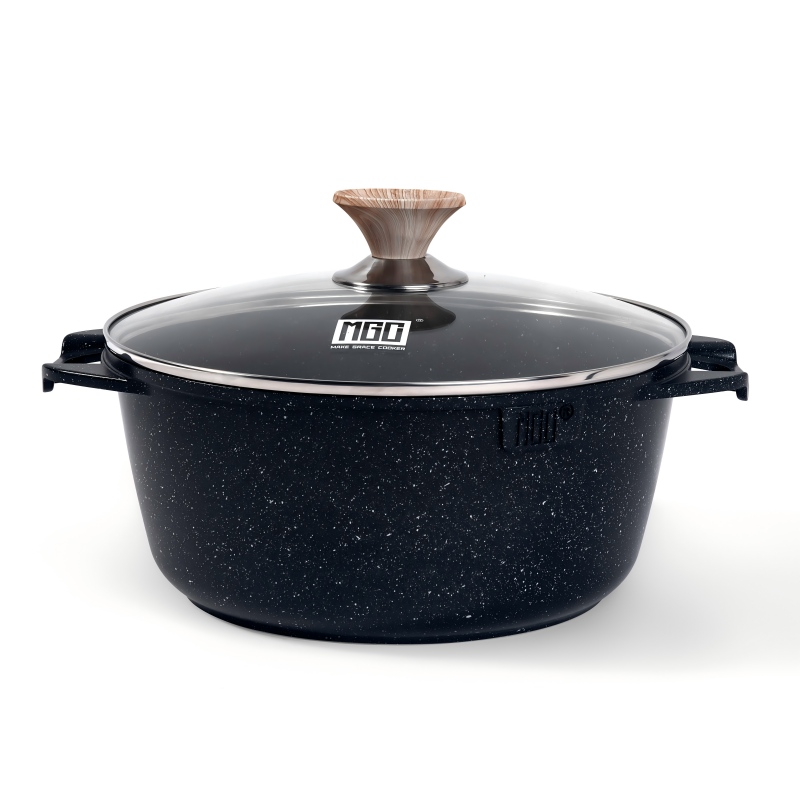
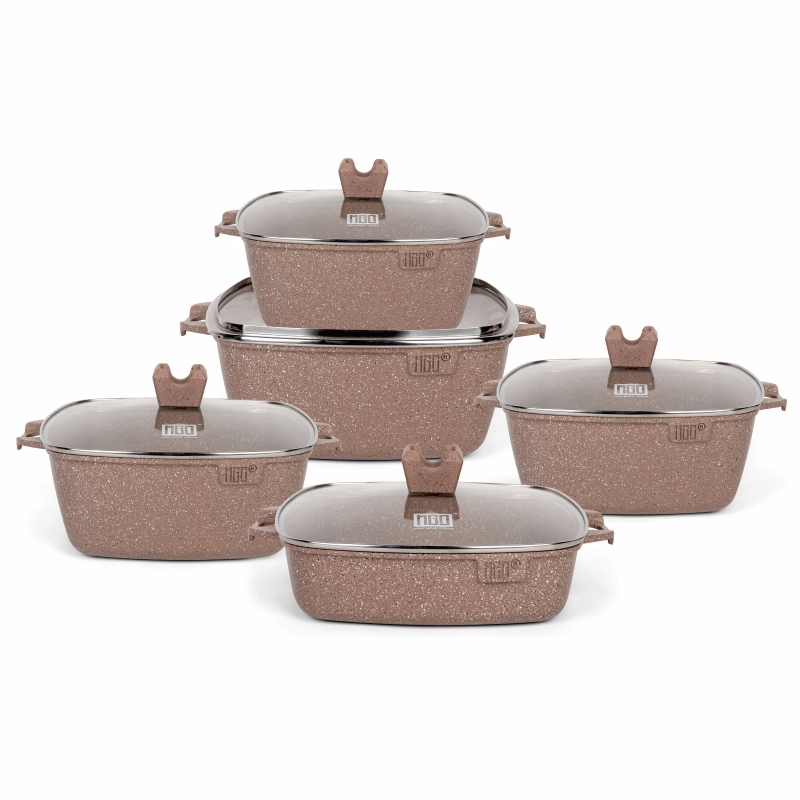
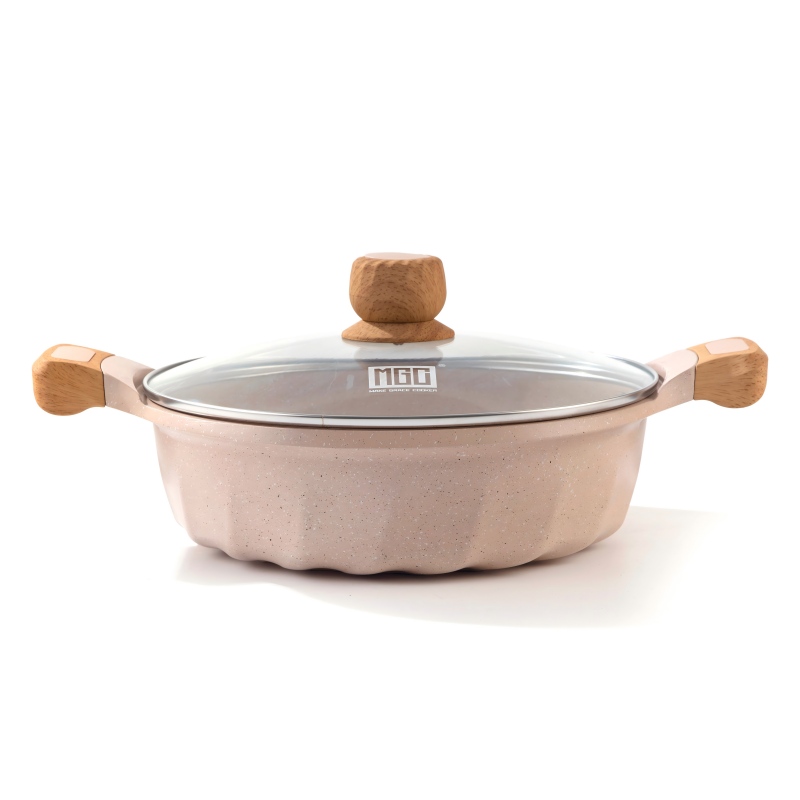
Die cast aluminum cookware offers a practical combination of functional construction, manageable weight, and flexible design options for modern kitchens. During manufacturing, molten aluminum is shaped in a mold to create cookware bodies with defined contours and consistent dimensions. Depending on the product design, manufacturers can incorporate nonstick coatings, ergonomic handles, induction compatible bases, and different exterior finishes. These specifications influence cooking performance, durability, maintenance requirements, and compatibility with different kitchen environments. For household users, suitable cookware can support everyday tasks such as frying eggs, sautéing vegetables, preparing sauces, and cooking family meals. Retailers and distributors can build coordinated collections featuring multiple sizes and complementary designs. Private label projects may also offer customized logos, exterior colors, and packaging, subject to production capabilities and minimum order quantities. MG Cookware provides a starting point for buyers exploring cookware products and collection development opportunities. When evaluating potential products, purchasing teams should examine sample quality, coating specifications, handle attachment, base construction, and applicable food contact requirements. They should also confirm compatibility with the intended cooktops and review care instructions before placing bulk orders. Clear specifications and consistent quality checks help businesses establish realistic product expectations, improve purchasing decisions, and develop cookware collections suited to their target markets.

Frequently Asked Questions

What Are the Main Benefits of Die Cast Aluminum Cookware?

Die cast aluminum cookware offers relatively lightweight handling, efficient heat transfer, and flexible design options. Depending on the model, a nonstick coating can help release food and simplify cleaning. Performance varies according to material thickness, coating quality, base construction, and proper use.
Cookware intended for food preparation should use suitable food contact materials and coatings that comply with applicable regulations. Follow the manufacturer's temperature limits, utensil recommendations, and care instructions. Avoid using cookware with damaged coatings or exposed underlying material when the manufacturer advises replacement.
Not every aluminum cookware product is induction compatible because standard aluminum is not magnetic. Models designed with a suitable magnetic base may work on induction cooktops. Check the manufacturer's specifications and induction compatibility markings before purchasing cookware for a particular kitchen.
Allow cookware to cool before cleaning it with warm water, mild dish soap, and a soft sponge. Avoid abrasive cleaners that could damage the finish or coating. Follow product specific instructions for dishwasher use, suitable utensils, storage, and maximum cooking temperatures.
Depending on manufacturing capabilities, customization may include exterior colors, handle designs, logos, packaging, and selected product configurations. Buyers should confirm minimum order quantities, sample approval procedures, production schedules, and quality requirements before ordering. Reviewing specifications in advance helps ensure that products match the intended retail market.

Related article

New Product Development

25

Aug

New Product Development

Struggling to sustain market relevance? Our proven 5-step new product development framework helps B2B teams launch winning solutions faster. Get the playbook now.
View More
How to Choose the Right Cookware Set Material for Better Cooking Results?

14

Sep

How to Choose the Right Cookware Set Material for Better Cooking Results?

Discover how to choose the right cookware set material — aluminum, stainless steel, or non-stick — to match your cooking style and improve results.
View More
How to Choose the Right Pan Size for Different Cooking Needs?

14

Sep

How to Choose the Right Pan Size for Different Cooking Needs?

Find the right pan size for your kitchen. Covers key criteria — from cooking portions to frying techniques — to help you choose smarter.
View More
Proper Cleaning Methods to Extend the Life of a Durable Non Stick Pan.

18

Sep

Proper Cleaning Methods to Extend the Life of a Durable Non Stick Pan.

Learn proper cleaning methods to extend your durable non stick pan's life. Right kitchen habits protect the coating and keep food releasing cleanly.
View More

Customer Testimonials

Daniel Brooks

Our team appreciated the balanced design and convenient handling of these cookware pieces. After several weeks of kitchen testing, the pans performed well for frying, sautéing, and preparing everyday meals.

Emily Carter

We evaluated the cookware for our upcoming kitchenware collection and valued the available sizes, exterior finishes, and customization options. Reviewing product samples helped us assess suitability for our target market.

Get a Free Quote

Our representative will contact you soon.
Email
Mobile/WhatsApp
Name
Company Name
Message
0/1000
Efficient Heat Transfer for Everyday Cooking

Efficient Heat Transfer for Everyday Cooking

Aluminum is widely used in cookware because it transfers heat efficiently and offers relatively lightweight handling. Die cast construction allows manufacturers to create practical pan shapes and defined contours for different cooking tasks. Suitable models can be used for frying eggs, sautéing vegetables, browning ingredients, and preparing sauces. For example, a household cookware collection might include a frying pan, a deeper sauté pan, and a saucepan to cover different recipes. Actual heating performance depends on base thickness, pan dimensions, burner settings, and cooktop compatibility. Buyers should compare these specifications instead of assuming all aluminum cookware performs identically. Clear product information helps retailers communicate realistic benefits and recommend suitable cookware for different household needs.
Customizable Designs for Private Label Cookware

Customizable Designs for Private Label Cookware

Product appearance can influence purchasing decisions, especially when retailers want to develop a consistent kitchenware collection. Depending on manufacturing capabilities, die cast aluminum cookware may offer options for exterior colors, handle designs, coating systems, and product dimensions. For example, a retailer could develop a coordinated range featuring three pan sizes and two exterior colors to address different customer preferences. Private label projects may also include branded packaging and customized product information to strengthen brand recognition. Before confirming production, buyers should review physical samples, color references, packaging artwork, and written specifications. They should also confirm minimum order quantities, lead times, and quality control arrangements. Careful preparation supports more consistent product presentation and smoother communication between buyers and suppliers.