Kitchen Cookware Solutions for B2B Buyers [2024]

Get up to 35% off + Free shipping Shop now

Call Us:+86-579-86903988

What Buyers Value in Kitchen Cookware Solutions

What Buyers Value in Kitchen Cookware Solutions

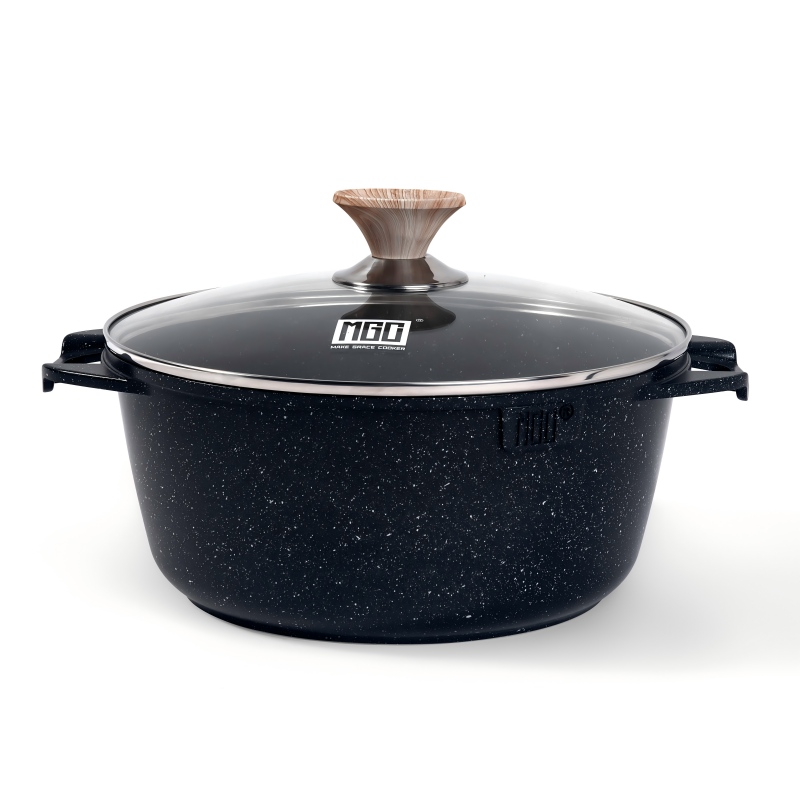
Kitchen cookware plays an essential role in preparing consistent meals, improving kitchen efficiency, and meeting different cooking requirements. Frying pans, saucepans, stockpots, and other cookware products serve distinct purposes, from searing meat to simmering sauces and boiling pasta. Material selection also affects heat transfer, handling comfort, durability, and maintenance. For example, lightweight aluminum pans offer convenient handling, while stainless steel cookware provides versatility for everyday cooking. Cast iron is valued for its heat retention. MG Cookware supports businesses exploring cookware sourcing options for household kitchens, hospitality operations, and retail distribution. Buyers can evaluate product specifications and available configurations to develop assortments suited to their target customers.
Get A Quote

Case Study

Everyday Kitchen Cookware for Household Use

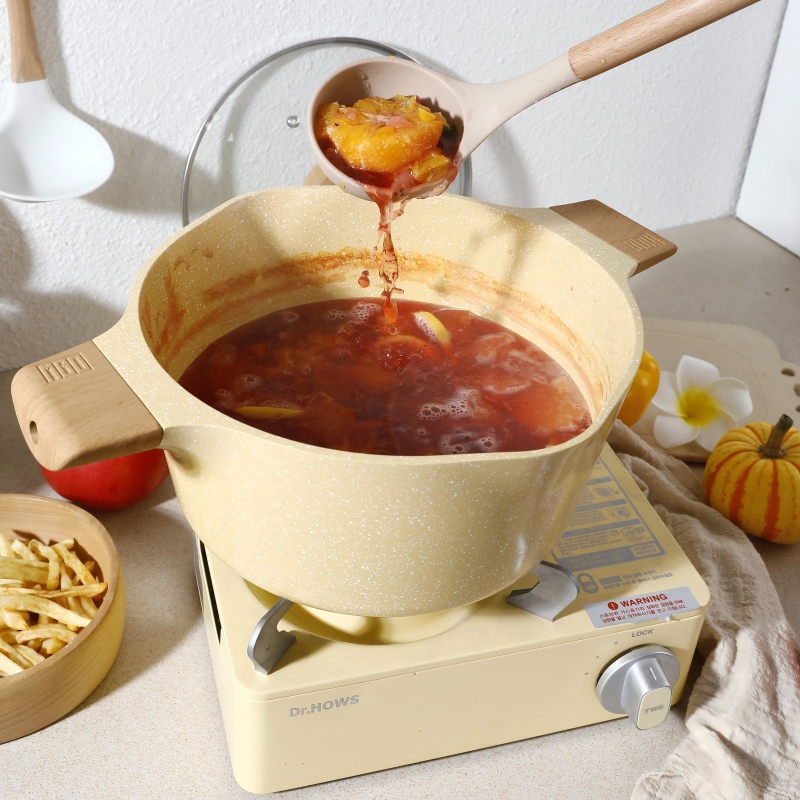
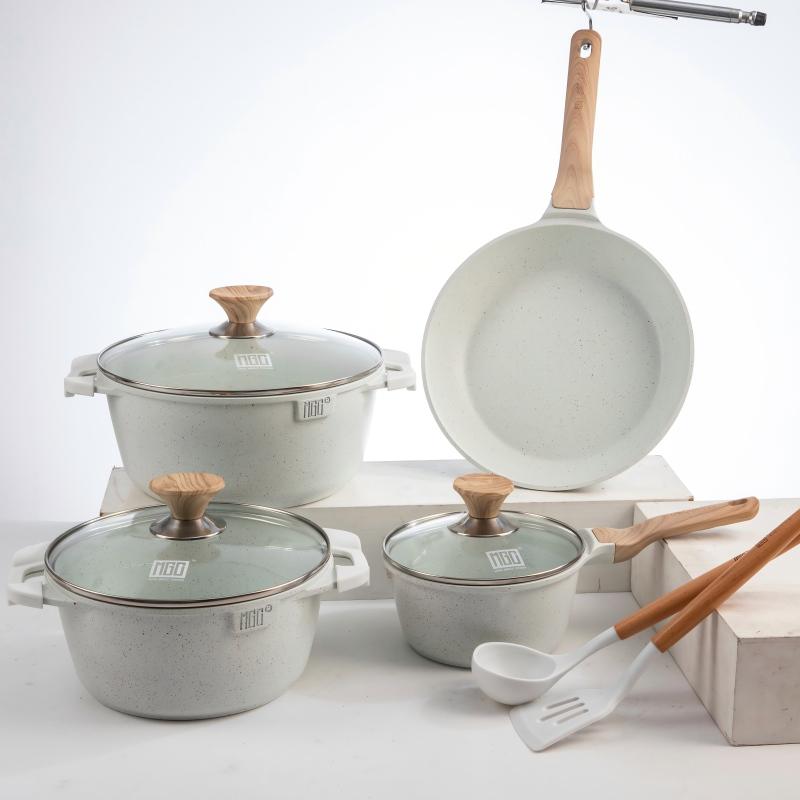
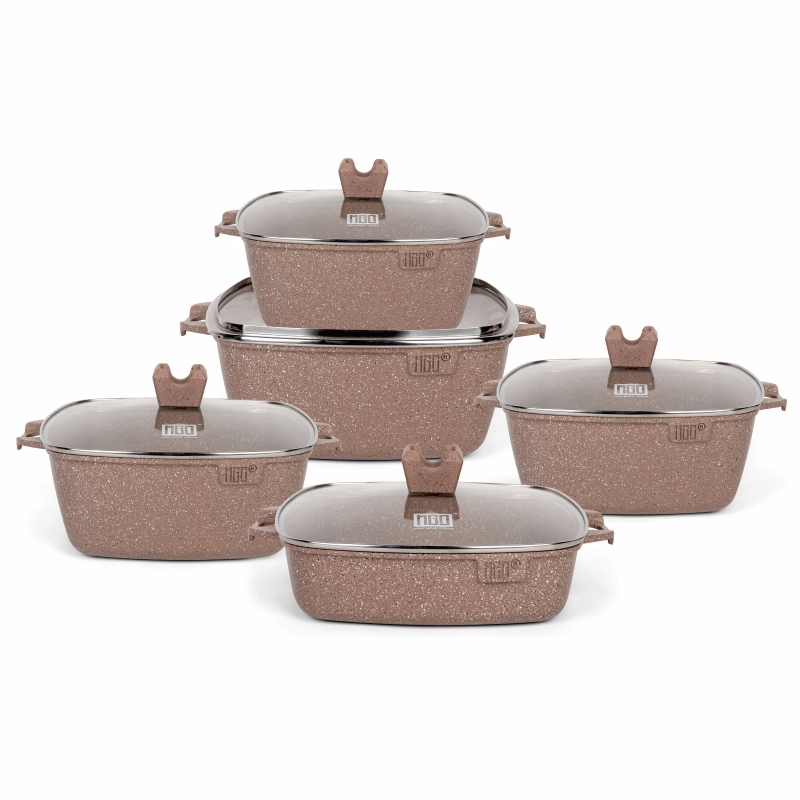
Households need kitchen cookware that makes daily meal preparation convenient and reliable. A practical collection may include frying pans for eggs and vegetables, saucepans for soups and sauces, and stockpots for pasta or family-sized meals. For example, a homeware retailer could offer coordinated cookware sets in several sizes to accommodate individuals, couples, and larger families. Buyers should consider material construction, handle comfort, surface treatments, and cleaning requirements when selecting products. Clear product instructions also help consumers understand temperature limits and maintenance procedures. By matching cookware specifications with everyday cooking habits, retailers can build useful product assortments that balance functionality, appearance, and customer expectations.

Commercial Kitchen Cookware for Restaurants and Catering

Restaurants and catering businesses require cookware that supports frequent preparation, convenient handling, and efficient kitchen workflows. Different tasks may call for stainless steel saucepans, aluminum frying pans, or heavy-duty stockpots, depending on the cooking method and operating environment. For instance, a catering supplier serving institutional kitchens could develop an assortment with multiple pan capacities to accommodate different batch sizes. Buyers should assess construction quality, handle attachment, cleaning procedures, and compatibility with gas, electric, or induction equipment. They should also verify relevant food-contact documentation and manufacturer care instructions. Selecting cookware according to real operating conditions helps commercial buyers make informed purchasing decisions and plan suitable kitchen equipment assortments.

Customized Kitchen Cookware for Private Label Brands

Private label brands need kitchen cookware that reflects their positioning while addressing practical consumer needs. Depending on manufacturing capabilities, customization may include pan dimensions, handle designs, exterior finishes, surface treatments, logos, and retail packaging. For example, a kitchenware distributor launching a new collection could combine frying pans and saucepans in complementary sizes with consistent exterior styling. Before approving production, buyers should confirm material specifications, coating requirements, quality inspection procedures, and applicable food-contact compliance documentation. Sampling and clear approval criteria can help identify specification issues before a commercial order is placed. MG Cookware can be contacted to discuss available product configurations and customization requirements for wholesale and international distribution projects.

Related products

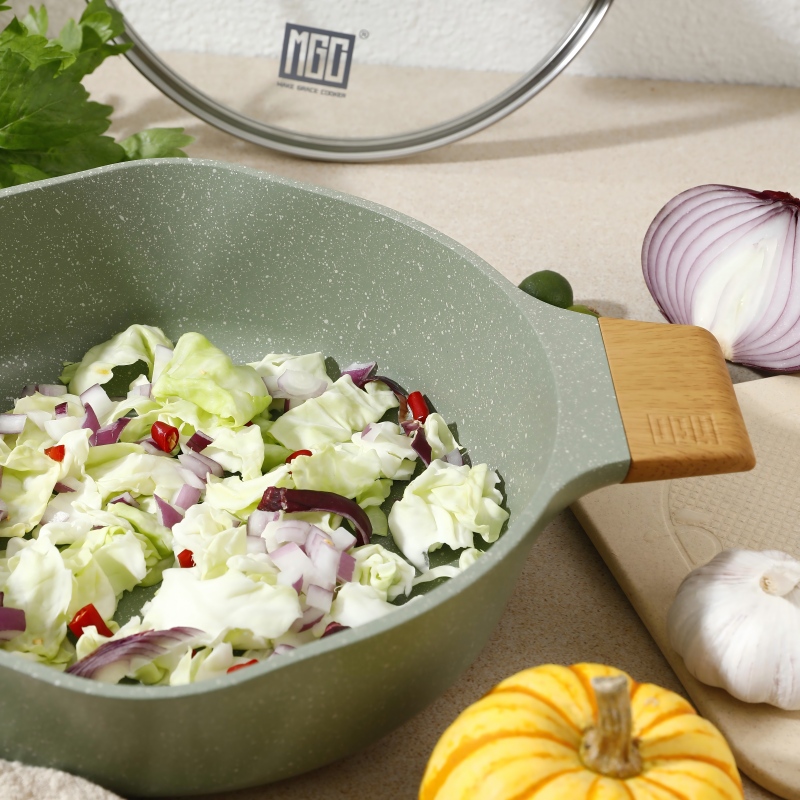
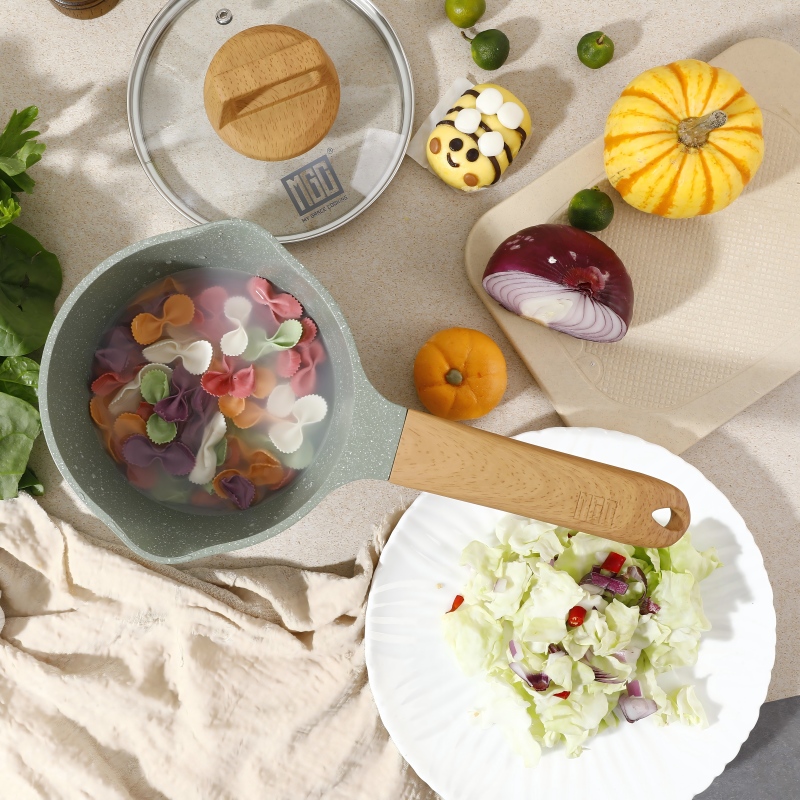
Kitchen cookware includes the essential products used to prepare, heat, and serve a wide variety of meals. Frying pans support sautéing and searing, saucepans are useful for soups and sauces, and stockpots accommodate pasta, stews, and larger food portions. Choosing suitable cookware depends on material properties, cooking techniques, maintenance preferences, and compatibility with the kitchen's heat source. MG Cookware provides a starting point for businesses exploring cookware manufacturing and sourcing opportunities. Depending on available production capabilities, buyers can discuss product dimensions, body construction, handle configurations, exterior finishes, coating options, and private label packaging. These specifications help businesses develop collections suited to household consumers, retailers, distributors, and hospitality customers. For example, a general homeware retailer may prioritize versatile cookware sets that cover everyday cooking tasks, while a restaurant supplier may focus on durability and practical handling. A private label brand may emphasize coordinated colors, distinctive product designs, and packaging that reflects its market positioning. Before placing an order, buyers should review product samples, material specifications, quality-control procedures, and relevant food-contact compliance documentation. They should also clarify minimum order quantities, customization feasibility, production schedules, and delivery arrangements. A structured evaluation process helps businesses select appropriate kitchen cookware and build product assortments that align with customer needs and commercial objectives.

Frequently Asked Questions

What Types of Kitchen Cookware Should Every Household Have?

A practical household collection usually includes a frying pan, a medium saucepan, and a larger pot or stockpot. These products cover common tasks such as frying eggs, preparing sauces, cooking vegetables, and boiling pasta. Additional pieces can be selected according to household size and cooking habits.
The best material depends on the intended application. Stainless steel offers versatility, aluminum provides efficient heat transfer and lightweight handling, and cast iron retains heat effectively. Buyers should also consider construction quality, maintenance requirements, cooking techniques, and compatibility with their cooktops before selecting products.
Nonstick cookware can be convenient for preparing eggs, pancakes, fish, and other delicate foods. Its suitability depends on the coating formulation and recommended operating temperature. Follow the manufacturer's instructions, avoid overheating empty pans, and use appropriate utensils to help maintain the cooking surface.
Follow the manufacturer's cleaning and temperature recommendations, avoid sudden temperature changes when inappropriate, and use utensils suitable for the cooking surface. Inspect handles and coatings regularly, and avoid abrasive cleaners on delicate finishes. Proper storage can also help reduce scratches and unnecessary surface damage.
Wholesale buyers should evaluate materials, dimensions, surface treatments, handle construction, quality-control procedures, and applicable food-contact documentation. They should also confirm minimum order quantities, customization options, packaging requirements, and delivery schedules. Reviewing samples before production helps verify that products match purchasing specifications.

Related article

New National Agency Established

28

Jul

New National Agency Established

Just launched: exclusive national agency in Kazakhstan with Almaty wholesale center. Streamline distribution, cut logistics costs, and scale market access. Request partnership details now.
View More
How to Select Reliable Cookware and Bakeware Suppliers for Bulk Orders?

14

Sep

How to Select Reliable Cookware and Bakeware Suppliers for Bulk Orders?

Learn how to evaluate cookware & bakeware suppliers for bulk orders: factory verification, certifications, MOQ, and quality control for wholesale buyers.
View More
How to Choose the Right Pan Size for Different Cooking Needs?

14

Sep

How to Choose the Right Pan Size for Different Cooking Needs?

Find the right pan size for your kitchen. Covers key criteria — from cooking portions to frying techniques — to help you choose smarter.
View More
Proper Cleaning Methods to Extend the Life of a Durable Non Stick Pan.

18

Sep

Proper Cleaning Methods to Extend the Life of a Durable Non Stick Pan.

Learn proper cleaning methods to extend your durable non stick pan's life. Right kitchen habits protect the coating and keep food releasing cleanly.
View More

Customer Testimonials

Michael Reed

Illustrative testimonial: Comparing pan sizes, handle comfort, and surface finishes helped us develop a kitchen cookware assortment suited to everyday cooking needs and our retail customers' preferences.

Daniel Foster

Illustrative testimonial: Reviewing product specifications, construction materials, and packaging options helped our purchasing team evaluate cookware configurations and establish clearer requirements for our next wholesale order.

Get a Free Quote

Our representative will contact you soon.
Email
Mobile/WhatsApp
Name
Company Name
Message
0/1000
Versatile Materials for Different Cooking Requirements

Versatile Materials for Different Cooking Requirements

Different cookware materials support different cooking preferences and kitchen environments. Aluminum offers efficient heat transfer and relatively lightweight handling, stainless steel provides versatility and durability, and cast iron is valued for retaining heat. For example, a household cookware collection may include an aluminum frying pan for quick meals and a stainless steel saucepan for preparing soups and sauces. Actual performance depends on construction, thickness, surface treatment, and cooking equipment. Buyers should evaluate these specifications alongside cleaning requirements and intended use. MG Cookware can be contacted to discuss available cookware options and relevant product details, helping businesses identify configurations that fit their customers' cooking habits and market expectations.
Custom Kitchen Cookware for Growing Brands

Custom Kitchen Cookware for Growing Brands

Customized kitchen cookware allows brands to develop product collections that reflect their identity and customer preferences. Depending on manufacturing capabilities, options may include pan sizes, handle styles, exterior finishes, coating selections, logo placement, and retail packaging. For example, a distributor preparing a new kitchenware collection could offer matching frying pans and saucepans with coordinated finishes and several capacity options. Buyers should confirm sample approval procedures, material specifications, minimum order quantities, and applicable food-contact compliance documentation before production. MG Cookware can be approached to discuss manufacturing capabilities and project requirements. Clear specifications and quality expectations help businesses evaluate sourcing opportunities and prepare cookware collections for wholesale and retail markets.