Die Cast Aluminium Cookware: 7 Benefits for B2B Buyers

Get up to 35% off + Free shipping Shop now

Call Us:+86-579-86903988

Reviews Title 1: Consistent Cooking Performance for Everyday Menus

Reviews Title 1: Consistent Cooking Performance for Everyday Menus

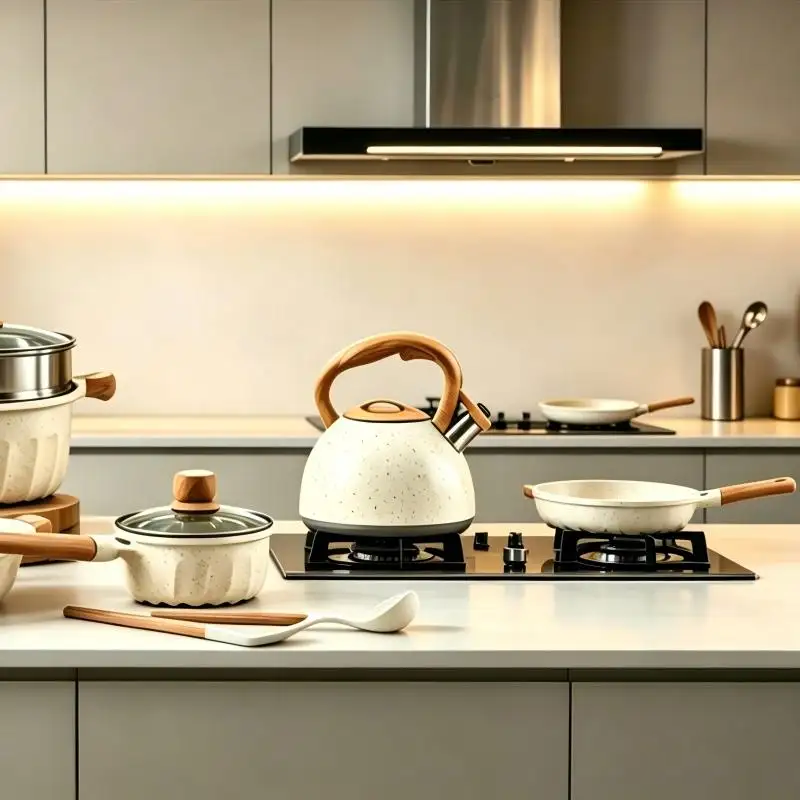
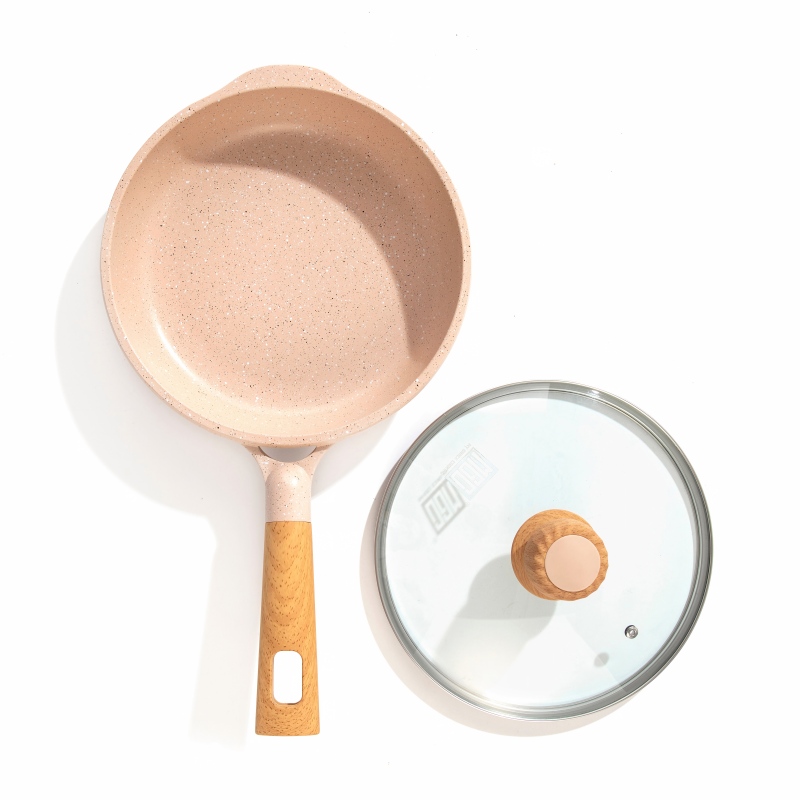
Die cast aluminium cookware combines practical durability, efficient heat transfer, and versatile designs for modern cooking environments. Its aluminium construction helps distribute heat across the cooking surface, supporting consistent results when preparing vegetables, eggs, sauces, and family meals. Compared with many heavier cookware materials, aluminium is relatively lightweight, making everyday handling more convenient for home cooks and professional kitchen teams. Depending on the product design, nonstick coatings can further simplify food release and routine cleaning. For retailers, distributors, and private label brands, a range of sizes, finishes, and handle styles creates opportunities to serve different market segments. Selecting suitable construction and coating specifications helps align cookware performance with customer expectations.
Get A Quote

Case Study

Everyday Cookware for Residential Kitchens

A homeware retailer wanted cookware suitable for customers preparing breakfast, lunch, and dinner in busy households. Die cast aluminium frying pans and saucepans offered a practical combination of manageable weight and responsive heating. The retailer selected multiple sizes to accommodate individuals, couples, and larger families. Nonstick options supported easier food release when cooking eggs, pancakes, and delicate ingredients, while smooth surfaces helped simplify routine cleaning. The expanded range allowed the retailer to present coordinated cookware collections for different budgets and kitchen styles. By evaluating coating quality, handle comfort, and compatibility with common cooking methods, the business could offer products better aligned with everyday household requirements.

Cookware Collections for Hospitality and Food Service

A hospitality supply distributor needed versatile cookware for serviced apartments, small cafés, and shared accommodation kitchens. Die cast aluminium cookware offered practical handling and efficient heat distribution for preparing individual portions, breakfast dishes, and simple hot meals. The distributor compared pan dimensions, handle construction, coating specifications, and cleaning requirements before selecting suitable models. A coordinated assortment helped simplify purchasing for customers managing multiple kitchen stations or furnished rental properties. Product documentation also helped buyers understand appropriate heat settings, cleaning procedures, and cooking surface compatibility. This application demonstrates how carefully specified cookware can support frequent meal preparation while giving commercial buyers flexibility across different kitchen layouts and service requirements.

Private Label Cookware for Retail Expansion

An emerging kitchenware brand planned to introduce a coordinated cookware collection for online retailers and regional distributors. Die cast aluminium cookware provided a flexible product platform, with opportunities to select different diameters, exterior colors, handle designs, and coating options. The purchasing team assessed sample quality, packaging requirements, and consistency across product sizes before preparing its launch assortment. A focused initial collection of three core pan sizes helped the brand organize product listings and communicate clear purchasing choices. Customization options also supported a more recognizable visual identity across the range. For growing businesses, careful sampling and specification checks can reduce avoidable launch problems and strengthen product presentation.

Related products

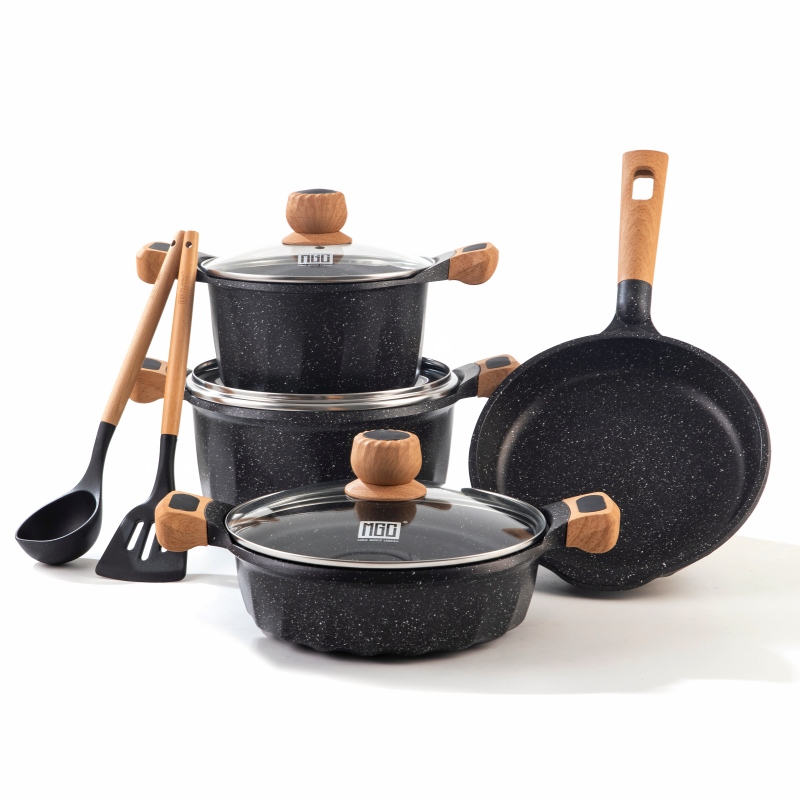
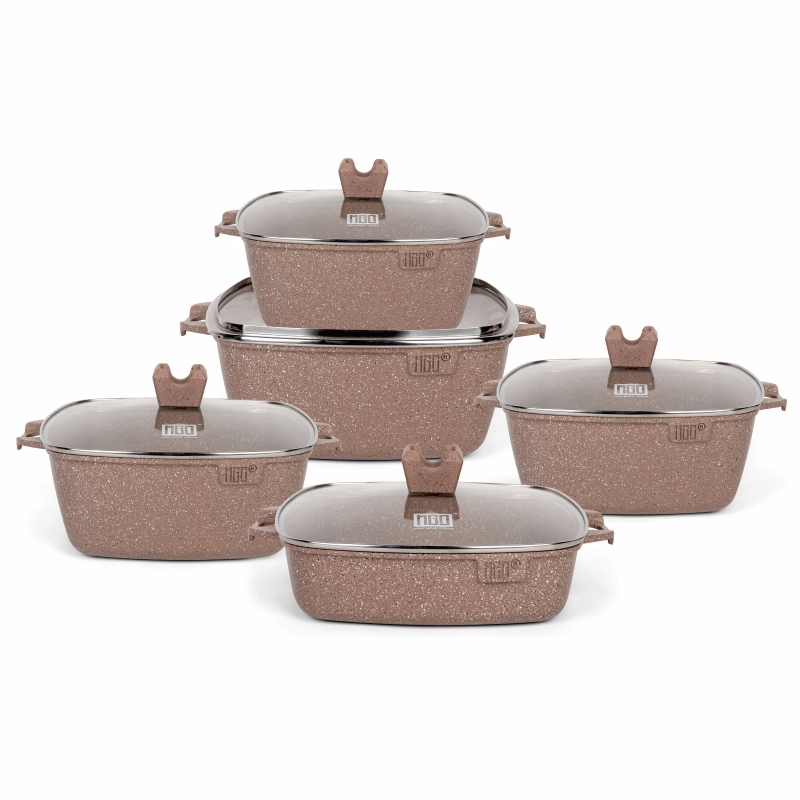
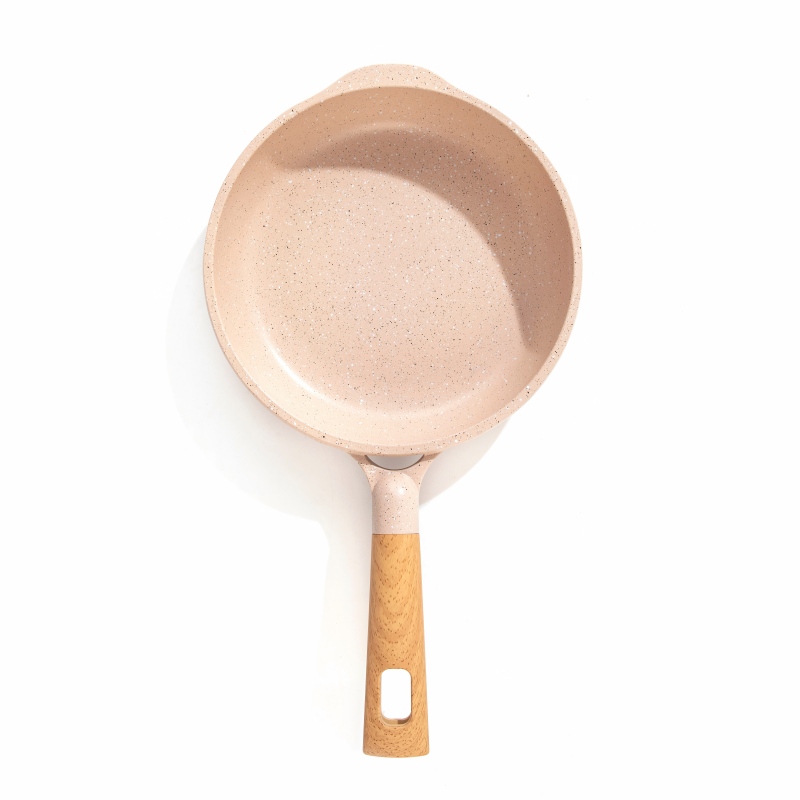
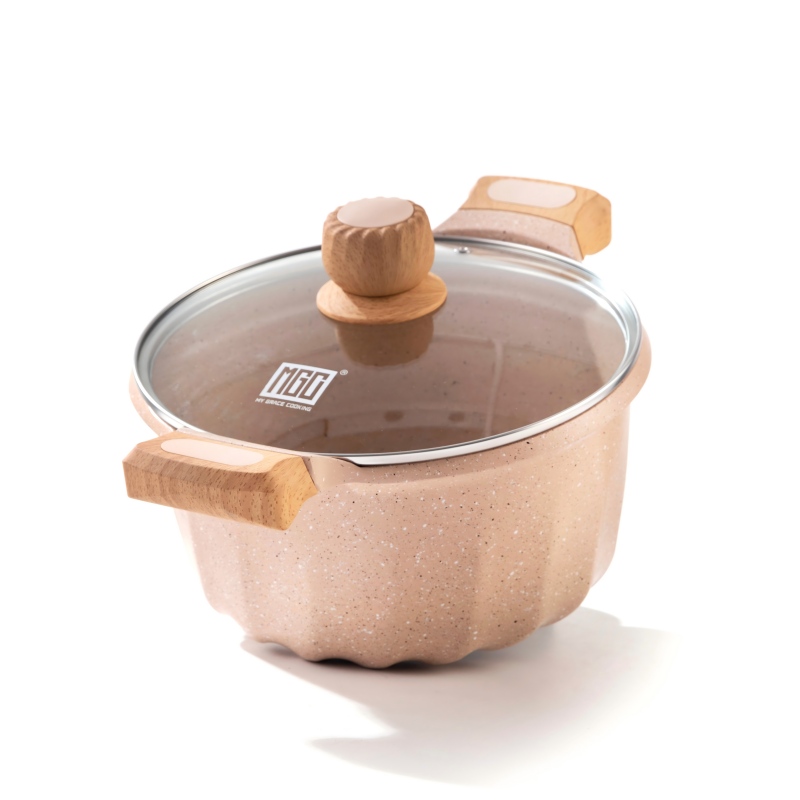
Die cast aluminium cookware is designed to meet the practical demands of contemporary kitchens, combining functional construction with flexible styling options. During manufacturing, molten aluminium is shaped in a mold to create cookware bodies with defined contours and consistent dimensions. The resulting structure can support sturdy designs while maintaining a manageable weight for daily handling. Depending on the model, manufacturers can incorporate nonstick coatings, ergonomic handles, induction compatible bases, and different exterior finishes. Each feature should be specified according to the intended market and cooking application. For household buyers, this cookware can serve everyday tasks such as frying eggs, sautéing vegetables, simmering sauces, and preparing quick family meals. Retailers and distributors can develop coordinated assortments with multiple sizes and complementary colors. Private label projects may also include customized packaging, branding, and product configurations, subject to production capabilities and minimum order requirements. MG Cookware presents cookware solutions for customers evaluating practical kitchen products and collection development opportunities. Buyers should review sample quality, coating specifications, base construction, applicable food contact requirements, and cooking surface compatibility before placing bulk orders. Clear product specifications and suitable care instructions help set realistic performance expectations and support long term customer satisfaction.

Frequently Asked Questions

What Are the Main Benefits of Die Cast Aluminium Cookware?

Die cast aluminium cookware offers relatively lightweight handling, efficient heat transfer, and flexible design options. Depending on the model, a nonstick coating can help release food and simplify cleaning. Actual performance depends on material thickness, coating quality, base construction, and proper use.
Compatibility depends on the cookware's base construction. Models with a suitable magnetic base may work on induction cooktops, while other designs are intended for gas, electric, or ceramic surfaces. Always check the manufacturer's specifications before purchasing cookware for a particular kitchen.
Allow the cookware to cool before washing it with warm water, mild dish soap, and a soft sponge. Avoid abrasive pads that may damage the coating. Follow the manufacturer's instructions for dishwasher use, utensil selection, and temperature limits to preserve the cooking surface.
Customization may include exterior colors, handle styles, logos, packaging, and selected product configurations. Availability depends on the manufacturer's production capabilities, order quantity, and technical requirements. Buyers should confirm samples, specifications, lead times, and minimum order quantities before approving a private label project.
Buyers should evaluate cookware dimensions, weight, coating specifications, handle attachment, base compatibility, packaging, and applicable compliance documentation. Sample inspections and written quality requirements help reduce uncertainty. For larger orders, confirm production schedules, inspection procedures, and agreed acceptance criteria before shipment.

Related article

New Product Development

25

Aug

New Product Development

Struggling to sustain market relevance? Our proven 5-step new product development framework helps B2B teams launch winning solutions faster. Get the playbook now.
View More
How to Choose the Right Cookware Set Material for Better Cooking Results?

14

Sep

How to Choose the Right Cookware Set Material for Better Cooking Results?

Discover how to choose the right cookware set material — aluminum, stainless steel, or non-stick — to match your cooking style and improve results.
View More
How to Choose the Best Cookware for Different Cooking Methods?

18

Sep

How to Choose the Best Cookware for Different Cooking Methods?

Discover how to match cookware to your cooking methods. A practical guide covering materials, heat needs, and kitchen tools for every cooking style.
View More
Proper Cleaning Methods to Extend the Life of a Durable Non Stick Pan.

18

Sep

Proper Cleaning Methods to Extend the Life of a Durable Non Stick Pan.

Learn proper cleaning methods to extend your durable non stick pan's life. Right kitchen habits protect the coating and keep food releasing cleanly.
View More

Customer Testimonials

Daniel Brooks

Our retail partners appreciate the balanced heating and durable finish of these cookware pieces. After three months of regular household use, customers reported easier food release and simpler cleanup.

Emily Carter

We evaluated the cookware for our kitchenware collection and valued its practical designs, customizable appearance, and versatile cooking applications. It offers a promising option for expanding our product range.

Get a Free Quote

Our representative will contact you soon.
Email
Mobile/WhatsApp
Name
Company Name
Message
0/1000
Efficient Heat Distribution for Daily Cooking

Efficient Heat Distribution for Daily Cooking

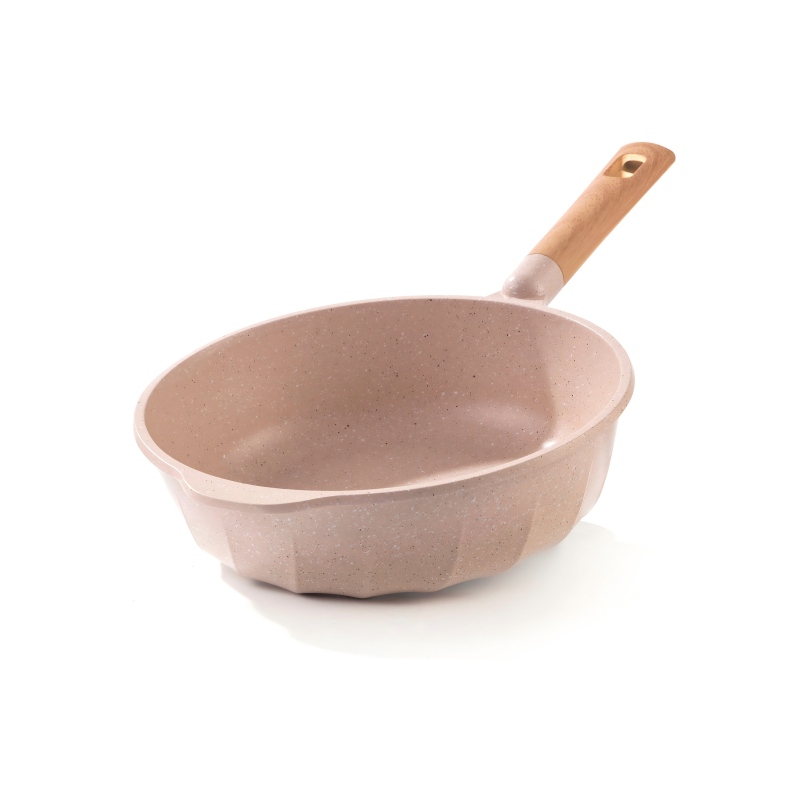
Efficient heat transfer is one reason aluminium remains a popular material for cookware. Die cast construction allows manufacturers to create practical pan shapes and carefully designed cooking surfaces for everyday meal preparation. Home cooks can use suitable models for frying eggs, sautéing vegetables, browning ingredients, and preparing sauces. For example, a family kitchen may benefit from a coordinated collection featuring a frying pan, a deeper sauté pan, and a saucepan for different recipes. Actual heating performance depends on base thickness, burner settings, pan dimensions, and the cooking surface. Buyers should compare these specifications rather than assume every aluminium pan performs identically. Clear product information helps retailers communicate realistic benefits to customers.
Customizable Designs for Retail and Private Label Brands

Customizable Designs for Retail and Private Label Brands

Cookware appearance can influence purchasing decisions, particularly when retailers want a consistent kitchenware collection. Die cast aluminium cookware can offer options for exterior colors, handle designs, surface finishes, and selected coating systems, depending on the manufacturer's capabilities. A retailer developing a coordinated range might choose two exterior colors and three pan sizes to create a recognizable product family. Private label projects can also incorporate branded packaging and product information to support a consistent shopping experience. Before confirming an order, buyers should review physical samples, color references, packaging artwork, and written specifications. They should also verify minimum quantities, production lead times, and quality control arrangements. This structured approach supports more reliable product launches and clearer communication with distribution partners.
Product Specifications That Support Confident Purchasing

Product Specifications That Support Confident Purchasing

Reliable cookware sourcing begins with clearly documented product specifications. Buyers should assess the cookware body's dimensions, weight, coating system, handle attachment, base design, and compatibility with intended cooktops. Food contact compliance requirements and supporting documentation should also be reviewed for the target market. For example, a distributor supplying several retail channels may need different packaging formats while maintaining consistent cookware specifications across the same product family. Sample evaluation can help identify differences in finish, balance, and handling before mass production begins. Written inspection criteria provide a reference for checking delivered goods against approved samples. By combining specification reviews, sample testing, and clear supplier communication, purchasing teams can make better informed decisions and reduce avoidable quality disputes.