Anodised Aluminium Cookware: Durable, Lightweight & Heat-Efficient

Get up to 35% off + Free shipping Shop now

Call Us:+86-579-86903988

Customer Reviews of Anodised Aluminium Cookware

Customer Reviews of Anodised Aluminium Cookware

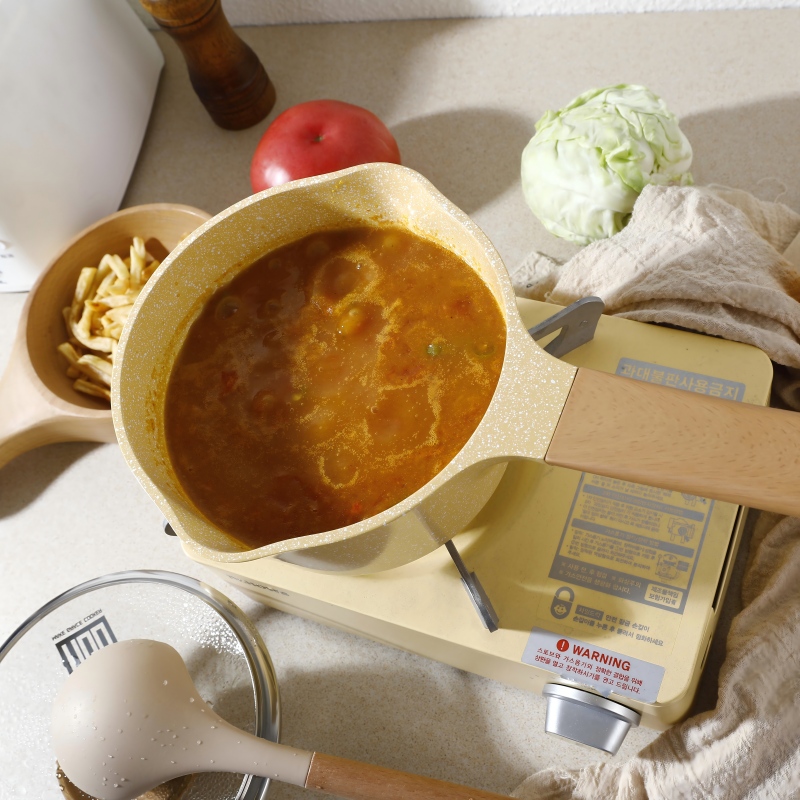
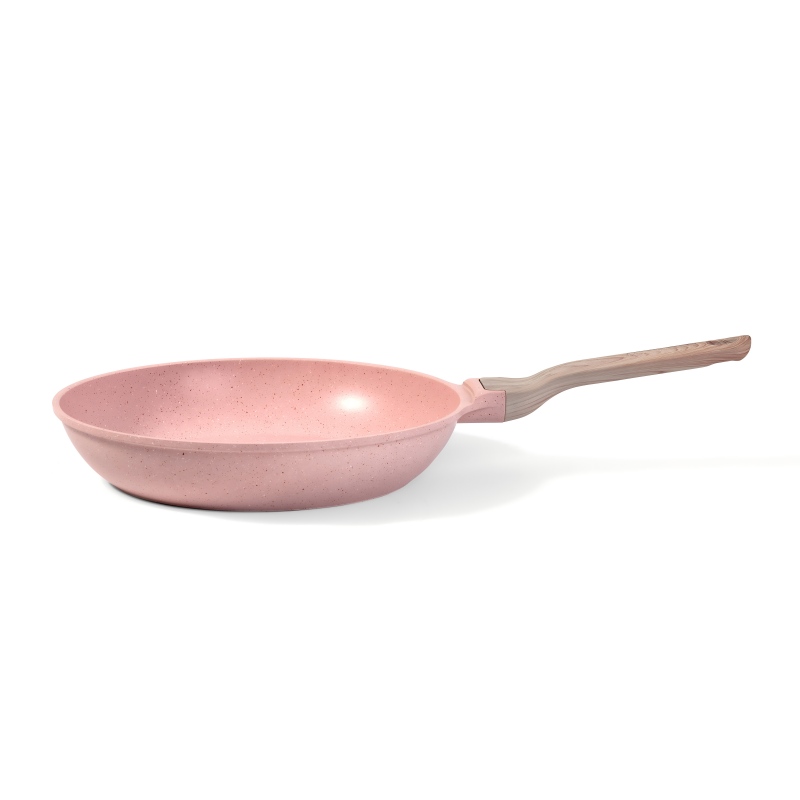
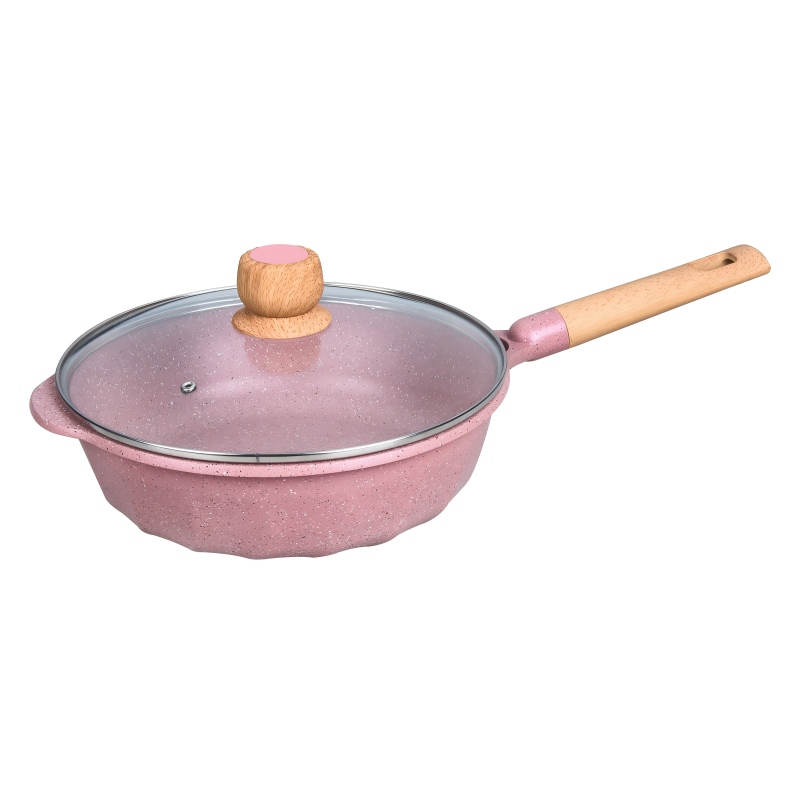
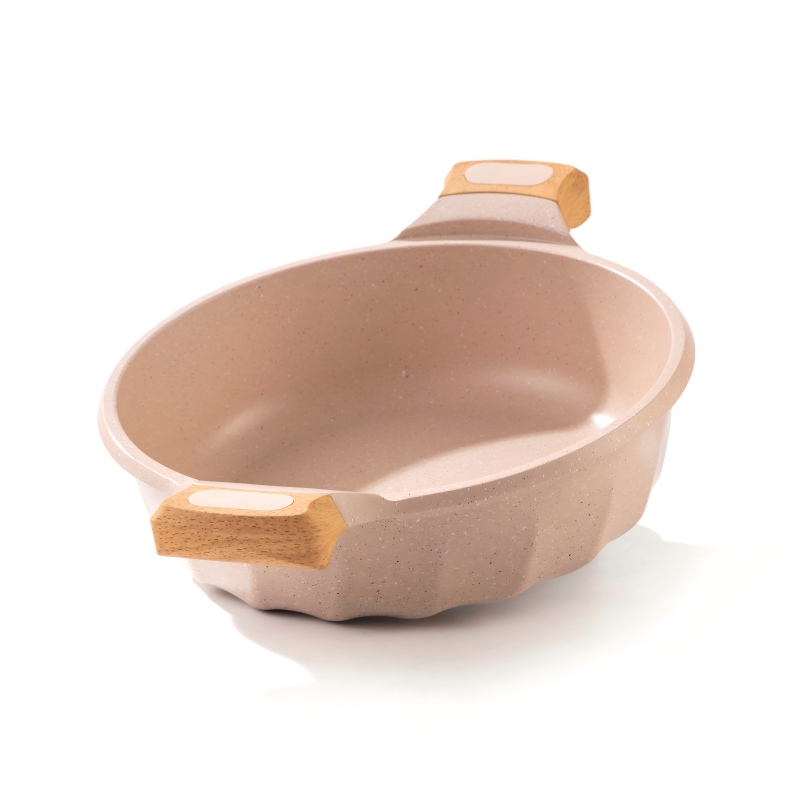
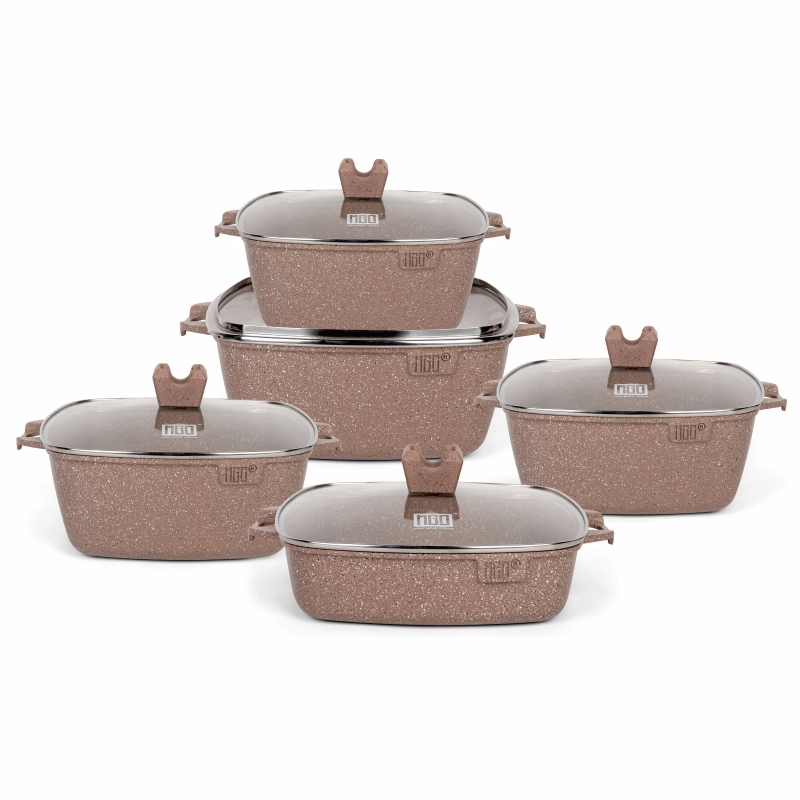
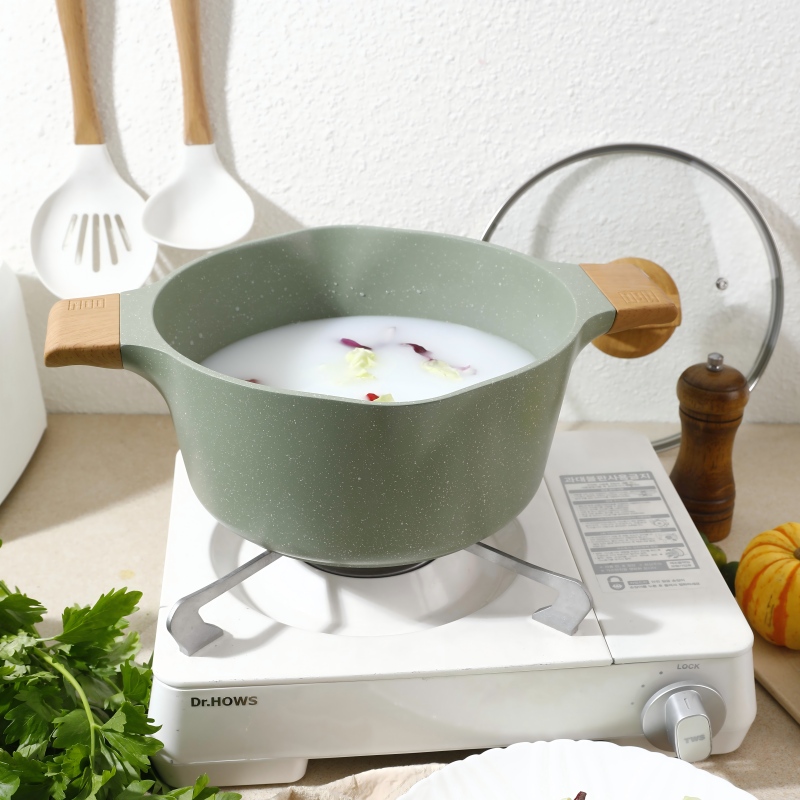
Anodised aluminium cookware combines aluminium's efficient heat transfer with a treated surface designed to improve surface hardness and corrosion resistance. It is a practical option for home kitchens, restaurants, and cookware retailers seeking lightweight products for everyday meal preparation. Depending on the design, suitable pans can support frying, sautéing, simmering, and other common cooking tasks. For example, a retailer stocking three pan sizes may prioritize consistent finishing, comfortable handles, and compatibility with customers' cooking appliances. Buyers should distinguish hard-anodised surfaces from nonstick coatings because they serve different purposes. Reviewing material specifications, care instructions, and product samples helps distributors assess suitability and communicate product features accurately.
Get A Quote

Case Study

Anodised Cookware for Household Kitchens

Households need cookware that balances convenient handling with reliable performance across everyday recipes. Anodised aluminium pans are worth considering for preparing eggs, sautéing vegetables, frying meat, and cooking quick family meals. Their relatively lightweight construction can make lifting and maneuvering easier than with some heavier cookware materials. A family replacing three frequently used pans, for example, may compare pan dimensions, surface finish, handle comfort, and cleaning requirements before choosing replacements. Product performance depends on construction and design, so buyers should inspect samples rather than assume all anodised cookware behaves identically. Clear care instructions also help consumers maintain the cookware and understand its appropriate uses.

Anodised Aluminium Cookware for Restaurants

Restaurants require cookware suited to repeated preparation, busy service periods, and practical cleaning routines. Anodised aluminium cookware may be appropriate for selected food service applications where its construction, capacity, and heat-source compatibility meet operational requirements. A kitchen preparing 100 meals per service, for instance, may assess pan weight, heating response, handle security, and resistance to routine wear. Buyers should verify whether the specific product is compatible with gas, electric, ceramic, or induction equipment. They should also confirm temperature limits and cleaning procedures with the manufacturer. Testing representative samples under realistic conditions helps commercial purchasers compare options and select cookware suited to their kitchens.

Wholesale Sourcing for Private Label Brands

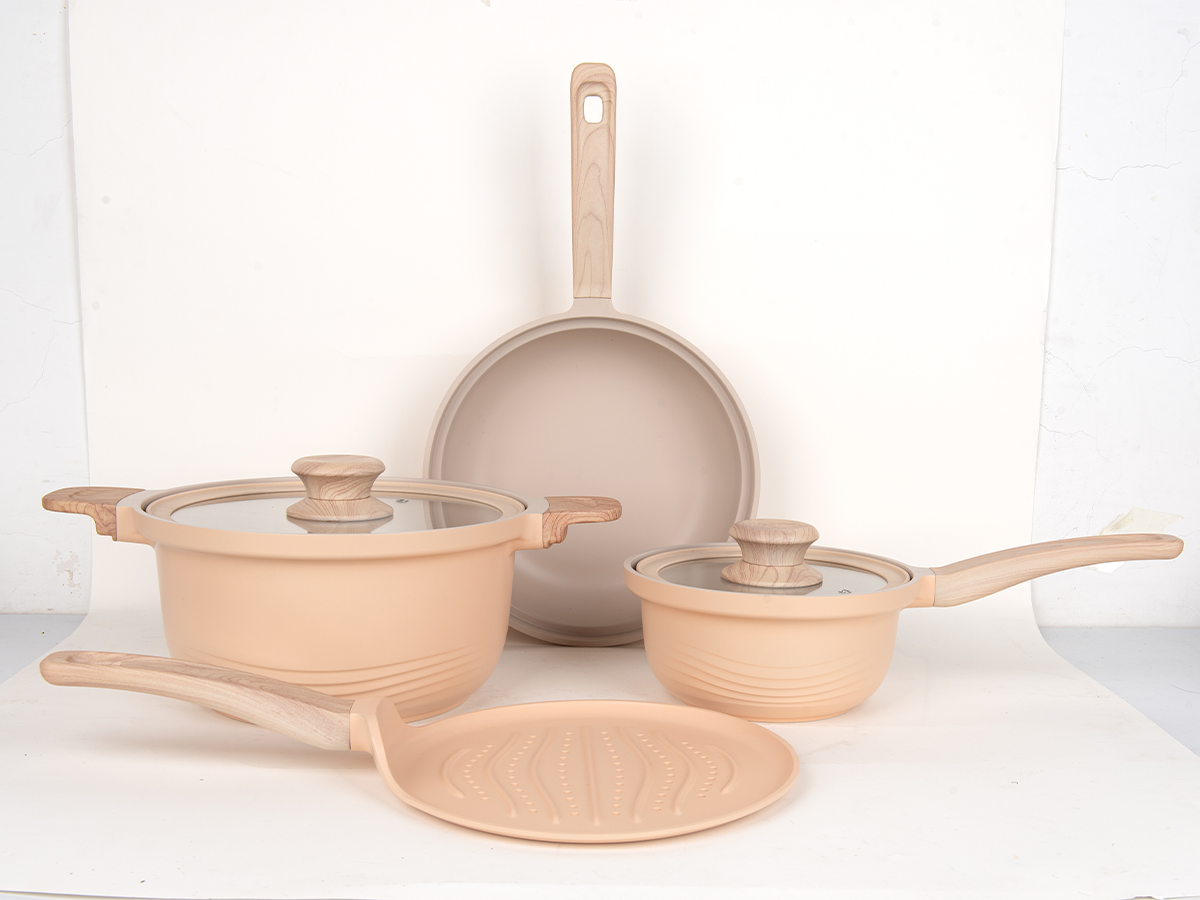
Importers and private label brands sourcing anodised aluminium cookware need consistent product specifications and reliable quality checks. Purchasing teams can evaluate surface treatment, base construction, dimensions, handle attachment, packaging, and branding options before approving production. For example, a distributor developing a four-piece cookware collection may compare several pan sizes to suit different household needs. Buyers should request representative samples, clarify minimum order quantities, and establish inspection criteria before confirming an order. Applicable food contact documentation should also be reviewed for the destination market. A documented approval process helps reduce sourcing misunderstandings and supports more consistent product presentation across wholesale and retail channels.

Related products

Anodised aluminium cookware combines the thermal conductivity of aluminium with a surface modified through an electrochemical process. This treatment creates an aluminium oxide layer designed to improve surface hardness and corrosion resistance compared with untreated aluminium. The result is a practical cookware option for household kitchens, restaurants, and hospitality businesses that value manageable weight and responsive heating. For cookware manufacturers and wholesale buyers, product evaluation should cover the anodising process, material thickness, surface uniformity, handle attachment, and overall construction. It is also important to distinguish anodised aluminium from cookware featuring an additional nonstick coating, since these surfaces have different properties and care requirements. For example, a distributor planning a three-size frying pan collection can compare samples for finish consistency, handling comfort, and cleaning requirements before confirming an order. Buyers should verify the intended heat sources, applicable food contact compliance, and manufacturer maintenance instructions. Visit [https://www.mgccookware.com/](https://www.mgccookware.com/) to explore available cookware options and discuss product specifications, customization requirements, and wholesale purchasing arrangements directly with the supplier.

Frequently Asked Questions

What is anodised aluminium cookware?

Anodised aluminium cookware is made from aluminium that has undergone an electrochemical treatment to create a harder oxide surface. This treatment can improve surface durability and corrosion resistance while retaining aluminium's useful heat conductivity. Product construction and performance vary, so buyers should review individual specifications.
Properly manufactured anodised aluminium cookware is generally suitable for everyday cooking when used according to the manufacturer's instructions. The treated surface can reduce aluminium transfer into food compared with untreated aluminium. Buyers should check product-specific compliance documentation and discontinue using cookware with significant surface damage.
Not necessarily. Anodising modifies the aluminium surface but does not automatically provide the same food-release performance as a separate nonstick coating. Some products include an additional nonstick layer, while others do not. Buyers should verify the actual surface construction before purchasing or recommending cookware.
Standard anodised aluminium is not inherently induction-compatible because aluminium is not ferromagnetic. A product may work on induction if it incorporates a suitable magnetic base. Check the manufacturer's specifications for each model rather than assuming that all anodised aluminium cookware supports induction cooking.
Follow the manufacturer's care instructions and use mild detergent with a soft sponge when handwashing is recommended. Avoid abrasive cleaning tools that could damage the surface. Use appropriate utensils, respect temperature limits, and inspect the cookware regularly. Dishwasher suitability varies by product construction and manufacturer guidance.

Related article

New National Agency Established

28

Jul

New National Agency Established

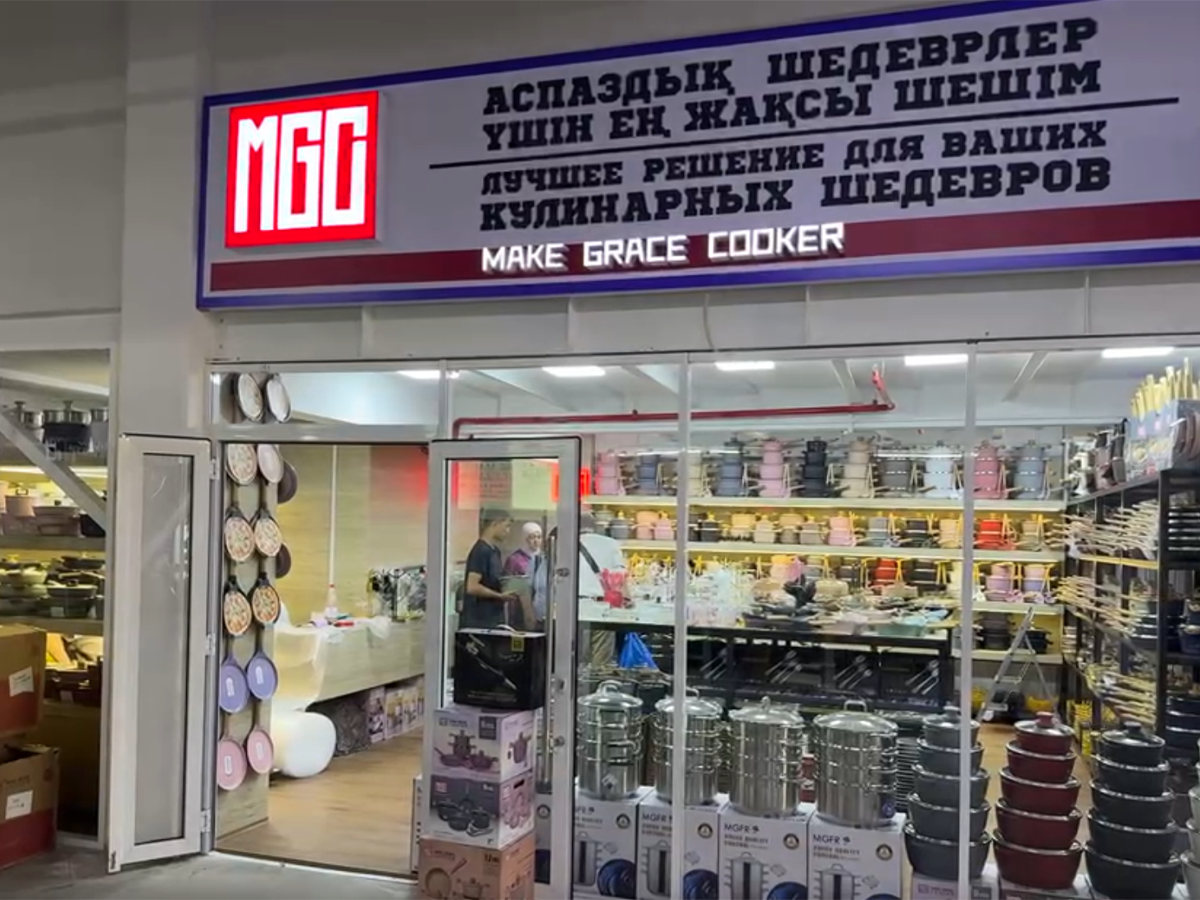
Just launched: exclusive national agency in Kazakhstan with Almaty wholesale center. Streamline distribution, cut logistics costs, and scale market access. Request partnership details now.
View More
New Product Development

25

Aug

New Product Development

Struggling to sustain market relevance? Our proven 5-step new product development framework helps B2B teams launch winning solutions faster. Get the playbook now.
View More
How to Choose the Right Pan Size for Different Cooking Needs?

14

Sep

How to Choose the Right Pan Size for Different Cooking Needs?

Find the right pan size for your kitchen. Covers key criteria — from cooking portions to frying techniques — to help you choose smarter.
View More
Proper Cleaning Methods to Extend the Life of a Durable Non Stick Pan.

18

Sep

Proper Cleaning Methods to Extend the Life of a Durable Non Stick Pan.

Learn proper cleaning methods to extend your durable non stick pan's life. Right kitchen habits protect the coating and keep food releasing cleanly.
View More

Customer Testimonials

Daniel Carter

Illustrative buyer feedback: We evaluated three anodised aluminium pans for everyday cooking. Surface consistency, comfortable handling, and practical cleaning requirements helped our team assess their suitability for regular household use.

Emily Parker

Illustrative buyer feedback: Our team compared two anodised aluminium cookware samples for retail distribution. Product specifications, finish quality, and packaging requirements helped us assess their potential for a new kitchenware collection.

Get a Free Quote

Our representative will contact you soon.
Email
Mobile/WhatsApp
Name
Company Name
Message
0/1000
Enhanced Surface Durability Through Anodising

Enhanced Surface Durability Through Anodising

The anodising process changes the surface of aluminium through controlled electrochemical treatment, creating an oxide layer intended to improve hardness and corrosion resistance. This makes anodised aluminium cookware an option for kitchens that require practical equipment for repeated meal preparation. For example, a household using frying pans several times a week may value a surface designed to resist everyday wear when properly maintained. However, durability depends on the anodising specifications, overall construction, and care practices. Buyers should distinguish the treated aluminium body from any additional nonstick coating and assess both components independently. Reviewing sample quality and manufacturer documentation helps distributors communicate product characteristics accurately.
Efficient Heat Transfer for Everyday Cooking

Efficient Heat Transfer for Everyday Cooking

Aluminium is widely used in cookware because it transfers heat efficiently and is relatively lightweight. Anodised aluminium cookware retains these useful material characteristics, making it suitable for tasks such as sautéing vegetables, frying ingredients, and preparing everyday meals. In a restaurant preparing several batches of food during a lunch service, responsive heating can help cooks adjust temperatures as recipes require. Actual results depend on material thickness, pan geometry, heat settings, and the cooking appliance. Buyers should evaluate representative samples rather than assuming every model heats identically. Comparing base construction, pan dimensions, and handling comfort helps businesses select cookware suited to household or commercial applications.