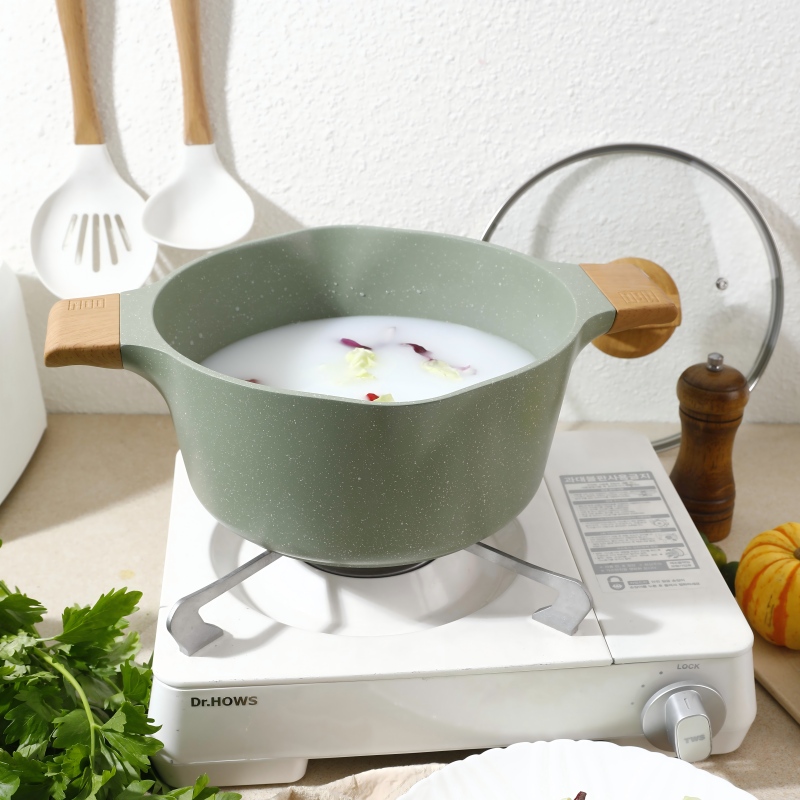
Anodised Aluminium Cookware for Restaurants
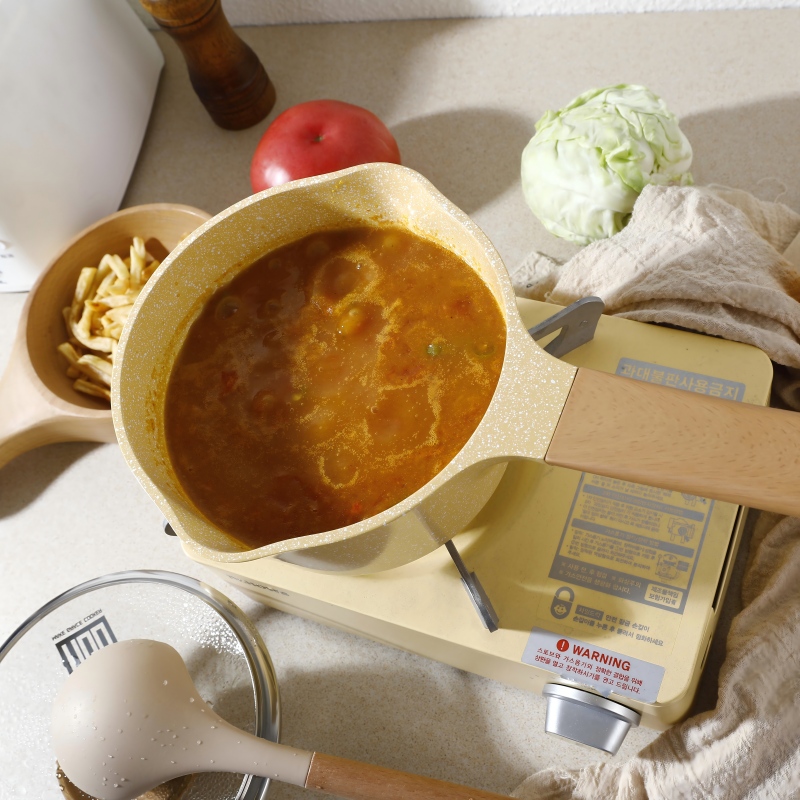
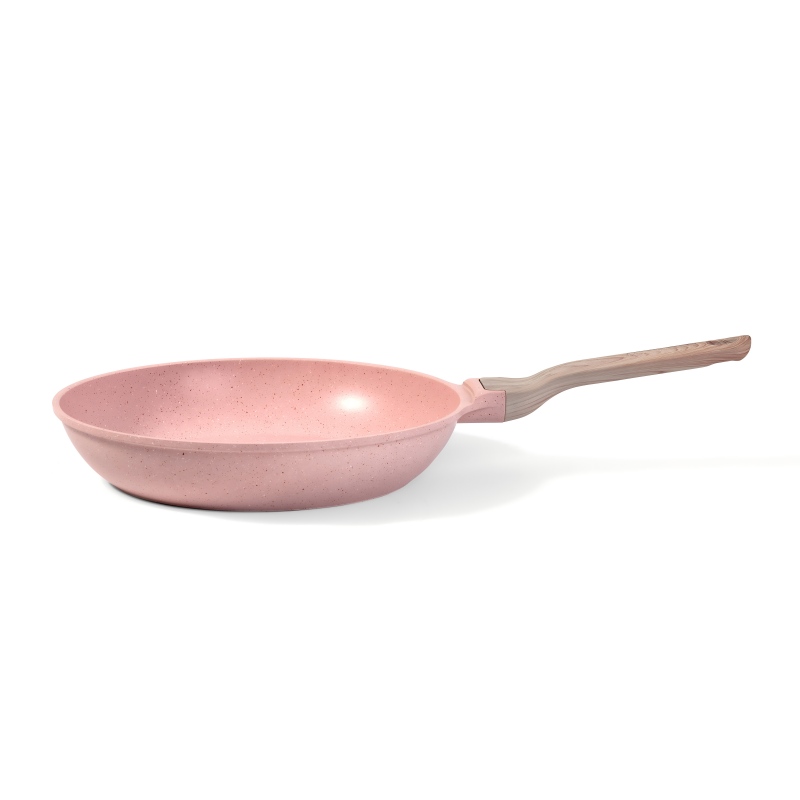
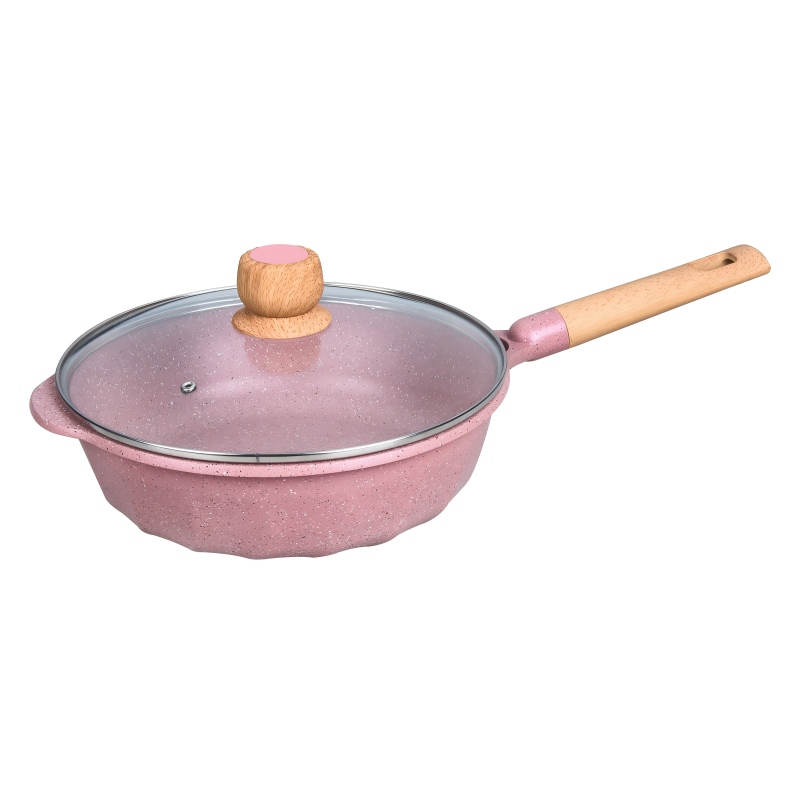
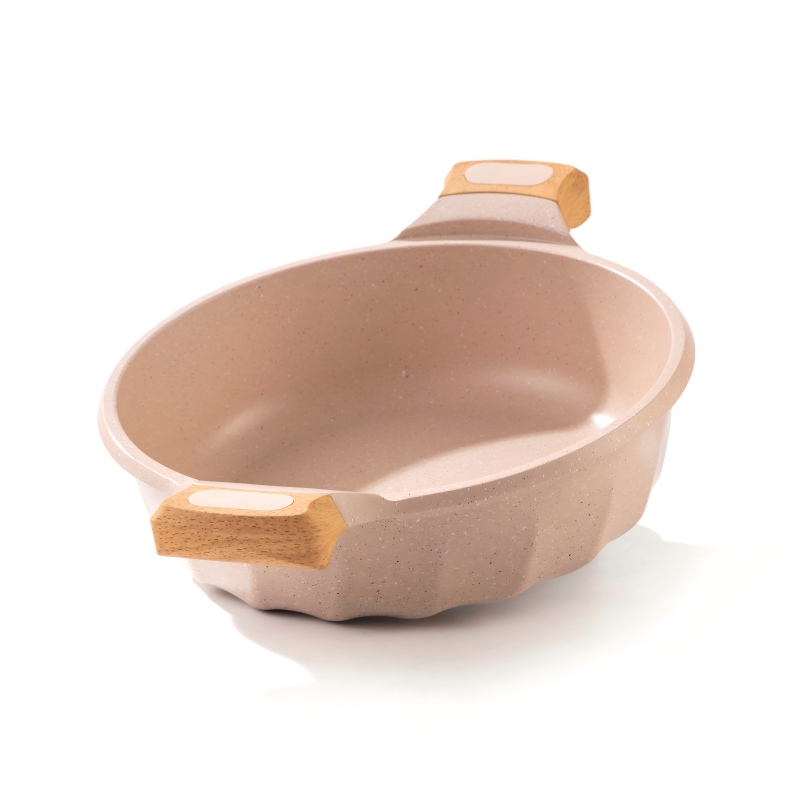
Restaurants require cookware suited to repeated preparation, busy service periods, and practical cleaning routines. Anodised aluminium cookware may be appropriate for selected food service applications where its construction, capacity, and heat-source compatibility meet operational requirements. A kitchen preparing 100 meals per service, for instance, may assess pan weight, heating response, handle security, and resistance to routine wear. Buyers should verify whether the specific product is compatible with gas, electric, ceramic, or induction equipment. They should also confirm temperature limits and cleaning procedures with the manufacturer. Testing representative samples under realistic conditions helps commercial purchasers compare options and select cookware suited to their kitchens.

 EN