EN


New Market Promotion
Struggling to demonstrate product value? Face-to-face customer engagement drives 3.2x higher conversion in B2B markets. Discover proven field promotion tactics now.
View More
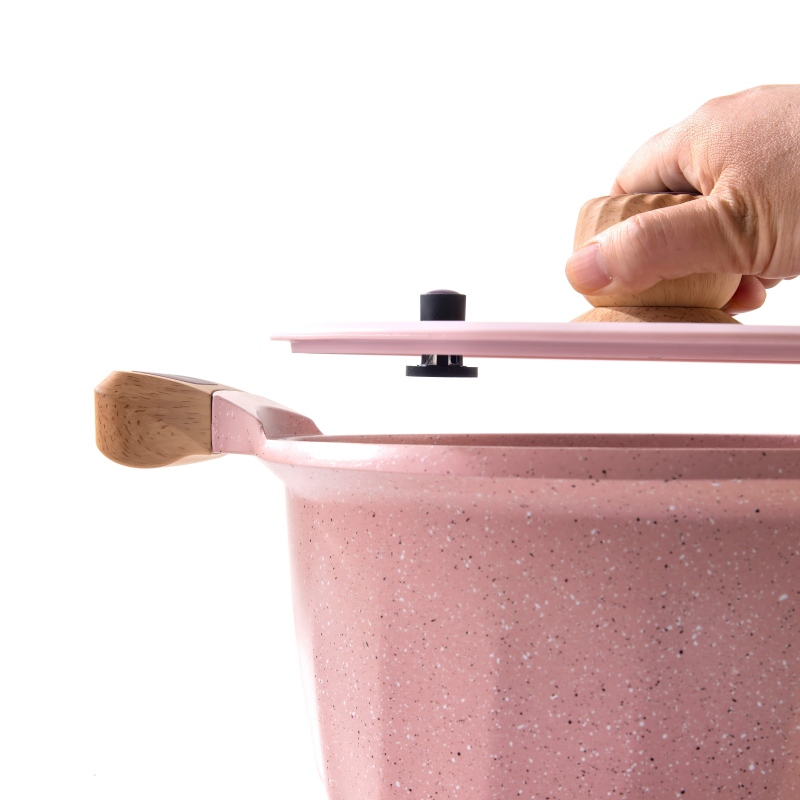
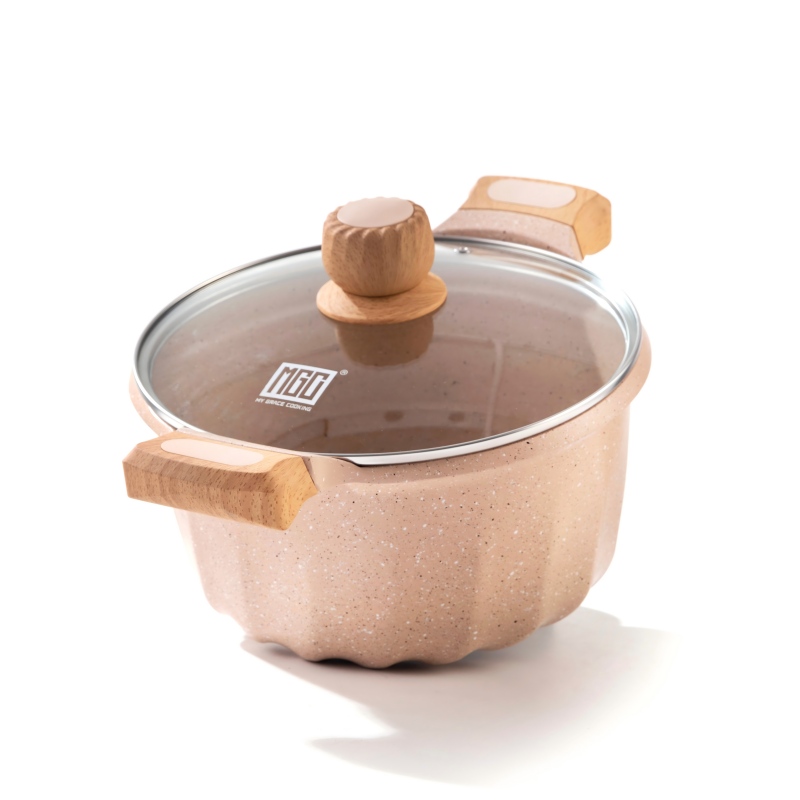
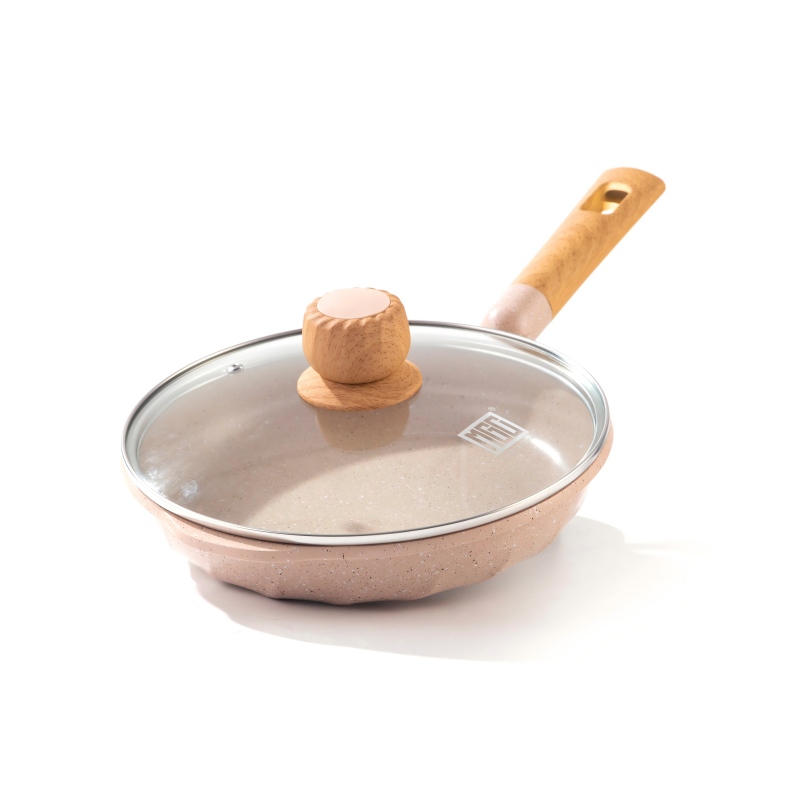
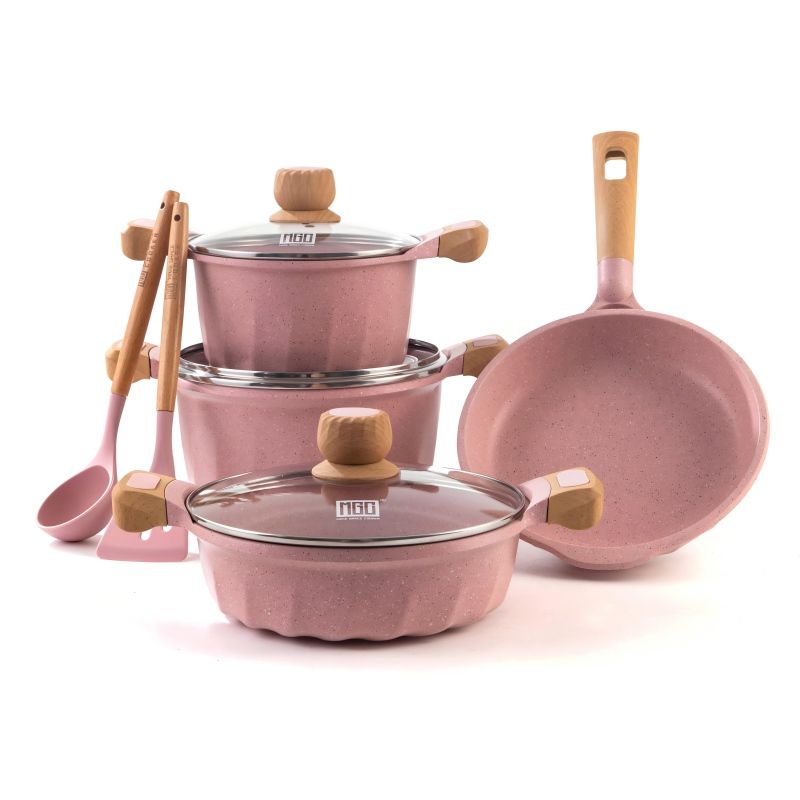
Die cast aluminum cookware is produced by shaping aluminum through a casting process to create a cookware body with defined dimensions and design features. Aluminum is widely used because it transfers heat efficiently and is relatively lightweight compared with many other cookware materials. Common products include frying pans, sauté pans, and saucepans designed for different cooking tasks. The final cooking experience depends on factors such as body thickness, base design, surface treatment, handle construction, and compatible heat sources. Some models feature nonstick coatings to support food release and simplify everyday cleaning. However, coating materials and care requirements vary, so users should follow the product's instructions and avoid overheating an empty nonstick pan. Buyers should also check whether the cookware is compatible with induction cooktops, ovens, or dishwashers rather than assuming every model supports these uses. For B2B buyers, MGCCookware provides a starting point for exploring cookware products and potential customization options. Importers and retailers can evaluate dimensions, exterior finishes, handle styles, packaging, and branding requirements according to their target markets. Before ordering, request samples, confirm technical specifications, and review relevant food contact documentation. This approach helps businesses select cookware that aligns with customer expectations, practical applications, and applicable market requirements.
25
Aug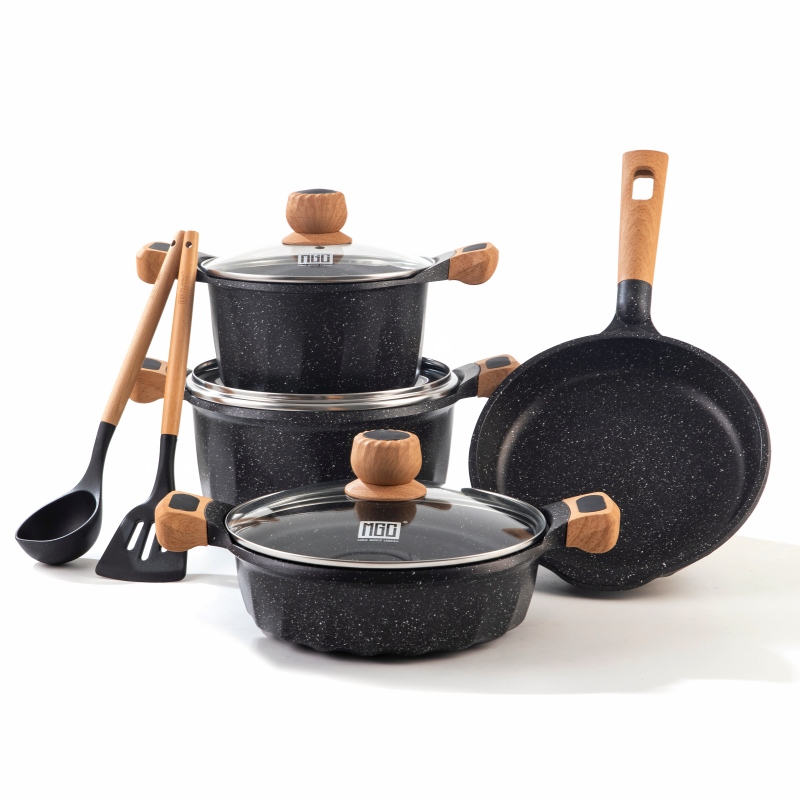
18
Sep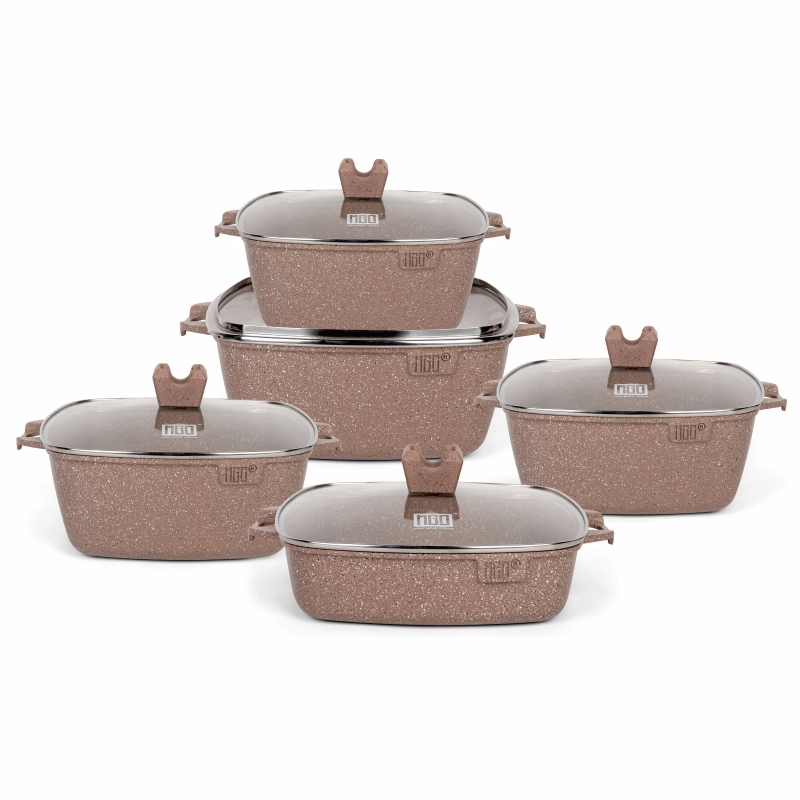
18
Sep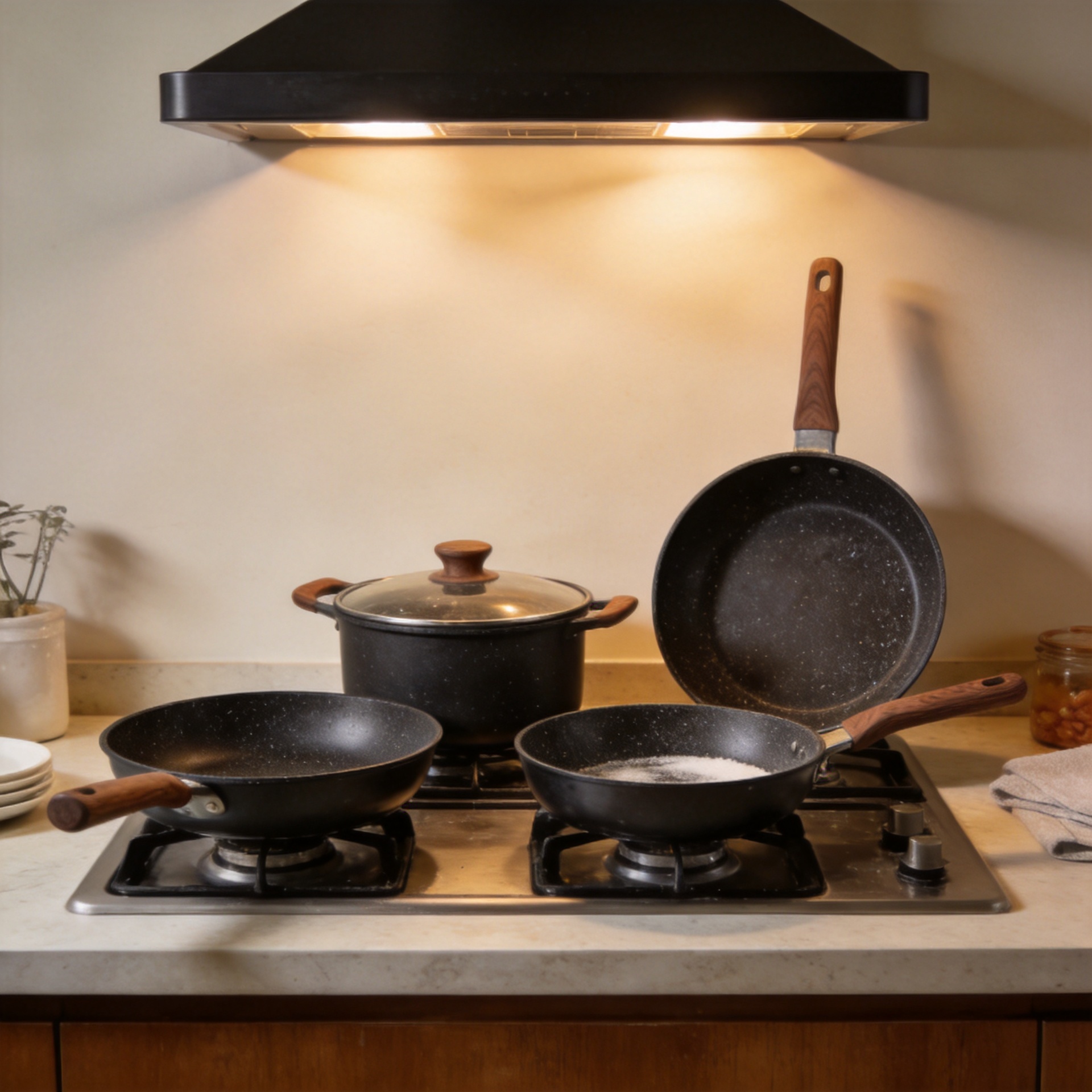
18
Sep