Die Cast Aluminum Cookware Reviews: Heat, Non-Stick & B2B Insights

Get up to 35% off + Free shipping Shop now

Call Us:+86-579-86903988

Die Cast Aluminum Cookware Reviews and Buying Insights

Die Cast Aluminum Cookware Reviews and Buying Insights

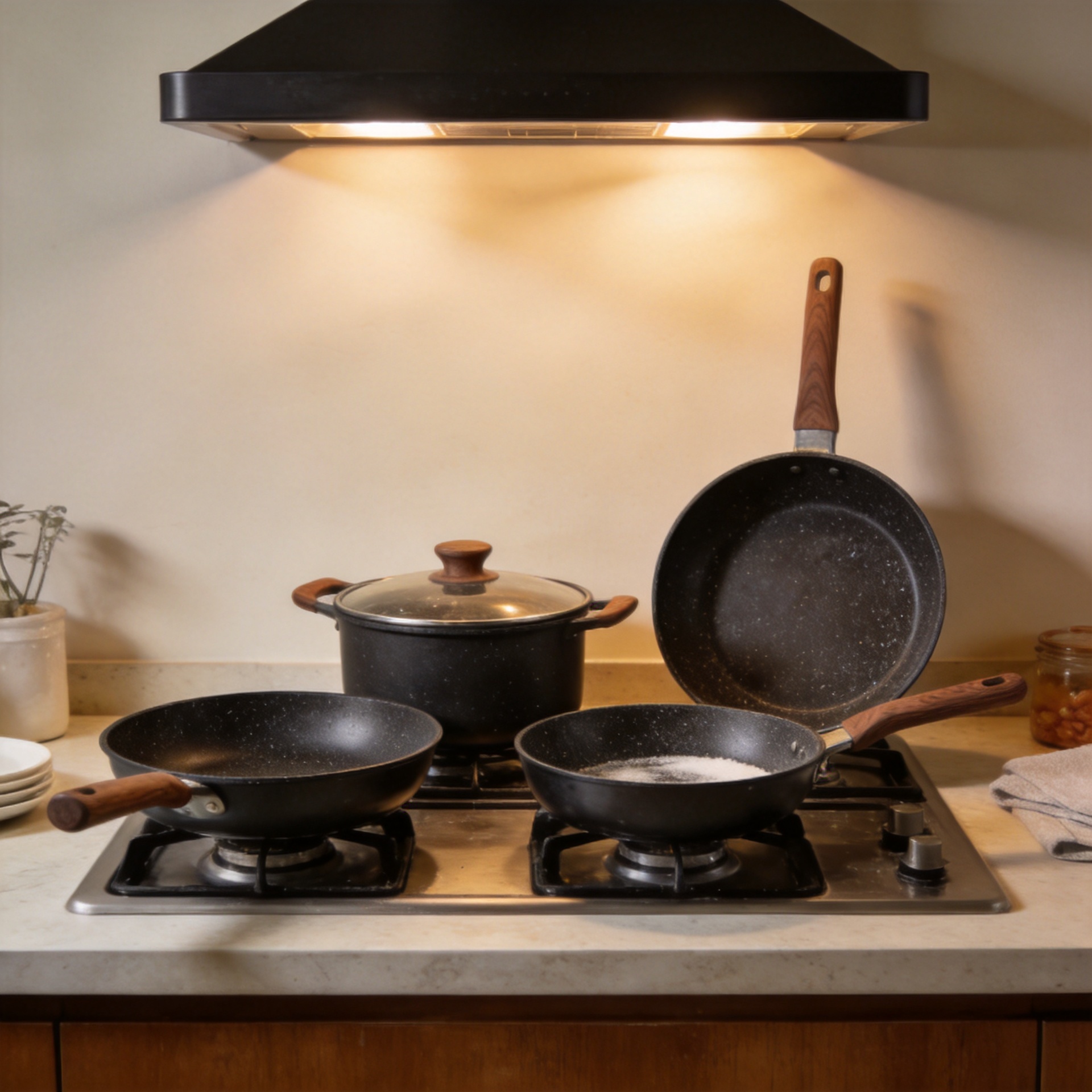
Die cast aluminum cookware reviews often focus on heat distribution, handling comfort, surface performance, durability, and ease of cleaning. Aluminum transfers heat efficiently, while die casting creates a shaped cookware body suitable for a variety of everyday cooking tasks. Non stick models may offer convenient food release, although performance depends on coating quality, product condition, and proper maintenance. For example, someone preparing eggs and vegetables regularly may prioritize a smooth cooking surface and a comfortable handle, while a family cook may prefer a larger pan or covered casserole. Before choosing cookware, compare product specifications, customer feedback, warranty terms, and care instructions. A balanced review should consider both practical advantages and limitations rather than relying on appearance or price alone.
Get A Quote

Case Study

Reviewing Heat Distribution and Cooking Results

Heat distribution is an important consideration when evaluating die cast aluminum cookware. Aluminum transfers heat efficiently, but actual results also depend on the cookware's thickness, base construction, burner size, and temperature settings. For example, customers preparing pancakes or sautéed vegetables may notice differences in browning when a pan heats unevenly. When reading reviews, look for specific descriptions of cooking performance rather than general claims that a pan heats perfectly. Compare feedback across similar product sizes and intended cooking surfaces. This approach helps shoppers distinguish useful product experiences from subjective preferences and select cookware that better matches their everyday cooking requirements.

Assessing Non Stick Coating Performance

Non stick performance is another common topic in die cast aluminum cookware reviews. A suitable coating can help food release more easily and simplify cleanup, but results depend on coating construction, usage, utensils, and care. For example, customers cooking eggs may value easy release, while frequent home cooks may pay closer attention to how the surface performs after repeated use. Look for reviews that explain cooking habits and maintenance methods instead of relying on broad durability claims. Check the manufacturer's instructions for recommended utensils, temperature limits, and cleaning methods. These details provide a more useful basis for comparing cookware options.

Comparing Comfort, Weight, and Everyday Use

Handling comfort can strongly influence whether cookware suits a particular kitchen. Die cast aluminum products may vary in weight, handle shape, pan diameter, and balance, so shoppers should assess the complete design rather than material alone. For example, someone cooking daily may prefer a handle that feels secure and a pan that is manageable when filled with food. Reviews mentioning storage, pouring, lid fit, and cleaning can reveal practical strengths and limitations. Compare these observations with the product's stated dimensions and specifications. A careful assessment helps buyers select cookware that suits their routines, physical comfort, available storage, and cooking preferences.

Related products

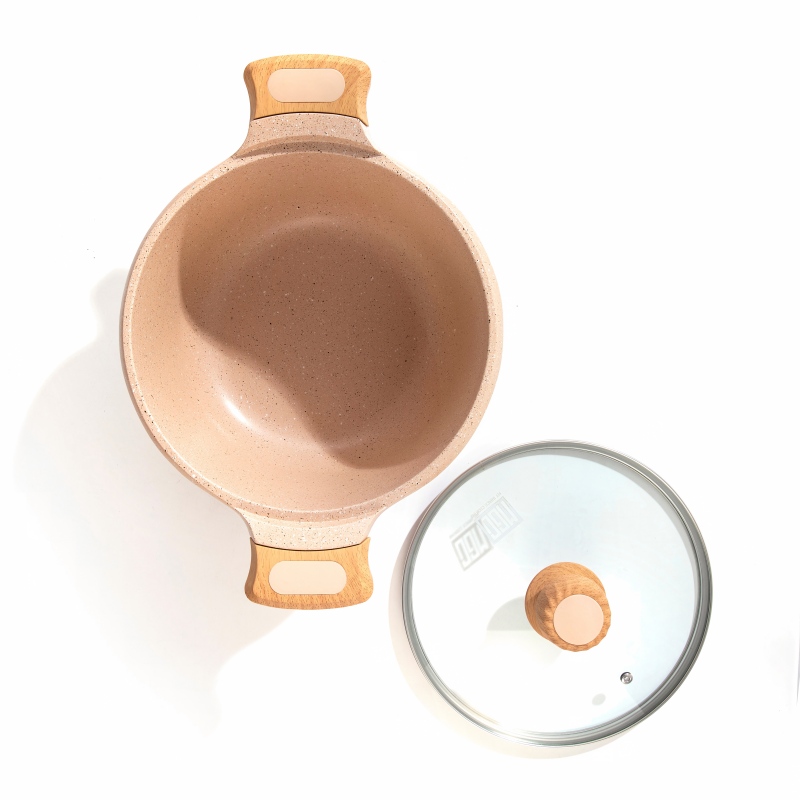
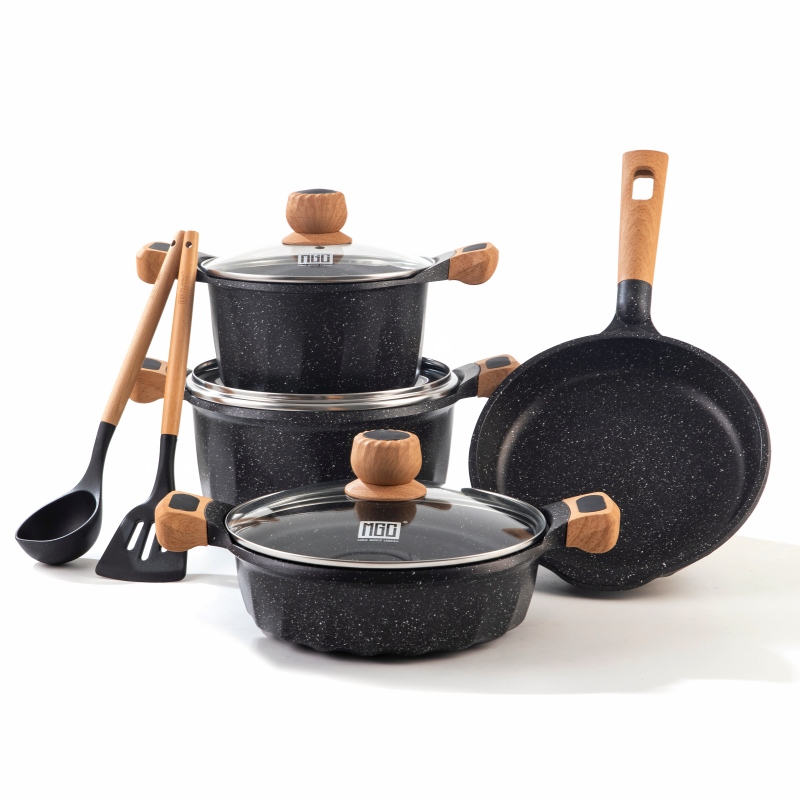
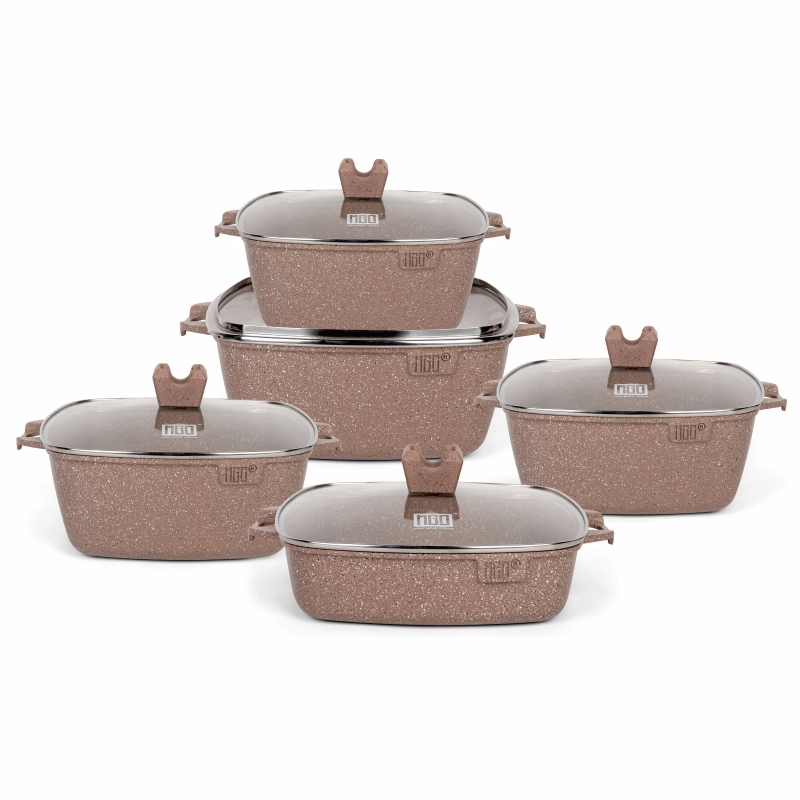
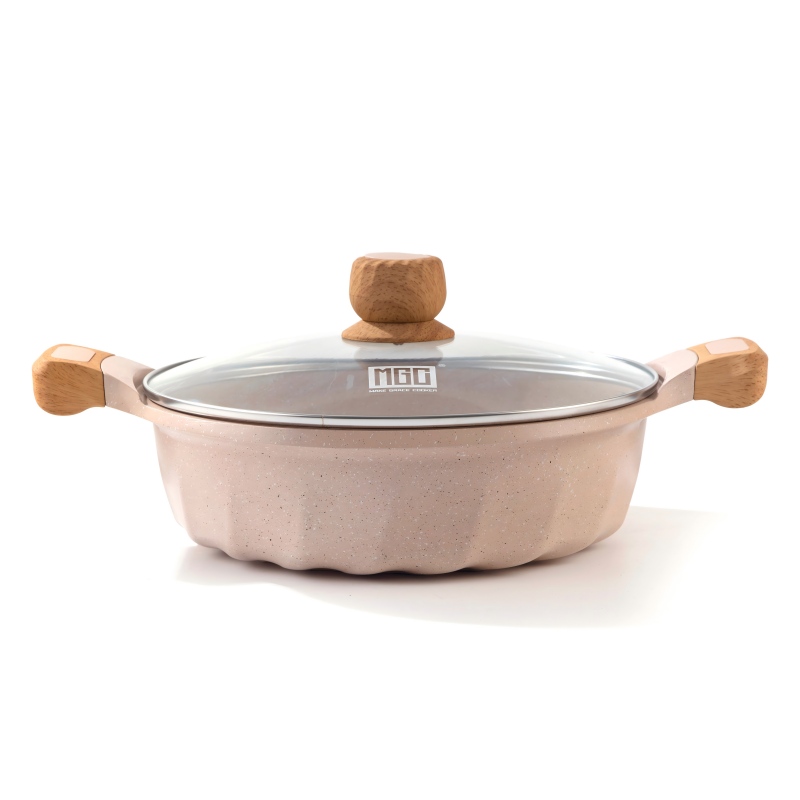
Die cast aluminum cookware reviews can help buyers understand how different products perform in real kitchens, but individual experiences should be considered alongside verified specifications. Aluminum is valued for efficient heat transfer, while die casting forms cookware bodies with defined shapes and dimensions. Depending on the model, products may feature non stick interiors, glass lids, ergonomic handles, or bases designed for specific cooking surfaces. These features are not universal, so check the exact product description before making comparisons. When assessing reviews, focus on practical details such as cooking performance, food release, handle comfort, cleaning effort, and long term coating care. For example, a household preparing breakfast daily may prioritize a non stick frying pan, while a family cooking larger meals may prefer a deeper casserole. MGCCookware supports B2B buyers exploring cookware options for retail, wholesale, and private label programs. Reviewing samples where available, confirming product specifications, and understanding maintenance requirements can help buyers make more informed sourcing decisions and select cookware that matches their intended market.

Frequently Asked Questions

What do die cast aluminum cookware reviews usually evaluate?

Reviews commonly assess heat distribution, cookware weight, handle comfort, coating performance, ease of cleaning, and overall value. Look for specific examples describing everyday cooking rather than relying only on star ratings. Comparing several reviews with the manufacturer's specifications provides a more balanced view of a product's strengths and limitations.
It can be a practical choice because aluminum transfers heat efficiently and is generally lighter than cast iron. Products with non stick coatings may also simplify food release and cleaning. However, construction, coating quality, and maintenance requirements vary, so evaluate each model against your cooking habits and budget.
Look for reviews describing how the coating performs during regular cooking and cleaning, rather than relying on short initial impressions. Check the manufacturer's care instructions, recommended utensils, and heat limits. Scratches, excessive heat, and abrasive cleaning can damage some coatings, so product maintenance is an important part of long term performance.
Not every model works with induction. Aluminum is not naturally magnetic, so induction compatibility depends on whether the cookware has a suitable magnetic base. Verify the exact product specifications before purchasing. Buyers sourcing cookware for different markets should confirm appliance compatibility rather than assuming all aluminum products support induction cooking.
Compare product dimensions, body construction, coating type, handle design, lid features, cooktop compatibility, cleaning instructions, and warranty terms where available. Review the intended cooking tasks and expected frequency of use. These details help shoppers distinguish between products with similar appearances and select cookware that better suits their needs.

Related article

How to Choose the Right Cookware Set Material for Better Cooking Results?

14

Sep

How to Choose the Right Cookware Set Material for Better Cooking Results?

Discover how to choose the right cookware set material — aluminum, stainless steel, or non-stick — to match your cooking style and improve results.
View More
How to Choose the Best Cookware for Different Cooking Methods?

18

Sep

How to Choose the Best Cookware for Different Cooking Methods?

Discover how to match cookware to your cooking methods. A practical guide covering materials, heat needs, and kitchen tools for every cooking style.
View More
Proper Cleaning Methods to Extend the Life of a Durable Non Stick Pan.

18

Sep

Proper Cleaning Methods to Extend the Life of a Durable Non Stick Pan.

Learn proper cleaning methods to extend your durable non stick pan's life. Right kitchen habits protect the coating and keep food releasing cleanly.
View More
How to Extend the Lifespan of Your Cookware Through Proper Use?

18

Sep

How to Extend the Lifespan of Your Cookware Through Proper Use?

Learn how to extend the lifespan of your cookware through proper use, smart cooking habits, cleaning methods, and everyday kitchen care tips.
View More

Customer Testimonials

James Miller

Buyers comparing die cast aluminum cookware often prioritize even heating, comfortable handling, easy food release, and straightforward cleaning when choosing products for everyday family meals.

Emily Carter

Reviewing cookware construction, coating durability, pan dimensions, and maintenance requirements helps shoppers compare products and select options suited to their cooking routines and budgets.

Get a Free Quote

Our representative will contact you soon.
Email
Mobile/WhatsApp
Name
Company Name
Message
0/1000
Evaluate Performance Beyond Star Ratings

Evaluate Performance Beyond Star Ratings

A useful cookware review explains how a product performs during specific cooking tasks instead of simply declaring it good or bad. Look for comments about frying eggs, sautéing vegetables, cooking sauces, and cleaning after use. For example, a reviewer who describes the pan size, heat setting, and type of food provides more practical context than a vague statement about excellent performance. Compare these observations with verified product specifications, including body construction, coating type, and compatible cooking surfaces. Reviewing several independent experiences can help identify recurring strengths or concerns. This approach supports more informed purchasing decisions and reduces reliance on isolated opinions.
Compare Materials, Coatings, and Maintenance

Compare Materials, Coatings, and Maintenance

Die cast aluminum cookware should be evaluated as a complete product rather than by material name alone. The aluminum body influences heat transfer, while the coating, base design, and handle construction affect everyday use. For example, a non stick frying pan may suit delicate foods, but its long term performance depends partly on proper care and coating condition. Buyers should check whether the product supports their cooking appliances and review any restrictions on utensils, temperature, oven use, or cleaning methods. Comparing these details alongside customer reviews gives shoppers a clearer understanding of product suitability and helps them choose cookware that matches their kitchen routines.
Make Better Decisions for B2B Cookware Sourcing

Make Better Decisions for B2B Cookware Sourcing

For retailers, wholesalers, and private label buyers, cookware reviews can provide useful insights into the features customers notice most. Common considerations include pan dimensions, comfortable handling, non stick performance, packaging, and ease of maintenance. For example, a retailer planning a cookware collection can compare customer feedback across frying pans, casseroles, and cookware sets before deciding which product categories deserve priority. MGCCookware supports B2B buyers exploring cookware options and discussing product requirements for different markets. Requesting samples where available and verifying specifications helps purchasing teams assess products more directly. Combining customer insights with product checks can support a more suitable assortment and clearer product communication.