Aluminum Nonstick Cookware: B2B Guide for Wholesalers & Brands

Get up to 35% off + Free shipping Shop now

Call Us:+86-579-86903988

Customer Feedback on Aluminum Nonstick Cookware

Customer Feedback on Aluminum Nonstick Cookware

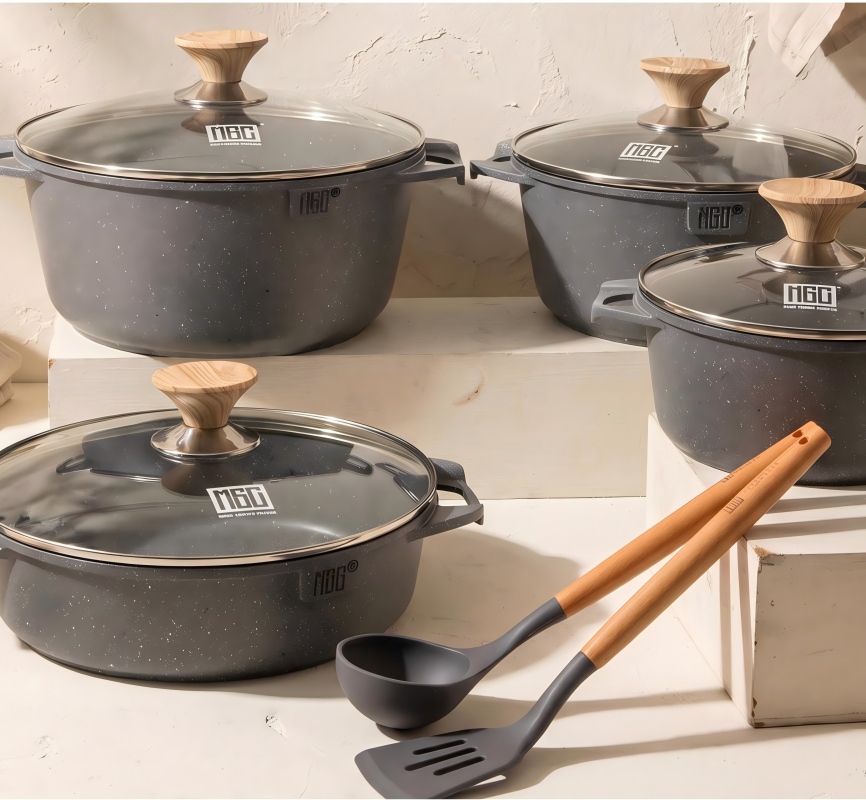
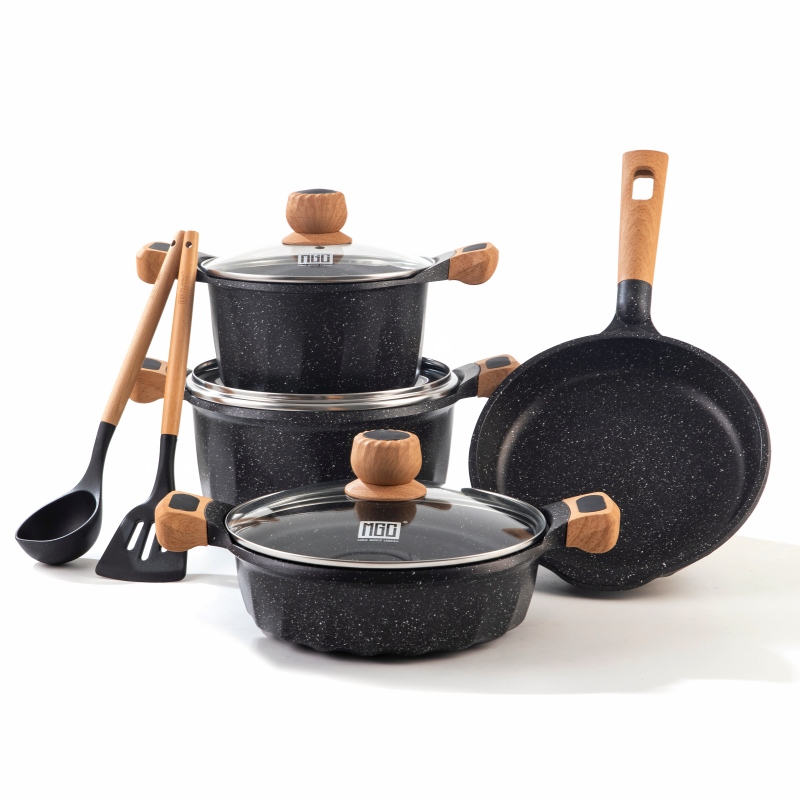
Aluminum nonstick cookware combines the lightweight characteristics of aluminum with a coated cooking surface designed to help reduce food sticking. This combination suits everyday tasks such as frying eggs, sautéing vegetables, preparing pancakes, and reheating meals. Aluminum construction can make pans easier to handle, while suitable nonstick coatings can simplify routine cleaning when cookware is used correctly. For example, a frying pan used for breakfast and a saucepan used for preparing sauces can serve complementary kitchen needs. Buyers should assess aluminum thickness, coating specifications, handle design, heat distribution, and cooktop compatibility. For wholesalers and private-label brands, these details help define product ranges that match customer preferences and intended market positioning.
Get A Quote

Case Study

Everyday Household Cooking

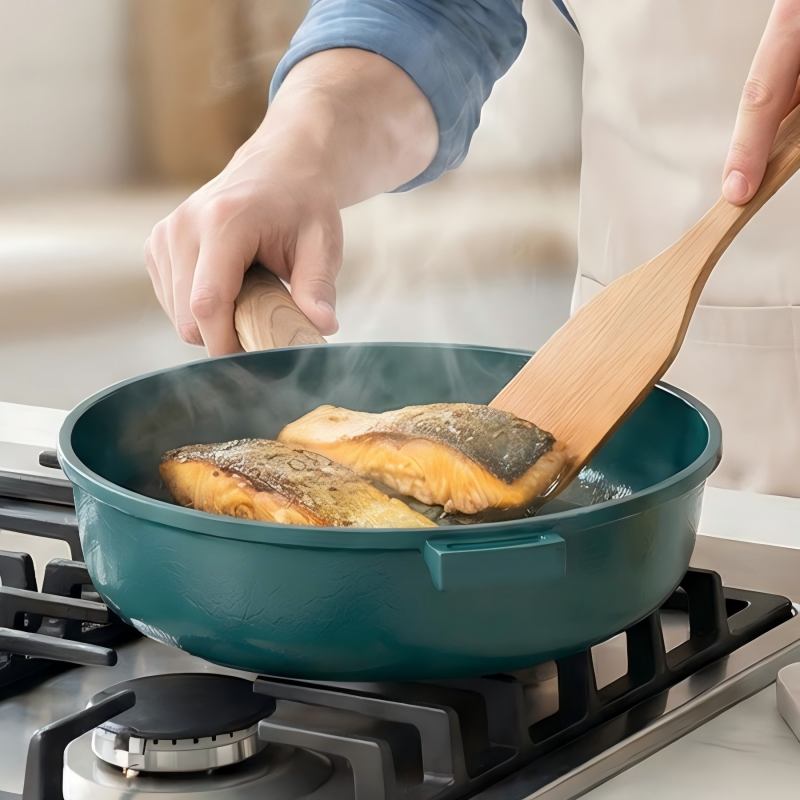
Households need cookware that supports frequent meal preparation without unnecessary handling difficulty. Aluminum nonstick frying pans can be suitable for dishes such as eggs, pancakes, vegetables, and delicate fish, depending on the product specifications. Their relatively lightweight construction can make lifting and maneuvering easier for many users. For example, a medium frying pan may serve breakfast preparation, while a larger pan supports family dinners. Buyers should compare pan dimensions, coating type, handle comfort, and cleaning requirements before choosing a product. Following recommended heat settings and using suitable utensils can help maintain the cooking surface and support appropriate everyday use.

Retail and E-Commerce Product Selection

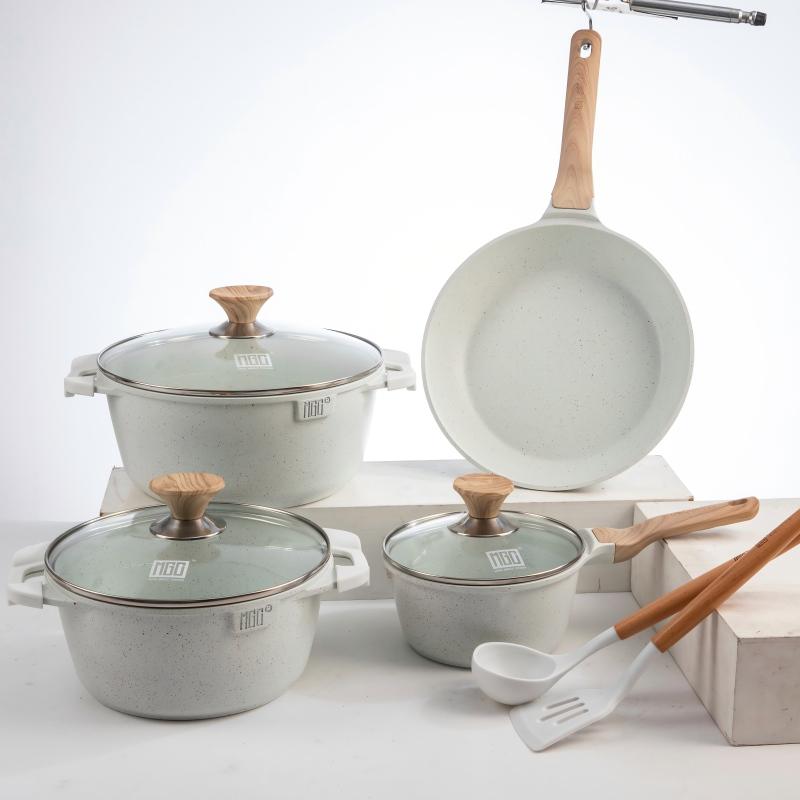
A kitchenware retailer developing an aluminum cookware category should evaluate product features alongside customer needs and target pricing. A collection might include frying pans, saucepans, and cooking pots in complementary sizes. Product pages should explain the aluminum construction, coating type, dimensions, compatible cooktops, and cleaning recommendations. For example, customers comparing two frying pans need accurate information about diameter, handle design, and intended use rather than vague performance claims. Retailers can organize products by size, cookware type, and price range to simplify selection. Clear specifications help shoppers compare options and support more consistent communication across online listings, packaging, and sales channels.

Wholesale and Private Label Development

Wholesale buyers sourcing aluminum nonstick cookware should establish product requirements before confirming an order. Important considerations include aluminum construction, coating specifications, pan dimensions, handle materials, exterior finish, packaging, and quality inspection procedures. For example, a private-label brand may request coordinated frying pans in three sizes with consistent colors and logo placement. Sample evaluation helps buyers assess appearance and workmanship against the documented specification. Buyers should also confirm cooktop compatibility, applicable food-contact requirements, minimum order quantities, and production timelines. This preparation helps suppliers understand purchasing expectations and supports a consistent product assortment for distributors, kitchenware stores, and international retailers.

Related products

Aluminum nonstick cookware combines an aluminum body with a coated cooking surface designed to help reduce food sticking. Aluminum is widely used in cookware because it is relatively lightweight and transfers heat efficiently, although actual heating performance depends on construction, thickness, and design. Nonstick coating options may include PTFE-based and ceramic-based systems, each with product-specific characteristics and care requirements. Buyers should evaluate coating specifications, pan dimensions, handle materials, exterior finishes, and compatibility with intended cooktops. For example, a retailer developing a coordinated kitchenware range may need frying pans and saucepans in matching colors and several practical sizes. Wholesale and private-label projects should also confirm sample approval, packaging, production requirements, and applicable compliance documentation. Consumers should follow manufacturer instructions, avoid overheating empty pans, and use suitable utensils. Handwashing with a soft sponge may help reduce unnecessary coating wear. Clear specifications and accurate product descriptions support informed purchasing decisions and help align cookware products with customer expectations across retail and distribution markets.

Frequently Asked Questions

What are the benefits of aluminum nonstick cookware?

Aluminum cookware is relatively lightweight and transfers heat efficiently, while a suitable nonstick coating can help reduce food sticking and simplify cleaning. Actual performance depends on the pan's construction, coating system, and use. Buyers should compare specifications before selecting cookware for their needs.
Yes, many aluminum nonstick pans are designed for routine cooking, including eggs, vegetables, pancakes, and other everyday meals. Follow the manufacturer's instructions for temperature settings, suitable utensils, and cleaning. The specific coating and construction determine the appropriate care routine.
Standard aluminum is not inherently compatible with induction cooktops unless the cookware includes a suitable magnetic base or induction-compatible construction. Buyers should check the product specifications and cooktop compatibility statement before purchasing or ordering a cookware collection.
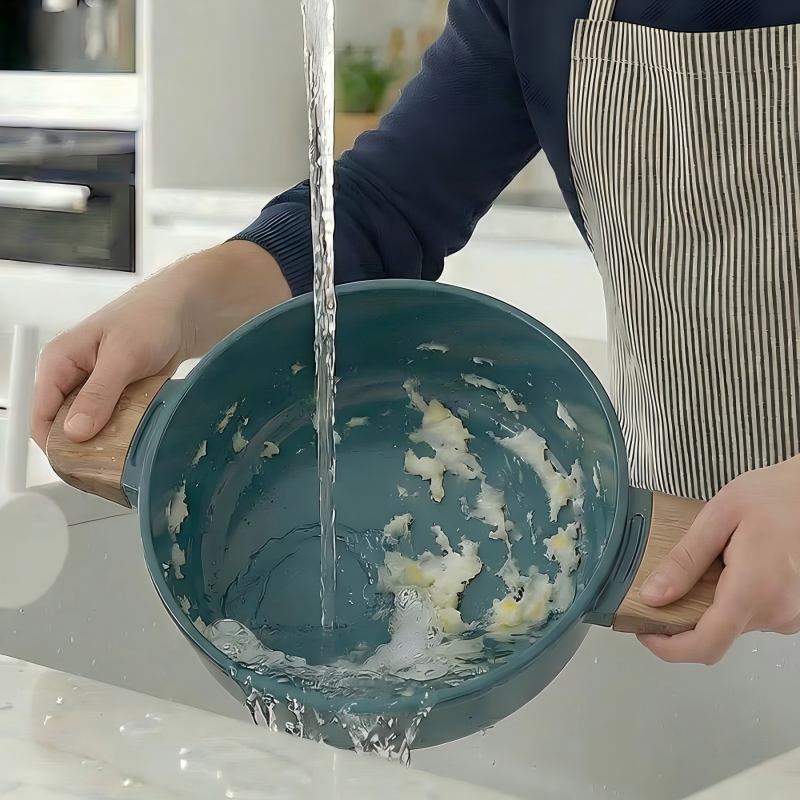
Allow the cookware to cool before washing it with warm water, mild detergent, and a soft sponge. Avoid abrasive scrubbers unless permitted by the manufacturer. Check the product's care instructions before using a dishwasher, since compatibility varies between cookware models.
Customization depends on supplier capabilities and order requirements. Options may include pan sizes, coating colors, handle designs, exterior finishes, branding, and packaging. Buyers should confirm minimum order quantities, sample approval, specifications, and production timelines before finalizing a private-label project.

Related article

New Product Development

25

Aug

New Product Development

Struggling to sustain market relevance? Our proven 5-step new product development framework helps B2B teams launch winning solutions faster. Get the playbook now.
View More
New Market Promotion

25

Aug

New Market Promotion

Struggling to demonstrate product value? Face-to-face customer engagement drives 3.2x higher conversion in B2B markets. Discover proven field promotion tactics now.
View More
Proper Cleaning Methods to Extend the Life of a Durable Non Stick Pan.

18

Sep

Proper Cleaning Methods to Extend the Life of a Durable Non Stick Pan.

Learn proper cleaning methods to extend your durable non stick pan's life. Right kitchen habits protect the coating and keep food releasing cleanly.
View More
How to Choose the Best Cookware for Different Cooking Methods?

18

Sep

How to Choose the Best Cookware for Different Cooking Methods?

Discover how to match cookware to your cooking methods. A practical guide covering materials, heat needs, and kitchen tools for every cooking style.
View More

Customer Testimonials

Daniel Brooks

“Lightweight aluminum cookware is practical for everyday meal preparation. We compare pan construction, coating specifications, and handle design to select products suited to different household cooking routines.”

Emily Carter

“A consistent cookware design makes product planning easier. Reviewing aluminum pan samples, nonstick finishes, and maintenance instructions helps us prepare clearer specifications for our retail collection.”

Get a Free Quote

Our representative will contact you soon.
Email
Mobile/WhatsApp
Name
Company Name
Message
0/1000
Lightweight Construction for Everyday Kitchens

Lightweight Construction for Everyday Kitchens

Aluminum cookware offers a practical option for households seeking manageable weight and efficient heat transfer. When combined with a suitable nonstick coating, it can support common cooking tasks such as frying eggs, sautéing vegetables, and preparing pancakes. Product performance depends on aluminum thickness, pan design, coating formulation, and recommended cooking conditions. Buyers should consider handle comfort, pan dimensions, and cleaning requirements when comparing models. For example, a medium frying pan may serve daily breakfasts, while a larger model can accommodate family portions. Clear product information helps retailers explain the differences between available cookware options and guide customers toward suitable choices.
Flexible Options for Private Label Collections

Flexible Options for Private Label Collections

Private-label aluminum cookware projects can be planned around specific customer groups, retail positioning, and design preferences. Depending on manufacturing capabilities, customization may include pan dimensions, coating colors, handle styles, exterior finishes, logos, and packaging. A brand launching a coordinated collection might combine several frying pan sizes with matching saucepans to create a consistent visual identity. Buyers should confirm available options, sample approval procedures, quality requirements, and minimum order quantities before production. Documenting these details helps purchasing teams compare supplier proposals and communicate expectations clearly. A well-defined specification supports a cohesive cookware range for online retailers, kitchenware stores, and wholesale distributors.
Clear Specifications and Responsible Cookware Care

Clear Specifications and Responsible Cookware Care

Reliable product documentation helps buyers understand aluminum nonstick cookware and its maintenance requirements. Specifications should identify the pan construction, coating system, dimensions, cooktop compatibility, and recommended cleaning methods. For example, an online retailer can explain whether a particular pan is suitable for induction and whether dishwasher cleaning is permitted. Consumers should follow manufacturer guidance on cooking temperatures, utensils, washing, and storage. Retailers should avoid unsupported claims about coating lifespan or universal compatibility. Clear information helps customers compare products accurately and supports appropriate use after purchase. For wholesale buyers, documented specifications also improve communication with suppliers and help align orders with market requirements.