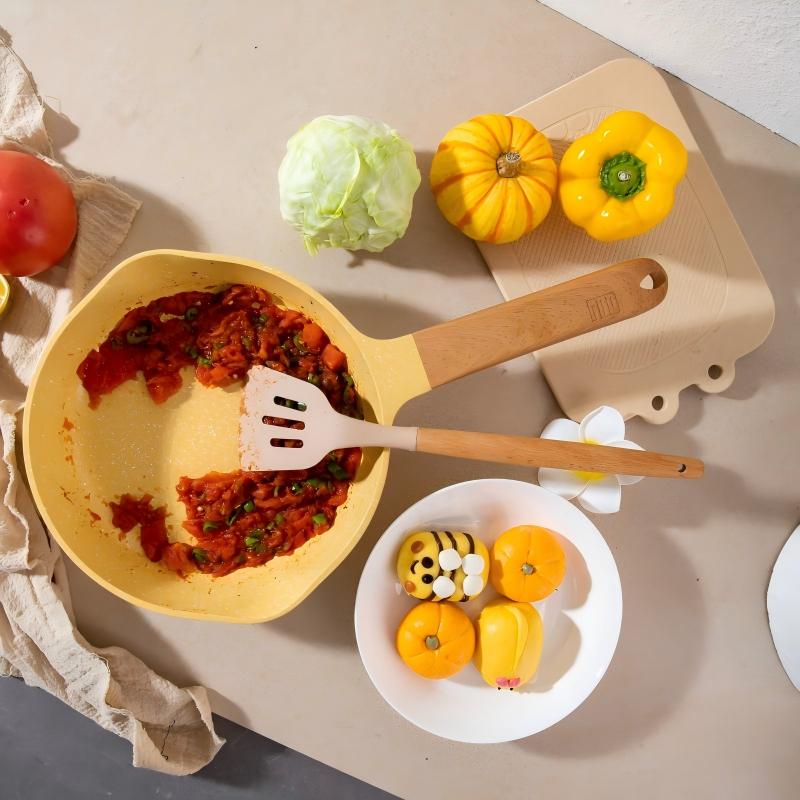
Cookware Options for Wholesale Buyers
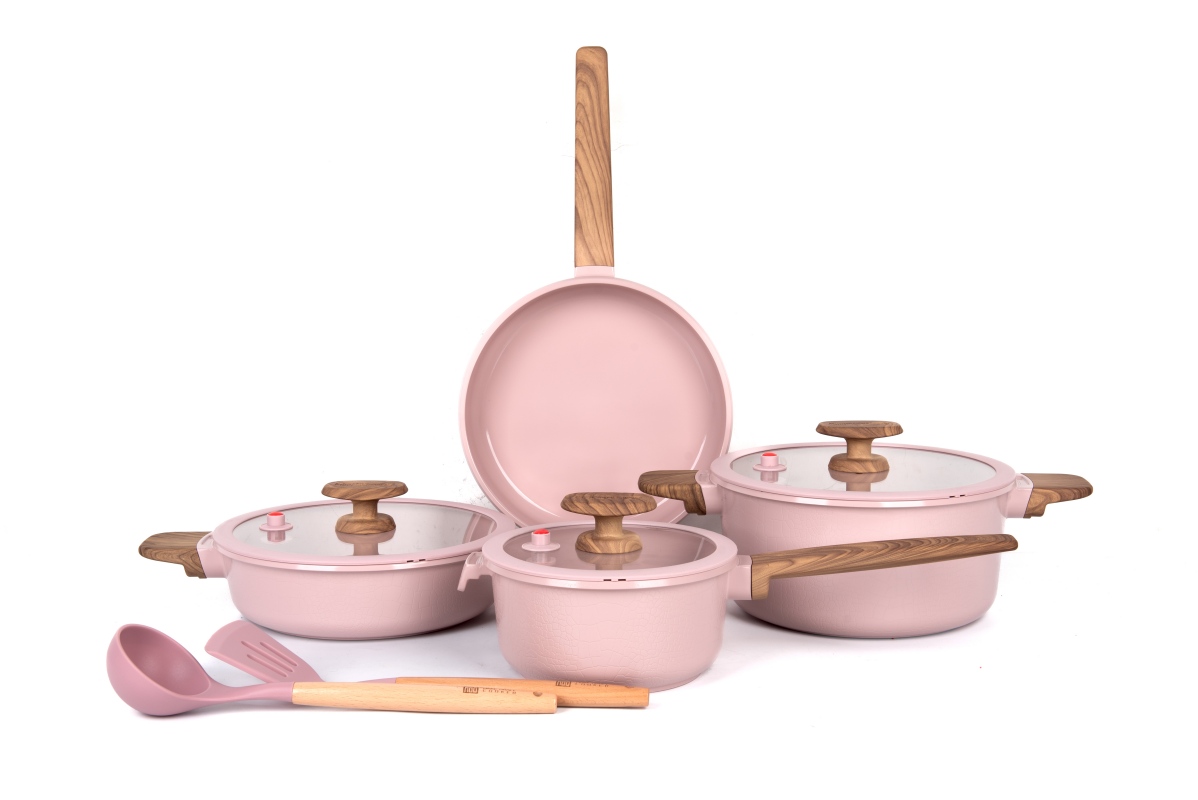
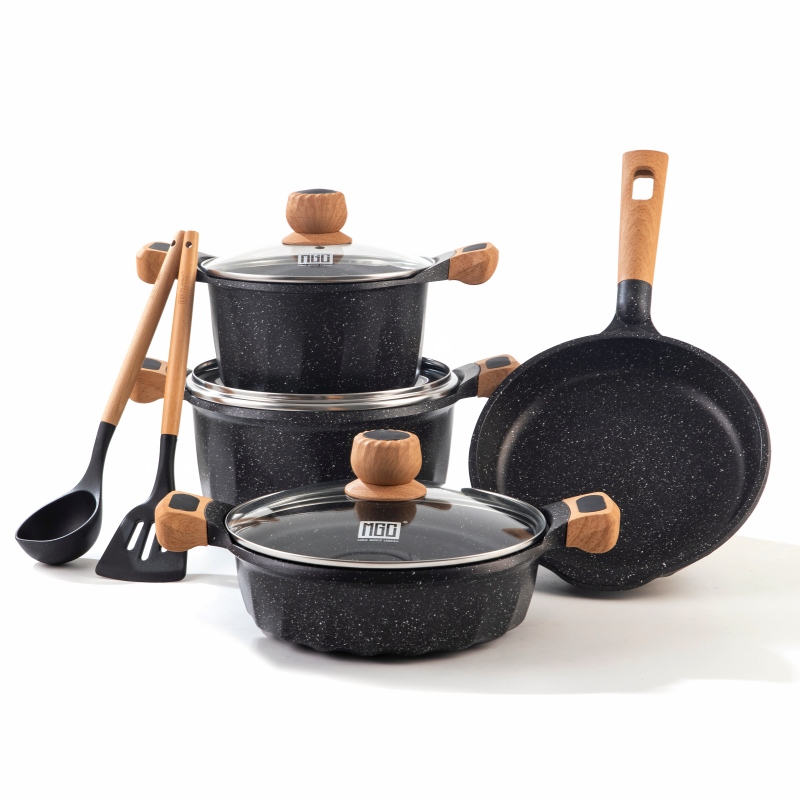
For importers, distributors, and private label brands, product specifications are essential when selecting hard anodized nonstick cookware. Buyers should review the aluminum substrate, anodizing process, coating type, handle design, packaging, and available quality documentation. MGC Cookware can discuss cookware options and customization requirements with business customers. For example, a distributor developing a frying pan range can compare samples against agreed specifications before confirming an order. Claims about scratch resistance, lifespan, or chemical composition should be supported by product specific evidence. This approach helps businesses prepare reliable catalogs, ecommerce listings, and packaging information for different retail and distribution markets.

 EN