Hard Anodized Nonstick Cookware: B2B Sourcing Guide

Get up to 35% off + Free shipping Shop now

Call Us:+86-579-86903988

Hard Anodized Nonstick Cookware for Modern Kitchens

Hard Anodized Nonstick Cookware for Modern Kitchens

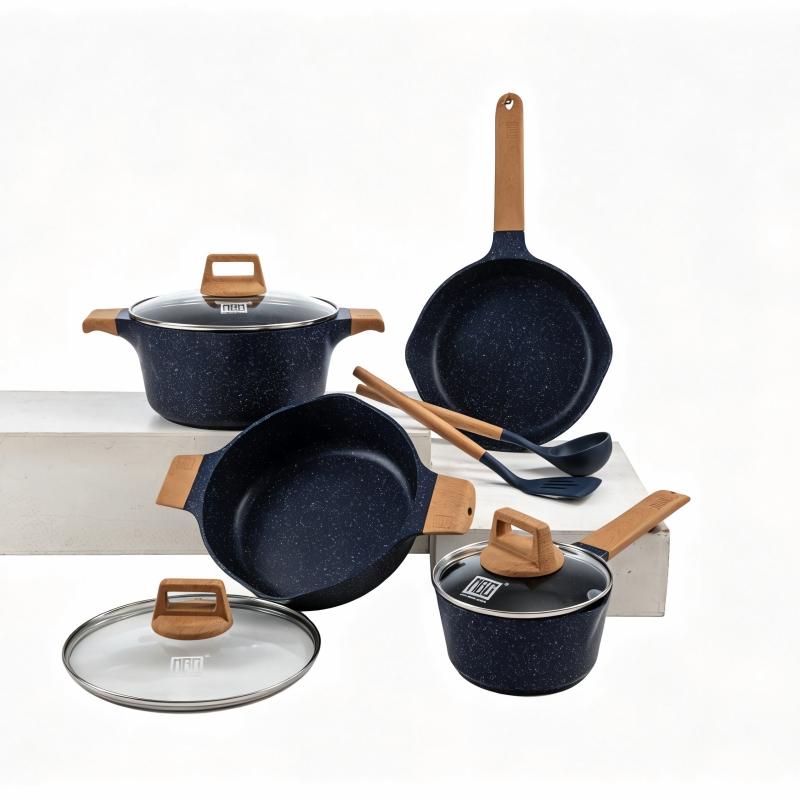
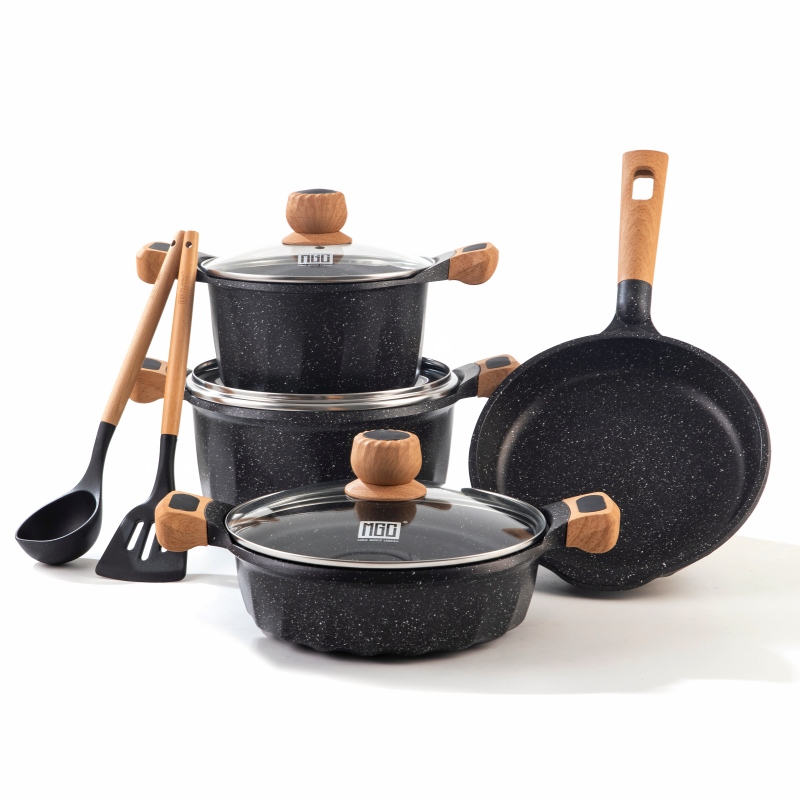
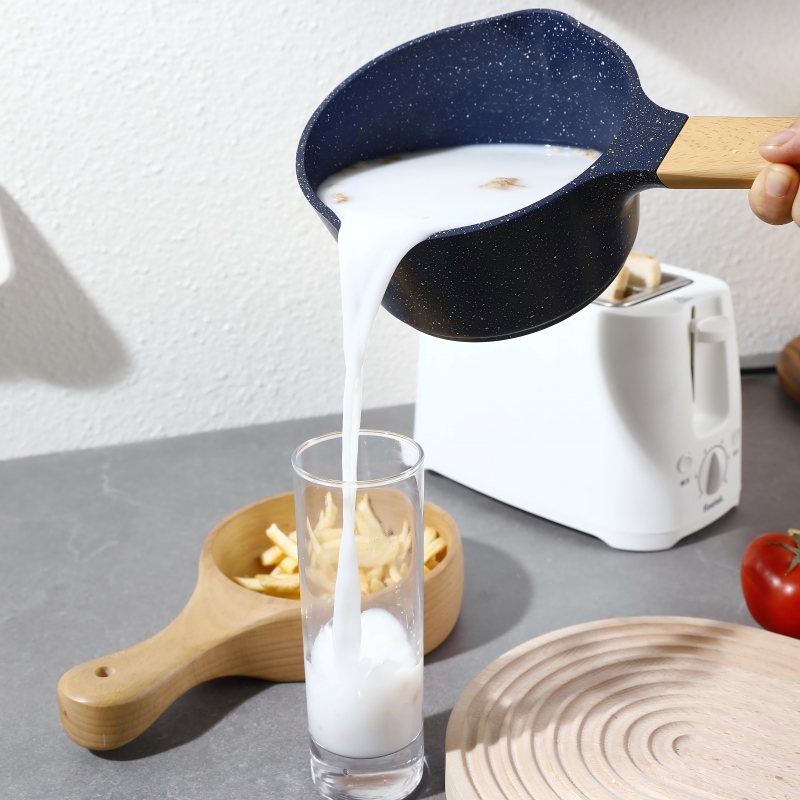
Hard anodized nonstick cookware combines an electrochemically treated aluminum surface with a nonstick cooking coating in products designed for convenient everyday use. The anodized layer can improve surface hardness and corrosion resistance compared with untreated aluminum, while the nonstick coating helps reduce food adhesion. This combination is useful for preparing eggs, vegetables, pancakes, and other common meals that benefit from easy food release. Actual performance depends on the cookware design, coating formulation, manufacturing quality, and care routine. Buyers should review material specifications, temperature guidance, and cleaning instructions before choosing a product. For wholesalers and retailers, these details support accurate product comparisons and help customers select cookware for their kitchens.
Get A Quote

Case Study

Everyday Household Meal Preparation

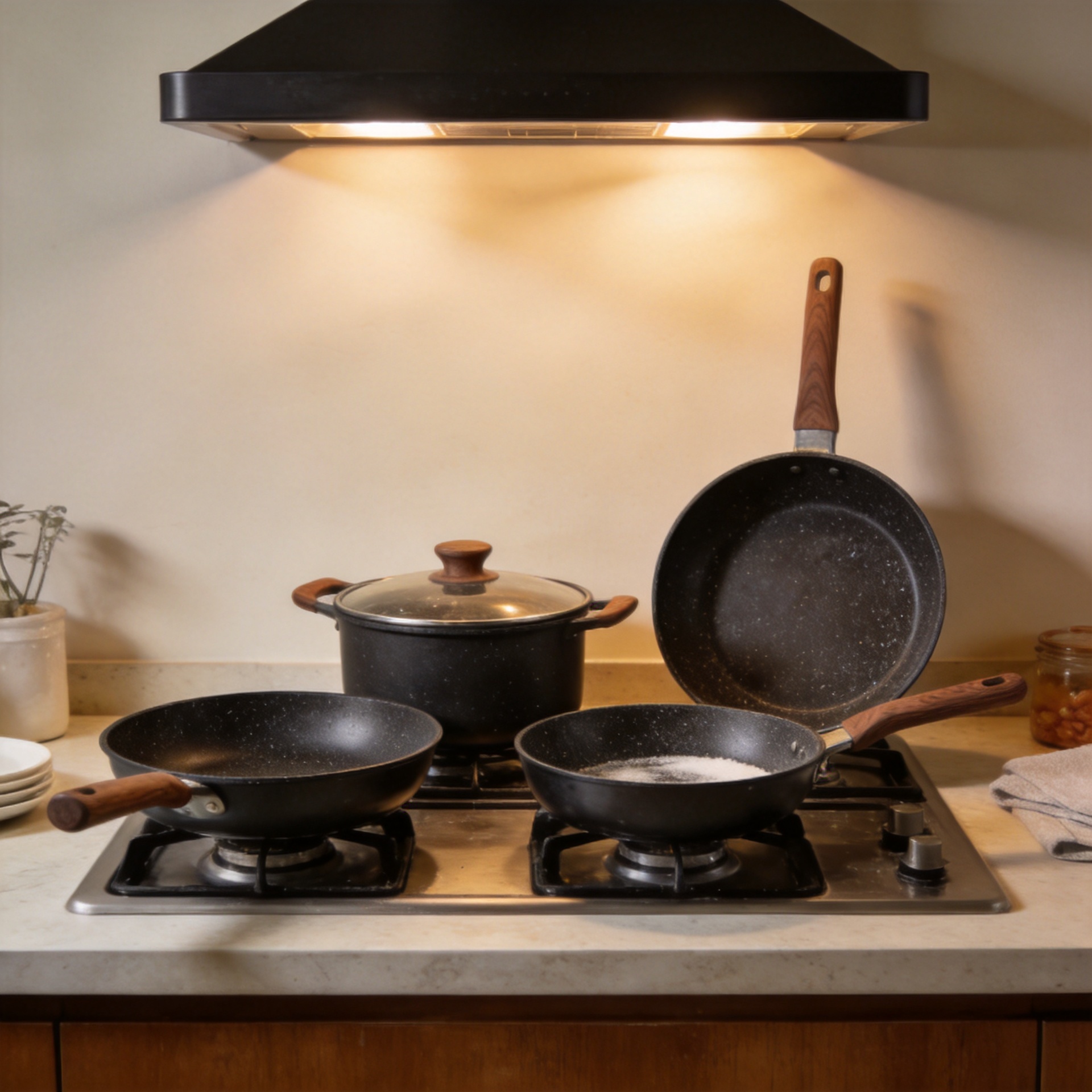
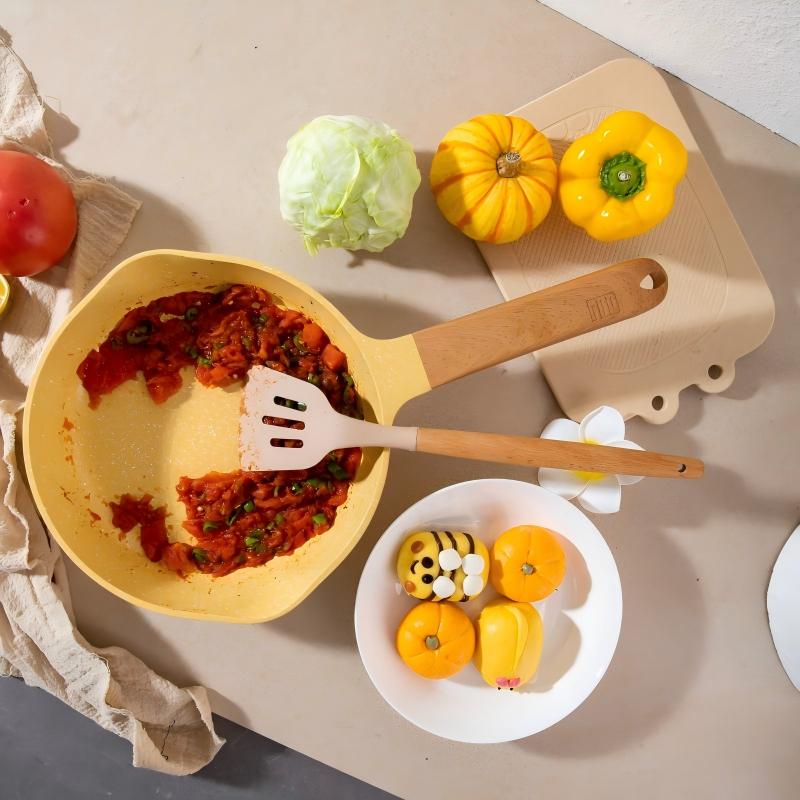
Hard anodized nonstick cookware can suit households looking for practical pans for regular meal preparation. The anodized aluminum body provides a treated surface, while the nonstick layer can help food release more easily during cooking. Families may use these pans for breakfast eggs, sautéed vegetables, or quick weeknight meals. To maintain performance, users should follow recommended temperature limits, choose suitable utensils, and avoid abrasive cleaning tools. The exact care requirements depend on the model and coating system. Retailers can explain these differences through product descriptions and care guides, helping customers understand how to use and maintain their cookware appropriately.

Retail Product Selection and Comparison

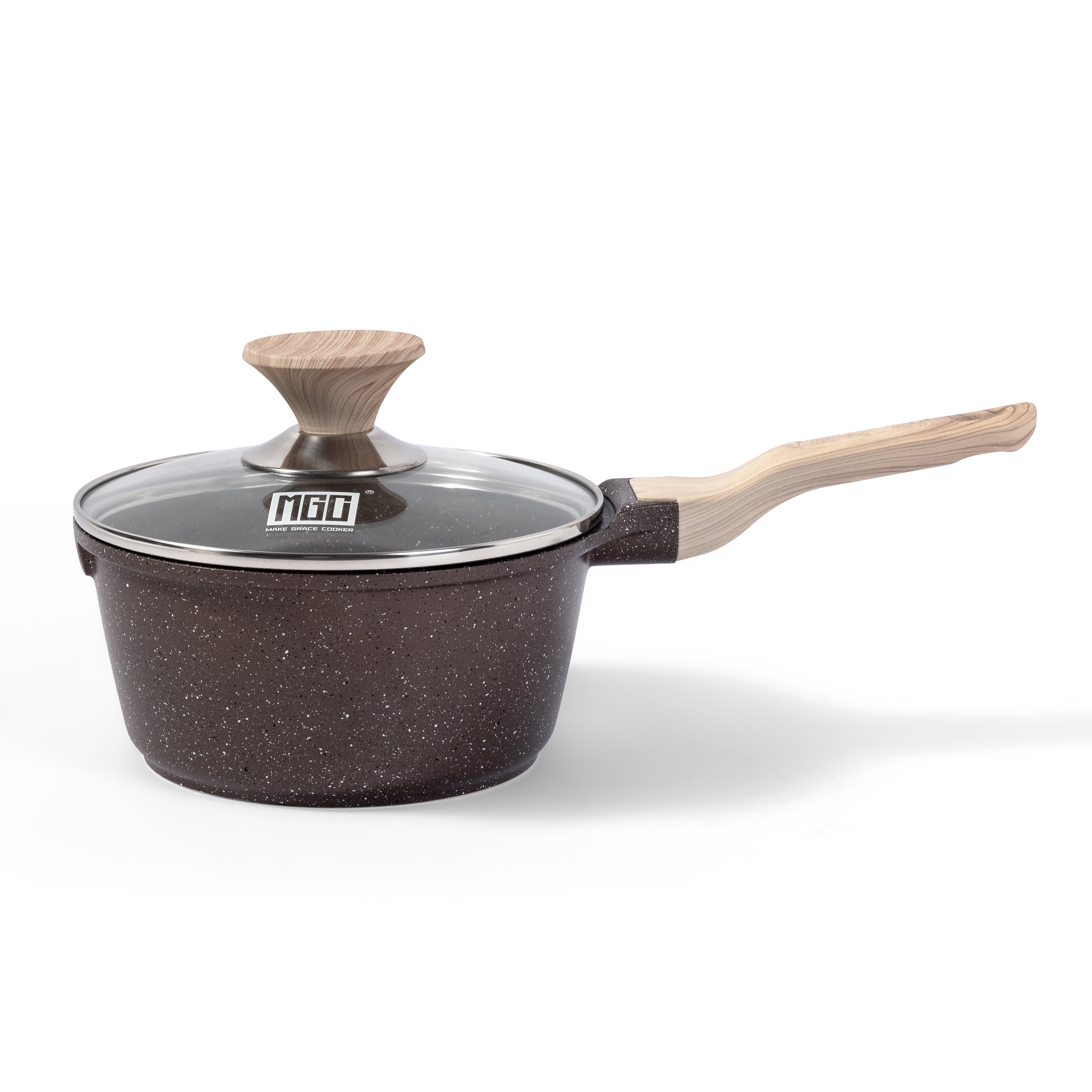
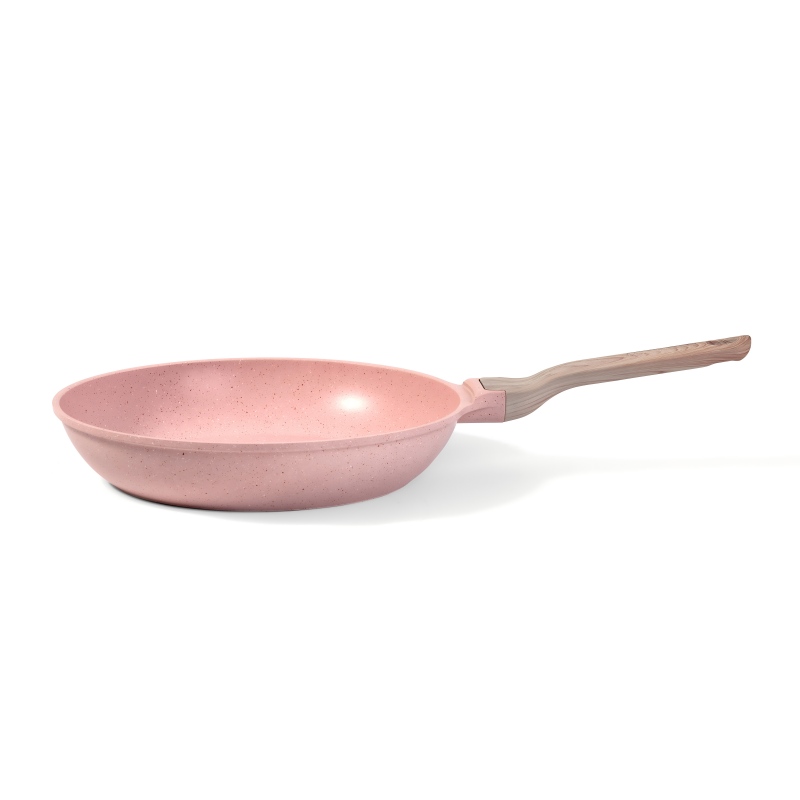
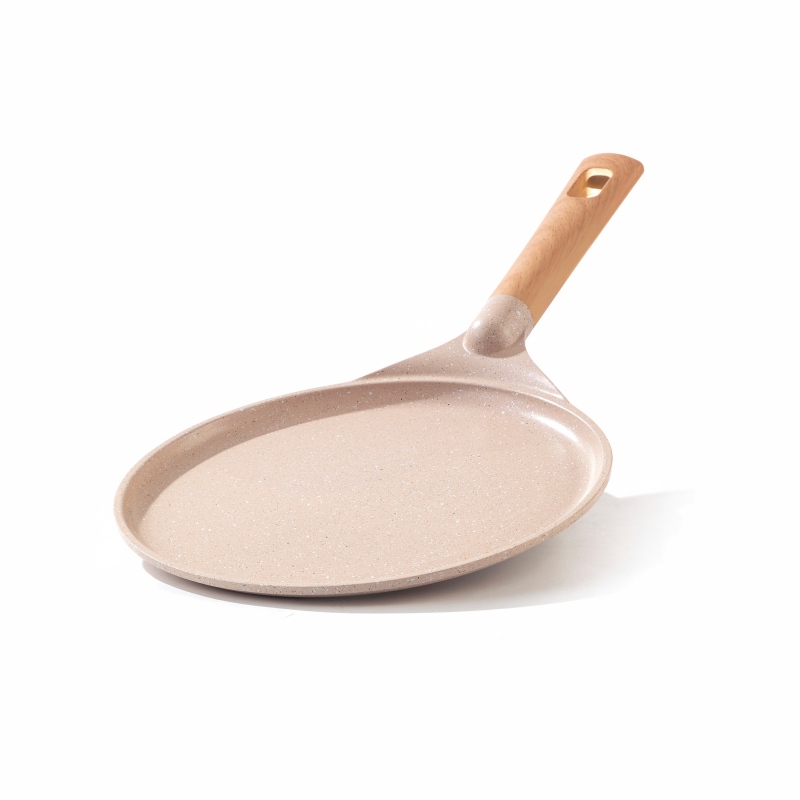
Kitchenware retailers can compare hard anodized nonstick cookware by reviewing construction, coating type, dimensions, handle design, and cooktop compatibility. For example, a store introducing several frying pan sizes can create a specification table that helps customers compare options for individual meals and family cooking. Retailers should clarify whether a model is suitable for induction cooktops and whether its manufacturer permits dishwasher cleaning. These features vary across products and should not be assumed from the term hard anodized alone. Clear, verified information supports better product selection and helps sales teams answer questions about durability, maintenance, and everyday cooking applications.

Wholesale and Private Label Sourcing

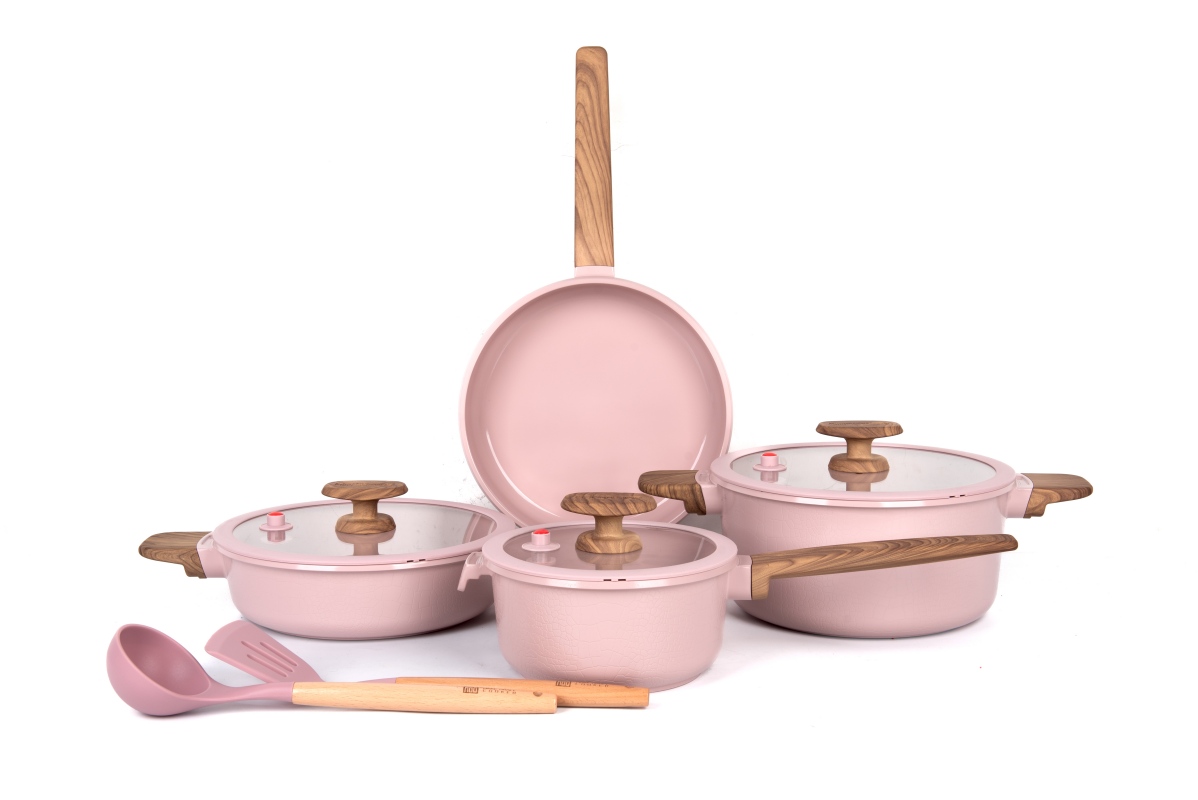
Importers and private label brands evaluating hard anodized nonstick cookware should confirm construction and coating details before approving products. Relevant information includes aluminum substrate specifications, anodizing details, nonstick coating composition, handle construction, packaging, and available quality documentation. For example, a distributor preparing a cookware collection can assess samples against agreed requirements before finalizing an order. MGC Cookware can discuss available cookware options and customization needs with business customers. Buyers should verify performance claims and applicable market requirements before using them in catalogs or online listings. This process helps ensure that product descriptions reflect the actual construction and intended use of each cookware model.

Related products

Hard anodized nonstick cookware combines two distinct surface technologies. Hard anodizing uses an electrochemical process to create a hardened oxide layer on aluminum, while a separate nonstick coating may be applied to the cooking surface to reduce food adhesion. The anodized layer and nonstick coating serve different purposes, so buyers should review the complete construction rather than assuming that every hard anodized pan has identical properties. Important considerations include substrate material, coating composition, temperature guidance, cooktop compatibility, and cleaning requirements. Proper handling and maintenance can help preserve the cooking surface during regular use. MGC Cookware works with business customers exploring cookware products for wholesale, retail, and private label programs. Buyers can discuss available designs, materials, coating options, packaging, and customization requirements directly with the company. Before making claims about scratch resistance, product lifespan, or chemical composition, businesses should request model specific specifications and supporting documentation. Clear product information helps distributors and retailers explain cookware features accurately and serve different market needs.

Frequently Asked Questions

What is hard anodized nonstick cookware?

It typically combines an aluminum body treated through hard anodizing with a separate nonstick coating on the cooking surface. Anodizing creates a hardened oxide layer, while the nonstick coating helps reduce food adhesion. Exact construction and care requirements vary by product model.
Not necessarily. Hard anodizing changes the aluminum surface, but the familiar food release of hard anodized nonstick cookware generally comes from an additional nonstick coating. Buyers should check the manufacturer's specifications to understand the surface layers and the appropriate care instructions for each model.
Depending on its construction, this cookware can combine a treated aluminum body with convenient food release and easier cleaning. The anodized layer can improve surface hardness and corrosion resistance compared with untreated aluminum. Overall performance depends on the coating, manufacturing quality, and proper use.
Follow the manufacturer's cooking temperature and cleaning recommendations. Use suitable utensils, allow the pan to cool before washing, and clean it with mild detergent and nonabrasive tools. Avoid overheating and abrasive scrubbers, and check whether the specific model is compatible with a dishwasher or induction cooktop.
Businesses can contact MGC Cookware to discuss available cookware products, specifications, and customization options. Before ordering, verify the anodized body construction, coating details, dimensions, packaging requirements, and relevant quality documentation. Confirming these details helps buyers prepare accurate product descriptions for their intended markets.

Related article

New National Agency Established

28

Jul

New National Agency Established

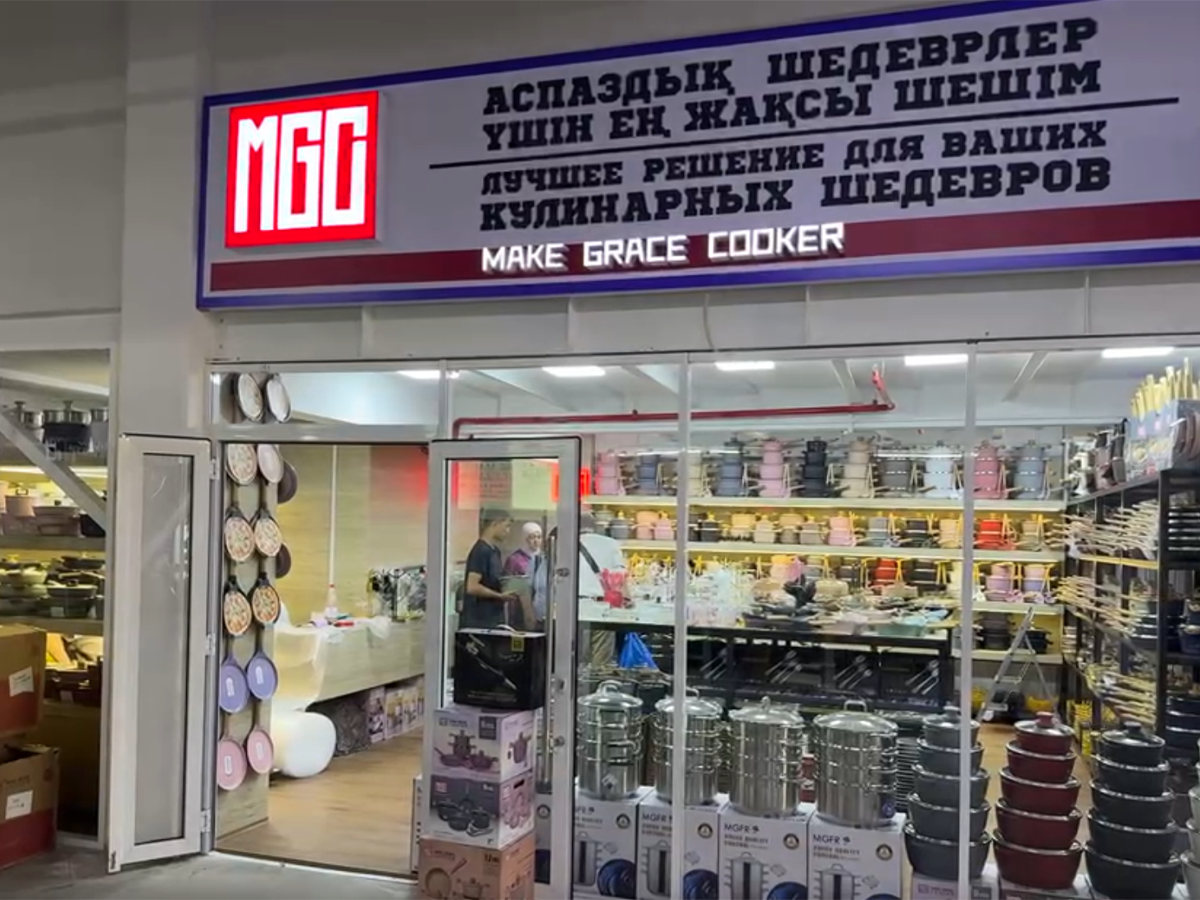
Just launched: exclusive national agency in Kazakhstan with Almaty wholesale center. Streamline distribution, cut logistics costs, and scale market access. Request partnership details now.
View More
Why Do Reliable Cookware Suppliers Matter for Product Success?

14

Sep

Why Do Reliable Cookware Suppliers Matter for Product Success?

A reliable cookware supplier shapes your product quality, supply chain, and sourcing outcomes. Discover what sets a dependable kitchenware supplier apart.
View More
How to Choose the Best Cookware for Different Cooking Methods?

18

Sep

How to Choose the Best Cookware for Different Cooking Methods?

Discover how to match cookware to your cooking methods. A practical guide covering materials, heat needs, and kitchen tools for every cooking style.
View More
How to Extend the Lifespan of Your Cookware Through Proper Use?

18

Sep

How to Extend the Lifespan of Your Cookware Through Proper Use?

Learn how to extend the lifespan of your cookware through proper use, smart cooking habits, cleaning methods, and everyday kitchen care tips.
View More

Customer Testimonials

Michael Turner

Comparing cookware construction and coating specifications helps buyers choose products for repeated meal preparation. Clear care instructions also support easier cleaning and more informed purchasing decisions for busy households.

Sophie Bennett

Our team evaluates cookware materials, surface finishes, and maintenance requirements before sourcing. Understanding hard anodized construction helps us compare suitable options for different kitchenware customers and markets.

Get a Free Quote

Our representative will contact you soon.
Email
Mobile/WhatsApp
Name
Company Name
Message
0/1000
Two Surface Technologies in One Cookware Design

Two Surface Technologies in One Cookware Design

Hard anodized nonstick cookware combines a treated aluminum body with a separate cooking surface coating designed to reduce food adhesion. These components serve different functions: hard anodizing modifies the aluminum surface, while the nonstick layer supports food release and routine cleaning. Buyers should compare the complete construction, coating specifications, and care instructions when evaluating products. For example, a retailer sourcing frying pans for daily household use can review these details alongside dimensions and cooktop compatibility. Clear product information helps customers understand the cookware's actual features without assuming every model offers the same performance or durability.
Cookware Options for Wholesale Buyers

Cookware Options for Wholesale Buyers

For importers, distributors, and private label brands, product specifications are essential when selecting hard anodized nonstick cookware. Buyers should review the aluminum substrate, anodizing process, coating type, handle design, packaging, and available quality documentation. MGC Cookware can discuss cookware options and customization requirements with business customers. For example, a distributor developing a frying pan range can compare samples against agreed specifications before confirming an order. Claims about scratch resistance, lifespan, or chemical composition should be supported by product specific evidence. This approach helps businesses prepare reliable catalogs, ecommerce listings, and packaging information for different retail and distribution markets.