Aluminum Cookware for B2B Buyers: Lightweight, Customizable & High-Performance

Get up to 35% off + Free shipping Shop now

Call Us:+86-579-86903988

Why Choose Aluminum Cookware for Modern Commercial and Residential Kitchens?

Why Choose Aluminum Cookware for Modern Commercial and Residential Kitchens?

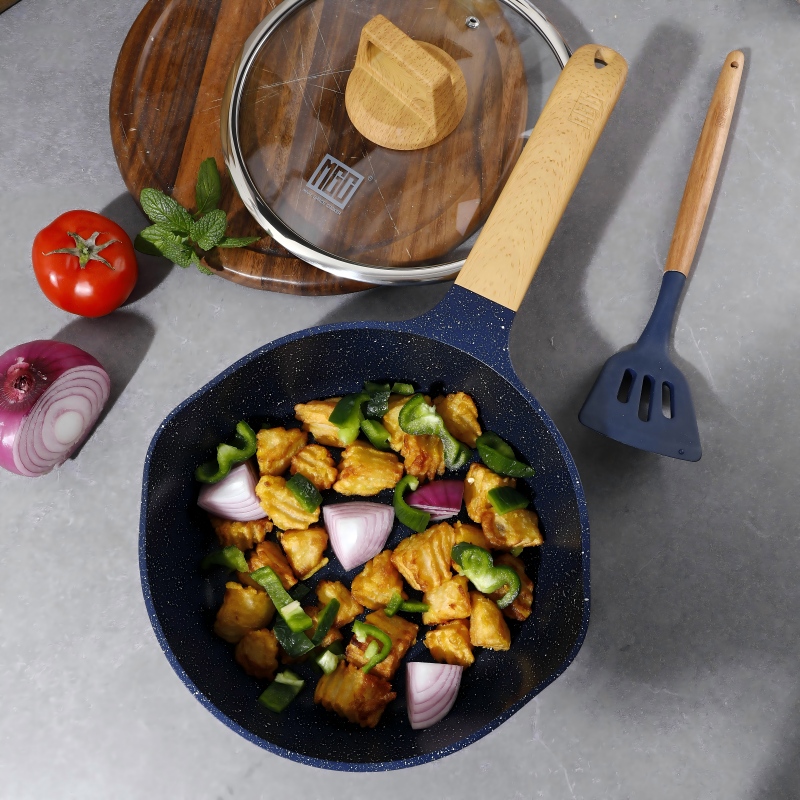
Aluminum cookware offers an effective balance of heat conductivity, lightweight handling, and manufacturing flexibility, making it suitable for everyday cooking and large-scale foodservice operations. Aluminum transfers heat efficiently, helping reduce temperature variations when preparing sauces, vegetables, eggs, and other heat-sensitive foods. Its relatively low weight also supports easier handling in busy kitchens, where staff frequently lift and move pots and pans throughout service. For cookware brands, distributors, and retailers, aluminum provides versatile options for different sizes, shapes, and surface finishes. MG Cookware focuses on manufacturing solutions that address practical market requirements, helping business buyers develop product ranges tailored to household cooking, hospitality, and retail distribution.
Get A Quote

Case Study

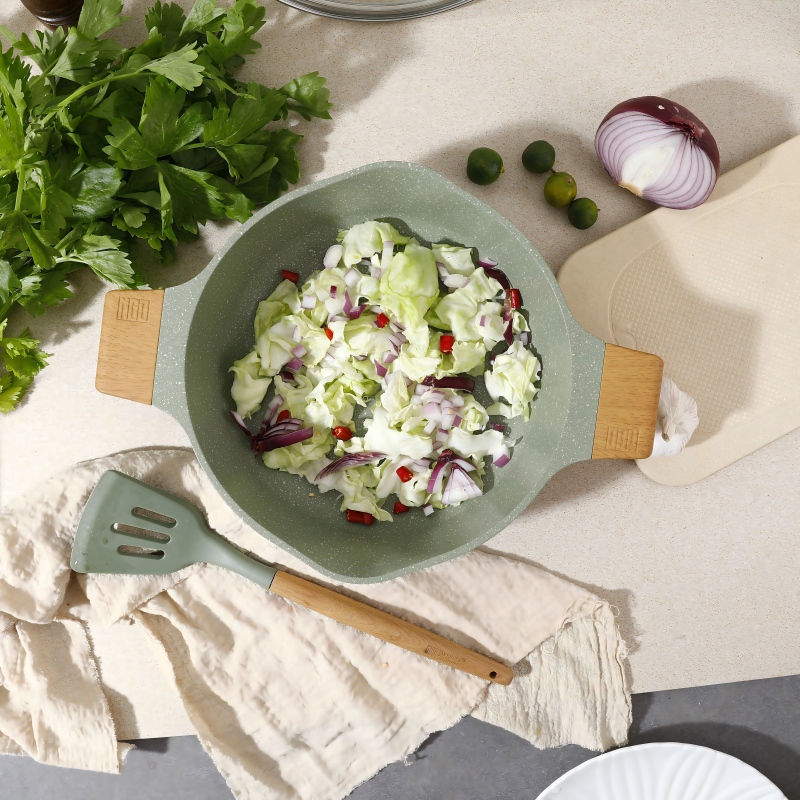
Lightweight Cookware for Everyday Household Cooking

A homeware distributor serving families and independent retailers needs cookware that combines convenient handling with dependable everyday performance. Aluminum cookware provides a practical option for preparing breakfast, simmering soups, and cooking quick weeknight meals because of its efficient heat transfer and relatively low weight. For example, a retailer developing a starter cookware collection could select aluminum frying pans, saucepans, and matching lids in several sizes to accommodate different household needs. Surface coatings, handle designs, and base construction should be selected according to the intended cooking method and compatible stovetops. MG Cookware supports product development for buyers seeking practical cookware options that align with their target customers and distribution strategies.

Commercial Cookware for Restaurants and Catering Operations

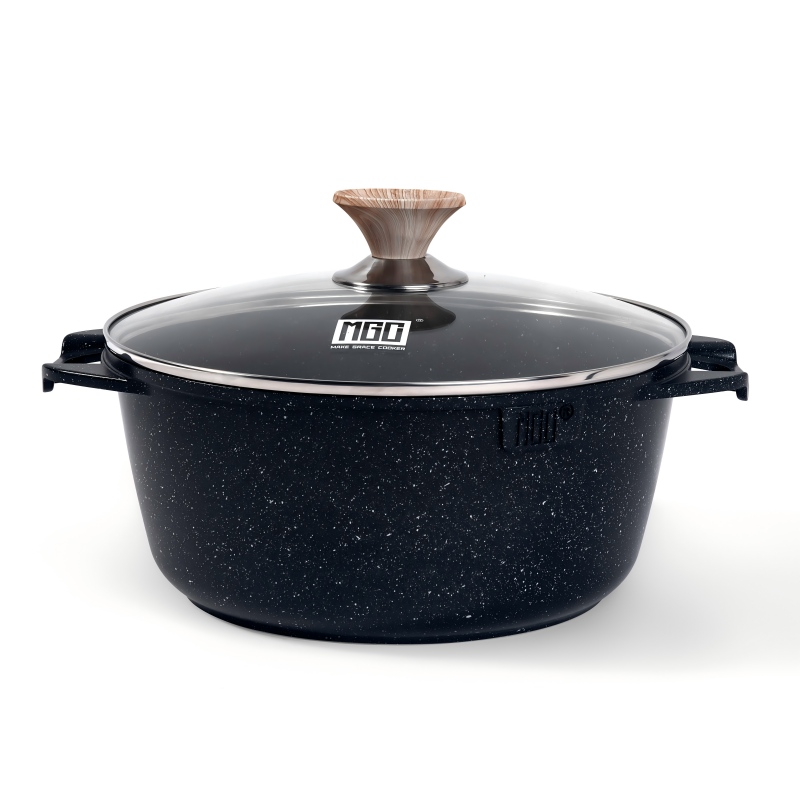
Restaurants and catering businesses require cookware that supports repeated preparation, convenient handling, and consistent kitchen workflows. Aluminum pans can help kitchen teams heat ingredients efficiently when preparing sauces, sautéed vegetables, and portions of meat during busy service periods. A catering supplier, for instance, could build a product assortment featuring multiple pan diameters and saucepan capacities to serve small cafés, institutional kitchens, and mobile catering teams. The appropriate thickness, handle attachment, and surface treatment depend on cooking frequency, cleaning procedures, and equipment compatibility. By working with a cookware manufacturer such as MG Cookware, distributors can explore product configurations designed around commercial purchasing requirements, helping them develop assortments suited to different foodservice environments.

Customized Aluminum Cookware for Private Label Brands

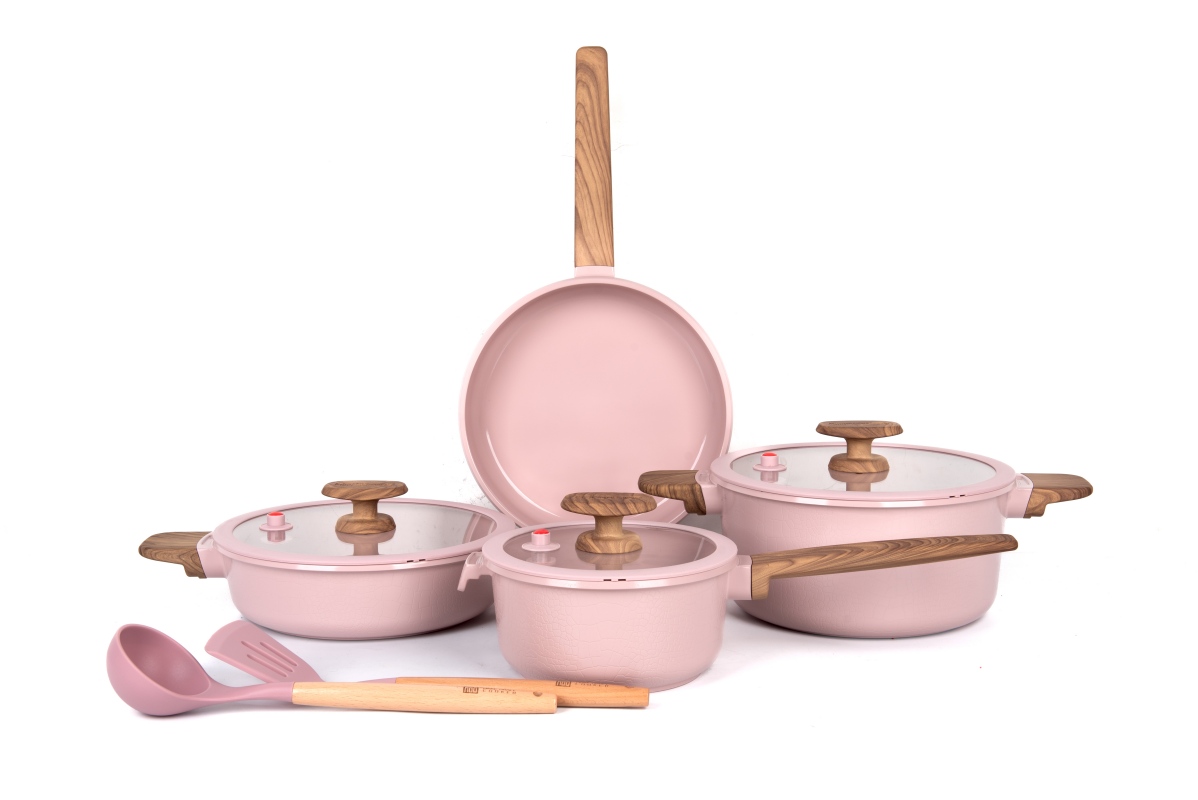
Private label brands often need cookware that reflects their positioning, price structure, and customer preferences. Aluminum cookware offers manufacturing flexibility across product shapes, dimensions, finishes, and handle styles, making it suitable for differentiated retail collections. For example, an emerging kitchenware brand could develop a coordinated range of frying pans and saucepans with consistent exterior colors, branded packaging, and selected nonstick finishes. Before production, buyers should confirm material specifications, coating requirements, packaging details, and applicable food-contact compliance documentation. MG Cookware can be approached to discuss project requirements and available customization options. Careful coordination between product design, sampling, and quality inspection helps buyers establish a clearer path from initial concept to commercial distribution.

Related products

Aluminum cookware remains a popular choice for household kitchens, hospitality businesses, and kitchenware retailers because of its efficient heat transfer and manageable weight. Compared with many heavier cookware materials, aluminum can simplify handling while supporting responsive temperature adjustment during everyday cooking. Performance depends on the alloy, material thickness, construction method, surface treatment, and intended application. MG Cookware serves buyers looking for cookware manufacturing solutions that align with their product specifications and target markets. Depending on the available manufacturing capabilities, aluminum cookware projects may involve discussions about pan dimensions, body construction, handle design, exterior finishes, nonstick coatings, and private label presentation. Each specification should be evaluated against the product's intended use, retail positioning, and production requirements. For example, a distributor targeting entry-level homeware customers may prioritize practical designs, accessible pricing, and coordinated cookware sets. A premium retailer may place greater emphasis on exterior appearance, coating performance, packaging, and product differentiation. Commercial buyers may instead focus on durability, handling comfort, and cleaning requirements. When sourcing aluminum cookware, buyers should request relevant material specifications, coating information, quality inspection procedures, and food-contact compliance documentation. They should also verify compatibility with intended heat sources, particularly when induction cooking is required. By defining these requirements before production, businesses can make more informed sourcing decisions and develop cookware collections suited to their customers.

Frequently Asked Questions

Is Aluminum Cookware Safe for Everyday Cooking?

Aluminum cookware can be suitable for everyday cooking when manufactured for food contact and used according to the manufacturer's instructions. Uncoated aluminum may react with highly acidic or alkaline foods, potentially affecting flavor or discoloration. Appropriate surface treatments and coatings can help address specific cooking requirements. Always verify product compliance documentation.
Buyers should evaluate the aluminum alloy, body thickness, construction quality, handle attachment, surface coating, and intended heat source. For wholesale projects, minimum order quantities, customization options, packaging, lead times, and quality inspection procedures also matter. Request samples and relevant food-contact documentation before approving production or placing a large order.
Standard aluminum is generally not magnetic, so conventional aluminum cookware usually cannot operate directly on induction cooktops. Induction-compatible models require a suitable magnetic base or another engineered construction. Buyers should confirm compatibility with the manufacturer's specifications and test representative products on the intended cooking equipment before making purchasing decisions.
Allow cookware to cool before cleaning, use suitable detergents, and avoid abrasive tools that may damage its surface. Follow the manufacturer's instructions for coated and uncoated products, including dishwasher restrictions. For commercial kitchens, consistent cleaning procedures and routine inspections can help preserve appearance, maintain usability, and identify damaged handles or coatings.
Customization possibilities depend on the manufacturer's equipment and production capabilities. Buyers can discuss dimensions, pan shapes, handle styles, exterior finishes, coating options, logos, and packaging requirements. Confirm available options, sampling procedures, minimum order quantities, and compliance documentation with MG Cookware before finalizing specifications or committing to a production schedule.

Related article

New National Agency Established

28

Jul

New National Agency Established

Just launched: exclusive national agency in Kazakhstan with Almaty wholesale center. Streamline distribution, cut logistics costs, and scale market access. Request partnership details now.
View More
New Product Development

25

Aug

New Product Development

Struggling to sustain market relevance? Our proven 5-step new product development framework helps B2B teams launch winning solutions faster. Get the playbook now.
View More
Why Do Reliable Cookware Suppliers Matter for Product Success?

14

Sep

Why Do Reliable Cookware Suppliers Matter for Product Success?

A reliable cookware supplier shapes your product quality, supply chain, and sourcing outcomes. Discover what sets a dependable kitchenware supplier apart.
View More
How to Choose the Right Pan Size for Different Cooking Needs?

14

Sep

How to Choose the Right Pan Size for Different Cooking Needs?

Find the right pan size for your kitchen. Covers key criteria — from cooking portions to frying techniques — to help you choose smarter.
View More

Customer Testimonials

Michael Reed

Our new cookware range offers lightweight handling and responsive heating. After evaluating samples across three pan sizes, we finalized specifications that fit our retail positioning and customer requirements.

Daniel Foster

The specification review helped us compare coating options, handle designs, and packaging requirements. This structured process improved purchasing clarity and supported planning for our next cookware assortment.

Get a Free Quote

Our representative will contact you soon.
Email
Mobile/WhatsApp
Name
Company Name
Message
0/1000
Efficient Heat Transfer for Everyday Cooking

Efficient Heat Transfer for Everyday Cooking

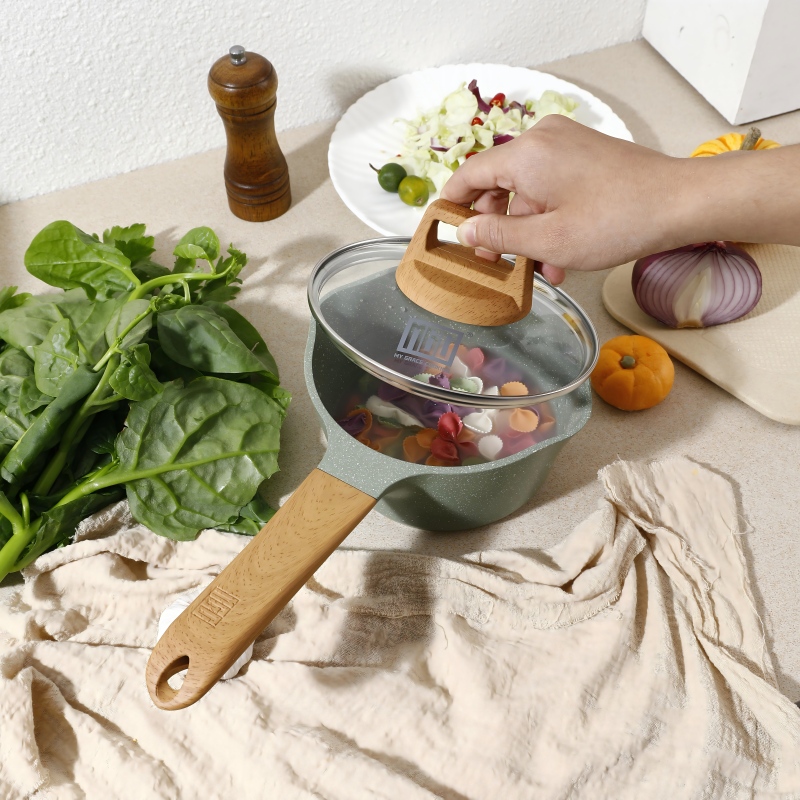
Aluminum cookware is valued for its ability to transfer heat efficiently, supporting a wide range of everyday cooking tasks. Home cooks can use appropriately designed pans for sautéing vegetables, preparing eggs, reheating meals, and making sauces, while professional kitchens can benefit from responsive heating during busy preparation periods. Actual performance depends on material thickness, burner output, pan dimensions, and construction quality. For example, a restaurant evaluating cookware for sauce preparation should assess how quickly a pan responds to temperature adjustments under realistic working conditions. MG Cookware buyers can discuss intended applications and relevant product specifications to identify suitable configurations. Matching cookware design to cooking requirements helps create a more practical product assortment.
Versatile Designs for Wholesale and Private Label Buyers

Versatile Designs for Wholesale and Private Label Buyers

Aluminum cookware offers manufacturers flexibility in developing product collections for different customer segments. Wholesalers may require standard frying pans and saucepans in several diameters, whereas private label brands may prefer coordinated finishes, distinctive handles, and customized packaging. A retailer planning a seasonal kitchenware launch, for example, could evaluate a three-piece cookware set alongside individual replacement pans to serve different budgets and purchasing preferences. Product feasibility depends on tooling, available production processes, order quantities, and finishing requirements. MG Cookware can be contacted to discuss project specifications and available manufacturing options. Clear communication about target markets, quality expectations, packaging, and compliance requirements helps buyers evaluate sourcing opportunities and prepare more effectively for product launches.