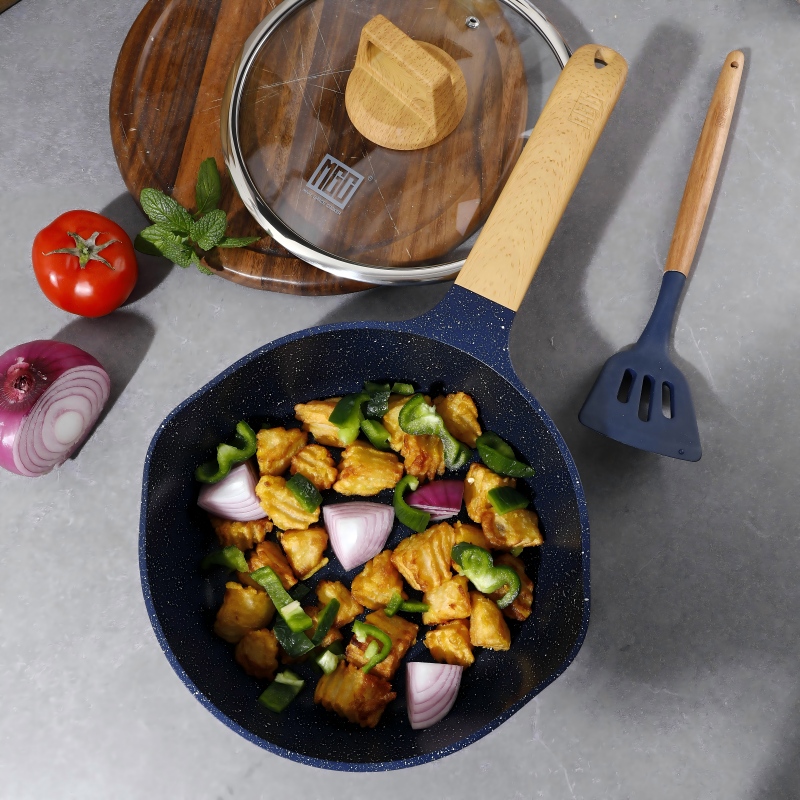
Why Choose Aluminum Cookware for Modern Commercial and Residential Kitchens?
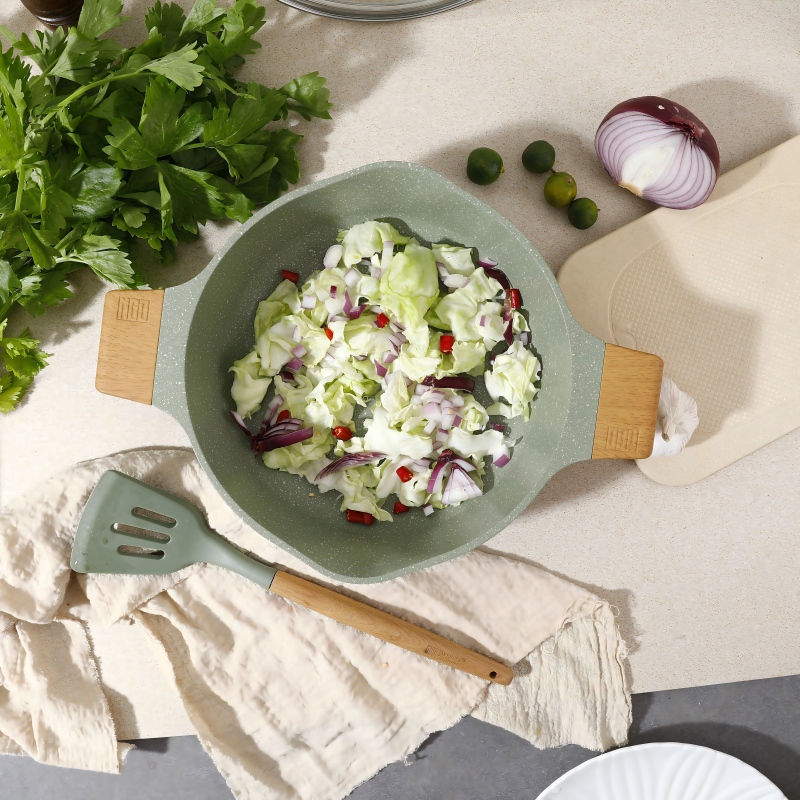
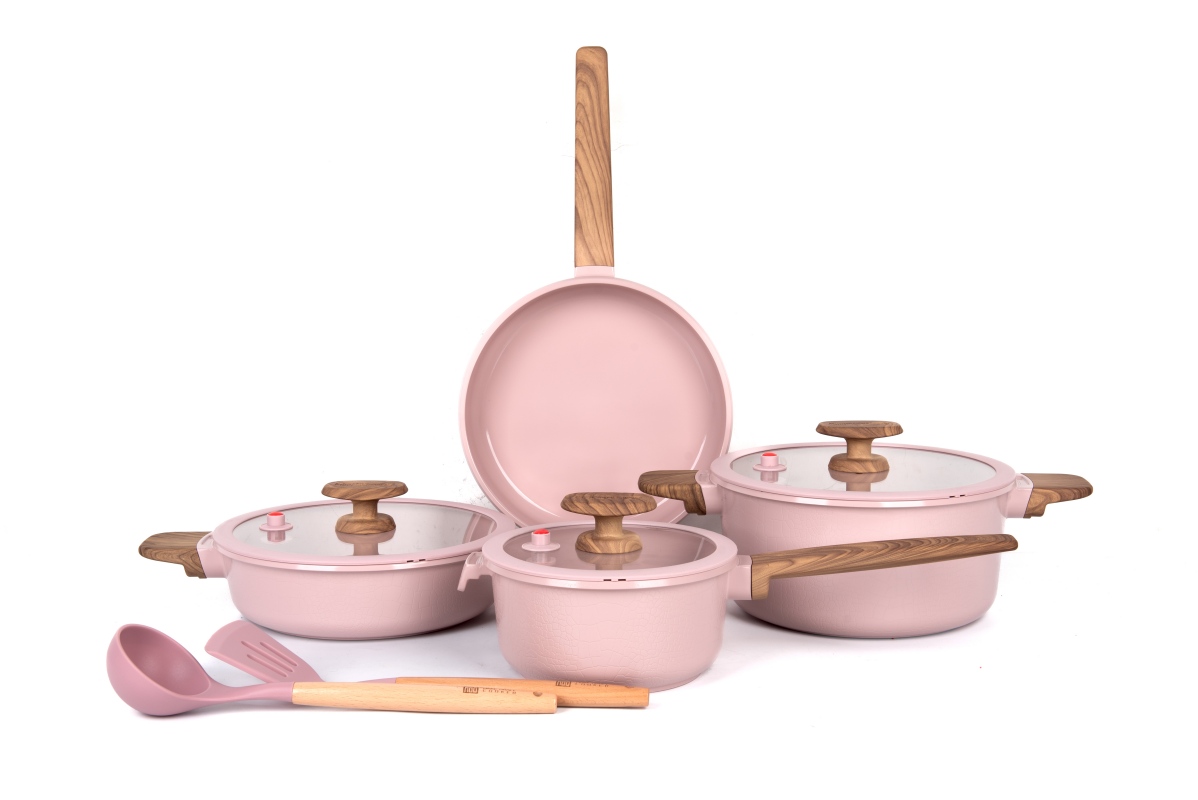
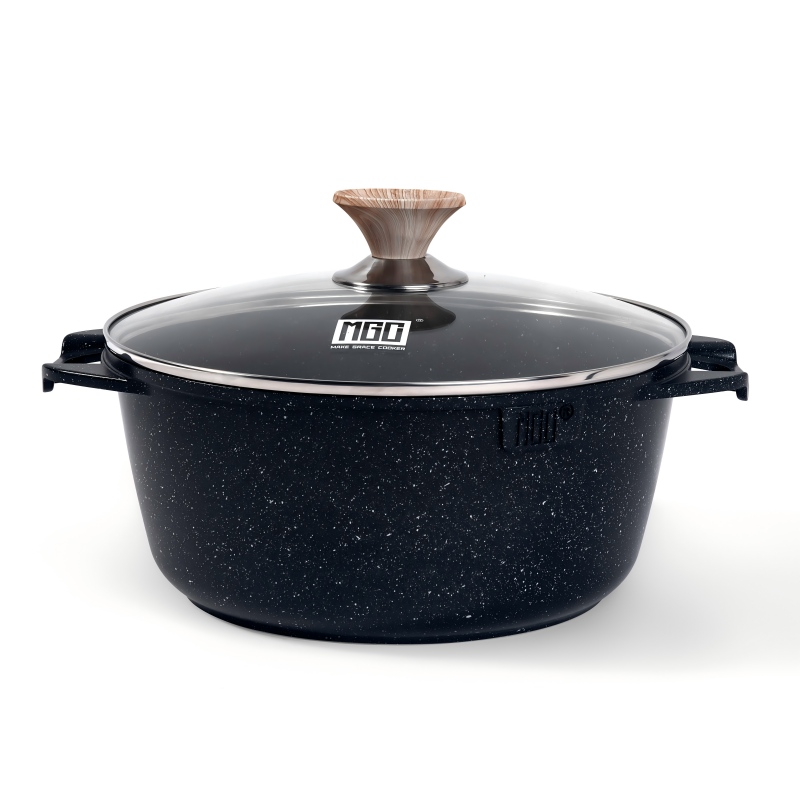
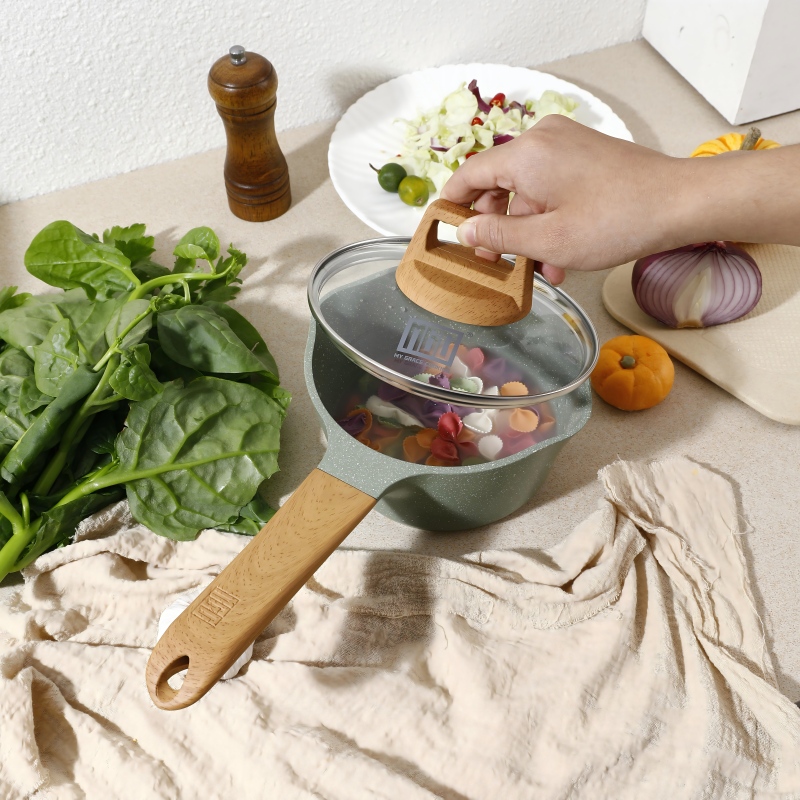
Aluminum cookware offers an effective balance of heat conductivity, lightweight handling, and manufacturing flexibility, making it suitable for everyday cooking and large-scale foodservice operations. Aluminum transfers heat efficiently, helping reduce temperature variations when preparing sauces, vegetables, eggs, and other heat-sensitive foods. Its relatively low weight also supports easier handling in busy kitchens, where staff frequently lift and move pots and pans throughout service. For cookware brands, distributors, and retailers, aluminum provides versatile options for different sizes, shapes, and surface finishes. MG Cookware focuses on manufacturing solutions that address practical market requirements, helping business buyers develop product ranges tailored to household cooking, hospitality, and retail distribution.
Get A Quote

 EN