Customer Perspectives on Frying Pan Sourcing
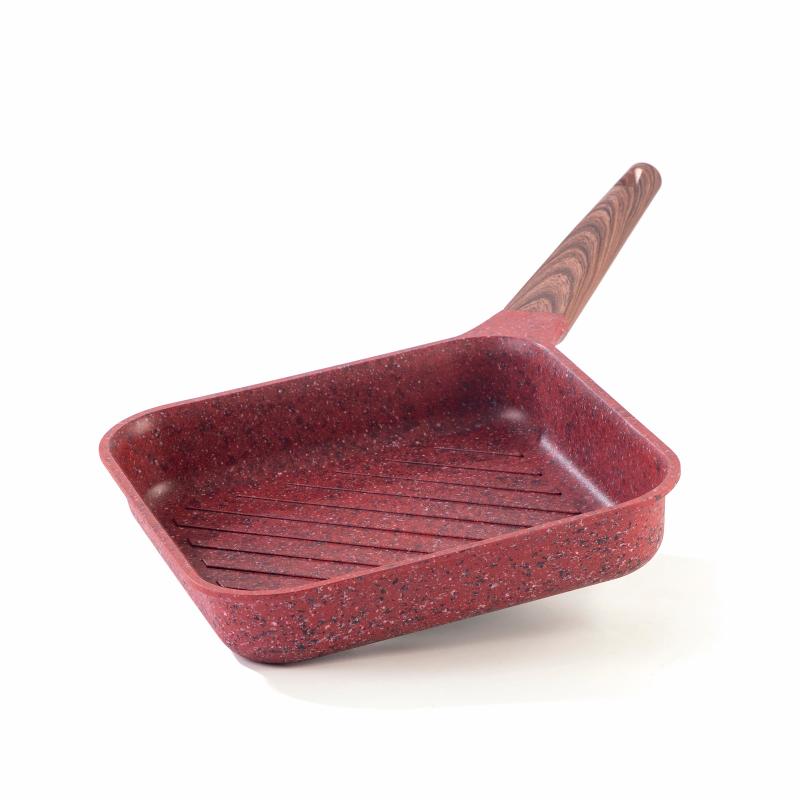
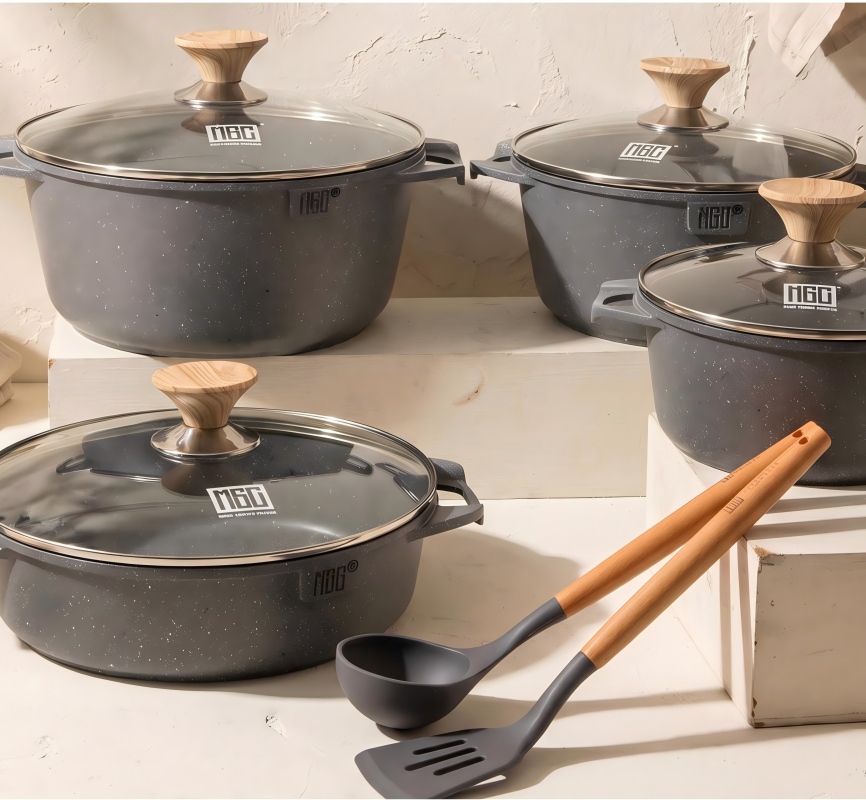
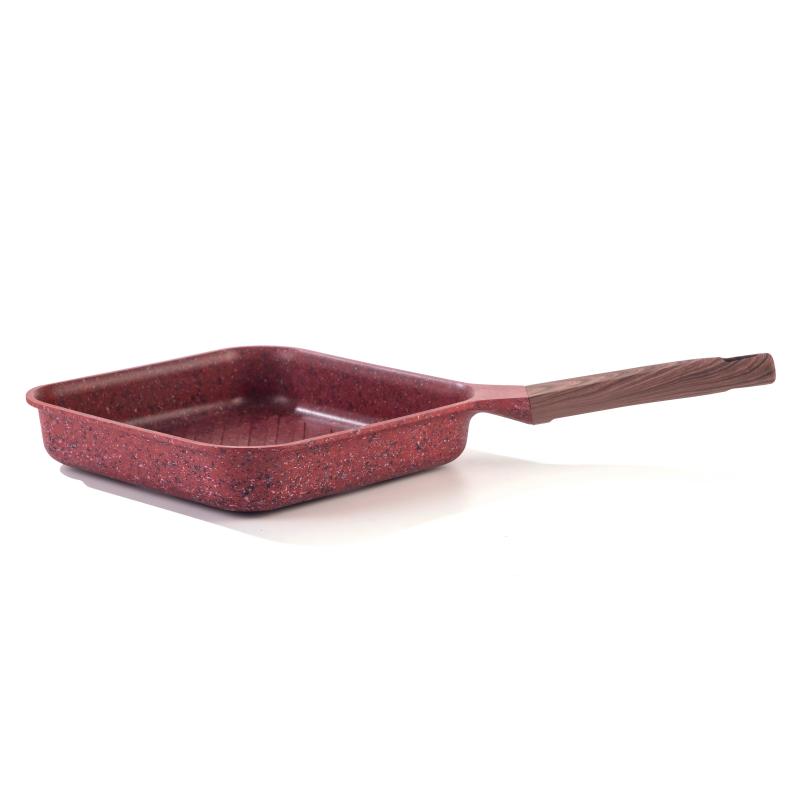
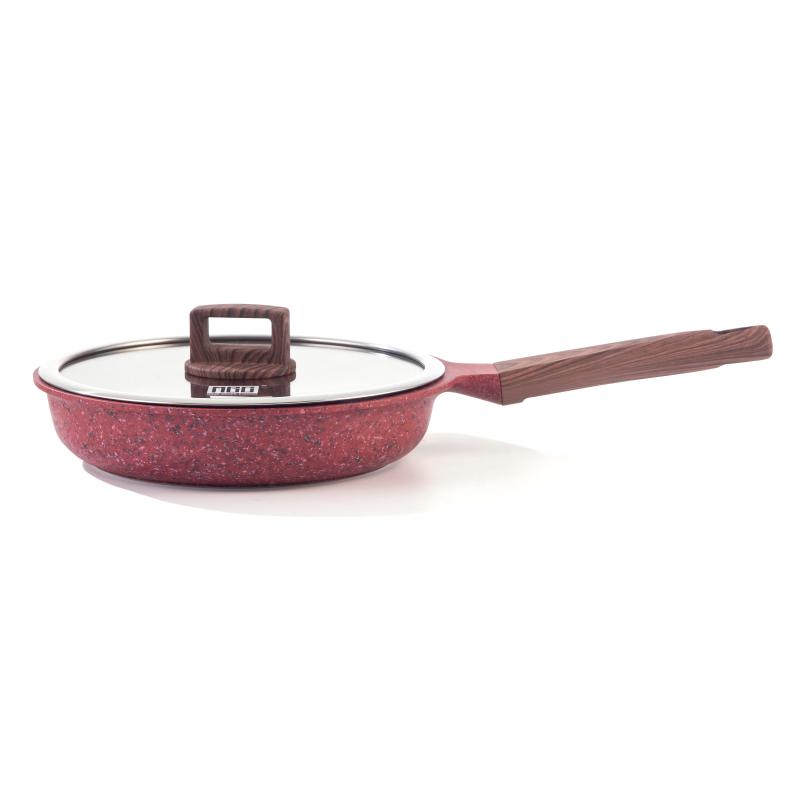
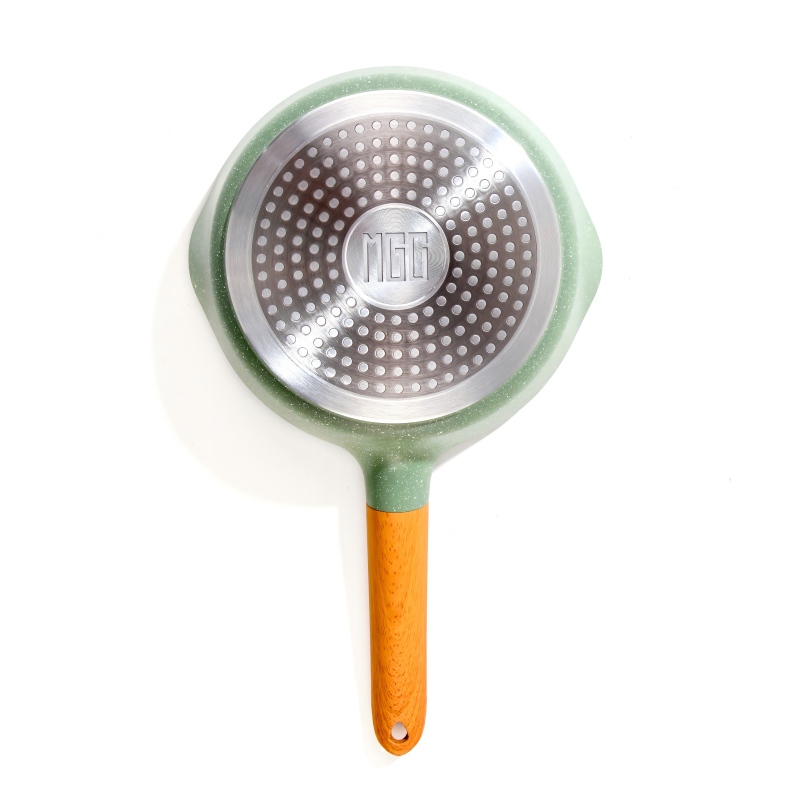
Choosing a frying pan supplier involves more than comparing unit prices. B2B buyers should evaluate material options, pan dimensions, handle construction, surface finish, packaging, and consistency between product samples and bulk orders. For example, a retailer serving apartment residents may prioritize compact pans, while a family focused range may require wider cooking surfaces and several size options. Suppliers should provide clear specifications so buyers can assess cooking applications, maintenance requirements, and cooktop compatibility. Induction models need a suitable magnetic base, while coated pans require appropriate care guidance. Buyers should also clarify minimum order quantities, production schedules, and customization options before committing to a purchase. A structured evaluation helps importers and distributors identify suppliers whose product offerings align with customer expectations and business requirements.
Get A Quote

 EN