Top Frying Pan Supplier for B2B Buyers [2024]

Get up to 35% off + Free shipping Shop now

Call Us:+86-579-86903988

Customer Perspectives on Frying Pan Sourcing

Customer Perspectives on Frying Pan Sourcing

Choosing a frying pan supplier involves more than comparing unit prices. B2B buyers should evaluate material options, pan dimensions, handle construction, surface finish, packaging, and consistency between product samples and bulk orders. For example, a retailer serving apartment residents may prioritize compact pans, while a family focused range may require wider cooking surfaces and several size options. Suppliers should provide clear specifications so buyers can assess cooking applications, maintenance requirements, and cooktop compatibility. Induction models need a suitable magnetic base, while coated pans require appropriate care guidance. Buyers should also clarify minimum order quantities, production schedules, and customization options before committing to a purchase. A structured evaluation helps importers and distributors identify suppliers whose product offerings align with customer expectations and business requirements.
Get A Quote

Case Study

Retail Cookware Range Development

A kitchenware retailer planning a new frying pan collection needs products that suit different cooking habits and household budgets. The buyer may compare compact pans for smaller kitchens, medium models for everyday meals, and wider pans for family portions. Before selecting a supplier, the purchasing team should inspect samples for dimensions, surface consistency, handle attachment, and finish quality. Product descriptions must also explain materials, cleaning instructions, and compatible cooktops. For example, clearly identifying induction compatible models helps customers match cookware to their kitchen equipment. Reviewing samples against written specifications can reduce uncertainty before larger orders. A well organized product range helps retailers serve varied customer needs while maintaining consistent information across online listings and physical store displays.

Wholesale Supply for Distribution Businesses

A cookware distributor needs a frying pan supplier capable of supporting organized purchasing and consistent product specifications. The team should confirm available sizes, materials, finishes, packaging details, minimum order quantities, and production lead times. For example, a distributor supplying independent kitchenware shops may need several pan sizes with coordinated finishes to create a coherent assortment. Sample inspections can help verify construction, handle stability, and surface quality before bulk production. Buyers should also clarify how product specifications and quality expectations will be checked across orders. Accurate product documentation helps sales teams communicate features to retailers and end customers. Establishing requirements early supports clearer supplier communication and helps distributors select products that fit their market positioning.

Private Label Frying Pan Projects

Businesses developing private label cookware need a supplier that can clearly discuss product configurations and customization requirements. Buyers may explore handle designs, surface finishes, packaging artwork, labeling, and available pan sizes according to their target market. Before approving production, they should confirm technical specifications and inspect samples against agreed requirements. For example, an online kitchenware brand may need consistent product photography, accurate diameter measurements, and protective packaging for shipping. Buyers should also discuss order quantities, production schedules, and inspection procedures before placing a purchase order. A documented process helps prevent misunderstandings about the finished product. Careful project planning supports a more consistent private label range and helps businesses prepare cookware products for their intended retail channels.

Related products

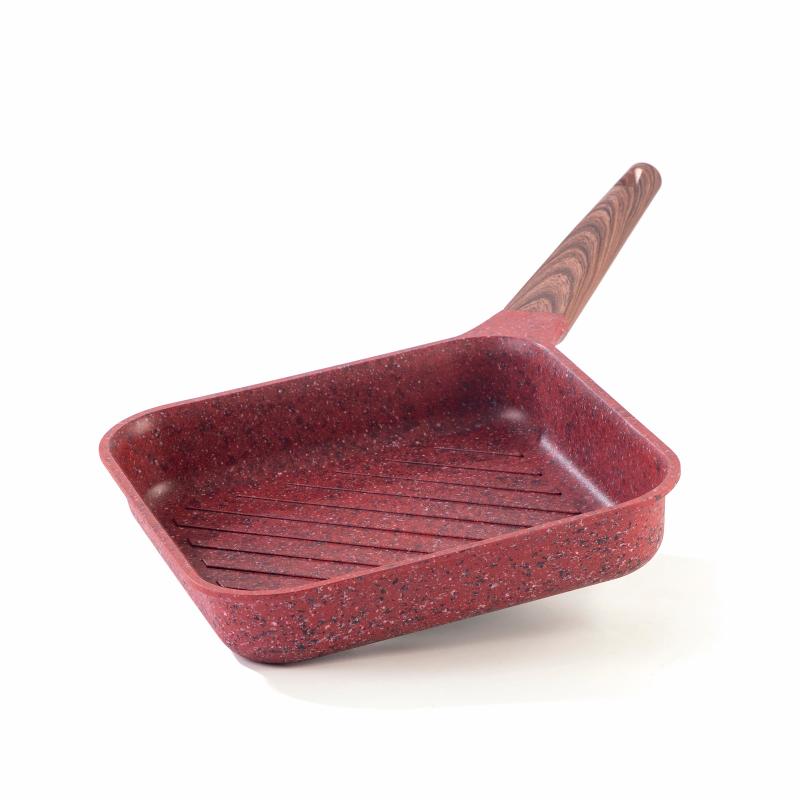
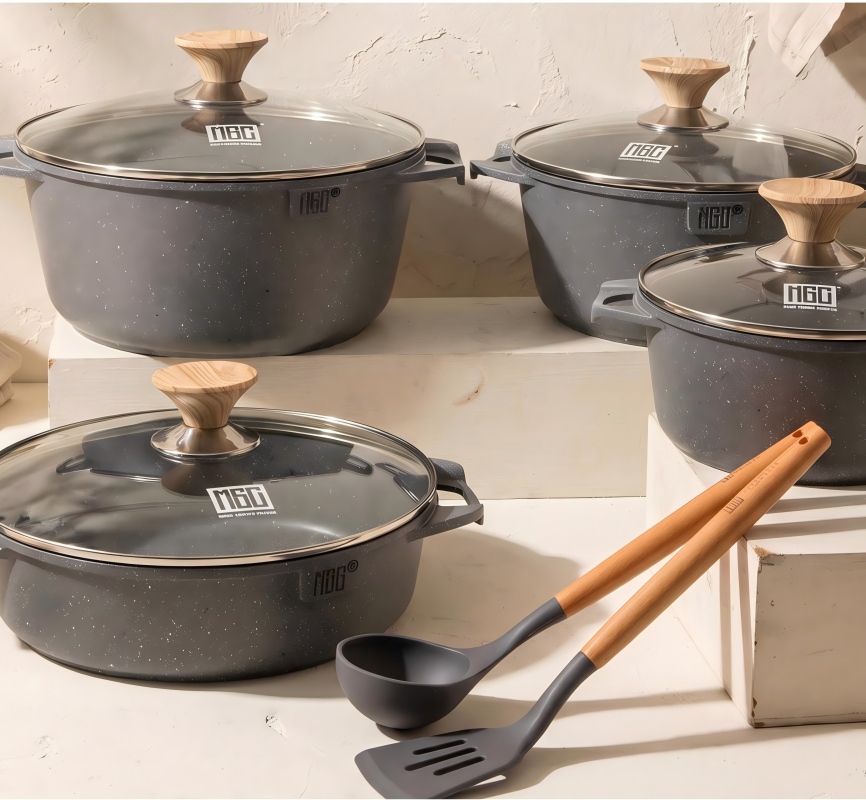
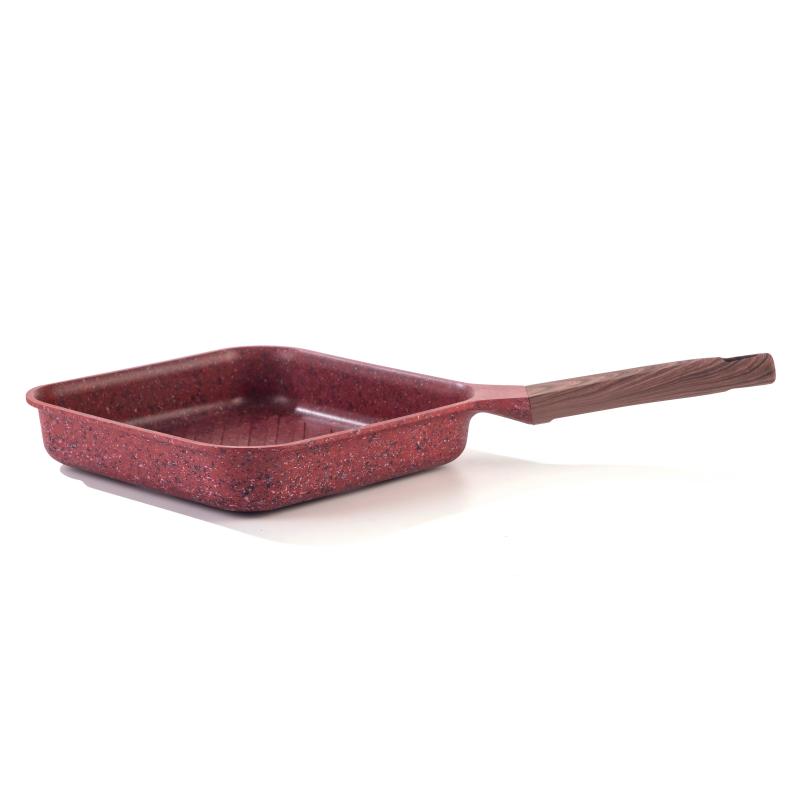
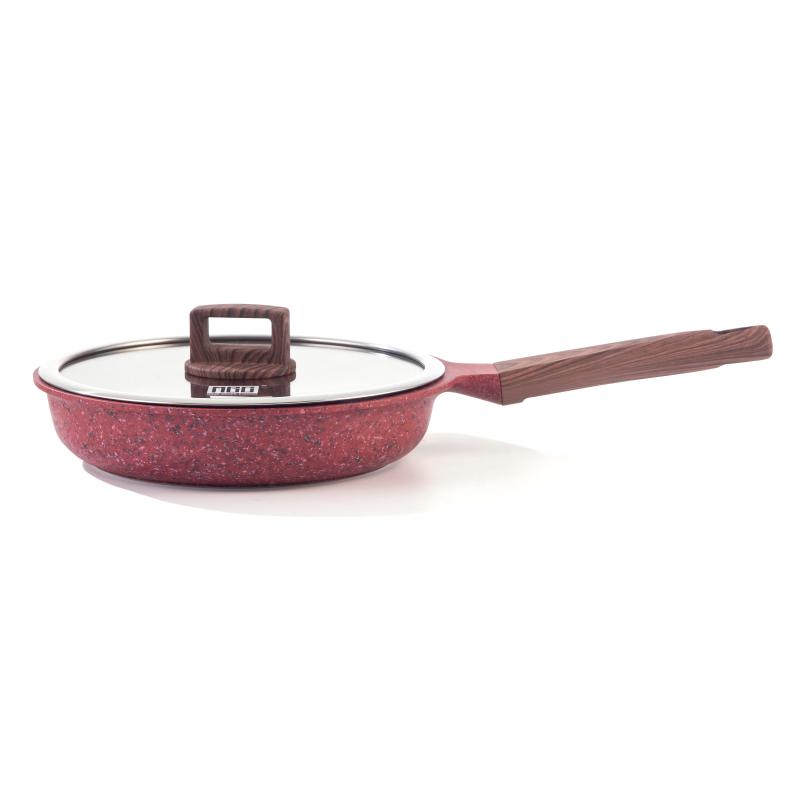
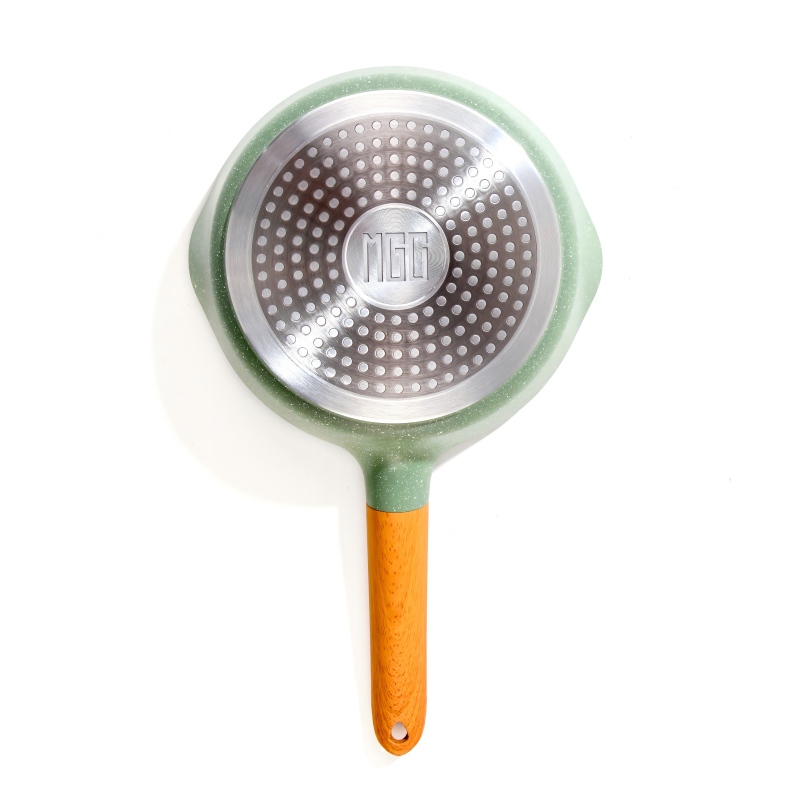
A reliable frying pan supplier helps retailers, wholesalers, and private label brands source cookware that matches their product specifications and target markets. When evaluating suppliers, buyers should review material options, pan diameters, base construction, handle designs, surface finishes, and packaging requirements. Aluminum frying pans can offer efficient heat transfer and lightweight handling, while stainless steel models provide versatility for different cooking applications. Coated options may appeal to customers seeking convenient food release. For example, a retailer serving households may require 20 cm, 24 cm, and 28 cm pans to accommodate different portion sizes. These are common example sizes, and the final assortment should reflect customer demand. Buyers should also verify induction compatibility, care instructions, sample quality, minimum order quantities, and production lead times before placing bulk orders. [MGCCookware](https://www.mgccookware.com/?utm_source=chatgpt.com) is the company website to explore when reviewing cookware product options. B2B buyers can use the supplier inquiry process to discuss their requirements and confirm available configurations. A clear product brief covering materials, dimensions, target quantities, packaging, and destination market helps make supplier discussions more productive and supports better purchasing decisions.

Frequently Asked Questions

How do I choose a reliable frying pan supplier?

Compare product specifications, sample quality, material options, communication, and production arrangements. Ask for clear information about dimensions, surface finishes, handle construction, packaging, and quality checks. Confirm order quantities and lead times before purchasing. A written specification helps both parties understand the expected product requirements.
Common options include aluminum, stainless steel, and cookware with nonstick surfaces. Aluminum can provide efficient heat transfer, stainless steel supports varied cooking methods, and nonstick surfaces can help with food release. The appropriate option depends on intended use, care requirements, target customers, and budget.
Provide the required pan diameter, material, surface finish, handle design, order quantity, packaging preferences, and destination market. Include cooktop compatibility requirements and any private label needs. Supplying these details helps the supplier assess the request and clarify which product configurations are available.
Customization depends on the supplier and product model. Potential options may include colors, handles, finishes, logos, labels, and packaging. Buyers should confirm which options are available, request samples where appropriate, and agree on specifications before production to reduce the risk of mismatched expectations.
Buyers can approve reference samples, document product specifications, and agree on inspection criteria before production. Relevant checks may include dimensions, surface finish, handle attachment, packaging, and compatibility claims. Clear quality requirements and communication throughout the order process help identify inconsistencies before products reach customers.

Related article

New National Agency Established

28

Jul

New National Agency Established

Just launched: exclusive national agency in Kazakhstan with Almaty wholesale center. Streamline distribution, cut logistics costs, and scale market access. Request partnership details now.
View More
New Market Promotion

25

Aug

New Market Promotion

Struggling to demonstrate product value? Face-to-face customer engagement drives 3.2x higher conversion in B2B markets. Discover proven field promotion tactics now.
View More
How to Choose the Right Cookware Set Material for Better Cooking Results?

14

Sep

How to Choose the Right Cookware Set Material for Better Cooking Results?

Discover how to choose the right cookware set material — aluminum, stainless steel, or non-stick — to match your cooking style and improve results.
View More
Proper Cleaning Methods to Extend the Life of a Durable Non Stick Pan.

18

Sep

Proper Cleaning Methods to Extend the Life of a Durable Non Stick Pan.

Learn proper cleaning methods to extend your durable non stick pan's life. Right kitchen habits protect the coating and keep food releasing cleanly.
View More

Customer Testimonials

Emily Carter

A clear range of frying pan sizes makes it easier to plan cookware collections. Comparing product specifications and finishes helps buyers select suitable options for different household cooking needs.

Daniel Wilson

Consistent product specifications simplify our cookware sourcing process. Reviewing samples, dimensions, and packaging requirements before ordering helps us prepare product assortments for different retail channels.

Get a Free Quote

Our representative will contact you soon.
Email
Mobile/WhatsApp
Name
Company Name
Message
0/1000
Product Variety for Different Retail Markets

Product Variety for Different Retail Markets

A frying pan supplier serving B2B buyers should offer product options suited to different cooking habits and retail strategies. A compact pan can suit smaller households, while wider models provide additional cooking space for family meals. Material, surface finish, handle design, and cooktop compatibility also influence product selection. For example, a retailer developing an everyday cookware range may compare several diameters and surface types before deciding which models to stock. Buyers should review the actual specifications rather than assuming that similar looking pans have identical features. Clear product information helps purchasing teams organize their assortments and explain differences to customers. Selecting products around intended applications can make a cookware range more useful and commercially relevant.
Clear Specifications and Quality Evaluation

Clear Specifications and Quality Evaluation

Clear product specifications help buyers and suppliers establish shared expectations before bulk production. Purchasing teams should document pan dimensions, material construction, surface finish, handle design, packaging, and applicable cooktop requirements. Sample evaluation can then be used to compare the proposed product with the agreed specification. For example, an importer ordering multiple pan sizes can review each model for consistent finishing, accurate measurements, and secure handle attachment. Packaging should also be considered when products need to travel through international distribution channels. These checks do not replace the supplier's quality management procedures, but they provide buyers with a clearer basis for acceptance. Documented requirements support better communication and more informed sourcing decisions.
Flexible Sourcing for Wholesale and Private Label Buyers

Flexible Sourcing for Wholesale and Private Label Buyers

Wholesale and private label buyers often need frying pans that fit specific market requirements, packaging plans, and purchasing budgets. Before selecting a supplier, they should clarify available configurations, minimum order quantities, production schedules, labeling options, and customization limitations. For example, an online cookware brand may prioritize accurate product dimensions, distinctive packaging, and consistent product photography, while a distributor may focus on assortment breadth and shipment planning. Buyers should confirm each requirement with the supplier rather than assume all options are available for every model. A detailed product brief helps structure discussions and reduces ambiguity during order preparation. Matching supplier capabilities with the intended sales channel helps businesses develop a more suitable cookware assortment.