Die Cast Cookware: Durable, Versatile & OEM-Ready

Get up to 35% off + Free shipping Shop now

Call Us:+86-579-86903988

Reviews Title 1: Practical Cookware for Everyday Kitchens

Reviews Title 1: Practical Cookware for Everyday Kitchens

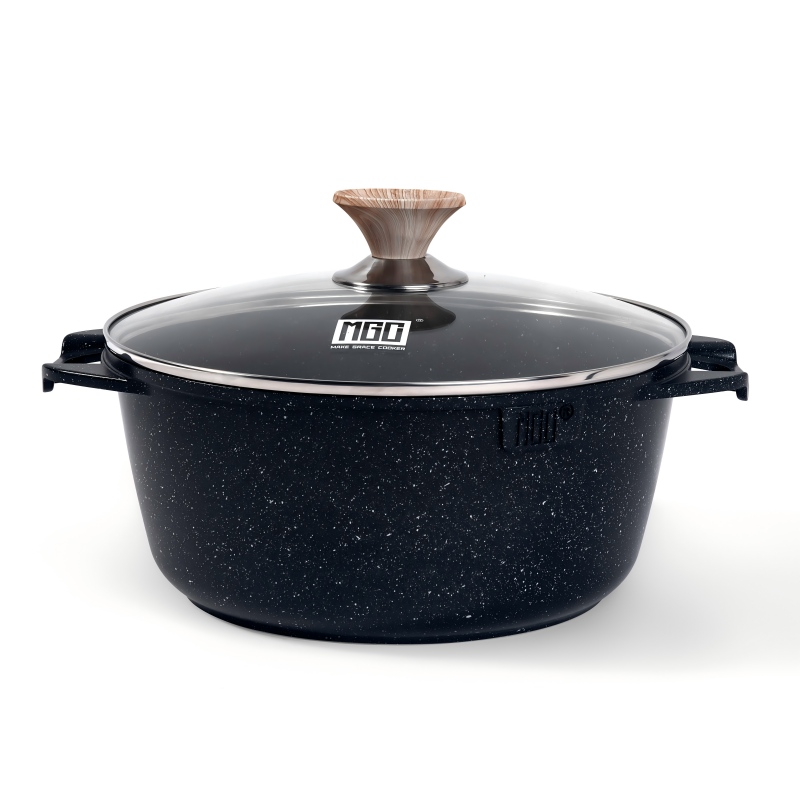
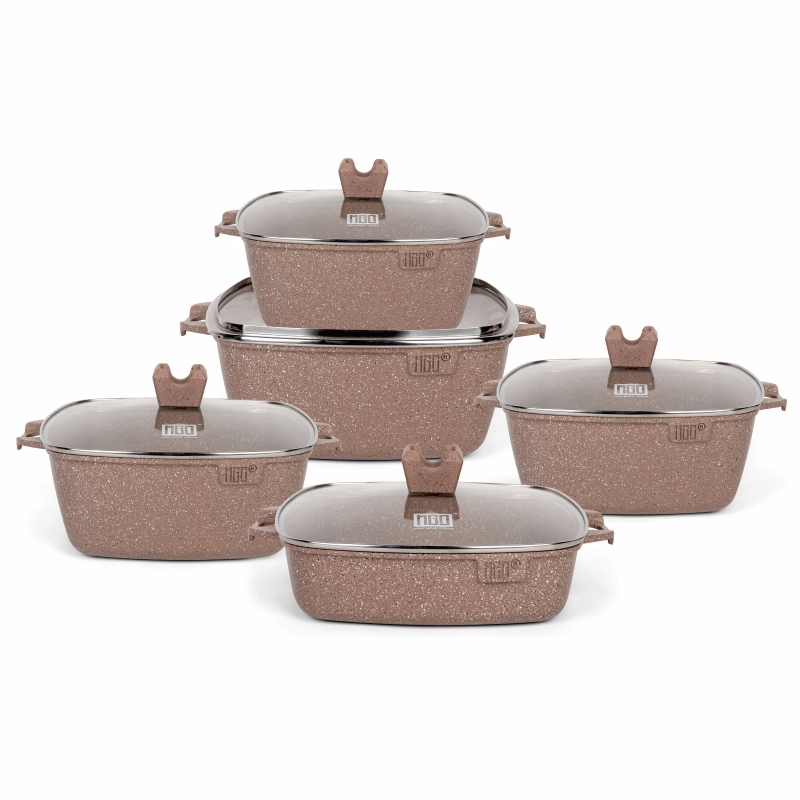
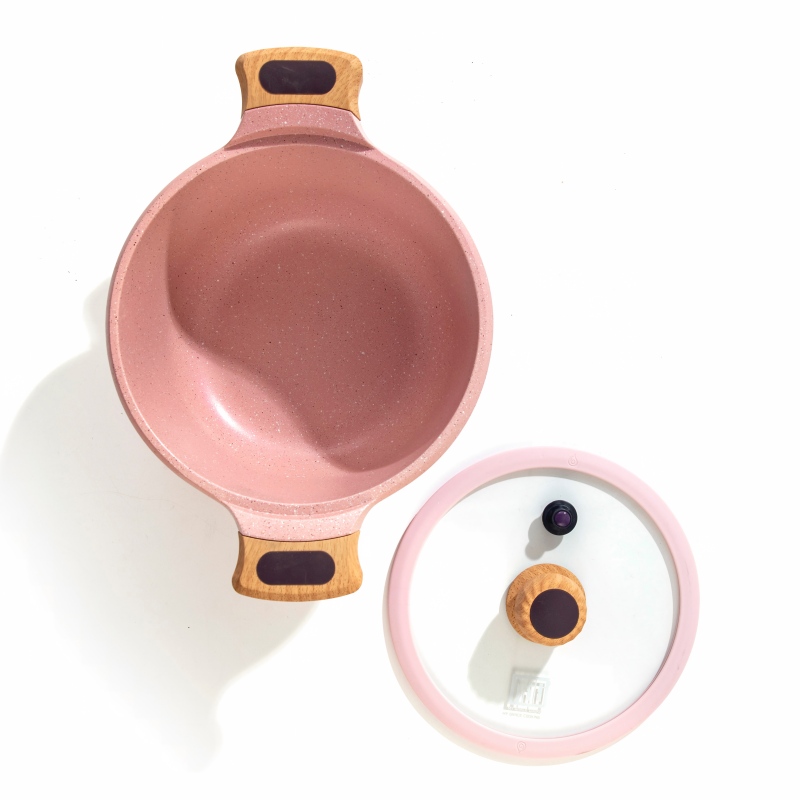
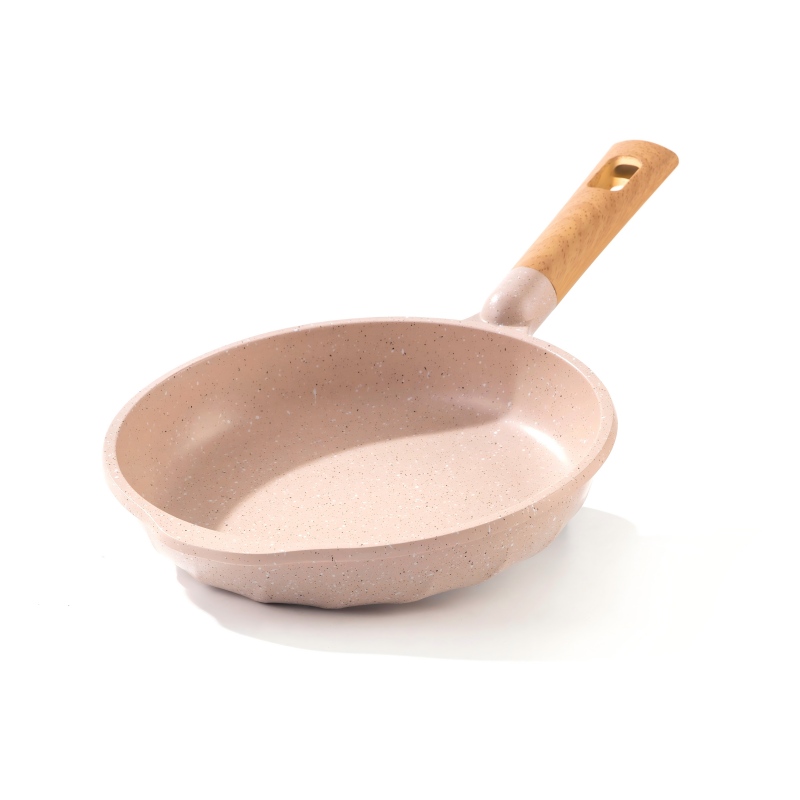
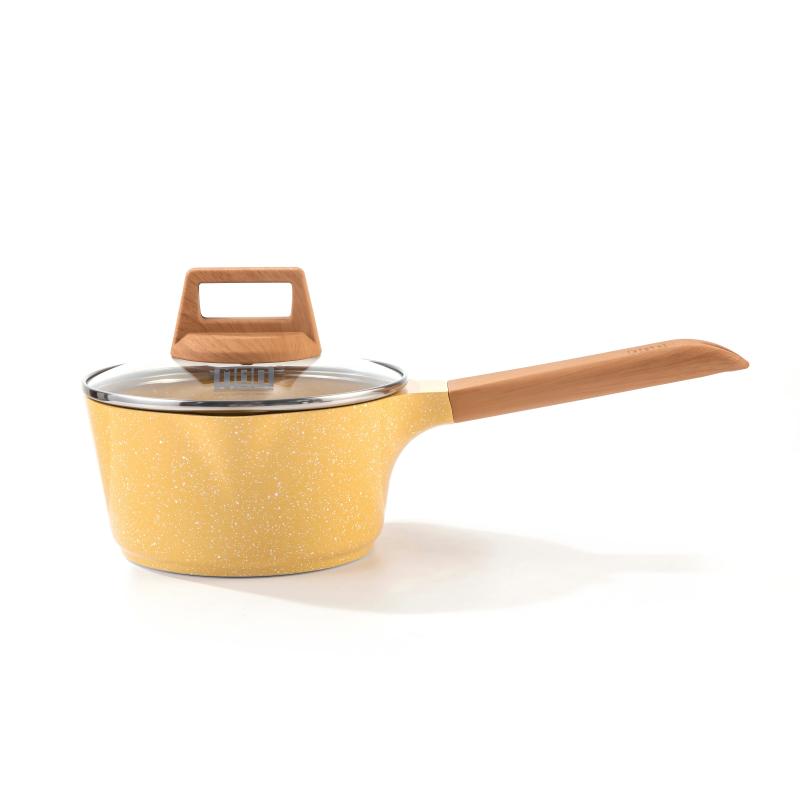
Die cast cookware combines practical construction, efficient heat transfer, and versatile styling for contemporary cooking environments. Depending on the material, aluminum models can offer relatively lightweight handling and responsive heating for preparing vegetables, eggs, sauces, and family meals. Carefully designed cookware bodies provide consistent shapes, while suitable coatings can support easier food release and routine cleaning. Different pan sizes and configurations allow retailers to develop collections for households with varied cooking habits. For example, a range featuring frying pans, saucepans, and sauté pans can cover several everyday kitchen tasks. Buyers should compare material specifications, coating quality, handle construction, and cooktop compatibility to select products that meet their customers' expectations.
Get A Quote

Case Study

Everyday Cooking for Residential Kitchens

A kitchenware retailer wanted to expand its assortment with cookware suitable for busy households. Die cast frying pans and saucepans offered practical options for preparing breakfast, cooking vegetables, and making quick family dinners. The purchasing team compared different sizes, handle designs, and surface finishes to address varied cooking preferences. Nonstick models provided an additional option for customers who prioritize convenient food release and straightforward cleaning. A coordinated collection also helped the retailer present complementary products across its kitchenware section. By reviewing samples and confirming product specifications before ordering, the business could select cookware that balanced everyday usability with consistent appearance across multiple product categories.

Cookware Solutions for Hospitality Businesses

A hospitality supplier needed versatile cookware for serviced apartments, rental properties, and compact accommodation kitchens. Die cast cookware offered practical handling and a variety of configurations for preparing breakfast dishes, vegetables, and simple hot meals. The purchasing team assessed pan dimensions, handle attachment, cleaning requirements, and compatibility with the cooking equipment used by its customers. A carefully selected assortment of three cookware styles helped simplify product selection across different kitchen layouts. Clear care instructions also supported appropriate daily use and maintenance. For distributors serving hospitality customers, comparing construction details and product specifications can help identify suitable options for frequent meal preparation and different purchasing budgets.

Private Label Cookware for Retail Brands

A growing kitchenware brand planned to launch a coordinated cookware collection for online retail and regional distribution. Die cast cookware provided a flexible platform for exploring different sizes, exterior finishes, handle styles, and coating options. The team reviewed samples from three proposed product configurations before deciding which designs best matched its target market. Coordinated packaging and customized branding offered further opportunities to create a recognizable collection. Before confirming production, the business checked product dimensions, surface quality, and packaging requirements. This structured process helped align purchasing expectations with the planned retail presentation. For private label buyers, early sample approval and clear specifications are important steps toward a smoother product launch.

Related products

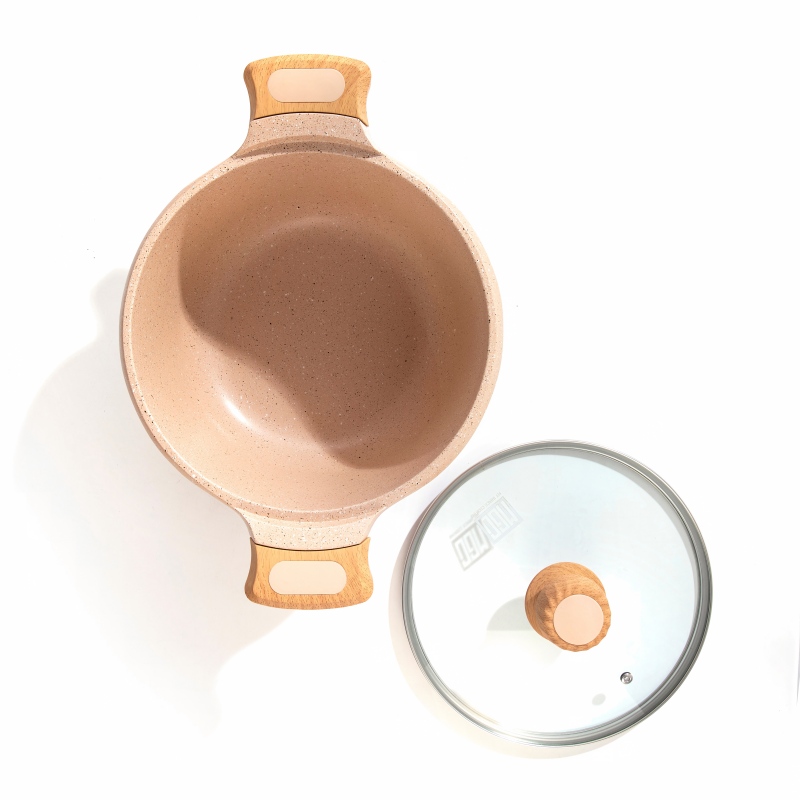
Die cast cookware is designed to combine functional construction with practical styling for residential and commercial kitchen environments. The manufacturing process shapes material within a mold, allowing manufacturers to create defined contours and consistent product dimensions. Depending on the material and model, cookware may feature nonstick coatings, ergonomic handles, reinforced bases, and different exterior finishes. These specifications influence handling, cleaning requirements, heat distribution, and compatibility with particular cooktops. For home cooks, suitable products can support everyday tasks such as frying eggs, sautéing vegetables, preparing sauces, and cooking family meals. Retailers can develop coordinated collections featuring multiple pan sizes and complementary designs. Private label projects may also include customized colors, logos, and packaging, depending on production capabilities and minimum order requirements. MG Cookware provides a starting point for businesses exploring cookware collections and product sourcing opportunities. Buyers should evaluate physical samples, material specifications, coating quality, handle construction, and applicable food contact requirements before placing bulk orders. They should also confirm cooking surface compatibility and review maintenance instructions for each model. Clear specifications, documented quality checks, and appropriate product selection help businesses serve their target markets while establishing realistic expectations for cookware performance.

Frequently Asked Questions

What Is Die Cast Cookware?

Die cast cookware is produced by shaping a material in a mold to create a defined body and consistent dimensions. Aluminum is a common choice because of its efficient heat transfer and relatively lightweight handling. Specific performance depends on the material, construction, and product design.
Depending on its material, die cast cookware can offer convenient handling, practical shapes, and versatile styling. Aluminum models are valued for efficient heat transfer, while suitable coatings can simplify food release and cleaning. Buyers should compare product specifications rather than assume every model offers identical performance.
Compatibility depends on the cookware's material and base construction. Standard aluminum is not magnetic, so aluminum cookware generally requires a suitable magnetic base for induction cooking. Check the product specifications and compatibility markings before selecting cookware for a particular kitchen.
Let cookware cool before washing it with warm water, mild dish soap, and a soft sponge. Avoid abrasive cleaning tools that may damage the surface or coating. Follow the manufacturer's instructions for dishwasher use, suitable utensils, temperature limits, and storage.
Depending on the manufacturer's capabilities, customization may include product dimensions, exterior finishes, handle styles, logos, and packaging. Buyers should confirm available options, minimum order quantities, sample approval, and production schedules. Written specifications and quality requirements help ensure that the finished products match the intended market.

Related article

New Product Development

25

Aug

New Product Development

Struggling to sustain market relevance? Our proven 5-step new product development framework helps B2B teams launch winning solutions faster. Get the playbook now.
View More
New Market Promotion

25

Aug

New Market Promotion

Struggling to demonstrate product value? Face-to-face customer engagement drives 3.2x higher conversion in B2B markets. Discover proven field promotion tactics now.
View More
How to Choose the Right Pan Size for Different Cooking Needs?

14

Sep

How to Choose the Right Pan Size for Different Cooking Needs?

Find the right pan size for your kitchen. Covers key criteria — from cooking portions to frying techniques — to help you choose smarter.
View More
Proper Cleaning Methods to Extend the Life of a Durable Non Stick Pan.

18

Sep

Proper Cleaning Methods to Extend the Life of a Durable Non Stick Pan.

Learn proper cleaning methods to extend your durable non stick pan's life. Right kitchen habits protect the coating and keep food releasing cleanly.
View More

Customer Testimonials

Daniel Brooks

Our team appreciated the lightweight handling and versatile designs. After evaluating three cookware styles, we found them suitable for everyday frying, sautéing, and preparing family meals.

Emily Carter

The available sizes, exterior finishes, and customization options helped us plan a coordinated kitchenware range. Reviewing product samples made it easier to assess quality and suitability for our target customers.

Get a Free Quote

Our representative will contact you soon.
Email
Mobile/WhatsApp
Name
Company Name
Message
0/1000
Practical Construction for Everyday Cooking

Practical Construction for Everyday Cooking

Die cast cookware can provide practical solutions for a variety of everyday cooking requirements. Depending on its material, the cookware body can offer defined contours, consistent dimensions, and convenient handling. Aluminum models are particularly useful for tasks that benefit from efficient heat transfer, including sautéing vegetables, frying eggs, and preparing sauces. A household collection might include a frying pan, a saucepan, and a deeper sauté pan to cover different recipes without unnecessary duplication. Actual performance depends on material thickness, base construction, cooking temperature, and cooktop compatibility. Buyers should review these details when comparing products. Clear specifications help retailers recommend suitable cookware and communicate its practical advantages to customers with different cooking habits.
Design Flexibility for Private Label Collections

Design Flexibility for Private Label Collections

A coordinated cookware collection can help retailers establish a recognizable product identity. Depending on manufacturing capabilities, die cast cookware may be available in different sizes, exterior finishes, handle designs, and coating configurations. For example, a kitchenware brand could combine three pan sizes with a consistent color scheme to create a cohesive retail assortment. Customized logos and packaging may further support brand recognition across online listings and physical stores. Before production begins, buyers should review samples, confirm color references, and approve packaging artwork. Minimum order quantities, lead times, and inspection requirements should also be documented. This preparation helps align product appearance with market expectations and supports more organized communication between buyers and manufacturers.
Quality Checks for Confident Bulk Orders

Quality Checks for Confident Bulk Orders

Reliable cookware sourcing requires clear specifications and consistent quality checks. Buyers should examine material composition, dimensions, surface finish, handle attachment, coating condition, and compatibility with intended cooktops. Applicable food contact requirements and supporting documentation should be confirmed for the destination market. For example, a distributor supplying several retailers may need multiple packaging formats while maintaining consistent cookware specifications across its assortment. Evaluating samples before mass production allows purchasing teams to compare construction details and identify potential issues early. Written acceptance criteria also help inspection teams assess delivered products against approved samples. By combining sample reviews, documented requirements, and supplier communication, businesses can make informed sourcing decisions and reduce avoidable quality disputes.