EN


New Product Development
Struggling to sustain market relevance? Our proven 5-step new product development framework helps B2B teams launch winning solutions faster. Get the playbook now.
View More
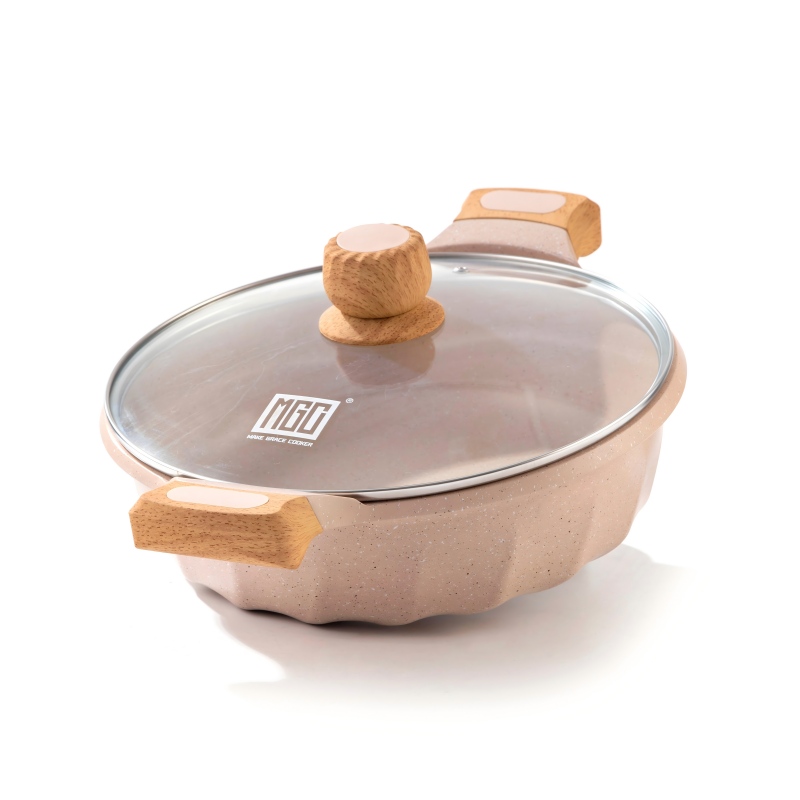
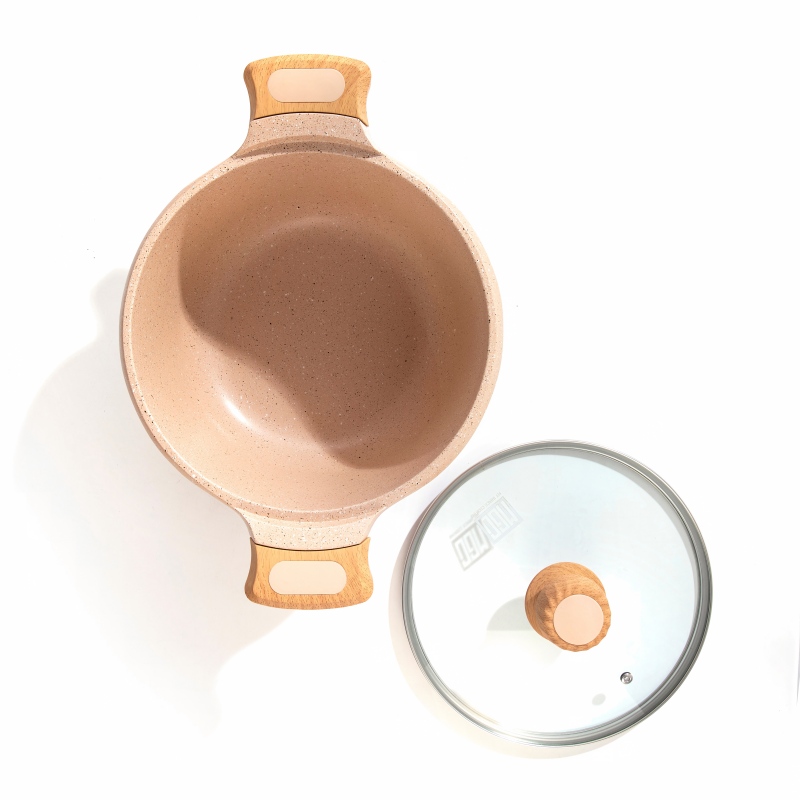
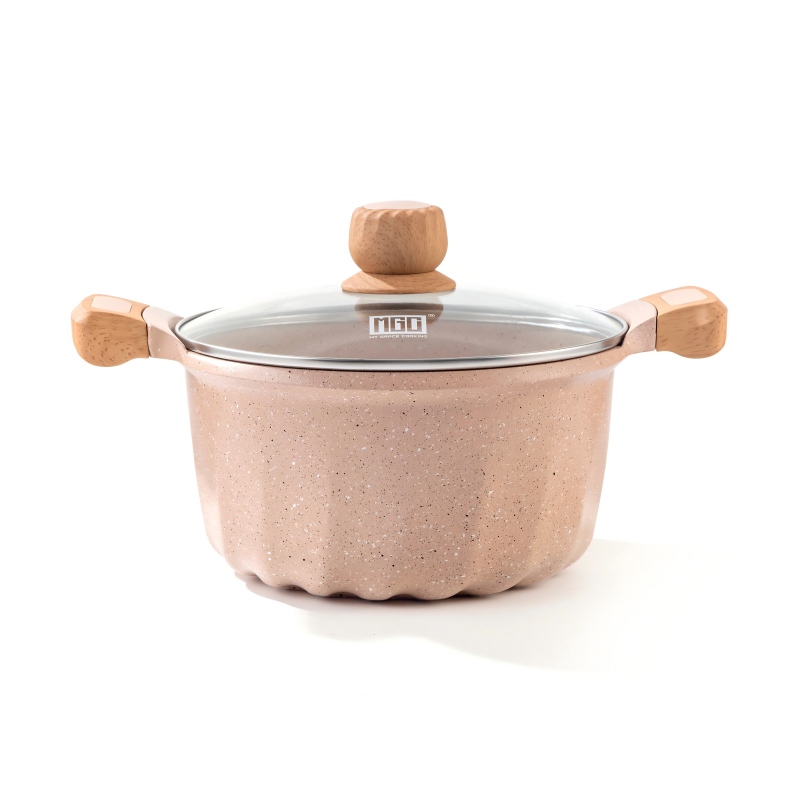
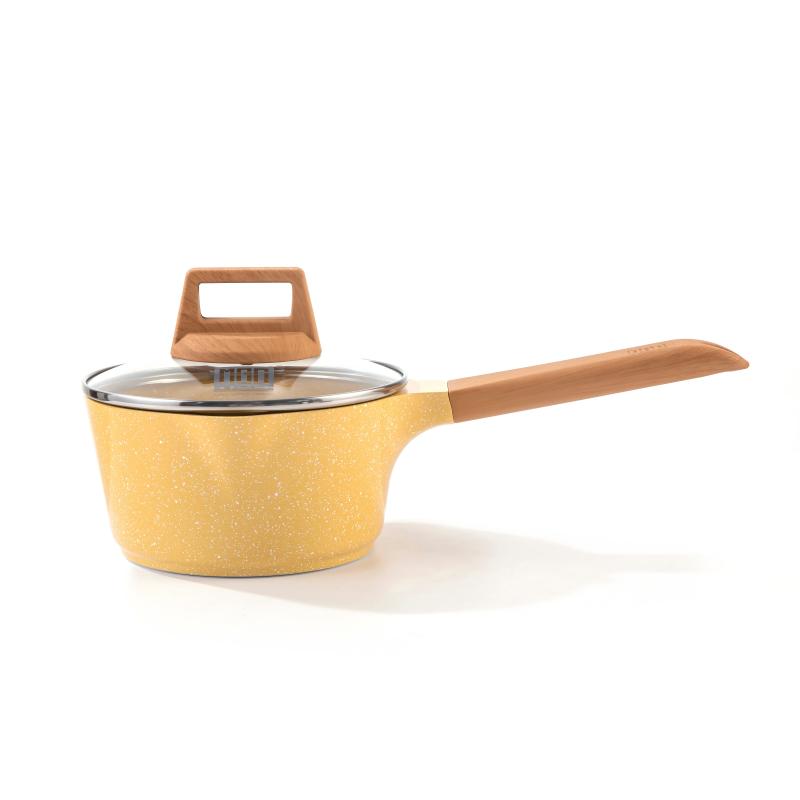
Die cast aluminum is commonly used in cookware because it combines relatively low weight with efficient heat transfer. The manufacturing process shapes aluminum into a defined body, supporting different pan profiles and product designs. However, the base material alone does not determine whether cookware is suitable for food preparation. Material quality, surface treatment, coating condition, intended use, and manufacturing controls all influence product suitability. Uncoated aluminum may react with acidic or salty foods under certain conditions, while a suitable intact coating can reduce direct contact between food and the aluminum body. Users should follow the manufacturer's instructions, avoid overheating empty nonstick pans, and replace cookware when recommended because of significant surface damage. Induction compatibility and oven safety also vary by model and should be confirmed before use. For B2B buyers, MGCCookware can be explored when evaluating cookware options and potential customization requirements. Importers and distributors should request product specifications, coating information, relevant food contact documentation, and applicable test reports for their target market. Samples can help assess finish quality, handle construction, dimensions, and overall usability. Confirm available customization, packaging, and order conditions directly with the supplier before purchasing. This approach supports informed sourcing and accurate communication with customers.

25
Aug
25
Aug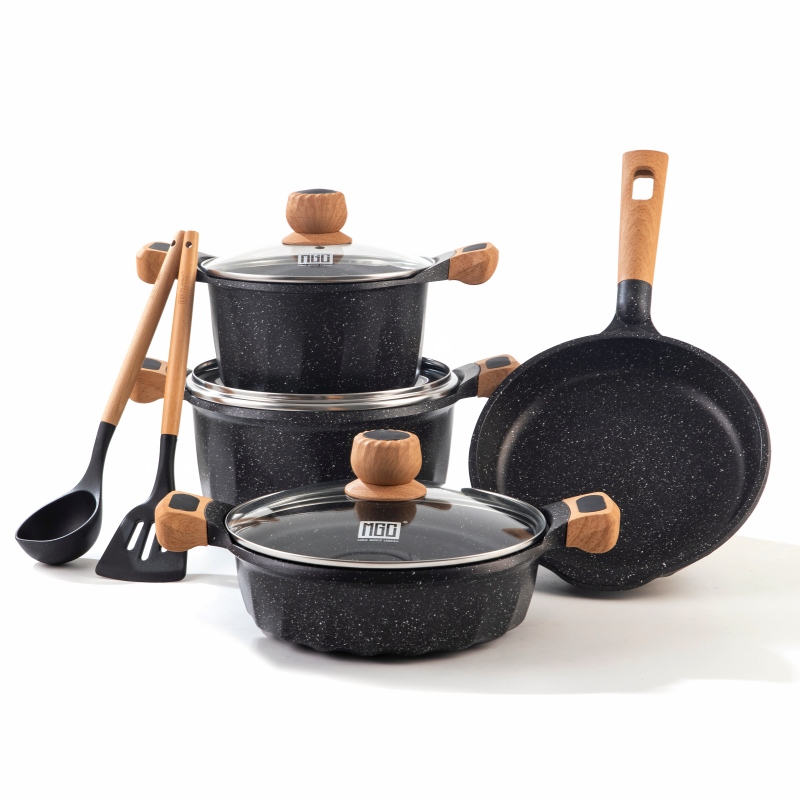
18
Sep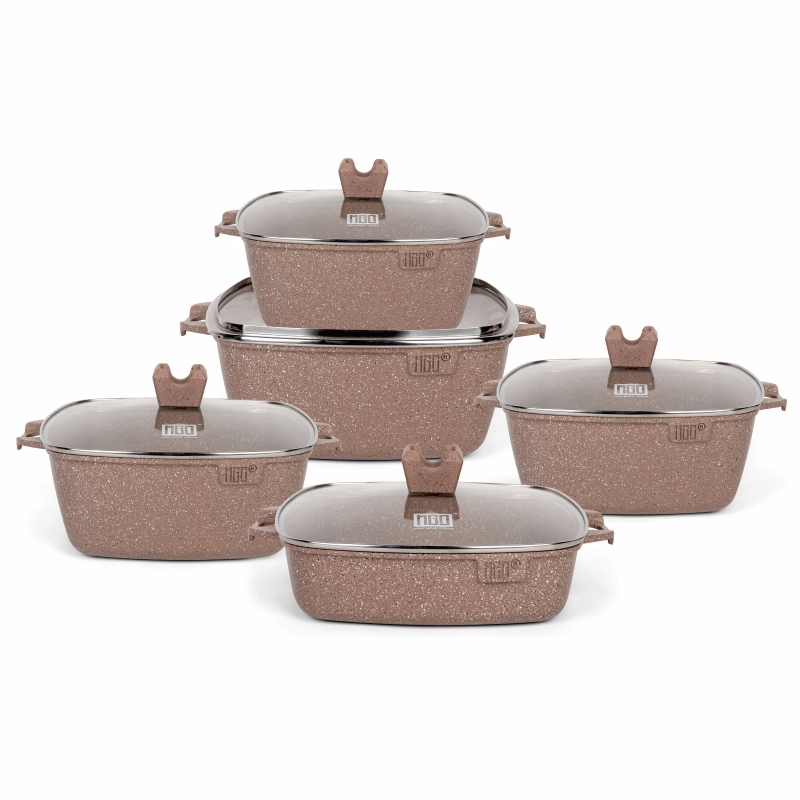
18
Sep