EN


New Market Promotion
Struggling to demonstrate product value? Face-to-face customer engagement drives 3.2x higher conversion in B2B markets. Discover proven field promotion tactics now.
View More
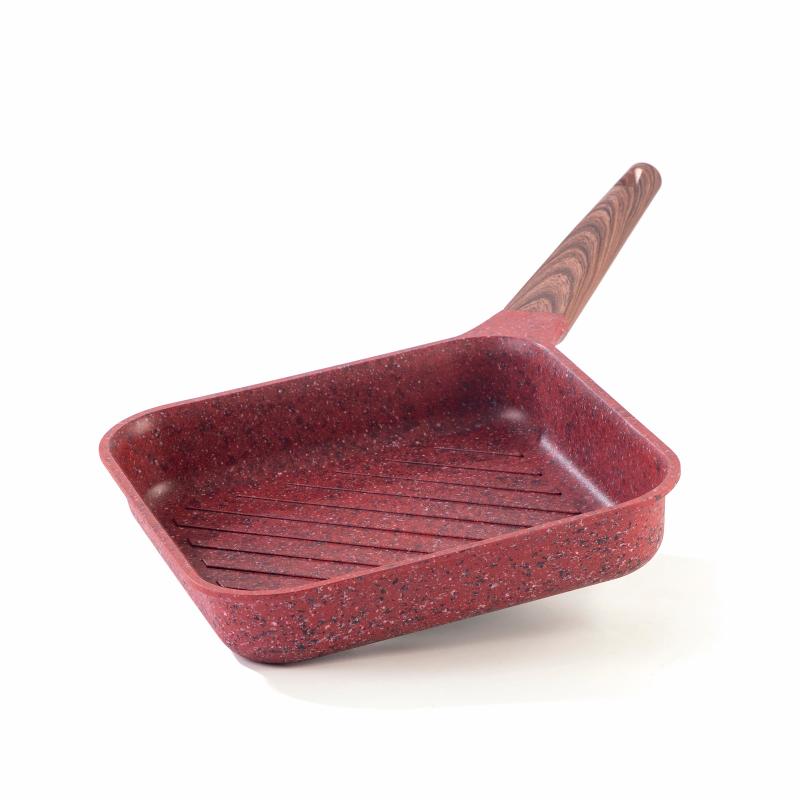
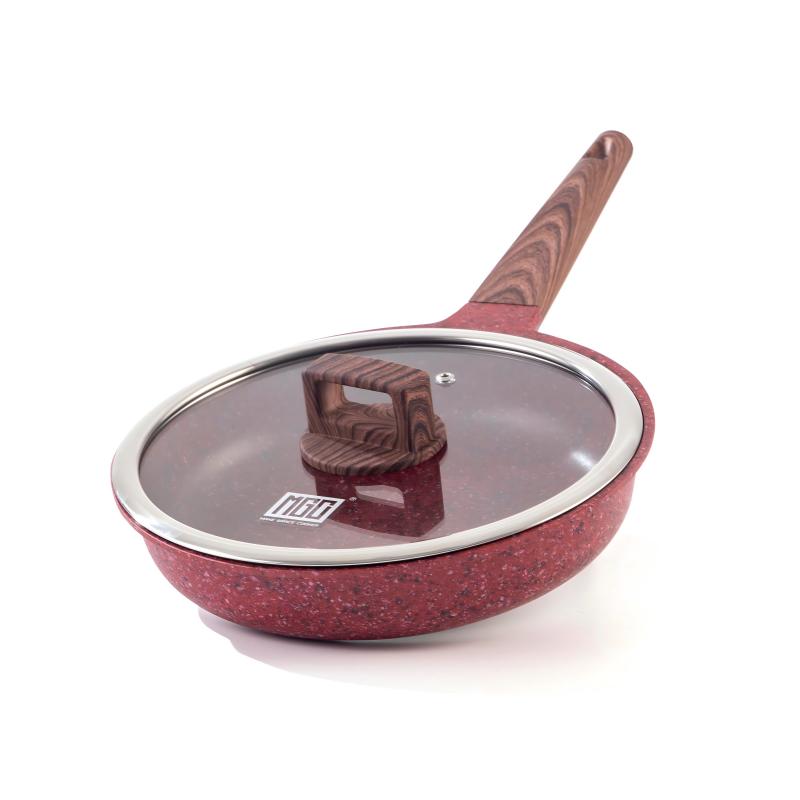
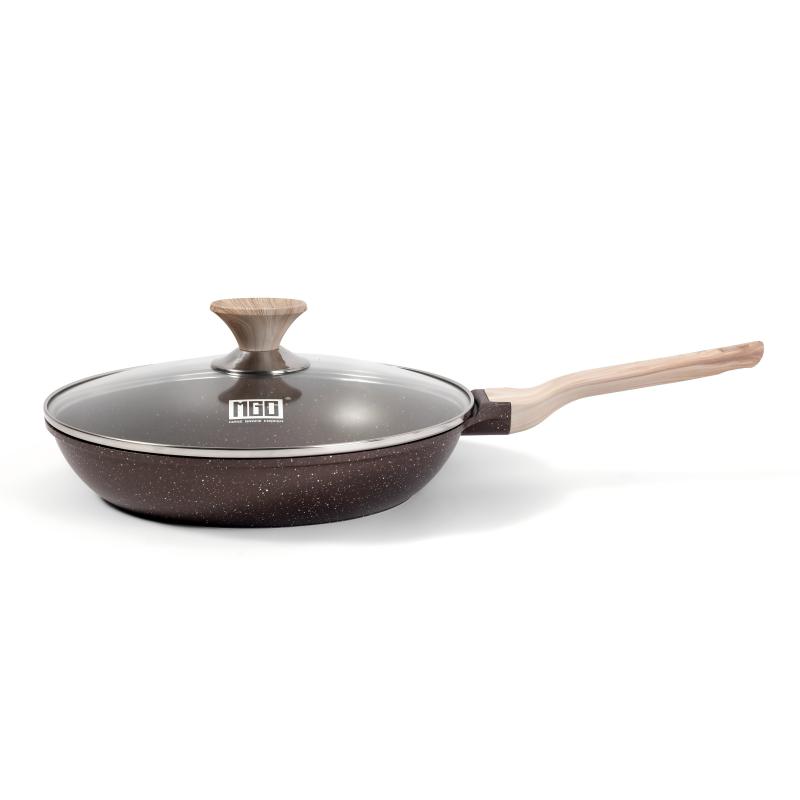
A pan is one of the most frequently used items in a kitchen, supporting cooking methods such as frying, sautéing, searing, and reheating. Its performance depends on material selection, base construction, surface finish, and design. Aluminum pans can distribute heat efficiently and remain relatively lightweight, while stainless steel models offer versatility for preparing different ingredients. Nonstick pans can help release delicate foods with less sticking when users follow recommended care instructions. For buyers, selecting the right pan starts with the intended application. A 20 to 24 centimeter model may suit smaller portions, while a wider pan can provide additional cooking space for family meals. These dimensions are examples rather than universal standards, so buyers should compare actual product specifications. Cooktop compatibility is also essential, particularly for induction cooking, which requires a suitable magnetic base. [MGCCookware](https://www.mgccookware.com/?utm_source=chatgpt.com) offers a starting point for businesses exploring cookware products and sourcing requirements. Retailers, wholesalers, and private label buyers can evaluate product configurations, materials, finishes, and packaging according to their market needs. Reviewing samples and confirming specifications before bulk production helps establish clearer quality expectations and supports more informed purchasing decisions.
25
Aug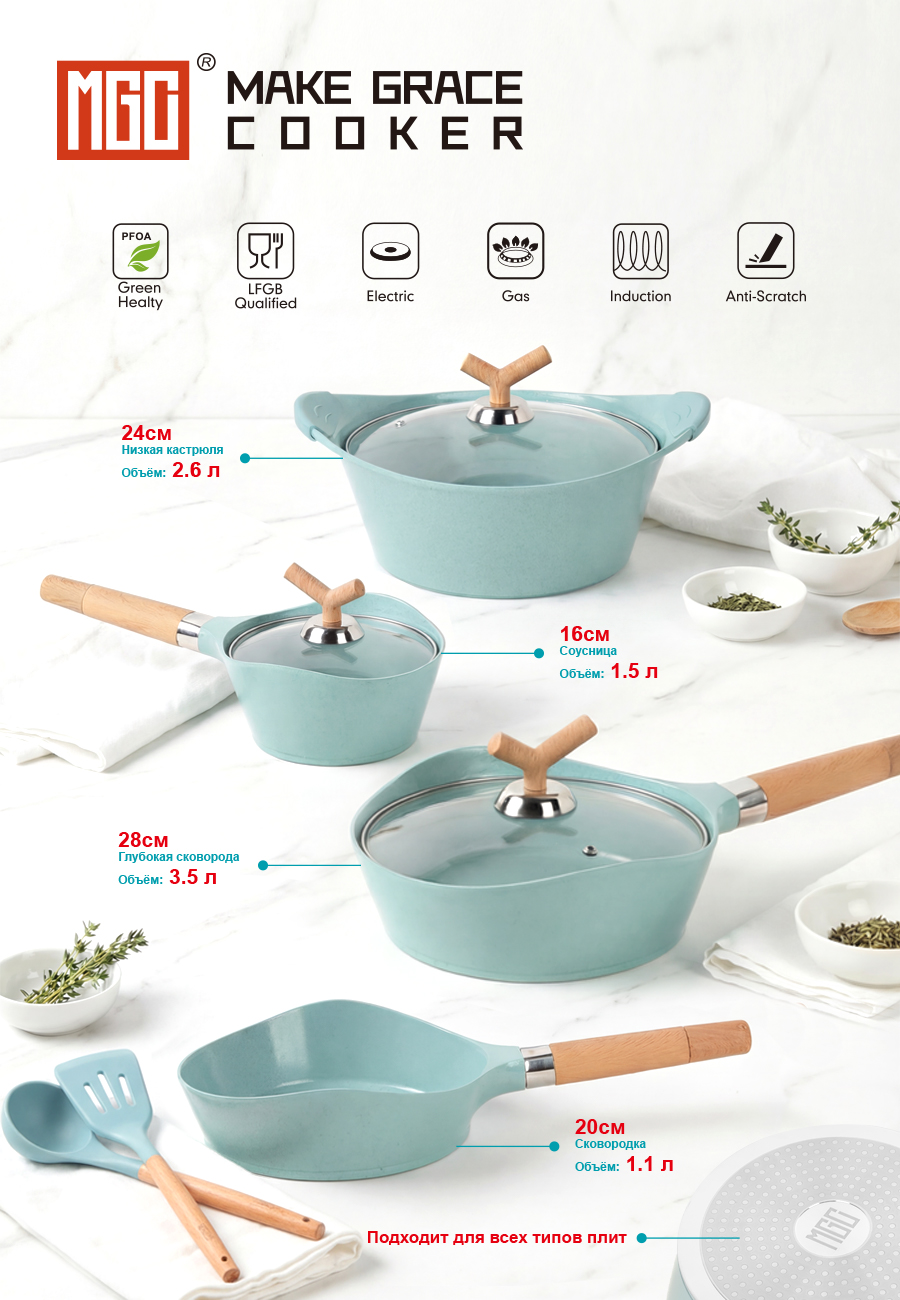
14
Sep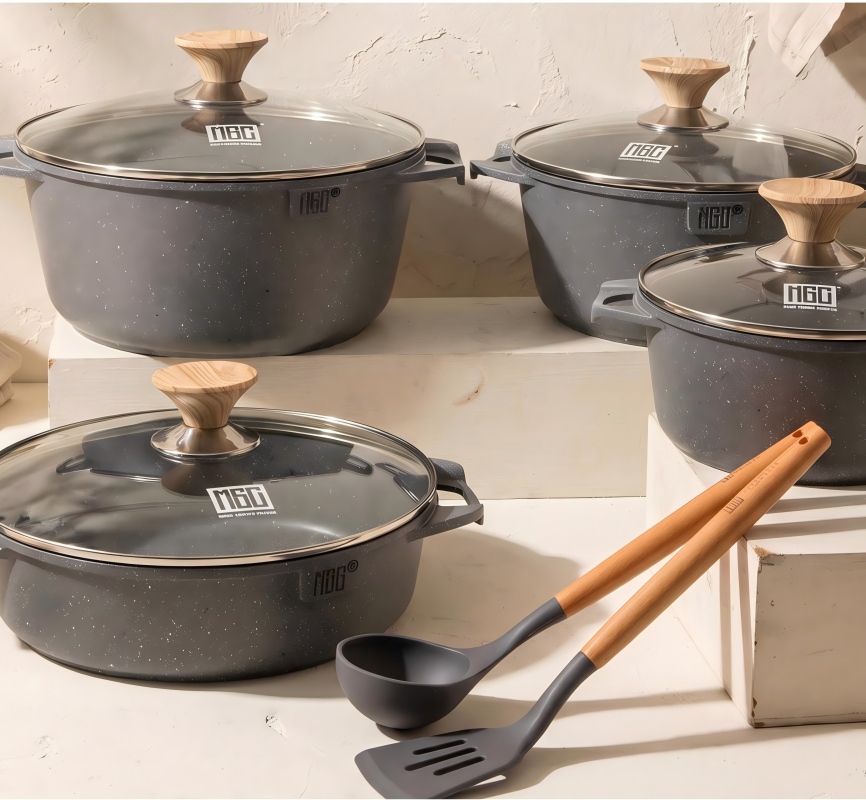
18
Sep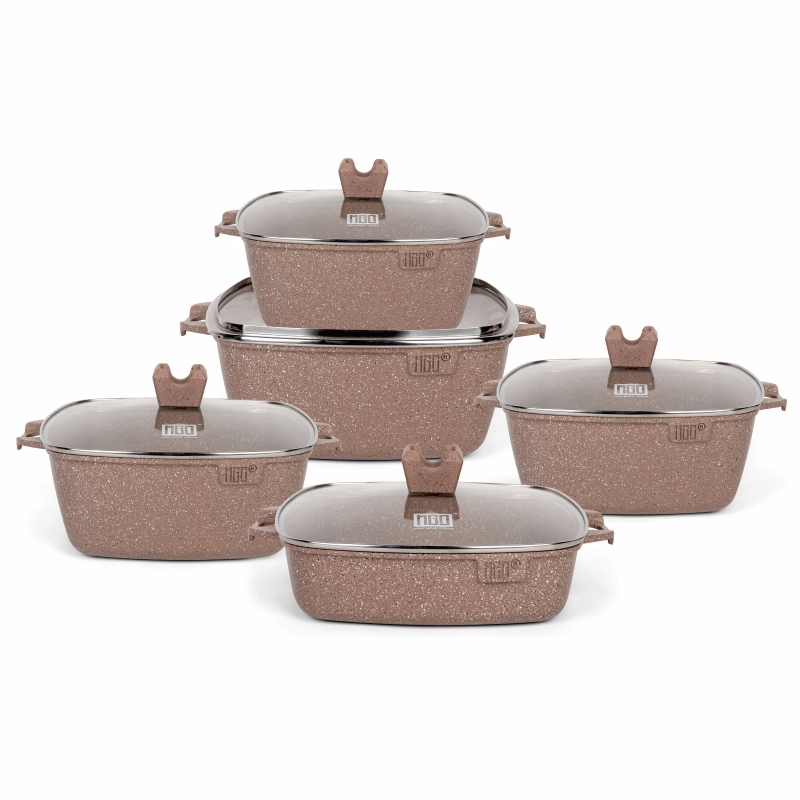
18
Sep