MGC Cookware for B2B Buyers: Sourcing Guide & ROI Tips

Get up to 35% off + Free shipping Shop now

Call Us:+86-579-86903988

Why Buyers Consider MGC Cookware

Why Buyers Consider MGC Cookware

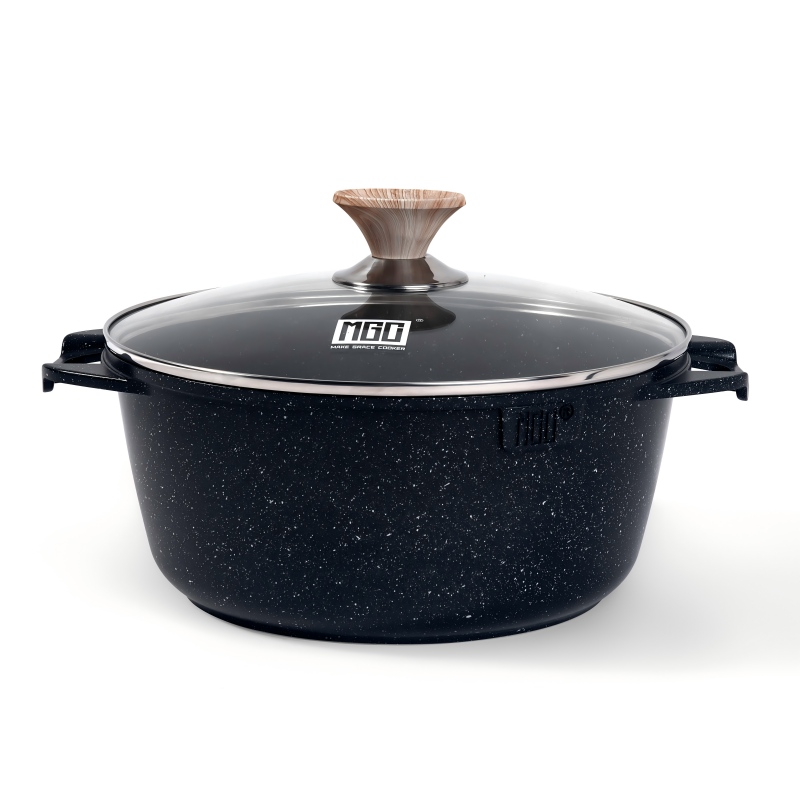
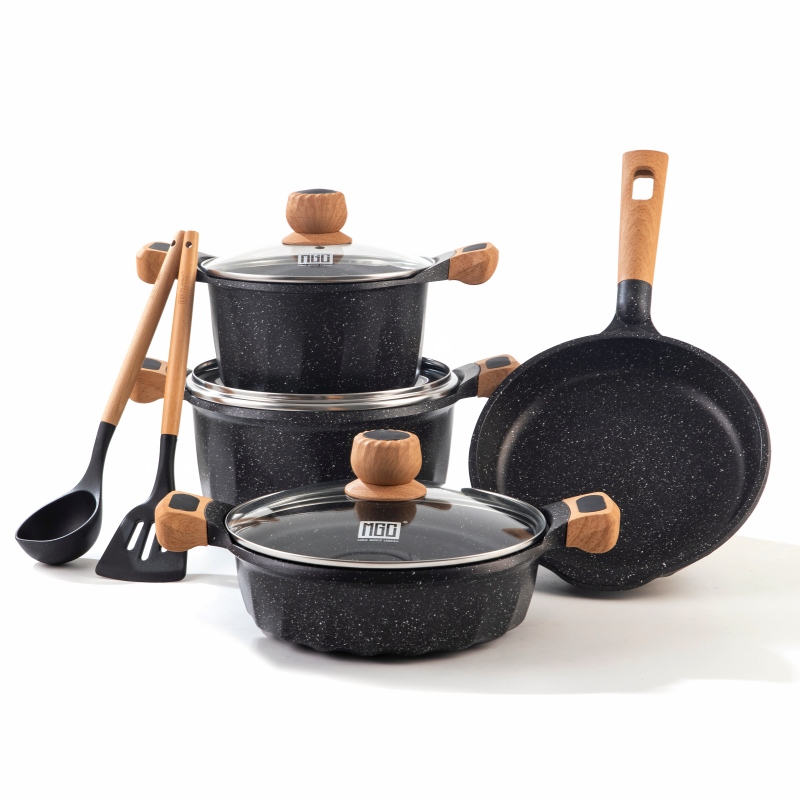
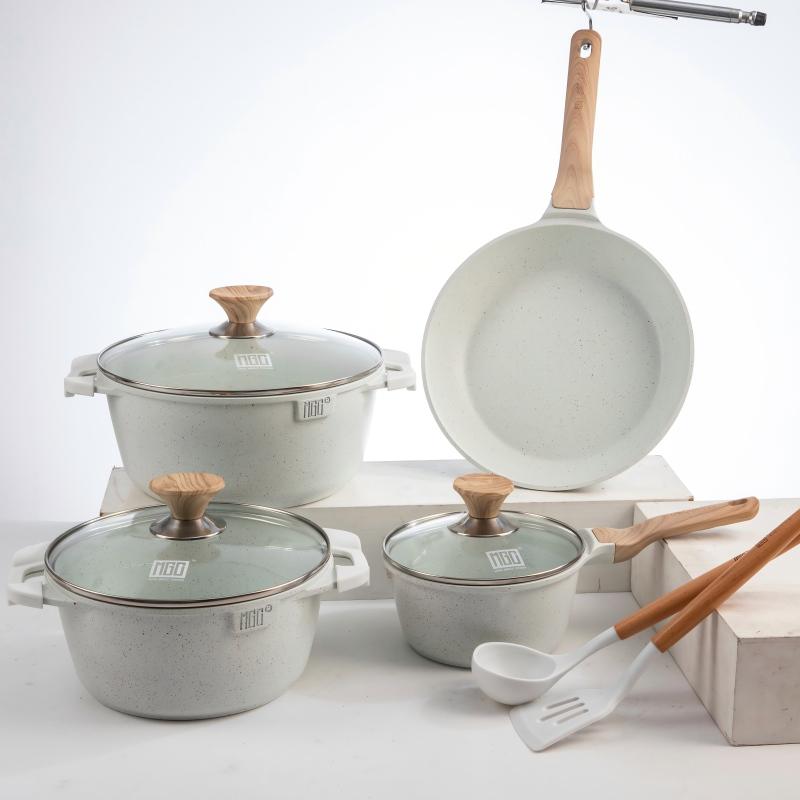
MGC cookware gives international buyers a starting point for sourcing kitchen products for retail, distribution, and private label projects. Depending on the available collection, options may include frying pans, cooking pots, nonstick cookware, and coordinated sets. Buyers can compare product dimensions, materials, coatings, handle designs, and cooktop compatibility to match different cooking habits. For example, a retailer building a six product starter assortment could evaluate two frying pans, two cooking pots, and two complementary items for varied household needs. This structured approach supports clearer merchandising and purchasing decisions. Before ordering, confirm current models, specifications, minimum quantities, customization availability, packaging details, and delivery schedules with the supplier.
Get A Quote

Case Study

Building a Balanced Retail Cookware Range

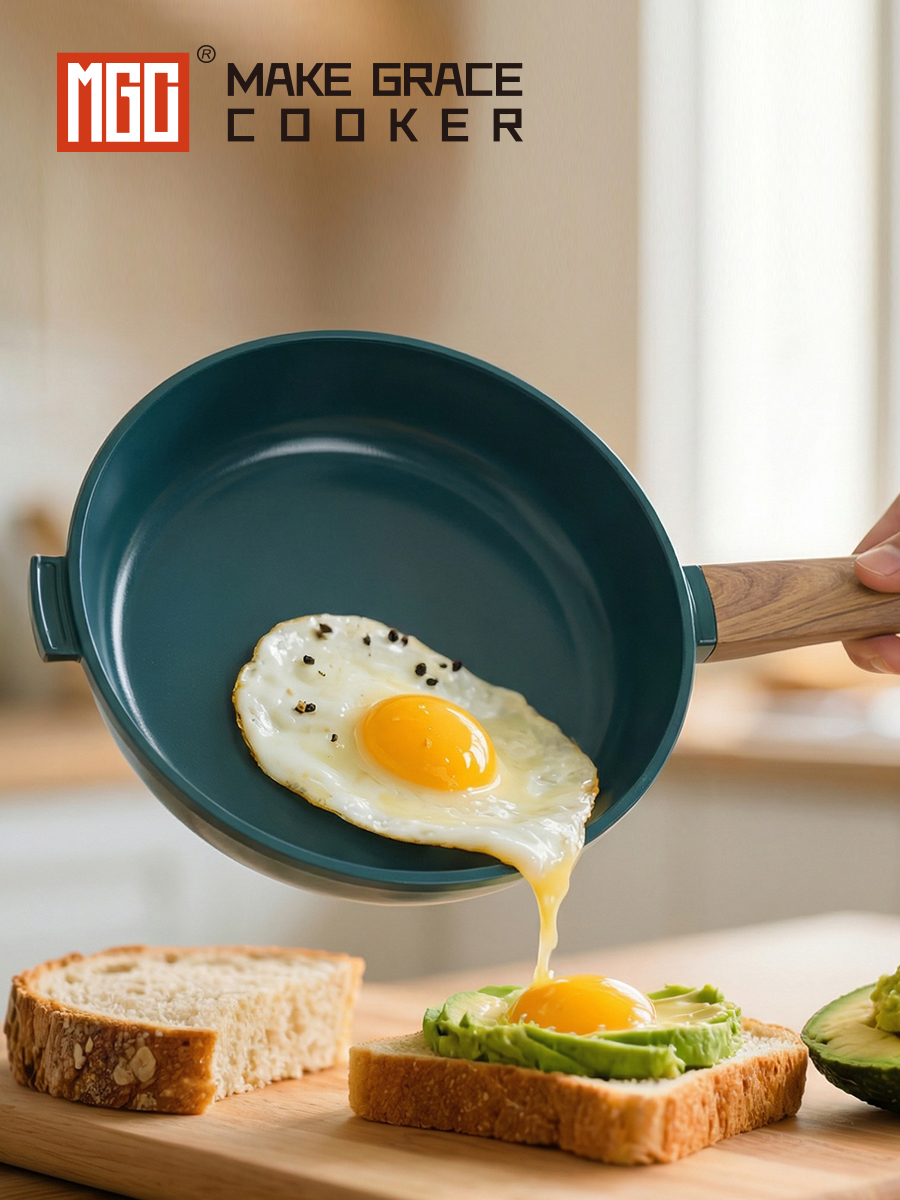
A kitchenware retailer serving households needs products for everyday cooking rather than a collection based only on appearance. MGC cookware options can be assessed by size, material, coating, and intended application. A retailer might compare a small frying pan for eggs, a medium pan for sautéing vegetables, and a cooking pot for soups or sauces. This three product starting point can help buyers understand how individual pieces serve different needs before expanding the range. Product descriptions should explain dimensions, care instructions, and compatible cooktops. Clear information also helps sales staff answer customer questions and makes online product listings easier to navigate.

Selecting Products for Wholesale Distribution

Distributors supplying supermarkets, kitchenware shops, and online sellers often need a range that balances customer demand with storage and logistics requirements. When assessing MGC cookware, buyers can compare product categories, carton quantities, dimensions, packaging, and order terms. For example, a distributor serving multiple retail channels may choose compact frying pans for smaller kitchens and larger pots for family meal preparation. The final assortment should reflect local preferences, price positioning, and available inventory capacity. Before confirming an order, request an updated catalog, product specifications, sample availability, wholesale pricing, and estimated lead times. These checks help distributors prepare quotations and plan replenishment more confidently.

Developing a Private Label Cookware Collection

A kitchenware brand planning its own cookware line needs products that align with its market positioning and visual identity. Buyers can start by selecting suitable MGC cookware models and reviewing available materials, dimensions, coatings, and finishes. A brand targeting contemporary home kitchens might prefer coordinated colors and consistent packaging across several product types. Customization options, including logo placement and packaging design, must be confirmed with the supplier for each selected model. Requesting samples allows the team to inspect appearance, handling, and construction before making a larger commitment. Clear agreements on minimum order quantities, quality checks, artwork approval, and delivery timelines can reduce misunderstandings throughout sourcing.

Related products

MGC is a keyword buyers can use when exploring cookware options for household kitchens, retail assortments, wholesale distribution, and private label development. Depending on the current product range, buyers may inquire about frying pans, cooking pots, nonstick cookware, aluminum cookware, and cookware sets. Each item should be evaluated according to its intended application, dimensions, construction, surface coating, handle design, and compatible cooking equipment. For example, a retailer preparing a six item assortment could select products for frying, sautéing, simmering, and preparing family meals, then compare how each item fits its target customers. Buyers should also examine cleaning instructions, packaging requirements, and product documentation. For private label projects, confirm whether branding, colors, or customized packaging are available. Request current specifications, samples, order quantities, pricing, and lead times before placing an order. These practical checks help businesses compare products accurately, communicate features clearly, and plan purchasing decisions around customer expectations.

Frequently Asked Questions

What types of cookware can I inquire about under MGC?

Buyers can ask about available frying pans, cooking pots, nonstick cookware, aluminum cookware, and cookware sets. Product availability may vary by collection. Request the latest catalog and specifications to compare dimensions, materials, coatings, cooking applications, and compatibility with your intended cooktops before selecting products.
Wholesale and private label requirements should be discussed directly with the supplier. Confirm minimum order quantities, available models, pricing, customization options, packaging, and production lead times. If branding is important, request written confirmation of logo application and packaging options before approving samples or placing an order.
Start by identifying your customers' cooking habits, preferred product sizes, target price range, and common cooktop types. Then compare product specifications, coating details, handle design, and maintenance instructions. Request samples when possible so your team can assess product suitability before committing to inventory.
Review the product catalog, technical specifications, material and coating information, packaging details, order quantities, and delivery estimates. Ask for relevant quality or compliance documentation when required by your market. For customized products, confirm artwork, sample approval, inspection standards, and agreed production schedules in writing.
Follow the care instructions supplied for the specific model. In general, use suitable utensils, avoid overheating an empty pan, and clean the surface according to manufacturer guidance. Confirm whether the product is dishwasher safe instead of assuming all nonstick cookware has identical cleaning requirements.

Related article

New Product Development

25

Aug

New Product Development

Struggling to sustain market relevance? Our proven 5-step new product development framework helps B2B teams launch winning solutions faster. Get the playbook now.
View More

New Market Promotion

25

Aug

New Market Promotion

Struggling to demonstrate product value? Face-to-face customer engagement drives 3.2x higher conversion in B2B markets. Discover proven field promotion tactics now.
View More
How to Choose the Right Pan Size for Different Cooking Needs?

14

Sep

How to Choose the Right Pan Size for Different Cooking Needs?

Find the right pan size for your kitchen. Covers key criteria — from cooking portions to frying techniques — to help you choose smarter.
View More
How to Choose the Best Cookware for Different Cooking Methods?

18

Sep

How to Choose the Best Cookware for Different Cooking Methods?

Discover how to match cookware to your cooking methods. A practical guide covering materials, heat needs, and kitchen tools for every cooking style.
View More

Customer Testimonials

Daniel Reed

When evaluating cookware for our retail assortment, we prioritize product variety, clear specifications, and everyday usability. Comparing pans, pots, and sets helps us plan a more balanced collection.

Emily Carter

We look for cookware options that fit different customer needs and branding plans. Reviewing materials, finishes, packaging, and order requirements makes supplier selection more straightforward.

Get a Free Quote

Our representative will contact you soon.
Email
Mobile/WhatsApp
Name
Company Name
Message
0/1000
Product Choices for Everyday Cooking

Product Choices for Everyday Cooking

Cookware buyers serve customers with different meal preparation habits, kitchen sizes, and budgets. A practical product range can include frying pans for eggs and vegetables, cooking pots for soups and sauces, and coordinated sets for households establishing a complete kitchen. When evaluating MGC cookware, buyers should compare dimensions, materials, coating details, handle construction, and compatible cooktops. For example, a retailer serving apartment residents may prioritize compact pieces, while a family focused store may need larger cooking capacities. Product information should also cover cleaning requirements and recommended use. Reviewing these details before purchasing helps retailers build a relevant assortment and explain the differences between models clearly.
Clear Specifications for Confident Purchasing

Clear Specifications for Confident Purchasing

Reliable sourcing starts with product information that buyers can verify. Before selecting MGC cookware, purchasing teams should request current specifications covering materials, dimensions, coatings, handle design, and compatible cooking equipment. They should also check packaging details, minimum order quantities, sample availability, and delivery schedules. A distributor comparing three cookware models, for instance, can use a specification sheet to identify differences in size, use, and maintenance requirements. This makes supplier discussions more precise and supports accurate product listings. Where safety or market compliance is relevant, request appropriate supporting documentation instead of relying on general claims. Clear requirements help reduce confusion between product selection, order confirmation, and delivery.
Sourcing Support for Retail and Private Label

Sourcing Support for Retail and Private Label

Retailers, wholesalers, and private label brands often have different cookware sourcing priorities. Retailers may focus on product variety and shelf presentation, while distributors need clear carton and delivery information. Brands may additionally require consistent visual styling, logo placement, or customized packaging. Buyers exploring MGC should confirm which options are available for their chosen models and order quantities. A brand developing a coordinated range, for example, can review samples from several product categories before deciding whether the appearance and specifications fit its market positioning. Written agreements should cover approved samples, customization details, quality expectations, and production timelines. This preparation helps businesses manage sourcing more effectively and establish realistic purchasing plans.