MGC Cookware Supplier | Premium Die-Cast & Non-Stick Wholesale

Get up to 35% off + Free shipping Shop now

Call Us:+86-579-86903988

Reviews Title 1: Practical Cookware Options for Retail Buyers

Reviews Title 1: Practical Cookware Options for Retail Buyers

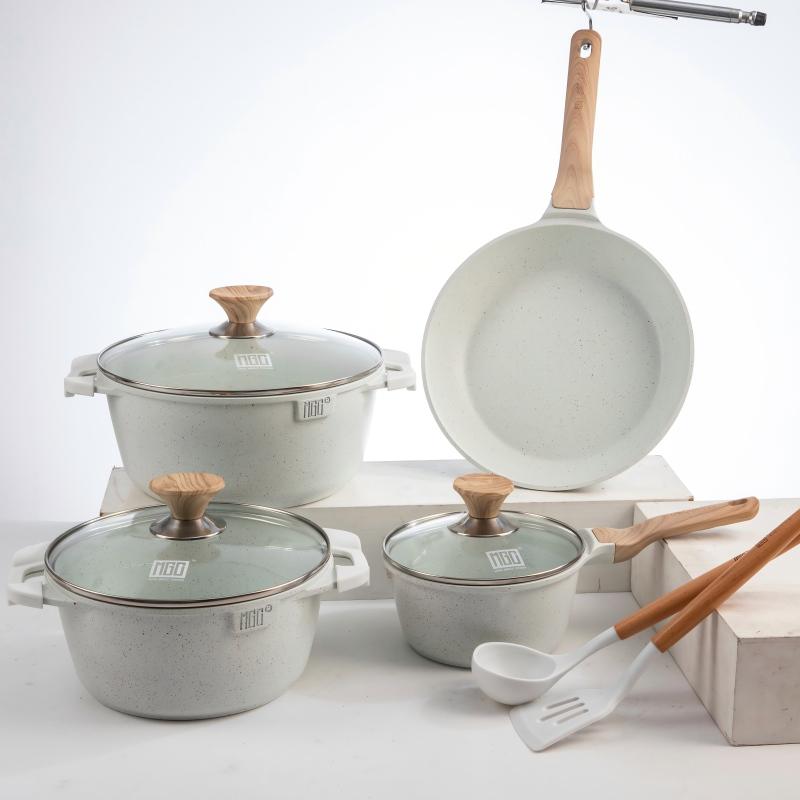
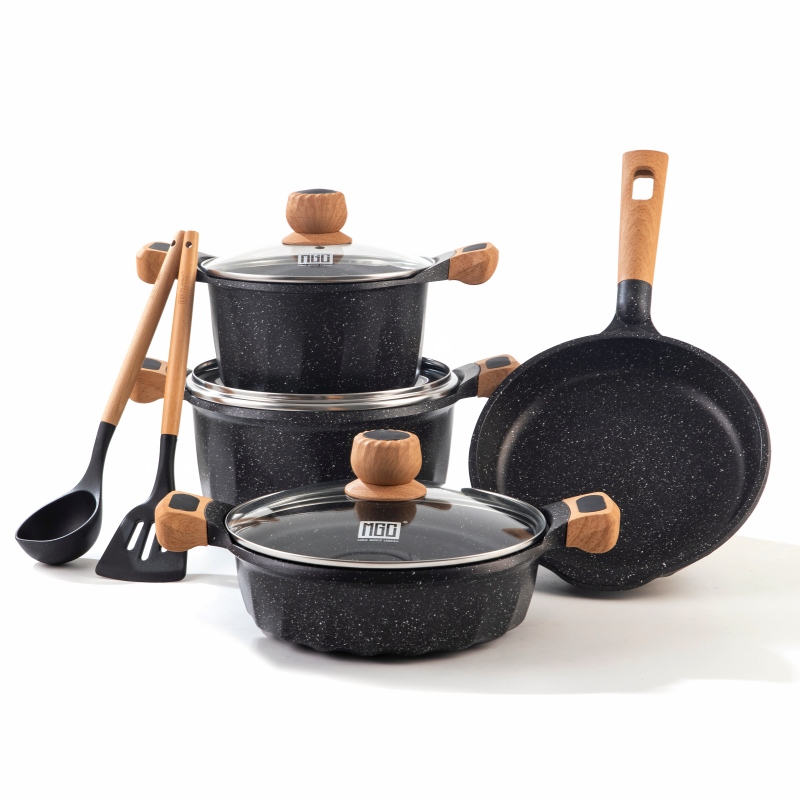
Finding a suitable MGC cookware supplier is an important step for importers, distributors, retailers, and private label brands developing kitchenware collections. Buyers typically evaluate product variety, material quality, coating specifications, pricing, and production arrangements before selecting a supplier. Depending on availability, cookware options may include frying pans, saucepans, nonstick cookware, and complementary kitchen essentials. For example, a retailer could begin with three core cookware categories to cover common household cooking needs while keeping inventory manageable. Reviewing samples and technical documentation helps buyers compare construction, finishing, and compatibility. Clear communication about minimum order quantities, packaging, and delivery schedules also supports more organized procurement and realistic purchasing expectations.
Get A Quote

Case Study

Cookware Sourcing for Retail Stores

A homeware retailer wanted to expand its cookware assortment while maintaining a manageable purchasing budget. The team compared three essential product categories, reviewing dimensions, handle construction, surface finishes, and packaging requirements. Frying pans, saucepans, and sauté pans provided a practical foundation for serving customers with different cooking habits. Before placing an order, the retailer requested samples and checked specifications against its product selection criteria. Clear descriptions also helped the team prepare accurate retail listings. For businesses evaluating a cookware supplier, structured product comparisons and sample approval help establish quality expectations and create an assortment that reflects customer needs.

Bulk Cookware Procurement for Distributors

A regional distributor needed cookware products for independent retailers and household goods stores. The purchasing team assessed available configurations, minimum order quantities, packaging formats, and shipping schedules before preparing its procurement plan. Comparing three cookware styles helped the distributor establish an initial assortment without introducing excessive inventory complexity. The team also reviewed technical documentation covering materials, coating characteristics, and cooking surface compatibility. Before confirming a bulk order, it planned to agree on delivery timelines, inspection procedures, and product acceptance criteria. For distributors, transparent specifications and responsive supplier communication can simplify procurement planning and help maintain consistent expectations across multiple retail accounts.

Supplier Evaluation for Private Label Cookware

A growing kitchenware brand planned to launch a private label cookware collection for online and offline retail. The team considered product sizes, exterior finishes, handle designs, and packaging options to create a consistent brand identity. Samples from three proposed configurations helped the buyer compare appearance and construction before making a decision. The business also needed to confirm customization availability, minimum order quantities, and production schedules. Documented specifications and sample approval procedures helped clarify requirements before manufacturing. For private label buyers, evaluating supplier capabilities early can improve coordination, reduce avoidable misunderstandings, and create a stronger foundation for introducing cookware products into competitive markets.

Related products

MGC Cookware Supplier is a relevant search term for businesses exploring cookware sourcing opportunities for wholesale distribution, retail collections, and private label projects. Commercial buyers often compare suppliers based on product range, construction quality, pricing, customization capabilities, and order fulfillment arrangements. Depending on current availability, cookware selections may include nonstick frying pans, saucepans, sauté pans, and other everyday kitchen products. For importers and distributors, selecting a balanced assortment can help serve different customer preferences while controlling inventory complexity. Buyers should review physical samples, material specifications, coating systems, handle construction, and compatibility with intended cooking surfaces before committing to bulk purchasing. Packaging requirements, minimum order quantities, production lead times, and shipping arrangements should also be clarified. Businesses can visit the official website at [https://www.mgccookware.com/](https://www.mgccookware.com/?utm_source=chatgpt.com) to review available company information and discuss their sourcing requirements. Request the latest product catalog, quotation, sample availability, and relevant food contact compliance documentation. Buyers interested in customized products should confirm logo options, packaging specifications, production capabilities, and inspection procedures. Written agreements covering product specifications and delivery expectations help establish a clearer basis for supplier evaluation and support more informed purchasing decisions.

Frequently Asked Questions

How Can I Contact an MGC Cookware Supplier?

Visit the official MGC Cookware website at [https://www.mgccookware.com/](https://www.mgccookware.com/?utm_source=chatgpt.com) to explore available company information and inquire about products. Request the latest catalog, product specifications, quotations, and contact details to determine the appropriate purchasing channel for your business.
Buyers can investigate available cookware collections, including nonstick cookware and die cast aluminum cookware. Product availability may vary, so request an updated catalog to confirm product models, materials, dimensions, coating specifications, and compatibility with different cooking surfaces.
Importers should compare product quality, material specifications, minimum order quantities, pricing, packaging, production schedules, and shipping arrangements. Request samples and relevant compliance documents before confirming an order. Written quality requirements help establish clear expectations for international purchasing.
Wholesale terms and customization availability should be confirmed directly with the company. Buyers can inquire about bulk purchasing, logo application, packaging, exterior finishes, and product configurations. Confirm minimum quantities, additional costs, and production lead times before approving a project.
Businesses should examine samples, check coating quality and handle construction, verify product dimensions, and review applicable food contact documentation. Agreeing on inspection criteria and comparing delivered products against approved samples helps reduce purchasing risks and maintain consistent quality expectations.

Related article

New National Agency Established

28

Jul

New National Agency Established

Just launched: exclusive national agency in Kazakhstan with Almaty wholesale center. Streamline distribution, cut logistics costs, and scale market access. Request partnership details now.
View More
New Market Promotion

25

Aug

New Market Promotion

Struggling to demonstrate product value? Face-to-face customer engagement drives 3.2x higher conversion in B2B markets. Discover proven field promotion tactics now.
View More
How to Choose the Right Cookware Set Material for Better Cooking Results?

14

Sep

How to Choose the Right Cookware Set Material for Better Cooking Results?

Discover how to choose the right cookware set material — aluminum, stainless steel, or non-stick — to match your cooking style and improve results.
View More
How to Choose the Best Cookware for Different Cooking Methods?

18

Sep

How to Choose the Best Cookware for Different Cooking Methods?

Discover how to match cookware to your cooking methods. A practical guide covering materials, heat needs, and kitchen tools for every cooking style.
View More

Customer Testimonials

Daniel Brooks

Our purchasing team prioritizes functional cookware designs, consistent specifications, and convenient handling. Reviewing samples across three product categories helps us evaluate suitability for household customers and retail distribution.

Emily Carter

We value clear product documentation, coordinated packaging, and reliable communication when evaluating cookware suppliers. Comparing sizes, finishes, and specifications helps our team plan assortments for different sales channels.

Get a Free Quote

Our representative will contact you soon.
Email
Mobile/WhatsApp
Name
Company Name
Message
0/1000
Product Variety for Wholesale Cookware Buyers

Product Variety for Wholesale Cookware Buyers

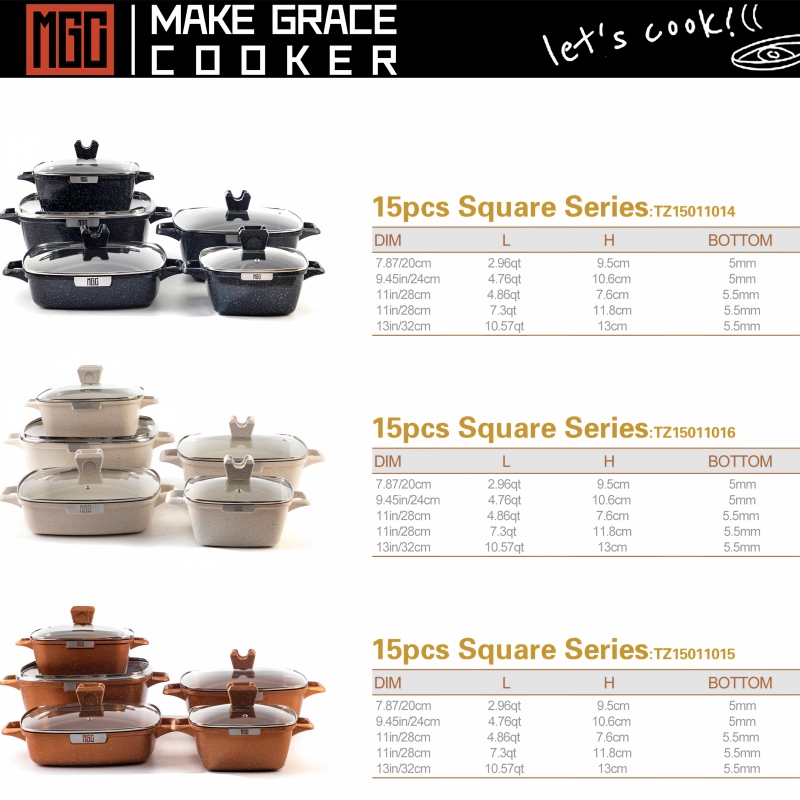
A suitable cookware supplier should offer product options that match the needs of its target market. Buyers may compare frying pans, saucepans, sauté pans, and coordinated cookware sets to develop a balanced assortment. For example, a retailer could begin with three complementary cookware categories to cover common household cooking tasks while keeping inventory manageable. Material composition, coating specifications, handle design, and cooktop compatibility should guide product selection. Buyers should confirm the actual models available through MGC Cookware rather than assume every category is currently offered. Reviewing samples and technical documentation helps purchasing teams evaluate suitability before ordering. A clearly defined assortment also makes product listings, stock planning, and communication with retail customers more efficient.
Wholesale and Private Label Sourcing Opportunities

Wholesale and Private Label Sourcing Opportunities

Wholesale purchasing can help retailers, importers, and distributors organize cookware procurement around their sales requirements. Depending on supplier capabilities, buyers may investigate bulk orders, coordinated product collections, customized logos, and branded packaging. For example, a private label business could evaluate three cookware sizes and select complementary finishes to create a consistent collection. Before production, purchasing teams should confirm minimum order quantities, customization costs, packaging specifications, and delivery schedules. Sample approval is particularly important when appearance and construction must match agreed requirements. Businesses should also clarify payment terms and quality inspection arrangements in writing. These steps help buyers compare sourcing options, coordinate purchasing activities, and prepare cookware products for their intended retail channels.
Quality Verification for International Cookware Procurement

Quality Verification for International Cookware Procurement

Quality verification is an important part of selecting a cookware supplier for international business. Buyers should review material composition, coating condition, handle attachment, dimensions, packaging integrity, and compatibility with intended cooking surfaces. Applicable food contact documentation should be checked against the requirements of the destination market. For example, a distributor purchasing three cookware categories can establish separate inspection criteria for each product type while maintaining consistent labeling and packaging standards. Physical samples provide a useful reference for assessing workmanship before larger orders are approved. Written specifications also help clarify acceptable tolerances and inspection responsibilities. By combining sample evaluations, documented requirements, and clear supplier communication, businesses can reduce uncertainty and make more informed cookware sourcing decisions.