Authentic Kitchen Die Cast Aluminum Cookware | Premium Heat Transfer

Get up to 35% off + Free shipping Shop now

Call Us:+86-579-86903988

Customer Experiences with Die Cast Aluminum Cookware

Customer Experiences with Die Cast Aluminum Cookware

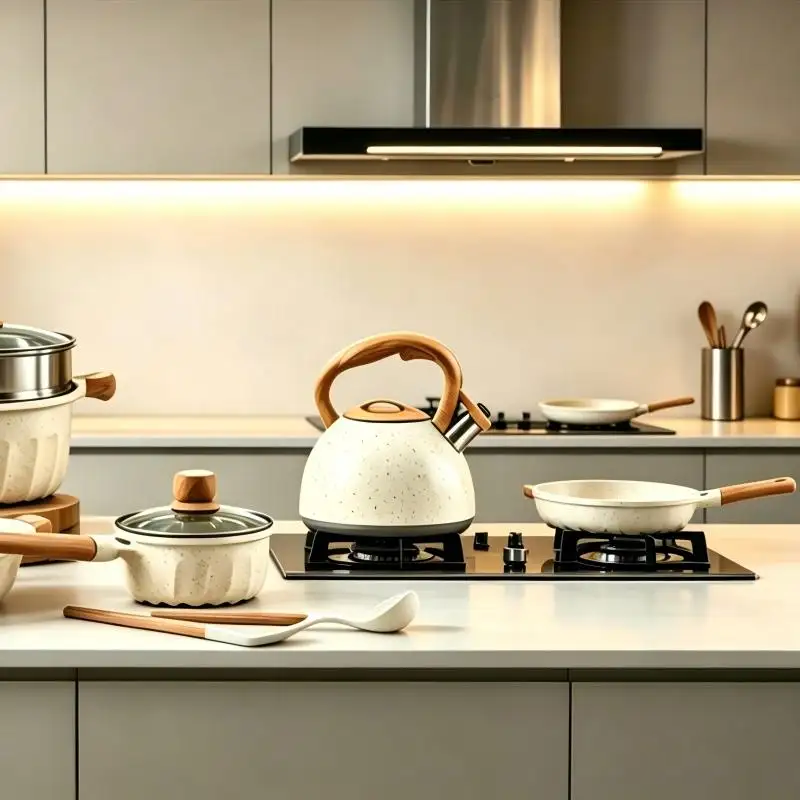
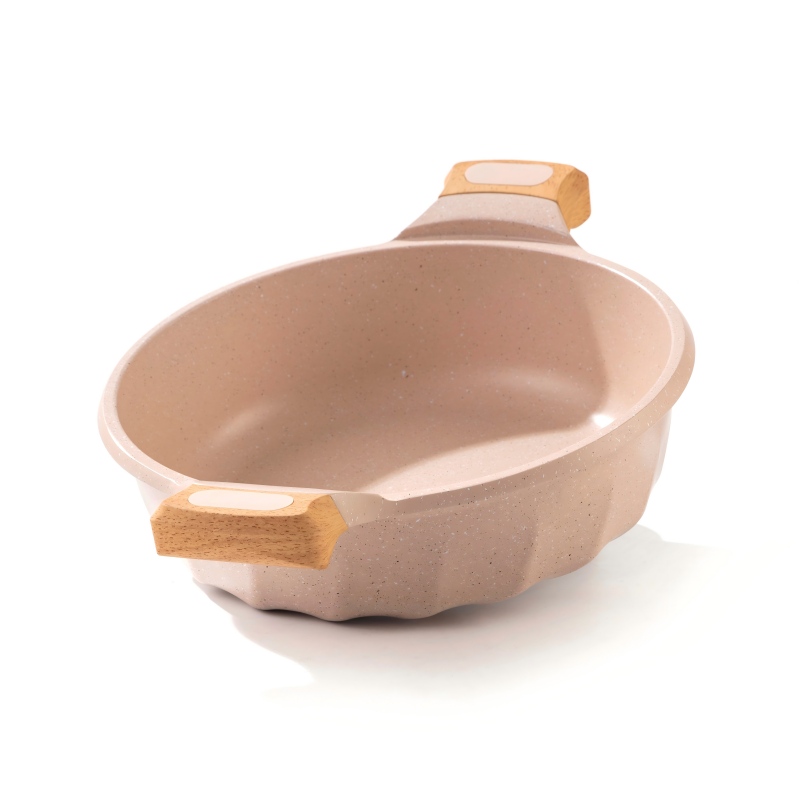
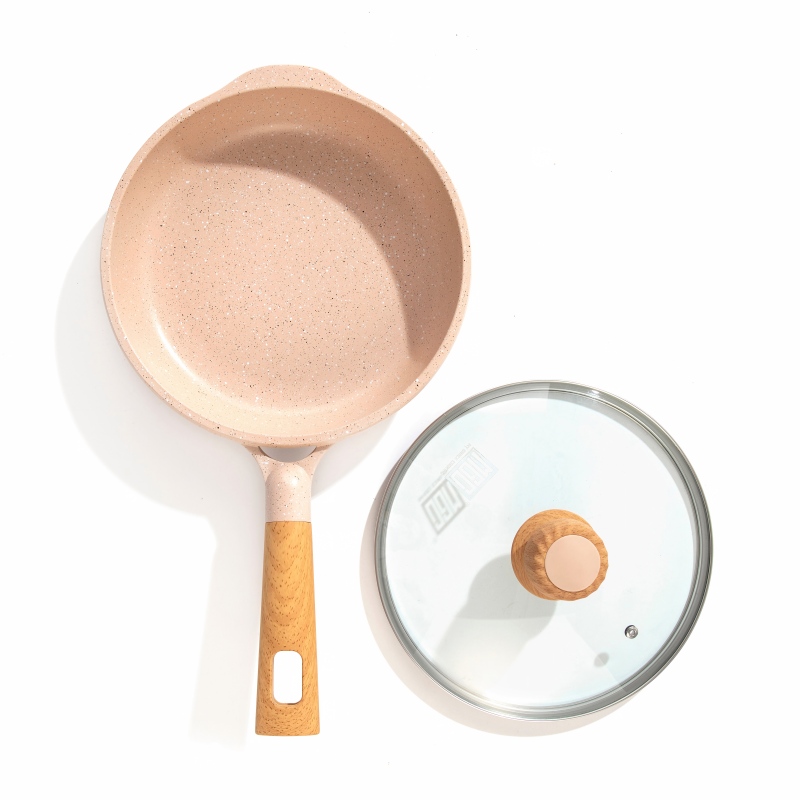
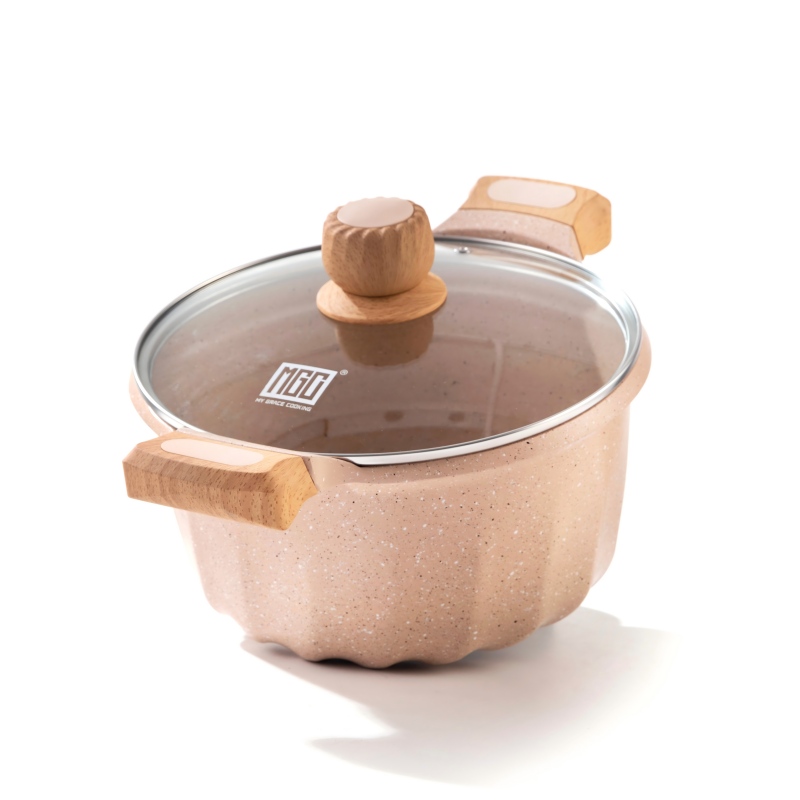
Authentic kitchen die cast aluminum cookware appeals to home cooks seeking practical designs, efficient heat transfer, and versatile cooking options. Die cast aluminum bodies can provide defined shapes and substantial construction, while individual products may include non stick coatings, glass lids, or ergonomic handles. These features can support everyday tasks such as frying eggs, sautéing vegetables, and preparing quick family meals. For example, a medium frying pan suits smaller portions, while a deeper casserole offers more room for sauces and one pot recipes. Buyers should check each product's dimensions, coating specifications, cooktop compatibility, and care instructions before purchasing. Comparing these details helps customers choose cookware that matches their cooking habits and kitchen requirements.
Get A Quote

Case Study

Frying Pans for Quick Everyday Meals

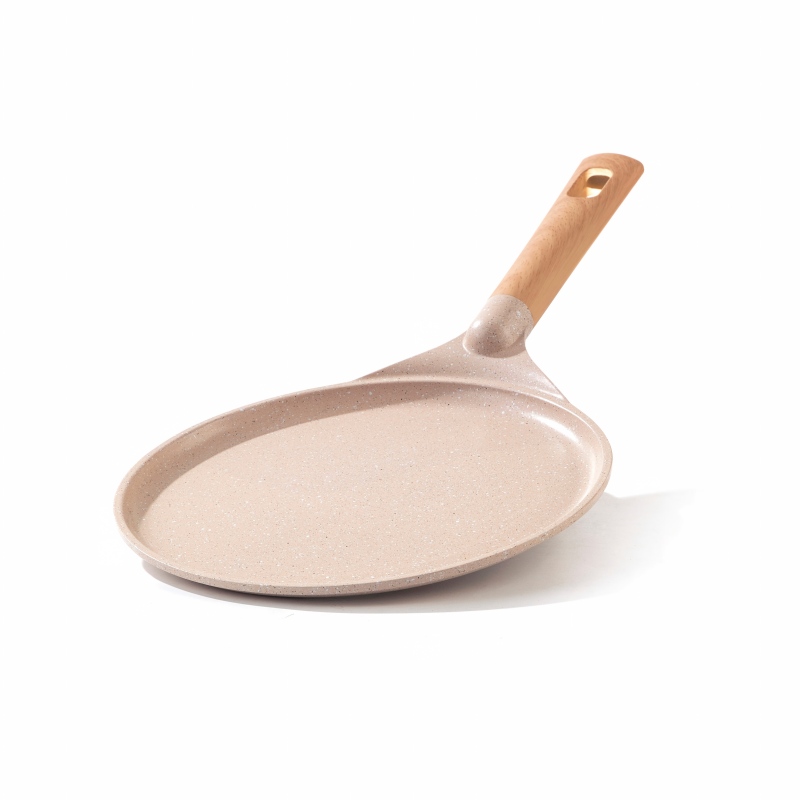
Die cast aluminum frying pans can be useful for preparing breakfast, sautéing vegetables, and cooking quick weekday meals. Their aluminum construction supports efficient heat transfer, while models with non stick coatings can make food release and cleaning more convenient when properly maintained. For example, a medium sized pan may suit eggs, pancakes, or individual portions without taking up excessive storage space. Before purchasing, compare pan diameter, handle design, coating specifications, and cooktop compatibility. Choosing a pan that fits typical portion sizes helps households make better use of their cookware. Following the manufacturer's recommended heat settings and cleaning instructions also helps preserve the cooking surface.

Covered Casseroles for Family Recipes

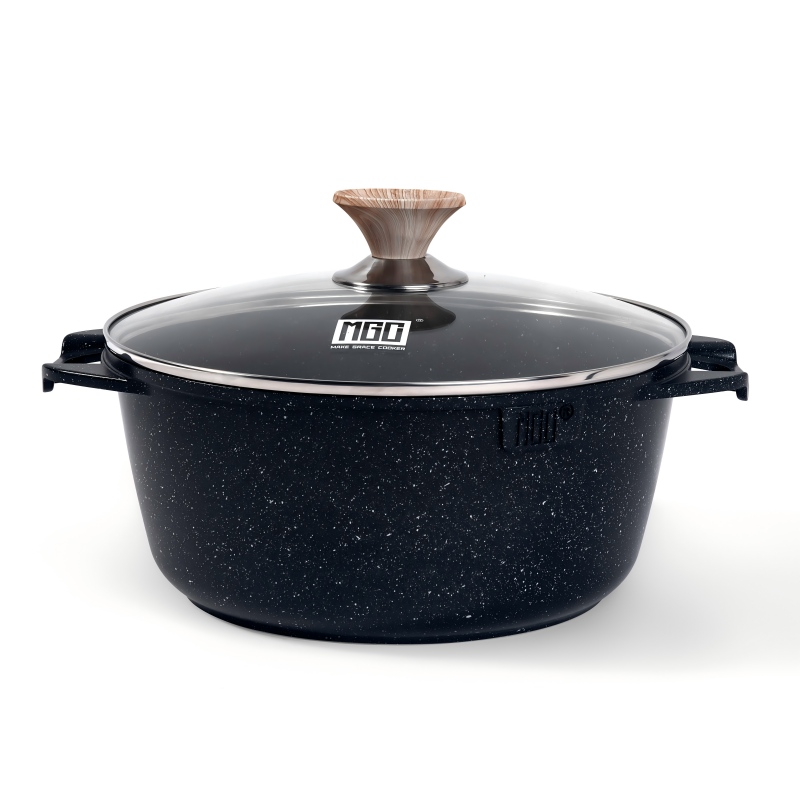
Covered casseroles provide a practical option for preparing sauces, vegetables, and dishes that benefit from cooking with a lid. Die cast aluminum models may offer different capacities and shapes to suit household meal preparation. For example, a deeper casserole can accommodate a larger batch of stew, while a smaller pot may work better for side dishes or compact kitchens. Buyers should review capacity, lid material, handle construction, and compatible cooking surfaces before selecting a model. Checking these specifications helps prevent mismatches between cookware and household needs. Clear product information also makes it easier to compare options and choose a suitable addition to an existing kitchen collection.

Versatile Cookware for Multiple Cooking Styles

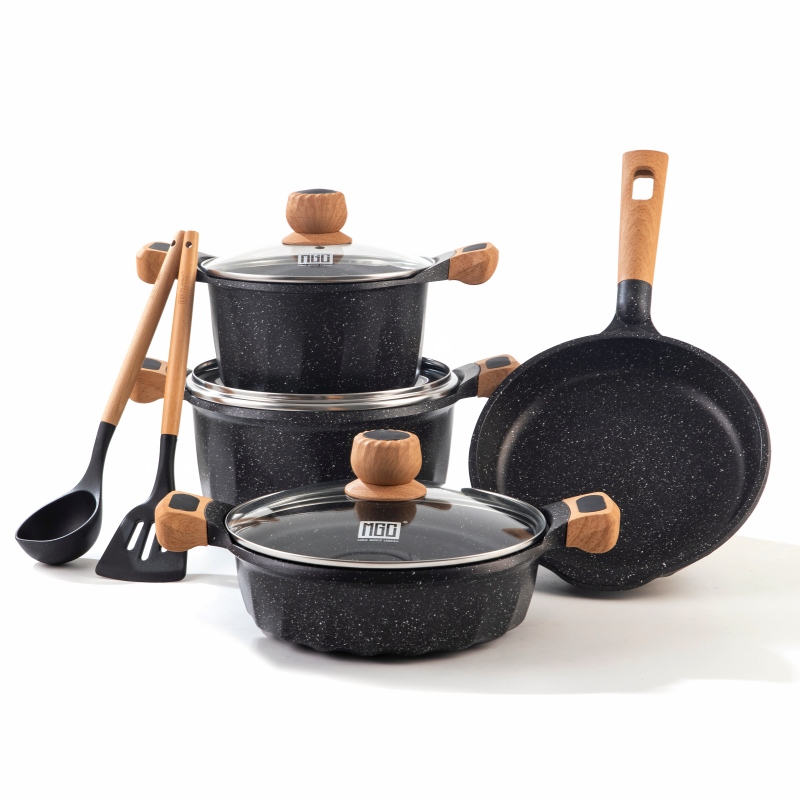
A well planned cookware collection can include frying pans, saucepans, casseroles, and woks for different recipes. Die cast aluminum cookware is available in various designs, so shoppers should compare individual models rather than assume every product offers the same performance. For example, a wok may suit stir frying vegetables and protein, while a saucepan is more practical for heating sauces or cooking smaller portions. Checking dimensions, coating details, handle design, and stove compatibility helps buyers identify products that fit their routines. Matching cookware to intended cooking tasks supports better kitchen organization and reduces the chance of buying items that are rarely used.

Related products

Authentic kitchen die cast aluminum cookware is designed for practical meal preparation across a range of home cooking tasks. Die casting forms aluminum into a defined shape, supporting consistent dimensions and a solid cookware body. Aluminum transfers heat efficiently, although actual cooking performance depends on the product's thickness, base design, and heat source. Some models feature non stick interiors, glass lids, or specially designed handles, while available features vary by product. Buyers should review individual specifications before making comparisons. For retailers and kitchenware buyers, product selection should reflect the needs of the intended customer. A compact frying pan may suit smaller households, while a casserole or multi piece set can offer more flexibility for family meals. Before purchasing, check the coating details, cooktop compatibility, dimensions, cleaning instructions, and any stated oven restrictions. Requesting product information and comparing samples where available can help clarify finish quality and practical usability. These steps support more informed purchasing decisions and help customers select cookware suited to their kitchens.

Frequently Asked Questions

What are the benefits of die cast aluminum cookware?

Die cast aluminum cookware combines aluminum's efficient heat transfer with defined shapes and a sturdy body. Depending on the model, it may also feature a non stick coating or glass lid. Performance varies by construction and design, so buyers should check specifications and follow the manufacturer's cooking and care instructions.
No. Some die cast aluminum cookware has a non stick interior, while other products use different surface finishes. Check the product description to confirm the coating type and recommended maintenance. For coated cookware, suitable utensils and appropriate heat settings can help protect the surface during everyday use.
Not all aluminum cookware is induction compatible. Induction use depends on the base construction, which must be suitable for magnetic heating. Buyers should verify the specifications for the exact model and confirm compatibility with their appliances before purchase, especially when selecting cookware for retail or wholesale distribution.
Follow the product's care instructions and use suitable cleaning tools. For non stick cookware, gentle washing and avoiding abrasive scrubbers can help preserve the coating. Allow hot cookware to cool before cleaning, and check whether the specific model is dishwasher safe rather than assuming all products share the same care requirements.
Consider typical portion sizes, cooking frequency, storage space, and the recipes you prepare most often. Smaller frying pans can suit quick individual meals, while larger pans and casseroles provide more room for family portions. Compare the stated dimensions and capacity before purchasing to ensure the cookware fits your kitchen routine.

Related article

New Product Development

25

Aug

New Product Development

Struggling to sustain market relevance? Our proven 5-step new product development framework helps B2B teams launch winning solutions faster. Get the playbook now.
View More
How to Choose the Right Cookware Set Material for Better Cooking Results?

14

Sep

How to Choose the Right Cookware Set Material for Better Cooking Results?

Discover how to choose the right cookware set material — aluminum, stainless steel, or non-stick — to match your cooking style and improve results.
View More
How to Choose the Right Pan Size for Different Cooking Needs?

14

Sep

How to Choose the Right Pan Size for Different Cooking Needs?

Find the right pan size for your kitchen. Covers key criteria — from cooking portions to frying techniques — to help you choose smarter.
View More
How to Choose the Best Cookware for Different Cooking Methods?

18

Sep

How to Choose the Best Cookware for Different Cooking Methods?

Discover how to match cookware to your cooking methods. A practical guide covering materials, heat needs, and kitchen tools for every cooking style.
View More

Customer Testimonials

James Miller

Die cast aluminum cookware offers practical options for everyday meals, from frying eggs and sautéing vegetables to preparing family dinners with convenient cookware shapes.

Emily Carter

Comparing pan sizes, coatings, and handle designs helps buyers select cookware suited to their kitchens, cooking routines, storage space, and maintenance preferences.

Get a Free Quote

Our representative will contact you soon.
Email
Mobile/WhatsApp
Name
Company Name
Message
0/1000
Efficient Heat Transfer for Everyday Cooking

Efficient Heat Transfer for Everyday Cooking

Aluminum is widely used in cookware because it transfers heat efficiently, making it a practical material for many everyday cooking applications. Die cast construction allows manufacturers to create defined cookware shapes and different body profiles. For example, a frying pan can support quick meals, while a deeper casserole may suit sauces and one pot recipes. Actual results depend on the pan's construction, thickness, base design, and heat settings. Buyers should review product specifications and select a suitable size for their cooking habits. Using the cookware according to its instructions helps support consistent use and protects the product's intended performance over time.
Multiple Designs for Different Kitchen Needs

Multiple Designs for Different Kitchen Needs

Die cast aluminum cookware comes in different shapes and configurations to support a range of cooking preferences. Frying pans can handle eggs and sautéed vegetables, saucepans are useful for smaller liquid based recipes, and casseroles provide more capacity for family meals. For example, a household that prepares varied recipes may benefit from combining a medium frying pan with a covered pot instead of choosing several similar items. Compare dimensions, coating specifications, handle construction, and lid design when evaluating products. Selecting cookware according to actual cooking needs helps buyers use kitchen space efficiently and develop a balanced collection for daily meal preparation.
Informed Product Selection and Care

Informed Product Selection and Care

Choosing cookware involves more than appearance. Buyers should check material details, surface coating, compatible cooking appliances, dimensions, handle design, and cleaning requirements for each individual model. For example, customers using induction cooktops should verify that the selected cookware has a suitable induction compatible base, since aluminum alone does not guarantee induction performance. It is also important to review oven restrictions and recommended utensils where applicable. Clear product information helps buyers compare alternatives and understand how to maintain their cookware correctly. By matching specifications with cooking habits and kitchen equipment, customers can make more informed purchasing decisions and select products that serve their everyday needs.