Nonstick Die Cast Cookware: 7 Benefits for B2B Buyers

Get up to 35% off + Free shipping Shop now

Call Us:+86-579-86903988

Customer Experiences with Nonstick Die Cast Cookware

Customer Experiences with Nonstick Die Cast Cookware

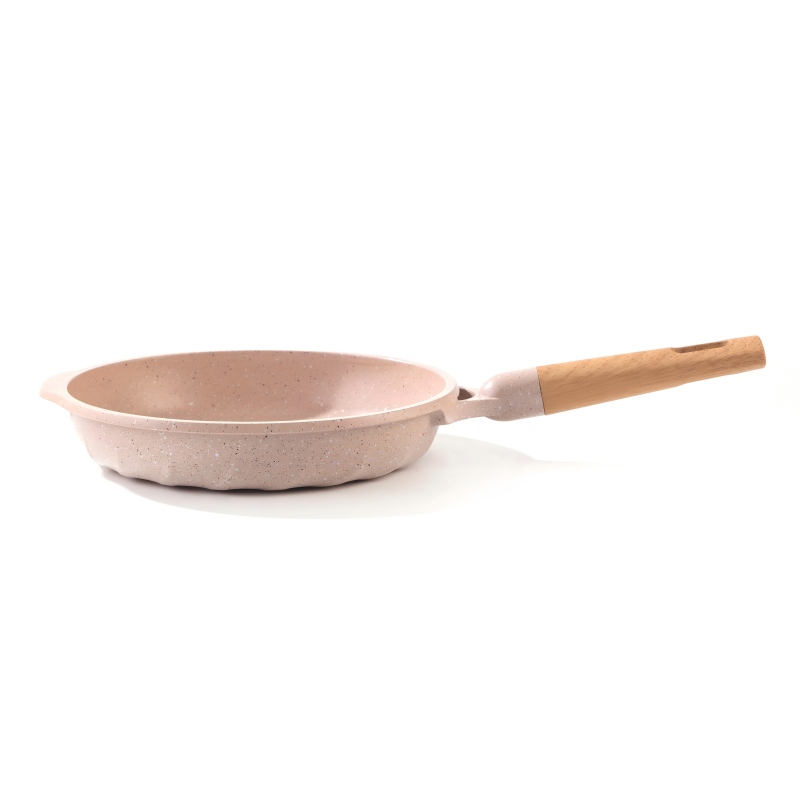
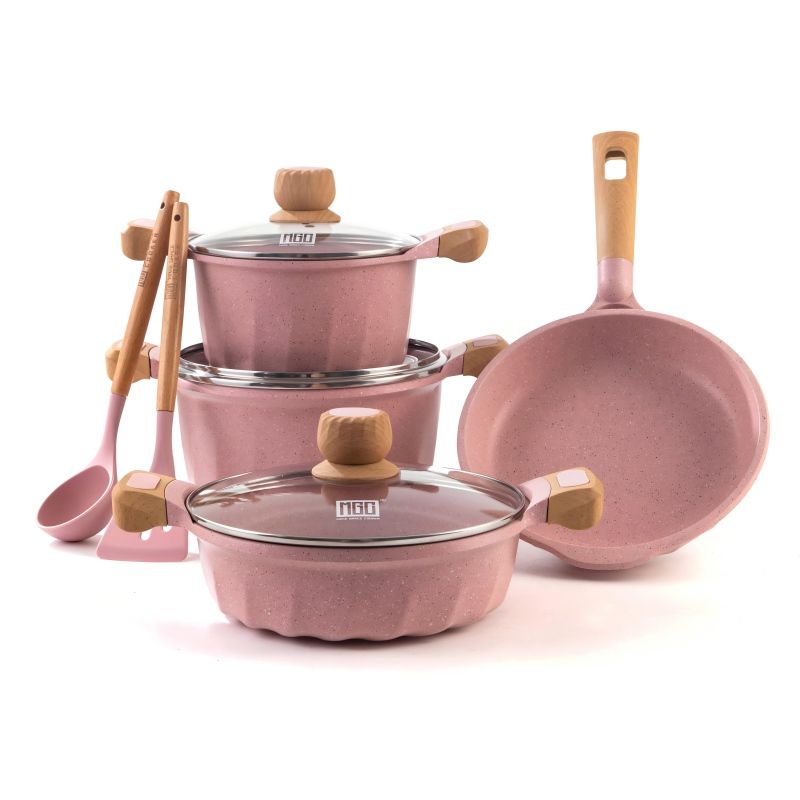
Nonstick die cast cookware combines molded construction with a cooking surface designed to support convenient food release. It suits households preparing eggs, pancakes, fish, vegetables, and other everyday dishes while helping simplify cleanup when maintained according to manufacturer instructions. Die cast construction supports defined shapes and consistent dimensions, while aluminum offers efficient heat conduction in appropriately designed cookware. Product performance depends on material composition, base thickness, coating quality, and compatibility with the intended heat source. MGCCookware provides cookware options for buyers exploring international markets. Retailers and distributors can compare pan sizes, handle designs, surface finishes, and packaging to build product assortments that address different cooking preferences and customer expectations.
Get A Quote

Case Study

Convenient Cooking for Residential Kitchens

A kitchenware retailer wanted to offer customers cookware that simplified everyday meal preparation and routine cleaning. Nonstick die cast cookware provided an option for preparing eggs, pancakes, vegetables, and fish with less sticking when the surface was used correctly. The purchasing team compared pan dimensions, handle comfort, coating specifications, and maintenance instructions to identify products for different households. Smaller pans suited individual portions, while larger models accommodated family meals. The retailer also considered packaging and product information to help shoppers understand proper use. By offering clear specifications and practical care guidance, the business could position the cookware as a convenient addition to its everyday kitchenware collection.

Versatile Cookware for Cafe Breakfast Menus

A cafe serving breakfast and light meals needed cookware suitable for eggs, pancakes, and selected vegetable dishes. Nonstick die cast pans offered a practical option for these tasks because the cooking surface can support food release when used within the manufacturer's temperature guidelines. The kitchen manager assessed pan capacity, heat distribution, handle stability, and cleaning procedures before selecting suitable products. For example, a medium sized pan could handle individual breakfast portions, while larger cookware supported selected batch preparations. Actual service efficiency depended on burner output, order volume, and kitchen workflow. Careful product selection helped the cafe balance versatility, maintenance needs, and available storage space.

Expanding a Retail Cookware Assortment

An international distributor planned to expand its cookware collection with products appealing to customers who value convenient cleaning and contemporary design. Nonstick die cast cookware offered an opportunity to complement existing frying pans, saucepans, and cookware sets. The sourcing team compared product dimensions, coating details, handle construction, packaging, and stovetop compatibility. For example, a retailer could offer several frying pan sizes to serve individuals, couples, and families. Reviewing product samples helped the distributor assess surface consistency and handling before placing an order. Clear specifications and care instructions also supported product presentation. This approach helped the business plan a cookware assortment around practical customer requirements.

Related products

Nonstick die cast cookware combines a molded cookware body with a surface engineered to support convenient food release. It can be suitable for everyday recipes such as eggs, pancakes, sautéed vegetables, and fish, depending on the product design. Die casting enables defined shapes and consistent dimensions, while aluminum construction can provide efficient heat conduction. Overall performance depends on the alloy, base design, wall thickness, coating system, and intended cooking temperature. MGCCookware offers cookware solutions for businesses exploring international retail and distribution opportunities. For example, a kitchenware distributor may develop a coordinated assortment of nonstick frying pans, saucepans, and deeper cooking vessels for different household needs. Buyers should review coating specifications, handle construction, product dimensions, packaging, and compatibility with gas, electric, ceramic, or induction cooktops as applicable. Induction use requires a suitable magnetic base. Importers should also verify food contact compliance and testing documentation for their destination markets. Proper care is essential: users should follow temperature limits, select suitable utensils, and avoid cleaning methods that may damage the coating. By evaluating these factors before procurement, retailers and distributors can select products that match customer expectations, maintenance preferences, and intended market positioning.

Frequently Asked Questions

What is nonstick die cast cookware?

Nonstick die cast cookware combines a molded cookware body, commonly made from aluminum, with a surface designed to reduce food sticking. It can support convenient everyday cooking and cleaning. Performance depends on the coating system, body construction, cooking temperature, and maintenance practices recommended by the manufacturer.
Key benefits can include convenient food release, easier cleaning, molded design features, and efficient heat conduction in suitable aluminum models. These characteristics make the cookware useful for many daily recipes. Buyers should compare coating specifications, construction quality, and care requirements before selecting products.
Some models are compatible with induction cooktops when they include an appropriate magnetic base. Aluminum alone is not magnetic, so compatibility should never be assumed. Buyers should verify the product specifications and manufacturer guidance before purchasing cookware for induction cooking applications.
Follow the manufacturer's temperature limits and cleaning instructions. Use utensils suitable for the coating, avoid overheating empty cookware, and select nonabrasive cleaning methods where recommended. Proper handling helps preserve surface performance and appearance. Replace cookware if its coating becomes significantly damaged or deteriorates.
Importers should review body materials, coating specifications, product dimensions, handle construction, packaging, and quality inspection procedures. They should also confirm order quantities, lead times, customization options, and destination market compliance. Evaluating samples and technical documentation helps buyers make informed purchasing decisions before bulk production.

Related article

New Product Development

25

Aug

New Product Development

Struggling to sustain market relevance? Our proven 5-step new product development framework helps B2B teams launch winning solutions faster. Get the playbook now.
View More
How to Choose the Right Cookware Set Material for Better Cooking Results?

14

Sep

How to Choose the Right Cookware Set Material for Better Cooking Results?

Discover how to choose the right cookware set material — aluminum, stainless steel, or non-stick — to match your cooking style and improve results.
View More
How to Choose the Right Pan Size for Different Cooking Needs?

14

Sep

How to Choose the Right Pan Size for Different Cooking Needs?

Find the right pan size for your kitchen. Covers key criteria — from cooking portions to frying techniques — to help you choose smarter.
View More
How to Choose the Best Cookware for Different Cooking Methods?

18

Sep

How to Choose the Best Cookware for Different Cooking Methods?

Discover how to match cookware to your cooking methods. A practical guide covering materials, heat needs, and kitchen tools for every cooking style.
View More

Customer Testimonials

Daniel Miller

Our nonstick die cast cookware makes everyday meal preparation convenient. The cooking surface supports easy food release when properly maintained, helping our team prepare eggs, vegetables, and other dishes efficiently.

Emily Carter

We value the combination of molded construction and nonstick functionality. Different cookware sizes help us create a versatile product range for customers seeking convenient cooking and straightforward maintenance.

Get a Free Quote

Our representative will contact you soon.
Email
Mobile/WhatsApp
Name
Company Name
Message
0/1000
Convenient Food Release for Everyday Recipes

Convenient Food Release for Everyday Recipes

Nonstick die cast cookware can make routine meal preparation more convenient by reducing food adhesion when the cooking surface is used correctly. It is suitable for dishes such as eggs, pancakes, fish, and sautéed vegetables, although results depend on temperature control and ingredient preparation. Die cast construction also supports varied cookware shapes and dimensions, helping buyers select products for different household requirements. For example, a compact frying pan may suit single servings, while a larger model can accommodate family meals. Retailers should explain appropriate utensils, heating limits, and cleaning methods to customers. Clear product guidance helps set realistic expectations and encourages proper cookware maintenance.
Molded Construction for Practical Cookware Designs

Molded Construction for Practical Cookware Designs

Die cast manufacturing allows cookware bodies to be formed into defined shapes with consistent dimensions. In aluminum models, the material can provide efficient heat conduction, while the final cooking experience depends on the complete product design. Buyers can compare pan depth, wall thickness, handle configuration, coating specifications, and base construction when planning a product assortment. For example, a distributor may select coordinated frying pans and saucepans in several sizes to serve different cooking needs. Product samples help purchasing teams assess finish quality, handling, and overall suitability before ordering. These evaluations support more informed procurement decisions for retail, wholesale, and private label cookware programs.
Responsible Care and Quality Assessment

Responsible Care and Quality Assessment

Long term performance depends on selecting suitable cookware and following the manufacturer's care instructions. Buyers should review coating durability information, recommended temperature limits, utensil compatibility, and cleaning guidance before introducing products to their markets. For instance, retailers serving everyday home cooks may prioritize easy to understand care instructions and practical product dimensions. Importers should also verify relevant food contact requirements and request supporting documentation for their destination markets. Checking samples, surface consistency, handle attachment, and packaging provides additional insight before bulk purchasing. A structured quality assessment helps businesses compare cookware options more effectively and communicate realistic product benefits to customers across different sales channels.