Top Nonstick Cookware Manufacturer for OEM & Private Label

Get up to 35% off + Free shipping Shop now

Call Us:+86-579-86903988

Buyer Priorities When Choosing a Nonstick Cookware Manufacturer

Buyer Priorities When Choosing a Nonstick Cookware Manufacturer

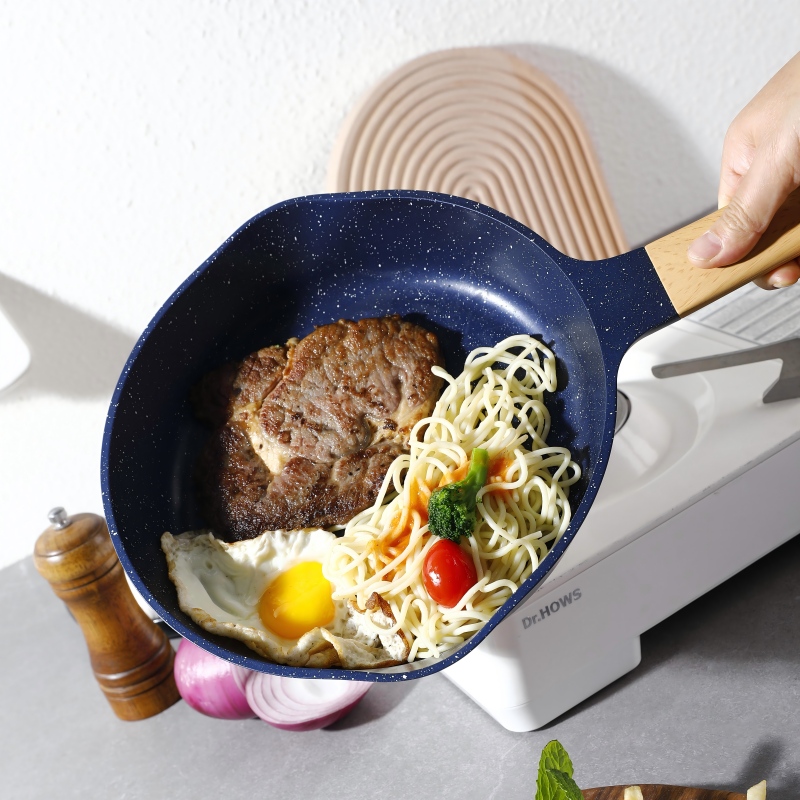
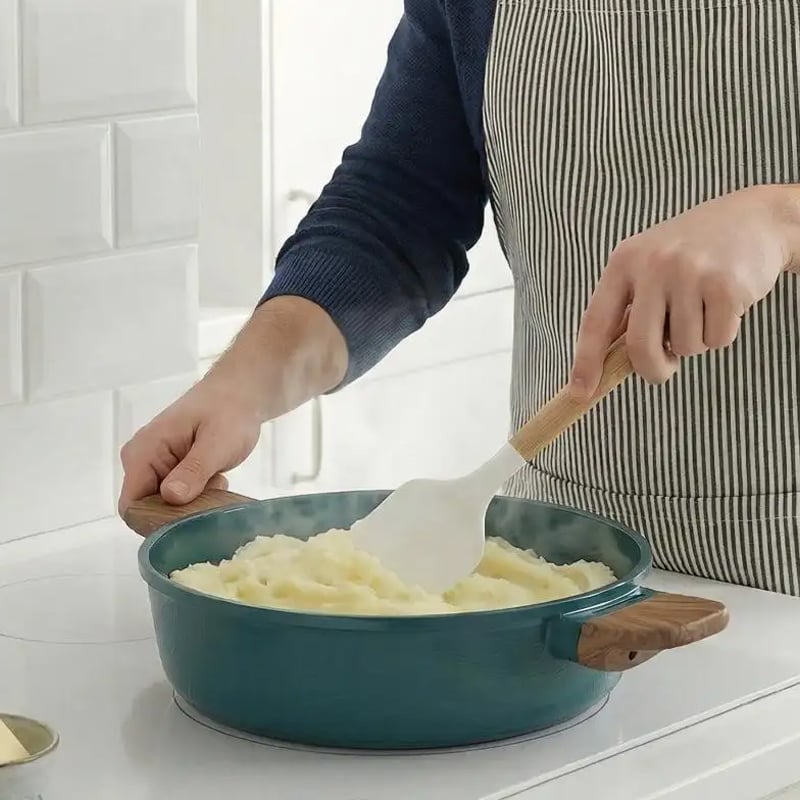
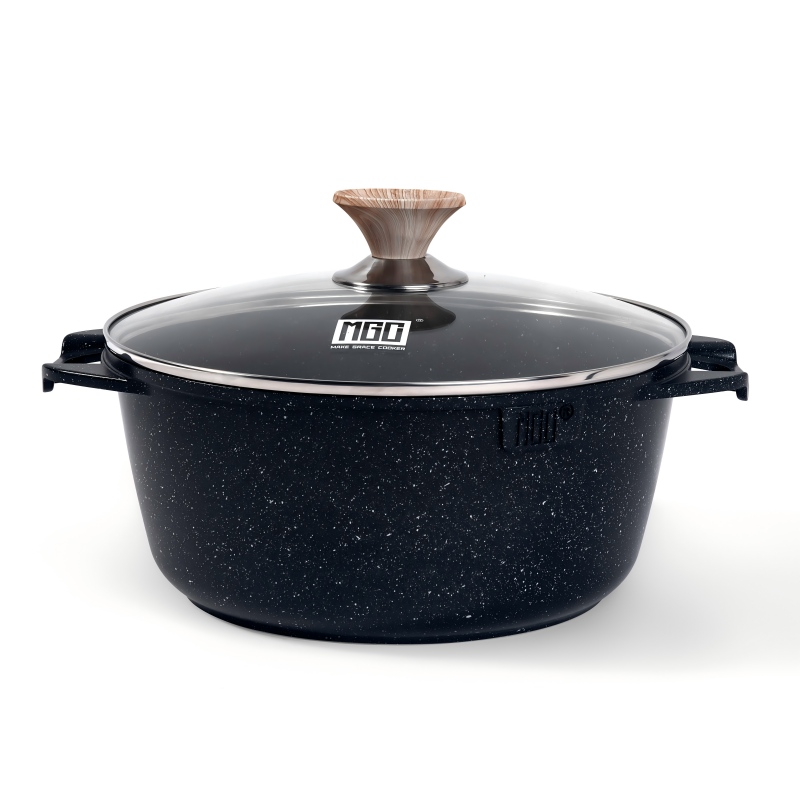
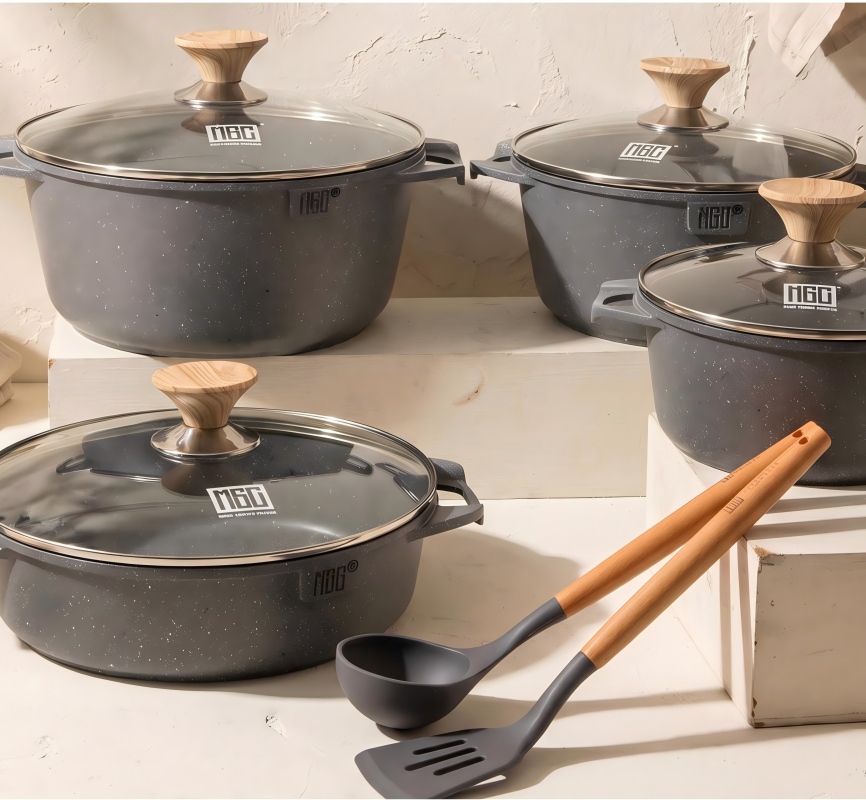
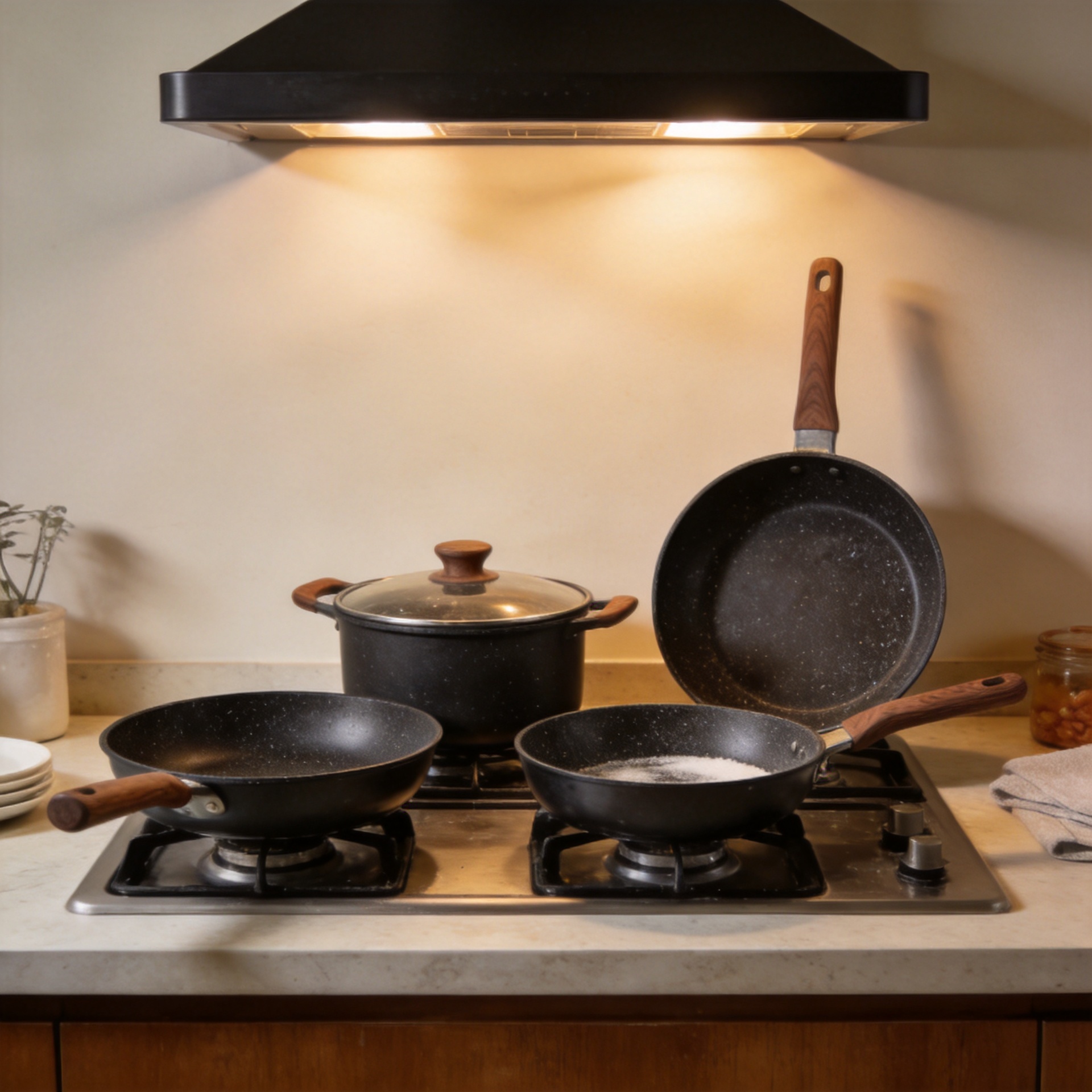
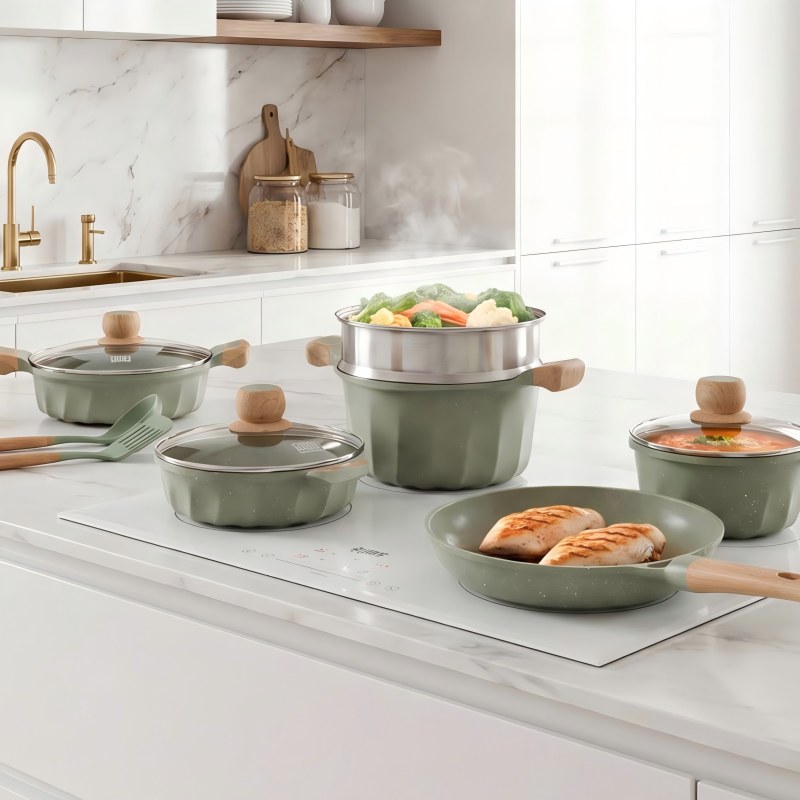
MG Cookware helps importers, distributors, retailers, and private label brands explore nonstick cookware manufacturing solutions for international markets. Buyers can evaluate frying pans, cookware sets, and available product variations according to their target customers and sales channels. For example, a retailer planning a four piece collection can compare complementary sizes and cooking functions to create a practical assortment. Manufacturing discussions can cover body construction, coating specifications, handle designs, exterior finishes, and packaging requirements. Requesting samples and agreeing on inspection criteria before bulk production helps establish clear expectations. By aligning product specifications with purchasing objectives, businesses can make informed sourcing decisions, coordinate production requirements, and develop cookware collections suited to their markets.
Get A Quote

Case Study

Manufacturing Solutions for Kitchenware Distributors

Kitchenware distributors need products that combine practical functionality, appealing presentation, and consistent specifications. A suitable nonstick cookware manufacturer can help purchasing teams evaluate frying pans, saucepans, and coordinated sets for different customer segments. For example, a distributor preparing three product categories can organize its assortment around everyday cooking needs and target retail price ranges. Before approving production, buyers should review dimensions, coating specifications, handle construction, packaging protection, and available quality documentation. Sample assessments against written requirements help clarify expectations and reduce misunderstandings. A structured manufacturing process also supports accurate product catalogs, clearer supplier communication, and better coordination between purchasing teams and downstream retailers.

Custom Manufacturing for Private Label Brands

Private label brands need cookware that reflects their identity while meeting customer expectations for everyday functionality. Depending on manufacturing capabilities, buyers may explore exterior finishes, handle styles, logo applications, and customized packaging. For instance, a brand developing a five item cookware collection can coordinate its visual presentation across online listings and retail displays. Successful production planning requires confirming minimum order quantities, artwork specifications, sample approval procedures, and delivery schedules. Buyers should also establish quality requirements and verify applicable food contact compliance documentation before manufacturing begins. These preparations help control revisions, clarify responsibilities, and support an organized product launch for businesses expanding within competitive kitchenware markets.

Production Planning for International Markets

International cookware buyers must align manufacturing specifications with destination market requirements and customer preferences. Product dimensions, coating characteristics, compatible cooktops, packaging, and labeling can influence purchasing decisions. For example, an importer preparing a three size frying pan range should confirm intended applications and verify compatibility claims before finalizing product specifications. Buyers should request available material information, relevant test reports, and applicable food contact documentation. Clear communication about quantities, inspection procedures, shipping arrangements, and delivery schedules also helps coordinate international orders. Establishing these requirements early can reduce uncertainty, support accurate product information, and help importers develop cookware assortments suited to their distribution channels.

Related products

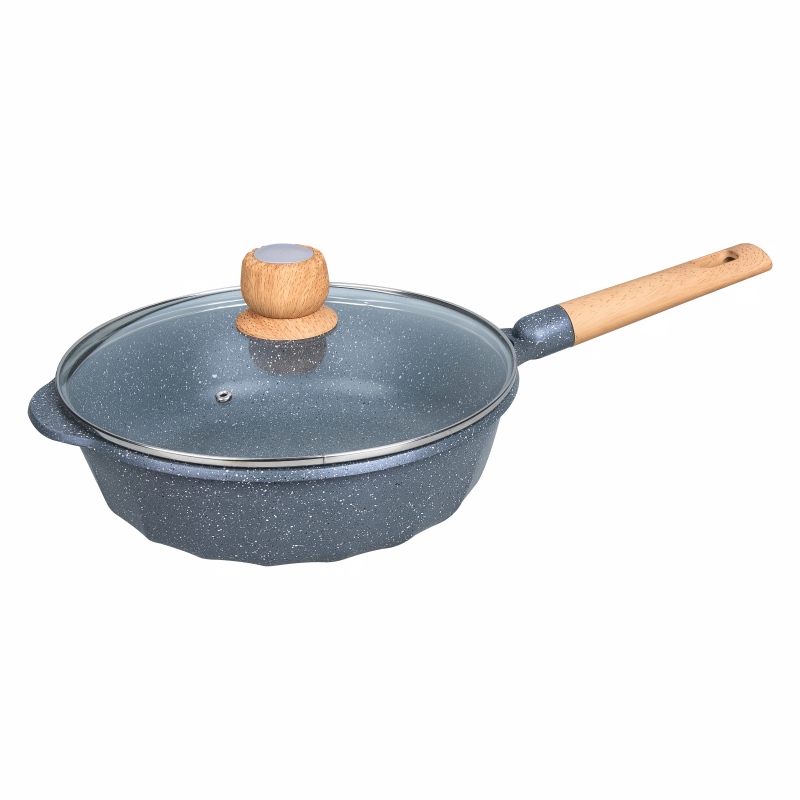
Selecting a nonstick cookware manufacturer requires careful evaluation of product construction, coating technology, quality control, customization capabilities, and production communication. MG Cookware provides a starting point for businesses exploring cookware solutions for wholesale distribution, private label development, and international sourcing. Buyers can assess available frying pans and cookware sets according to dimensions, handle materials, base construction, exterior finishes, and intended cooking applications. For example, an importer planning a six SKU collection can compare complementary products to serve different household preferences and retail price points. Before confirming production, request representative samples, review manufacturing specifications, and establish written inspection criteria. Buyers should also verify applicable food contact compliance documentation for their destination markets rather than assuming one certification covers every jurisdiction. Minimum order quantities, packaging artwork, production lead times, and shipping responsibilities should be clarified in advance. Coating performance depends on the coating system, manufacturing quality, heat settings, utensils, and cleaning methods. A structured evaluation process helps businesses compare manufacturers objectively, manage expectations, and develop cookware collections aligned with commercial requirements.

Frequently Asked Questions

What should I evaluate when selecting a nonstick cookware manufacturer?

Evaluate manufacturing capabilities, product specifications, coating quality, sample consistency, customization options, and inspection procedures. Request relevant test reports and food contact compliance documentation for your destination market. Confirm minimum order quantities, production schedules, and packaging requirements before placing an order to establish clear purchasing expectations.
Depending on available capabilities, manufacturers may support customized colors, handle designs, logo applications, and retail packaging. Buyers should confirm minimum order quantities, artwork requirements, sample approval procedures, and lead times. A detailed product brief helps clarify feasibility and enables more accurate quotation preparation.
Aluminum is commonly used for its relatively low weight and thermal conductivity, while stainless steel may feature in cookware bodies or induction compatible bases. Material suitability depends on product design and intended use. Buyers should verify actual construction details and cooktop compatibility before ordering.
Request representative samples, review coating specifications, inspect handle attachment and base construction, and establish written acceptance criteria. Available abrasion, adhesion, or other performance reports may provide additional evidence. Confirm that testing applies to the actual product and intended application before approving production.
Provide product types, dimensions, estimated quantities, coating preferences, customization requirements, packaging details, destination market, and expected delivery schedule. Include logo artwork where applicable. These details help the manufacturer assess production feasibility, clarify available options, and prepare a quotation aligned with your business requirements.

Related article

New National Agency Established

28

Jul

New National Agency Established

Just launched: exclusive national agency in Kazakhstan with Almaty wholesale center. Streamline distribution, cut logistics costs, and scale market access. Request partnership details now.
View More
How to Choose the Right Pan Size for Different Cooking Needs?

14

Sep

How to Choose the Right Pan Size for Different Cooking Needs?

Find the right pan size for your kitchen. Covers key criteria — from cooking portions to frying techniques — to help you choose smarter.
View More
Proper Cleaning Methods to Extend the Life of a Durable Non Stick Pan.

18

Sep

Proper Cleaning Methods to Extend the Life of a Durable Non Stick Pan.

Learn proper cleaning methods to extend your durable non stick pan's life. Right kitchen habits protect the coating and keep food releasing cleanly.
View More
How to Extend the Lifespan of Your Cookware Through Proper Use?

18

Sep

How to Extend the Lifespan of Your Cookware Through Proper Use?

Learn how to extend the lifespan of your cookware through proper use, smart cooking habits, cleaning methods, and everyday kitchen care tips.
View More

Customer Testimonials

Michael Turner

Comparing three cookware samples helped our purchasing team clarify product specifications, evaluate finishes, and prepare a more consistent assortment for retail distribution.

Sarah Mitchell

Reviewing four cookware designs and packaging options helped our team coordinate product presentation and identify improvements before approving our private label collection.

Get a Free Quote

Our representative will contact you soon.
Email
Mobile/WhatsApp
Name
Company Name
Message
0/1000
Quality Control From Sample Approval to Production

Quality Control From Sample Approval to Production

Consistent cookware quality begins with clearly defined specifications and repeatable inspection procedures. Buyers should evaluate body construction, coating appearance, handle attachment, base design, and packaging protection during sample approval. For example, an importer comparing three frying pan models can document measurable dimensions and establish acceptance criteria before production begins. Manufacturers should explain their inspection procedures and provide relevant test documentation where available. Coating performance depends on the coating system, surface preparation, application conditions, and subsequent use, making unsupported durability claims unsuitable for procurement decisions. Written specifications help purchasing teams compare production samples against approved requirements. This structured approach supports clearer communication, consistent quality expectations, and informed decisions when ordering cookware for international distribution.
OEM and Private Label Manufacturing Opportunities

OEM and Private Label Manufacturing Opportunities

OEM and private label manufacturing enables businesses to develop cookware collections that reflect their brand positioning and target market requirements. Depending on available capabilities, buyers may explore customized exterior colors, handle configurations, product combinations, logo applications, and retail packaging. For example, a distributor preparing a four product collection can coordinate frying pans and complementary cookware around a consistent visual identity. Successful projects require early agreement on specifications, artwork, sample approval, minimum quantities, and production schedules. Buyers should also verify applicable compliance documentation and confirm packaging details before manufacturing begins. A structured development process helps reduce revisions, clarify responsibilities, and align product presentation with retailer and end customer expectations.
International Production and Export Coordination

International Production and Export Coordination

International cookware manufacturing requires coordination across product development, quality verification, packaging, and export logistics. Buyers should evaluate whether available products meet destination market requirements and suit their intended distribution channels. For example, an importer preparing a six SKU collection can organize products by size, cooking function, and target retail positioning while confirming relevant compatibility claims. Before ordering, clarify minimum quantities, production lead times, inspection arrangements, shipping responsibilities, and documentation requirements. Sample approval and accurate product specifications also help teams prepare consistent catalogs and purchasing records. Addressing these details before production can improve sourcing coordination, manage inventory expectations, and establish a structured process for supplying cookware to international customers.