Nonstick Coating for B2B Cookware Buyers: Specs & Sourcing Guide

Get up to 35% off + Free shipping Shop now

Call Us:+86-579-86903988

Nonstick Coating Solutions for Modern Cookware

Nonstick Coating Solutions for Modern Cookware

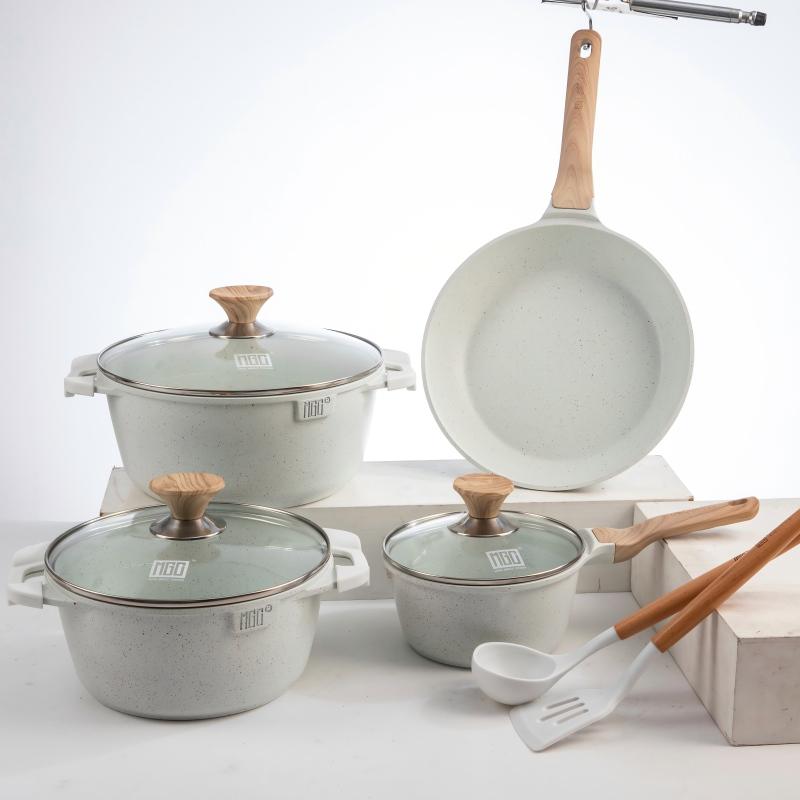
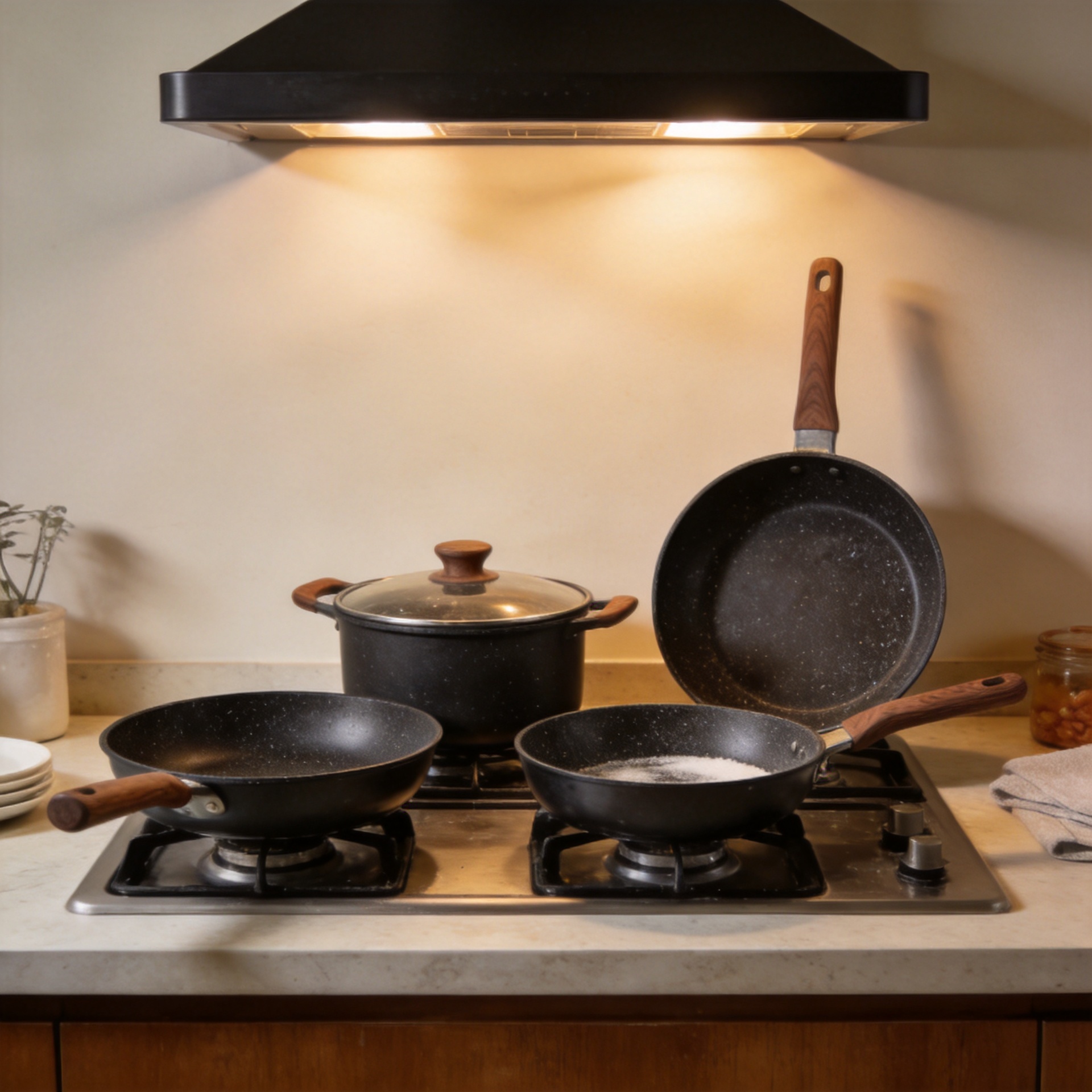
Nonstick coating helps reduce food adhesion, making cookware useful for preparing eggs, pancakes, vegetables, and other delicate ingredients. Its performance depends on the coating formulation, application quality, cookware substrate, and recommended cooking conditions. For households preparing multiple meals daily, an appropriate nonstick surface can simplify food release and routine cleaning. Buyers should compare coating specifications, temperature guidance, utensil recommendations, and care instructions before selecting products. Avoiding excessive heat and abrasive cleaning tools can help preserve the surface during normal use. For cookware wholesalers and retailers, accurate technical information supports clearer product comparisons and customer education. MGC Cookware offers cookware options for business buyers evaluating products for their target markets.
Get A Quote

Case Study

Everyday Home Cooking

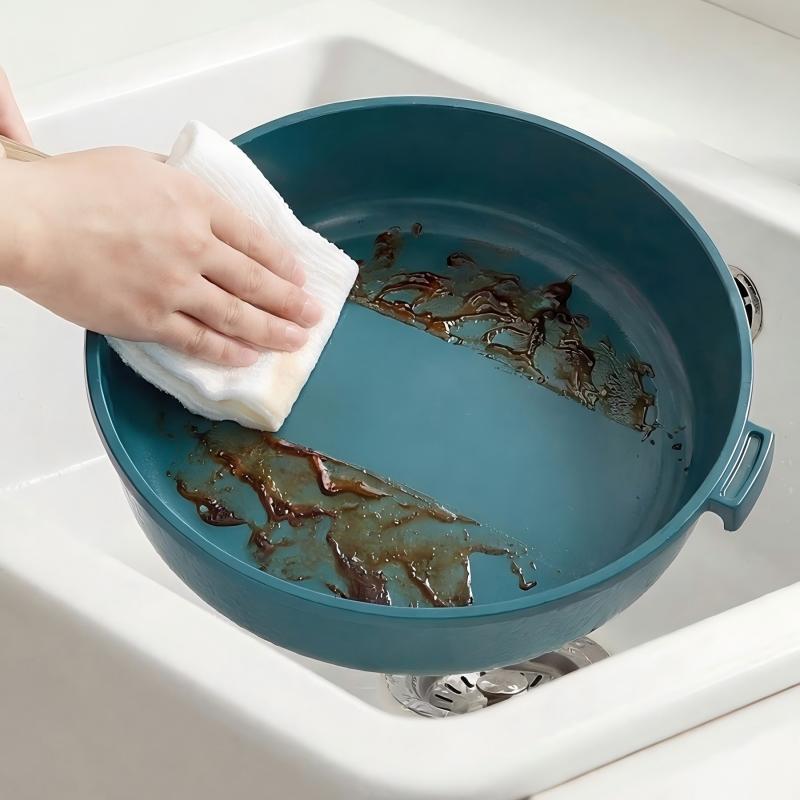
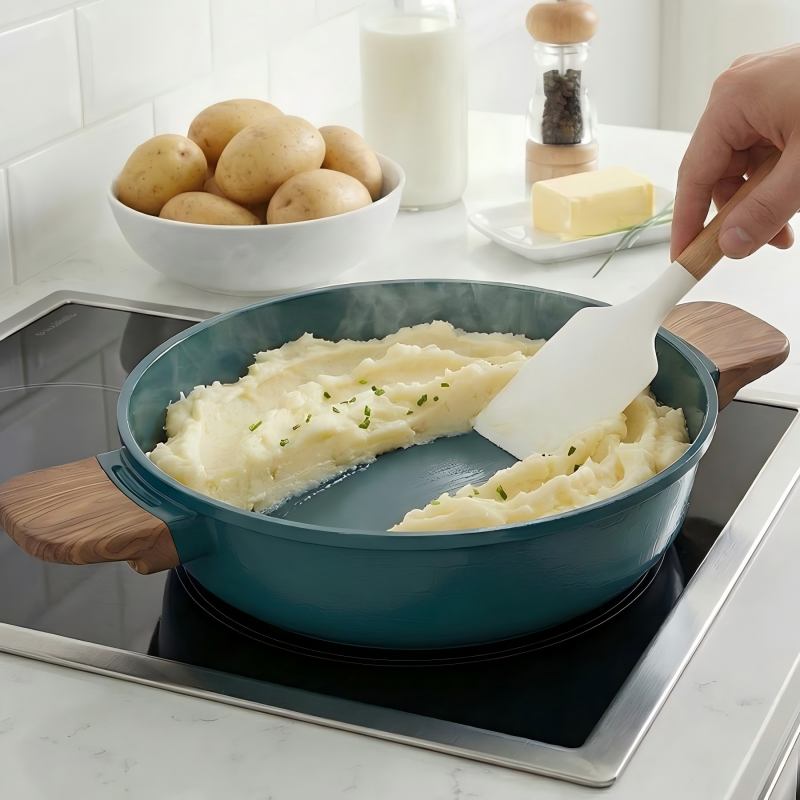
In home kitchens, nonstick coating is commonly valued for preparing foods that can easily stick to conventional cooking surfaces. Eggs, omelets, pancakes, and delicate fish are examples of meals where easier food release can be helpful. Performance varies by coating type, pan construction, heat level, and cooking technique. Users should follow the manufacturer's temperature recommendations and select utensils appropriate for the surface. Cleaning with mild detergent and a soft sponge helps avoid unnecessary abrasion. For cookware retailers, explaining these practical considerations helps customers choose pans suited to their cooking habits and understand how maintenance affects everyday performance.

Cookware Retail and Product Education

Retailers need clear information about nonstick coating when comparing cookware models and preparing product listings. Relevant details include coating type, cookware base material, recommended temperature range, care requirements, and compatible cooktops. For example, a retailer presenting several frying pans can provide a specification comparison that explains differences in size, materials, and intended applications. Technical or chemical claims should be supported by product specific documentation rather than general assumptions. Clear descriptions help customers compare products and make informed purchasing decisions. They also give retail teams a consistent reference for answering questions about cooking performance, cleaning methods, and coating maintenance.

Wholesale and Private Label Sourcing

Importers and private label brands should assess nonstick coating specifications before approving cookware for distribution. Buyers may request details about coating composition, application processes, substrate materials, quality control, and available test documentation. For example, a distributor preparing a new cookware collection can evaluate product samples against agreed requirements before finalizing an order. MGC Cookware can discuss cookware options and customization needs with business customers. Buyers should verify claims about scratch resistance, chemical composition, and durability for the specific model. This process supports more reliable product selection and helps businesses create accurate packaging, catalogs, and ecommerce descriptions for their target markets.

Related products

Nonstick coating is an important cookware feature that can help reduce food adhesion and simplify cleaning. Different formulations offer different characteristics, so buyers should evaluate the specific product rather than assuming every coating performs identically. Key considerations include coating composition, substrate material, application quality, recommended temperature range, and maintenance instructions. Appropriate heating practices and suitable utensils can help maintain the cooking surface during regular use. Abrasive cleaning materials and overheating may contribute to premature wear. For B2B buyers, technical documentation is especially important when selecting products for wholesale, retail, or private label programs. MGC Cookware works with business customers exploring cookware options and customization requirements. Buyers can discuss available designs, materials, coating choices, and packaging needs with the company. Before making claims about chemical content, safety, scratch resistance, or product lifespan, businesses should request model specific specifications and relevant supporting documentation. Accurate product information helps retailers communicate practical benefits and helps customers choose cookware suited to their needs.

Frequently Asked Questions

What is nonstick coating used for in cookware?

Nonstick coating helps reduce food adhesion on the cooking surface, making many foods easier to release and cookware easier to clean. It is commonly used for frying pans and other kitchen products. Actual performance depends on the formulation, pan construction, cooking temperature, and maintenance practices.
Durability depends on the coating formulation, application quality, cookware construction, temperature exposure, utensil choice, and cleaning habits. Buyers should review product specifications and available testing information. Following manufacturer instructions and avoiding abrasive tools can help maintain the coating during normal use.
No. Nonstick cookware can use different coating systems, including fluoropolymer based and ceramic based formulations. Their characteristics and care requirements may differ. Buyers should request product specific material information and avoid assuming that all coatings have identical chemical compositions, performance, or temperature limits.
Follow the manufacturer's temperature recommendations, use suitable utensils, and allow cookware to cool before cleaning. Mild detergent and a soft sponge are generally appropriate for routine care. Avoid abrasive scrubbers and harsh scouring products, and stop using cookware if its coating shows significant peeling or deterioration.
Businesses can contact MGC Cookware to discuss available cookware options, coating specifications, and customization requirements. Before ordering, verify materials, product dimensions, care instructions, packaging details, and relevant documentation. Buyers should also confirm minimum order quantities and applicable market requirements before finalizing commercial arrangements.

Related article

New National Agency Established

28

Jul

New National Agency Established

Just launched: exclusive national agency in Kazakhstan with Almaty wholesale center. Streamline distribution, cut logistics costs, and scale market access. Request partnership details now.
View More
How to Choose the Right Pan Size for Different Cooking Needs?

14

Sep

How to Choose the Right Pan Size for Different Cooking Needs?

Find the right pan size for your kitchen. Covers key criteria — from cooking portions to frying techniques — to help you choose smarter.
View More
How to Choose the Best Cookware for Different Cooking Methods?

18

Sep

How to Choose the Best Cookware for Different Cooking Methods?

Discover how to match cookware to your cooking methods. A practical guide covering materials, heat needs, and kitchen tools for every cooking style.
View More
How to Extend the Lifespan of Your Cookware Through Proper Use?

18

Sep

How to Extend the Lifespan of Your Cookware Through Proper Use?

Learn how to extend the lifespan of your cookware through proper use, smart cooking habits, cleaning methods, and everyday kitchen care tips.
View More

Customer Testimonials

James Wilson

Understanding coating specifications helps our team compare cookware for everyday applications. Reliable product documentation and appropriate care guidance support informed purchasing decisions for retailers and kitchenware distributors.

Emily Parker

Our sourcing process considers coating characteristics, cookware materials, and cleaning requirements. Clear technical information helps us evaluate suitable products for different customer needs and retail markets.

Get a Free Quote

Our representative will contact you soon.
Email
Mobile/WhatsApp
Name
Company Name
Message
0/1000
Coating Information for Informed Decisions

Coating Information for Informed Decisions

Understanding nonstick coating starts with reviewing verified product information. Buyers should examine the coating system, base material, recommended cooking temperatures, and maintenance requirements before choosing cookware. For example, a kitchenware distributor comparing frying pans can use product specifications to distinguish available models and explain their intended applications. Claims about chemical composition, scratch resistance, and durability should be supported by relevant documentation. Users should follow care instructions, choose suitable utensils, and avoid overheating to help maintain the cooking surface. Clear information gives retailers a stronger foundation for product education and helps customers select cookware that matches their daily cooking needs.
Product Options for B2B Cookware Buyers

Product Options for B2B Cookware Buyers

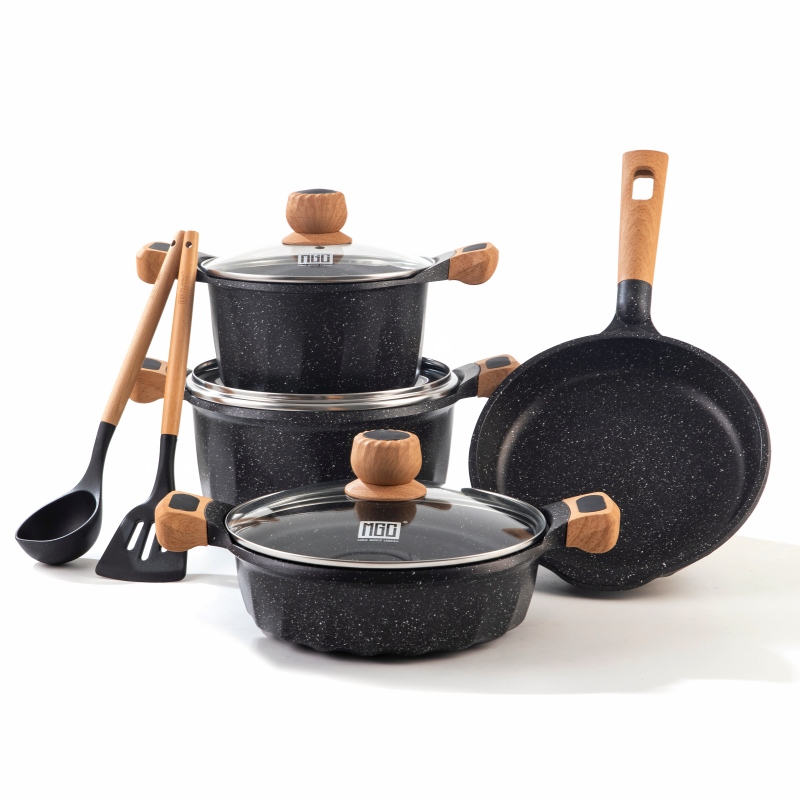
For wholesalers, importers, and private label brands, nonstick coating is one factor in evaluating cookware for a target market. Buyers should also consider pan construction, dimensions, handle design, packaging, and available quality documentation. MGC Cookware can discuss cookware products and customization requirements with business customers. For example, a retailer planning a new frying pan range can compare coating details and product samples before confirming specifications. Verifying claims before publication helps prevent misleading descriptions and supports more consistent product information. Combining appropriate cookware selection with clear maintenance guidance helps businesses present products responsibly across ecommerce listings, retail catalogs, and distribution channels.