Non-Stick Pans in Dishwasher? B2B Care Guide & Best Practices

Get up to 35% off + Free shipping Shop now

Call Us:+86-579-86903988

Customer Feedback on Nonstick Cookware Care

Customer Feedback on Nonstick Cookware Care

Understanding whether nonstick pans can go in the dishwasher helps consumers protect their cookware and make informed purchasing decisions. Some pans are labeled dishwasher-safe, but repeated exposure to high temperatures, strong detergents, and water pressure may contribute to coating deterioration or exterior discoloration over time. Handwashing with warm water, mild dish soap, and a soft sponge is generally the gentler choice for many nonstick pans. For example, after cooking eggs or sautéed vegetables, allowing the pan to cool before cleaning can help prevent unnecessary stress. Cookware manufacturers and retailers should provide clear care instructions based on the specific product. This guidance supports responsible maintenance and helps customers choose cookware suited to their kitchen routines.
Get A Quote

Case Study

Daily Cleaning After Breakfast

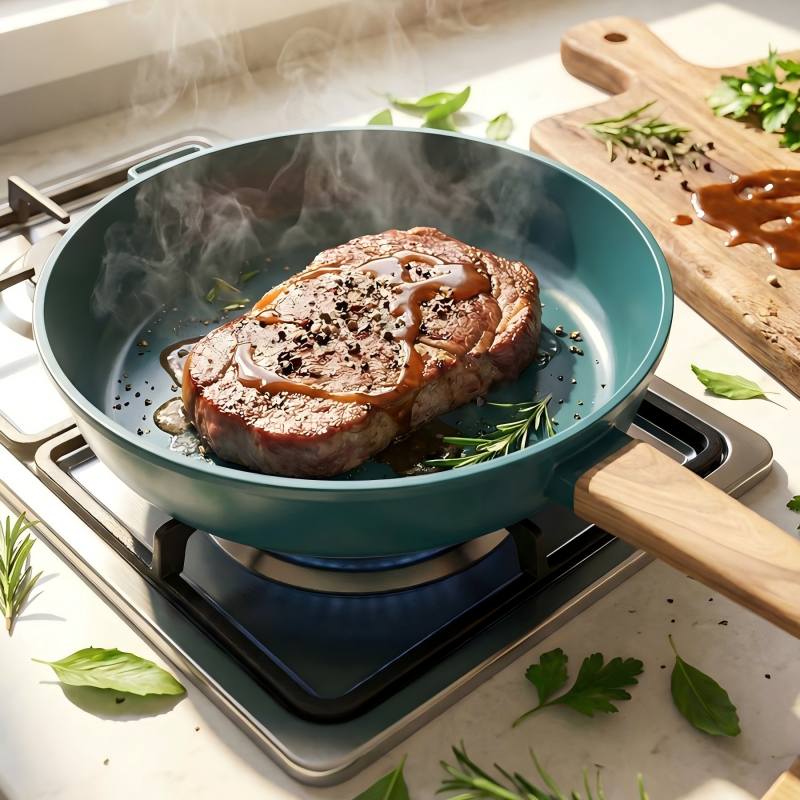
After preparing eggs, pancakes, or fried vegetables, home cooks often want a quick cleaning routine. Although a pan may carry a dishwasher-safe label, handwashing can be a practical way to protect its coating. Let the cookware cool, remove loose food residue, and wash it with warm water, mild detergent, and a soft sponge. Avoid steel wool and abrasive cleaning pads unless the manufacturer specifically permits them. For busy households, this simple routine takes little equipment and helps reduce unnecessary surface wear. Following the care instructions supplied with the pan is the best way to determine whether dishwasher cleaning is permitted.

Retail Product Selection

A retailer choosing nonstick pans for a kitchenware collection should evaluate cleaning guidance alongside size, coating type, handle design, and price. Some models may be labeled dishwasher-safe, while others require handwashing to maintain their finish. For example, a product comparison page can clearly distinguish dishwasher compatibility from the recommended cleaning method. Buyers should verify these details through manufacturer documentation rather than assuming every nonstick pan has identical requirements. Clear packaging information and accurate online descriptions help customers select products that fit their routines. This approach can also reduce confusion about care expectations after purchase.

Wholesale and Private Label Planning

Wholesale buyers developing a private-label frying pan range should confirm dishwasher compatibility before finalizing product specifications. Coating systems, handle materials, exterior finishes, and construction can influence the manufacturer's care recommendations. For example, a retailer targeting busy households may request clear cleaning guidance on packaging and product pages. Suppliers should provide accurate instructions supported by the relevant product documentation. Buyers can review samples, confirm labeling requirements, and ensure that care information remains consistent across catalogs and packaging. These steps help distributors communicate realistic maintenance expectations and support better-informed purchasing decisions across retail channels.

Related products

Whether nonstick pans can go in the dishwasher depends on the manufacturer's instructions for the specific model. A dishwasher-safe label indicates that the product is designed for dishwasher cleaning under the stated conditions, but it does not necessarily mean this method is ideal for long-term coating maintenance. High temperatures, strong detergents, and contact with other items may affect some coatings, handles, or exterior finishes. For many nonstick pans, handwashing with warm water, mild dish soap, and a soft sponge is a gentler routine. Allow the pan to cool before cleaning, avoid abrasive tools, and follow the recommended temperature limits during cooking. Cookware brands and wholesale suppliers should communicate cleaning compatibility accurately on packaging, product listings, and care guides. Buyers developing private-label products should verify dishwasher claims against manufacturer documentation before publication. Clear instructions help customers maintain cookware appropriately and understand the difference between permitted cleaning methods and recommended everyday care.

Frequently Asked Questions

Can nonstick pans go in the dishwasher?

Some nonstick pans are labeled dishwasher-safe, but others require handwashing. Check the manufacturer's care instructions for the exact model before placing it in the dishwasher. Even when dishwasher cleaning is permitted, handwashing may be gentler on the coating and exterior finish over time.
High temperatures, strong detergents, and repeated contact with other items may contribute to coating wear or damage to handles and exterior finishes. The effects vary by product. Following the manufacturer's instructions helps reduce avoidable wear and supports appropriate cookware maintenance.
Allow the pan to cool, then wash it with warm water, mild dish soap, and a soft sponge. Avoid abrasive pads and metal scrubbers unless permitted by the manufacturer. Dry the pan thoroughly before storing it to help maintain its finish.
No. Dishwasher-safe means the manufacturer permits dishwasher cleaning under specified conditions. It does not necessarily make machine washing the preferred everyday method. Handwashing is often a gentler option for nonstick cookware and can help preserve the coating and exterior appearance.
Retailers should verify the manufacturer's instructions and clearly state whether each pan is dishwasher-safe. Product descriptions should distinguish permitted cleaning methods from recommended care practices. Accurate guidance helps customers choose suitable cookware, understand maintenance requirements, and avoid relying on assumptions about different coating systems.

Related article

New Product Development

25

Aug

New Product Development

Struggling to sustain market relevance? Our proven 5-step new product development framework helps B2B teams launch winning solutions faster. Get the playbook now.
View More
New Market Promotion

25

Aug

New Market Promotion

Struggling to demonstrate product value? Face-to-face customer engagement drives 3.2x higher conversion in B2B markets. Discover proven field promotion tactics now.
View More
How to Choose the Right Pan Size for Different Cooking Needs?

14

Sep

How to Choose the Right Pan Size for Different Cooking Needs?

Find the right pan size for your kitchen. Covers key criteria — from cooking portions to frying techniques — to help you choose smarter.
View More
How to Choose the Best Cookware for Different Cooking Methods?

18

Sep

How to Choose the Best Cookware for Different Cooking Methods?

Discover how to match cookware to your cooking methods. A practical guide covering materials, heat needs, and kitchen tools for every cooking style.
View More

Customer Testimonials

Daniel Brooks

“Clear cleaning instructions help customers care for nonstick pans correctly. We prioritize cookware with well-documented maintenance guidance to support everyday use and reduce avoidable product wear.”

Emily Carter

“Our cookware selection process includes cleaning compatibility, coating specifications, and care instructions. Accurate product details help retailers answer dishwasher-related questions and set realistic customer expectations.”

Get a Free Quote

Our representative will contact you soon.
Email
Mobile/WhatsApp
Name
Company Name
Message
0/1000
Easy-to-Follow Cleaning Recommendations

Easy-to-Follow Cleaning Recommendations

Clear cleaning guidance helps consumers care for nonstick cookware after everyday meals. For common tasks such as preparing eggs, pancakes, or sautéed vegetables, handwashing with warm water, mild detergent, and a soft sponge is generally a gentle approach. Users should allow pans to cool before washing and avoid abrasive materials that may scratch the surface. If the manufacturer labels a specific model dishwasher-safe, consumers should follow the stated instructions rather than assume every pan has the same compatibility. Practical care information helps customers build a consistent cleaning routine and understand how their cookware should be maintained.
Clear Product Details for Confident Purchasing

Clear Product Details for Confident Purchasing

Dishwasher compatibility is an important product detail for retailers, distributors, and private-label cookware brands. Buyers should verify cleaning instructions alongside coating specifications, pan construction, handle materials, and exterior finishes. For example, an online product page can clearly identify whether a particular pan is dishwasher-safe and explain the manufacturer's recommended care method. Accurate information helps customers compare cookware according to their kitchen routines and maintenance preferences. Suppliers should provide reliable documentation before dishwasher-related claims are published. Consistent guidance across packaging, catalogs, and e-commerce listings can improve product understanding and help reduce confusion after purchase.
Responsible Maintenance for Longer Use

Responsible Maintenance for Longer Use

Appropriate maintenance can help reduce unnecessary wear on nonstick cookware. Consumers should use suitable utensils, avoid overheating empty pans, and follow the manufacturer's cleaning instructions. Handwashing with a soft sponge is often a sensible choice when preserving the coating is a priority. For dishwasher-safe models, users should still follow the specified loading and cleaning recommendations. Retailers can reinforce these practices through product inserts, online care guides, and frequently asked questions. Rather than promising a fixed coating lifespan, cookware brands should explain practical maintenance steps and product-specific limitations. Clear guidance supports informed use and realistic customer expectations.