Induction Die Cast Cookware: 5 Key Benefits for B2B Buyers

Get up to 35% off + Free shipping Shop now

Call Us:+86-579-86903988

Customer Experiences with Induction Die Cast Cookware

Customer Experiences with Induction Die Cast Cookware

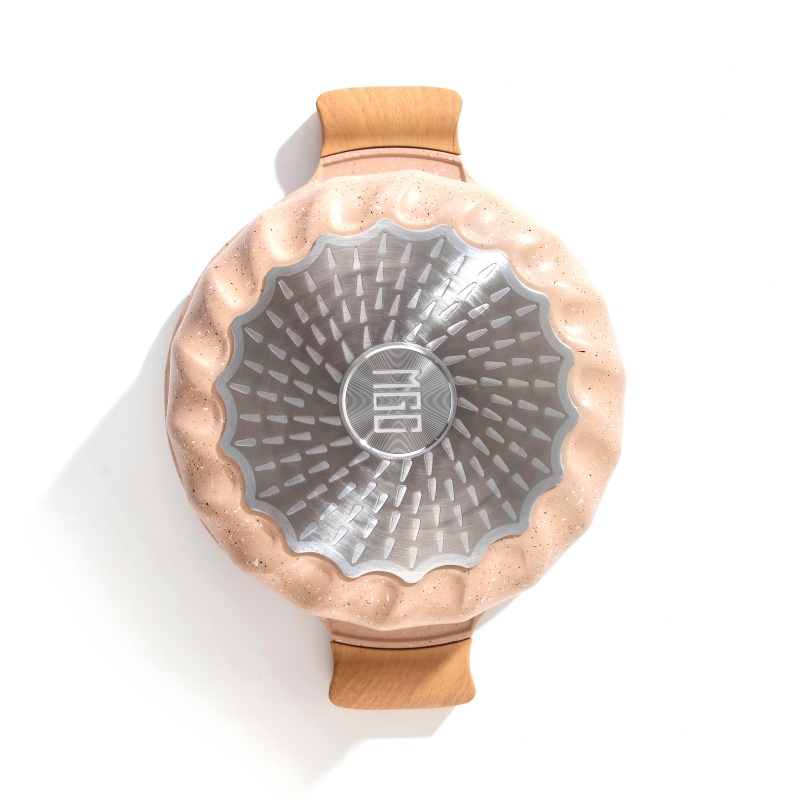
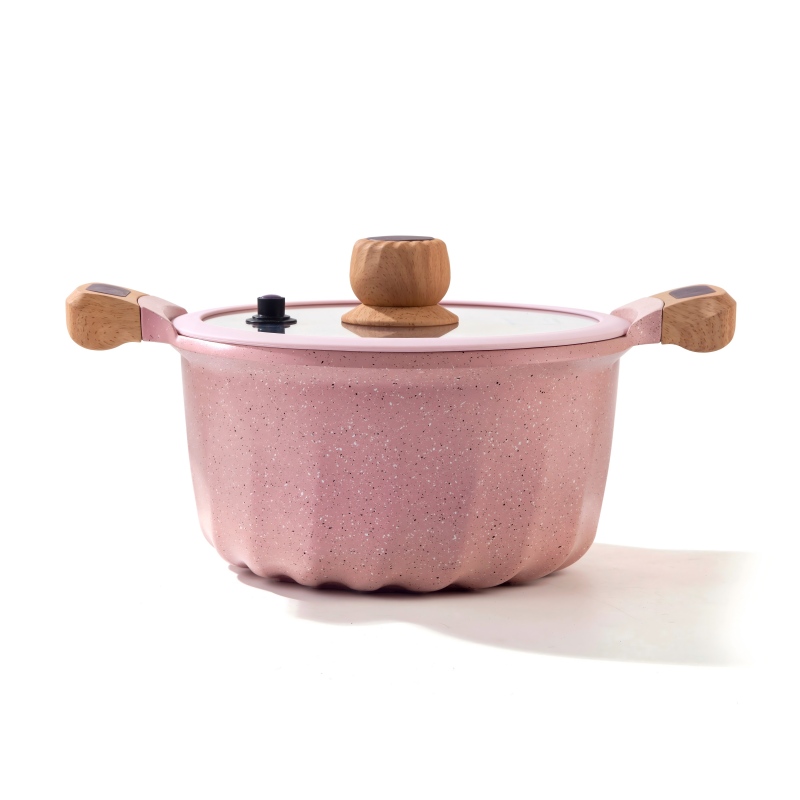
Induction die cast cookware combines molded construction with a base designed for compatible induction cooktops. It offers a practical option for households seeking responsive heating, convenient cooking, and contemporary cookware designs. Aluminum bodies can provide efficient heat conduction, while a magnetic base enables induction compatibility when properly engineered. Buyers should evaluate base construction, dimensions, coating specifications, and handle design before selecting products. Suitable models can support frying, sautéing, simmering, and other everyday cooking tasks. MGCCookware provides cookware solutions for businesses exploring international markets. Retailers and distributors can compare product specifications, packaging, and available configurations to develop collections that meet customer expectations and different kitchen requirements.
Get A Quote

Case Study

Upgrading Cookware for Residential Induction Kitchens

A kitchenware retailer wanted to expand its selection for households switching from conventional stovetops to induction cooking. Induction compatible die cast cookware offered an option combining molded construction with a suitable magnetic base. The purchasing team compared pan dimensions, base compatibility, handle comfort, and surface finishes before selecting products. For example, a coordinated range of frying pans and saucepans could help customers prepare breakfast, sauté vegetables, and cook family meals. The retailer verified induction compatibility through product specifications rather than relying on appearance alone. Clear labeling and care instructions helped shoppers understand which cookware models suited their appliances and everyday cooking preferences.

Supporting Versatile Cooking in Apartments

A residential kitchenware supplier needed cookware suitable for compact apartments equipped with induction cooktops. The team evaluated induction die cast pans for manageable handling, practical dimensions, and compatibility with common cooking tasks. A smaller frying pan could serve individual portions, while a deeper saucepan could accommodate soups and sauces. The buyer also considered storage requirements, surface maintenance, and the stability of each pan on the cooking zone. Actual heating performance depended on the cookware base and the induction appliance. By reviewing technical specifications and samples, the supplier could identify products suited to compact kitchens and customers seeking versatile cookware.

Expanding International Cookware Distribution

An importer planned to introduce induction compatible cookware to customers in markets where induction appliances were increasingly represented in household product ranges. The sourcing team compared magnetic base construction, cookware dimensions, coating details, packaging, and destination market requirements. For example, a distributor could combine frying pans, saucepans, and casseroles into a coordinated product collection. Sample checks helped assess finish quality, handling, and compatibility documentation before purchasing. The importer also reviewed labeling and food contact requirements relevant to its sales destinations. This structured evaluation helped the business prepare a cookware assortment designed for induction users while supporting more informed sourcing and product positioning decisions.

Related products

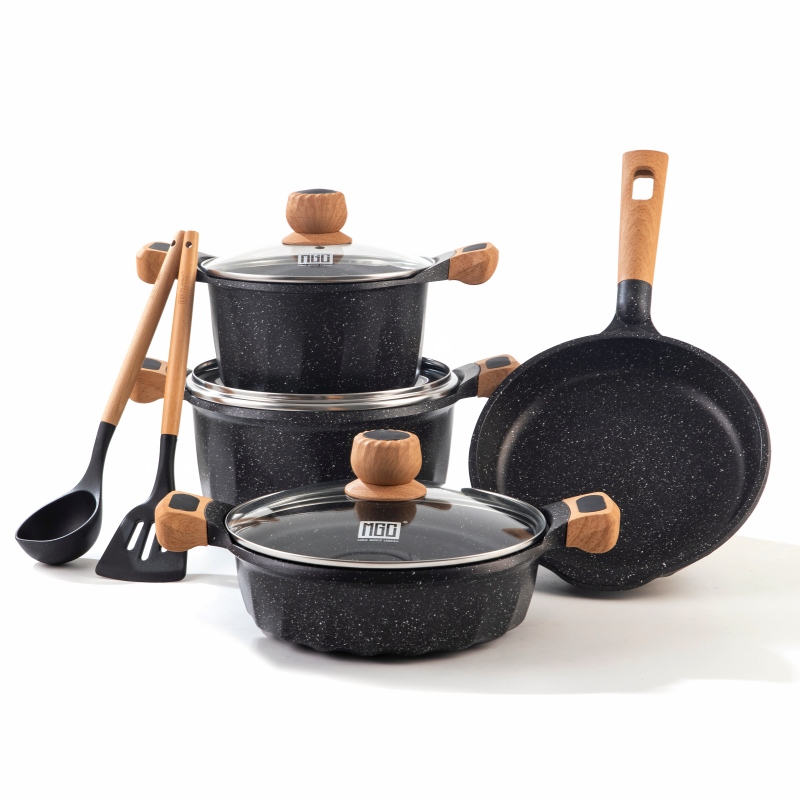
Induction die cast cookware is designed to combine the structural advantages of molded cookware with a base that works on compatible induction cooktops. Induction cooking uses a magnetic field to heat suitable cookware, so an aluminum body requires an appropriate magnetic base or compatible construction. Aluminum can distribute heat efficiently within the cookware, while the base design determines induction performance and contact with the cooking surface. MGCCookware offers cookware solutions for businesses exploring international retail and distribution opportunities. For example, a kitchenware distributor may develop a coordinated collection of induction compatible frying pans, saucepans, and casseroles in several sizes. Buyers should review magnetic base specifications, dimensions, wall thickness, coating details, handle construction, and cleaning instructions. Compatibility should be confirmed for each model rather than assumed across an entire product range. Importers should also verify relevant food contact documentation, quality inspection procedures, packaging requirements, and destination market regulations. Before placing bulk orders, evaluating samples can help purchasing teams assess workmanship, handling, and product suitability. A structured sourcing process allows retailers and distributors to compare products against customer needs, price positioning, and intended cooking applications while establishing clearer expectations for product quality and supply.

Frequently Asked Questions

What makes die cast cookware suitable for induction cooking?

Induction compatible die cast cookware includes a magnetic base or suitable construction that interacts with an induction cooktop. Aluminum alone is not magnetic, so compatibility depends on the base design. Buyers should verify manufacturer specifications for each model before purchasing.
Suitable models combine molded construction with induction compatibility and the heat conduction characteristics of their materials. They can support everyday tasks such as frying, sautéing, and simmering. Performance depends on base design, cookware dimensions, coating, and the induction appliance used.
Buyers should review the manufacturer's technical specifications and induction compatibility statements. A magnet test can provide an initial indication of whether a base is magnetic, but it does not guarantee effective performance on every cooktop. Product documentation and compatibility testing provide more reliable guidance.
Yes, some induction compatible die cast cookware models feature nonstick coatings. The cookware must still have a suitable induction compatible base. Buyers should check coating specifications, temperature limits, utensil recommendations, and cleaning instructions to understand the product's intended use and maintenance requirements.
Importers should confirm magnetic base construction, material specifications, coating details, dimensions, quality checks, and packaging requirements. They should also verify food contact documentation and applicable destination market regulations. Reviewing samples and compatibility information helps purchasing teams evaluate products before committing to bulk orders.

Related article

How to Choose the Right Cookware Set Material for Better Cooking Results?

14

Sep

How to Choose the Right Cookware Set Material for Better Cooking Results?

Discover how to choose the right cookware set material — aluminum, stainless steel, or non-stick — to match your cooking style and improve results.
View More
How to Choose the Right Pan Size for Different Cooking Needs?

14

Sep

How to Choose the Right Pan Size for Different Cooking Needs?

Find the right pan size for your kitchen. Covers key criteria — from cooking portions to frying techniques — to help you choose smarter.
View More
How to Choose the Best Cookware for Different Cooking Methods?

18

Sep

How to Choose the Best Cookware for Different Cooking Methods?

Discover how to match cookware to your cooking methods. A practical guide covering materials, heat needs, and kitchen tools for every cooking style.
View More
How to Extend the Lifespan of Your Cookware Through Proper Use?

18

Sep

How to Extend the Lifespan of Your Cookware Through Proper Use?

Learn how to extend the lifespan of your cookware through proper use, smart cooking habits, cleaning methods, and everyday kitchen care tips.
View More

Customer Testimonials

Daniel Miller

Our induction compatible cookware offers a practical solution for modern kitchens. Customers value its versatile cooking applications and convenient design when preparing everyday meals on compatible induction cooktops.

Emily Carter

Adding induction die cast cookware to our collection helps us serve customers upgrading their kitchens. Different sizes and coordinated designs support a practical assortment for contemporary cooking needs.

Get a Free Quote

Our representative will contact you soon.
Email
Mobile/WhatsApp
Name
Company Name
Message
0/1000
Designed for Compatible Induction Cooktops

Designed for Compatible Induction Cooktops

Induction die cast cookware must combine suitable cookware construction with a magnetic base that works with an induction cooktop. This design allows users to prepare everyday dishes using compatible induction appliances. Buyers should assess base diameter, magnetic properties, surface flatness, and manufacturer compatibility information before selecting products. For example, a retailer serving apartment households may prioritize compact frying pans and saucepans suited to smaller cooking zones. Aluminum construction can offer efficient heat conduction within the cookware, but induction performance depends on the complete base design. Clear product specifications help distributors distinguish compatible models from cookware intended only for gas or conventional electric stovetops.
Versatile Cookware for Contemporary Kitchens

Versatile Cookware for Contemporary Kitchens

Modern kitchens require cookware that matches appliance specifications and everyday cooking habits. Induction compatible die cast cookware can support frying, sautéing, simmering, and preparing family meals when the selected product suits the cooktop. Retailers can build coordinated collections around different pan sizes, cooking vessel shapes, and surface finishes. For example, a distributor may combine a small frying pan for breakfast with a deeper saucepan for sauces and soups. Buyers should consider handle comfort, cookware weight, cleaning requirements, and available storage space alongside induction compatibility. Evaluating these details helps businesses select products that meet practical customer needs and support a consistent cookware assortment.