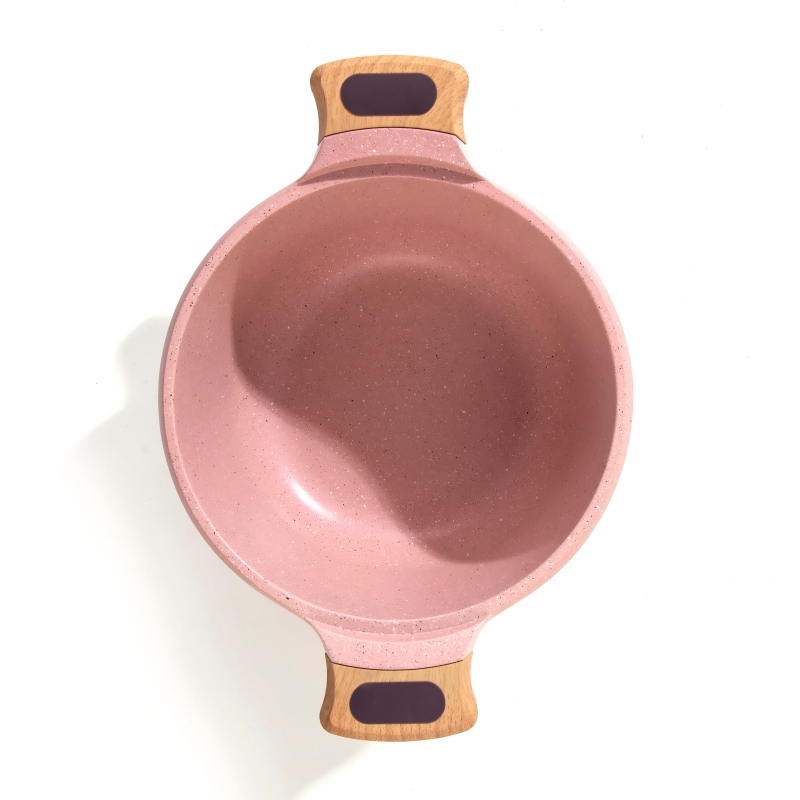
Die Cast Cookware Wholesale | Aluminum Die-Cast Pots & Pans

Get up to 35% off + Free shipping Shop now

Call Us:+86-579-86903988

Buyer Experiences with Wholesale Die Cast Cookware

Buyer Experiences with Wholesale Die Cast Cookware

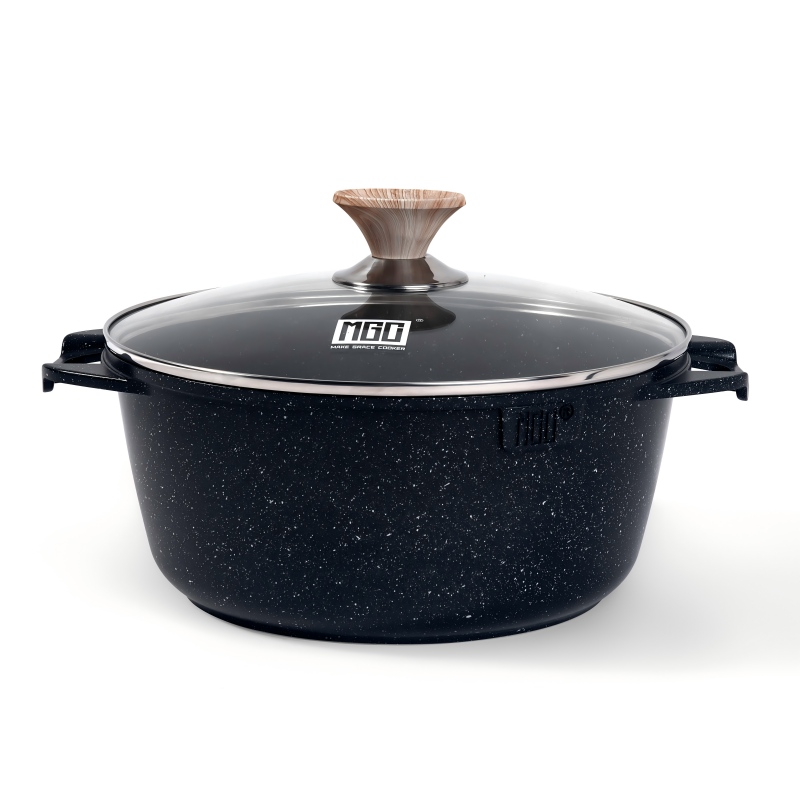
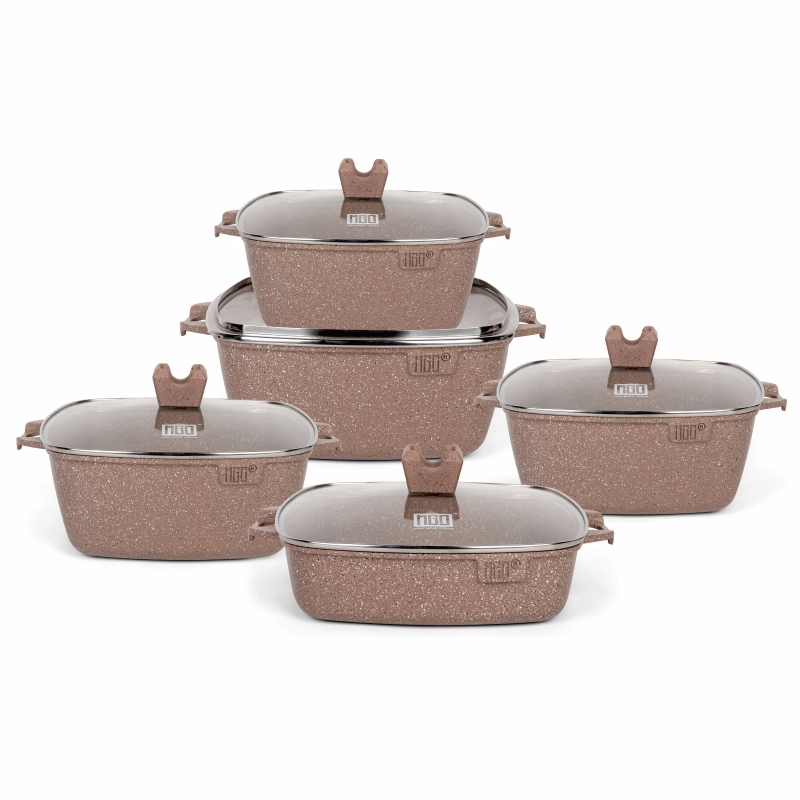
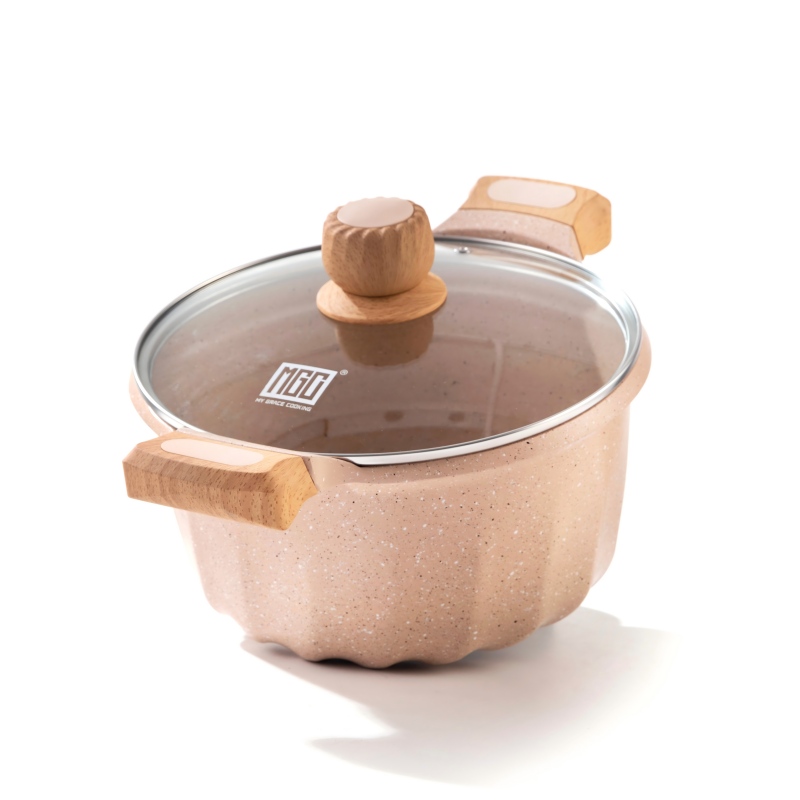
Wholesale die cast cookware offers retailers, importers, and distributors an opportunity to develop versatile product assortments for different customer groups. Molded construction supports defined shapes and consistent dimensions, while aluminum cookware can provide efficient heat conduction for everyday cooking. Buyers can compare frying pans, saucepans, casseroles, and other cookware according to size, material, surface finish, and intended use. Bulk purchasing also allows businesses to coordinate product specifications, packaging, and inventory planning around expected demand. MGCCookware provides a starting point for buyers exploring cookware sourcing opportunities. Reviewing samples, quality standards, minimum order quantities, and delivery schedules helps purchasing teams make informed decisions for wholesale distribution.
Get A Quote

Case Study

Supplying Independent Kitchenware Retailers

A kitchenware distributor wanted to supply independent retailers with cookware suitable for everyday household cooking. Its purchasing team evaluated die cast frying pans and saucepans, comparing dimensions, surface finishes, handle designs, and packaging requirements. A coordinated assortment could include smaller pans for individual portions and larger models for family meals. Before placing a bulk order, the distributor reviewed product samples and confirmed specifications with its supplier. It also considered storage capacity, shipping arrangements, and expected retail demand. By documenting product requirements and reviewing quality standards, the business could organize purchasing more effectively and offer retailers a practical selection of cookware for different customer preferences.

Building a Consistent Online Cookware Collection

An online kitchenware seller planned to expand its catalog with wholesale die cast cookware. The team needed clear product information, consistent imagery, and suitable packaging to support product listings and order fulfillment. Buyers compared cookware dimensions, material specifications, coating details, and maintenance requirements before selecting models. For example, a coordinated collection of frying pans and deeper cooking vessels could address several everyday cooking tasks. The seller also reviewed shipping protection and product labeling to reduce confusion during fulfillment. Confirming samples, packaging specifications, and bulk pricing helped the business evaluate the assortment before committing to inventory for its online sales channels.

Sourcing Cookware for International Distribution

An importer sought to develop a cookware range for distribution across multiple retail channels. The purchasing team assessed wholesale die cast cookware based on construction quality, product dimensions, packaging, and applicable destination market requirements. For example, the importer could combine frying pans, saucepans, and casseroles to create a coordinated collection for different household needs. Before ordering, the team requested product specifications and samples, then clarified minimum order quantities and estimated production schedules. It also checked relevant food contact documentation and inspection procedures. This structured approach helped the business compare sourcing options and plan procurement around commercial objectives and customer demand.

Related products

Wholesale die cast cookware serves kitchenware retailers, importers, distributors, and private label businesses seeking products for varied cooking applications. Die casting forms cookware bodies into defined shapes, while aluminum construction can provide efficient heat conduction. Product performance depends on the material composition, wall thickness, base design, and surface treatment. Buyers can explore frying pans, saucepans, casseroles, and coordinated cookware collections according to their market requirements. MGCCookware provides a starting point for businesses evaluating cookware options for international distribution. For example, a wholesaler may combine several pan sizes and cooking vessel styles to serve independent stores, online sellers, and regional distributors. Before placing bulk orders, purchasing teams should confirm product dimensions, coating specifications, handle construction, packaging details, and stovetop compatibility. They should also review minimum order quantities, production lead times, sample approval procedures, and shipping arrangements. Relevant food contact documentation and destination market regulations should be verified before importing. By establishing written specifications and inspection criteria, buyers can compare suppliers more consistently and plan inventory with greater confidence. A carefully selected wholesale assortment can help businesses meet customer needs while supporting practical purchasing, merchandising, and distribution strategies.

Frequently Asked Questions

What types of die cast cookware can wholesale buyers source?

Wholesale buyers can explore frying pans, saucepans, casseroles, and other cookware formats, depending on supplier availability. Options may vary by dimensions, material composition, coating, handle design, and stovetop compatibility. Reviewing product catalogs and samples helps businesses identify suitable products for their target customers.
Pricing depends on product dimensions, material specifications, surface treatments, order quantity, packaging, customization, and shipping arrangements. Tooling requirements may also affect costs for customized designs. Buyers should request itemized quotations and confirm minimum order quantities to compare suppliers and estimate total procurement expenses.
Some suppliers offer private label options, subject to manufacturing capabilities and order requirements. Potential options may include logos, packaging, labels, and coordinated designs. Buyers should confirm artwork specifications, additional costs, minimum quantities, and sample approval procedures before authorizing customized production.
Buyers should inspect samples and review written specifications for dimensions, construction, surface finish, coating, and handle attachment. They should also confirm inspection procedures and relevant product documentation. Establishing acceptance criteria before ordering helps purchasing teams evaluate consistency and identify potential issues before shipment.
Importers should confirm pricing, minimum quantities, lead times, packaging, shipping terms, and customization requirements. They should also verify product compatibility, applicable food contact documentation, and destination market regulations. Clear written agreements and approved samples help align supplier expectations with the buyer's commercial requirements.

Related article

New Market Promotion

25

Aug

New Market Promotion

Struggling to demonstrate product value? Face-to-face customer engagement drives 3.2x higher conversion in B2B markets. Discover proven field promotion tactics now.
View More
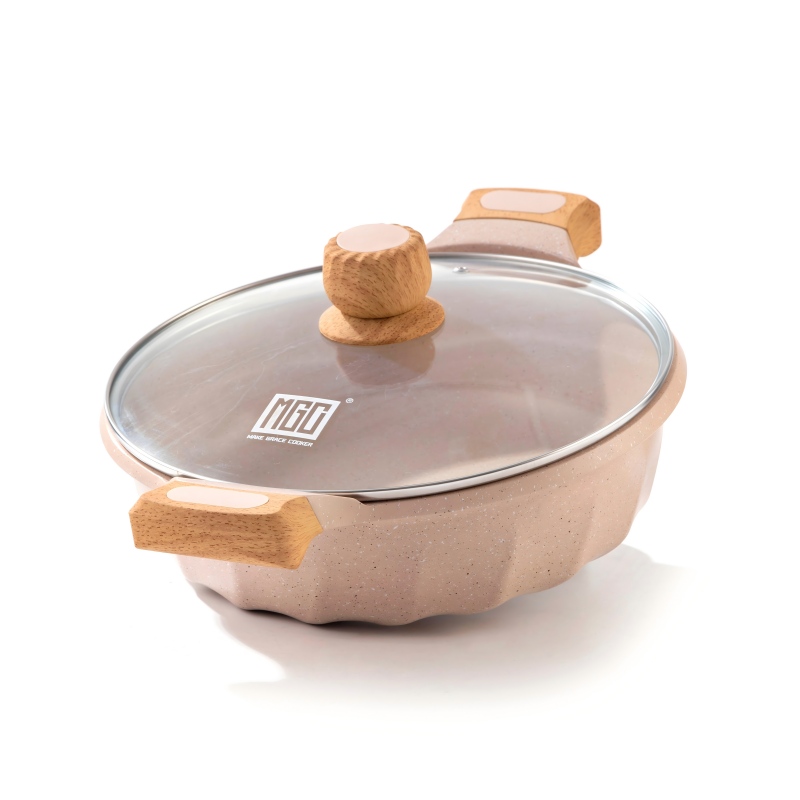
How to Choose the Right Cookware Set Material for Better Cooking Results?

14

Sep

How to Choose the Right Cookware Set Material for Better Cooking Results?

Discover how to choose the right cookware set material — aluminum, stainless steel, or non-stick — to match your cooking style and improve results.
View More
How to Choose the Right Pan Size for Different Cooking Needs?

14

Sep

How to Choose the Right Pan Size for Different Cooking Needs?

Find the right pan size for your kitchen. Covers key criteria — from cooking portions to frying techniques — to help you choose smarter.
View More
Proper Cleaning Methods to Extend the Life of a Durable Non Stick Pan.

18

Sep

Proper Cleaning Methods to Extend the Life of a Durable Non Stick Pan.

Learn proper cleaning methods to extend your durable non stick pan's life. Right kitchen habits protect the coating and keep food releasing cleanly.
View More

Customer Testimonials

Daniel Miller

Our wholesale cookware assortment helps us serve different customer segments. Reviewing product specifications and samples before ordering supports more consistent purchasing decisions and practical inventory planning.

Emily Carter

Die cast cookware gives our retail collection more variety in sizes and designs. Coordinated product options help us meet household cooking needs while planning bulk orders more efficiently.

Get a Free Quote

Our representative will contact you soon.
Email
Mobile/WhatsApp
Name
Company Name
Message
0/1000
Flexible Assortments for Wholesale Customers

Flexible Assortments for Wholesale Customers

Wholesale die cast cookware allows businesses to develop product assortments around different customer preferences and sales channels. Buyers can compare frying pans, saucepans, and casseroles in various dimensions and finishes, depending on supplier availability. For example, a regional distributor may prioritize everyday frying pans, while a kitchenware retailer may prefer coordinated cookware collections with matching exterior designs. Selecting products according to customer demand helps avoid an assortment that is too narrow or difficult to manage. Buyers should review product specifications, sample quality, packaging, and expected order quantities before purchasing. A well planned collection can support consistent merchandising and practical inventory management across wholesale and retail operations.
Structured Procurement for Bulk Cookware Orders

Structured Procurement for Bulk Cookware Orders

Successful wholesale sourcing depends on clear communication and careful preparation before production or shipment. Buyers should confirm item specifications, quantities, packaging requirements, inspection standards, and delivery schedules in writing. For example, an importer ordering multiple cookware sizes should verify the dimensions and finishes of each model rather than relying on general product descriptions. Sample approval can help identify differences in handling, surface quality, and overall construction before a larger commitment. Businesses should also evaluate shipping arrangements, applicable documentation, and destination market requirements. A structured procurement process makes supplier comparisons more meaningful and helps purchasing teams align bulk orders with budgets, stock planning, and customer expectations.