Ceramic Cookware Set: 9-Piece Professional Kit for Global Kitchens

Get up to 35% off + Free shipping Shop now

Call Us:+86-579-86903988

Why Choose a Ceramic Cookware Set for Everyday Cooking?

Why Choose a Ceramic Cookware Set for Everyday Cooking?

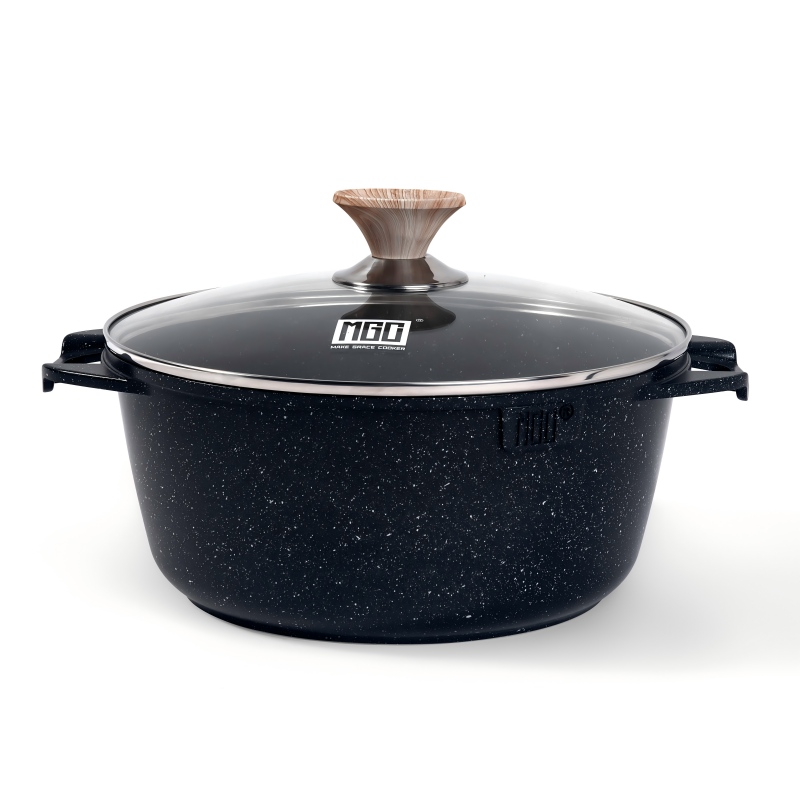
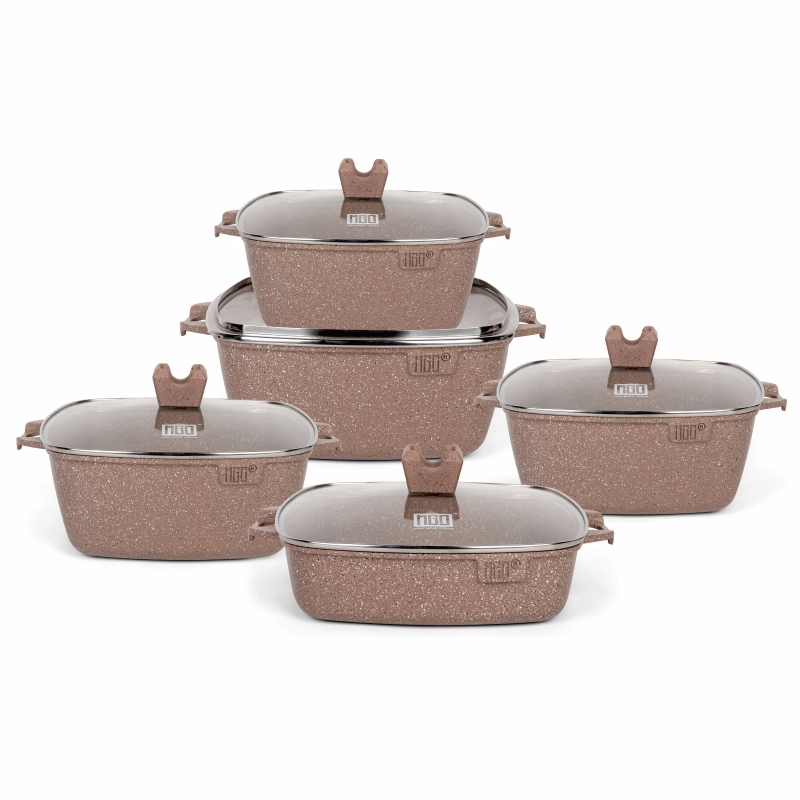
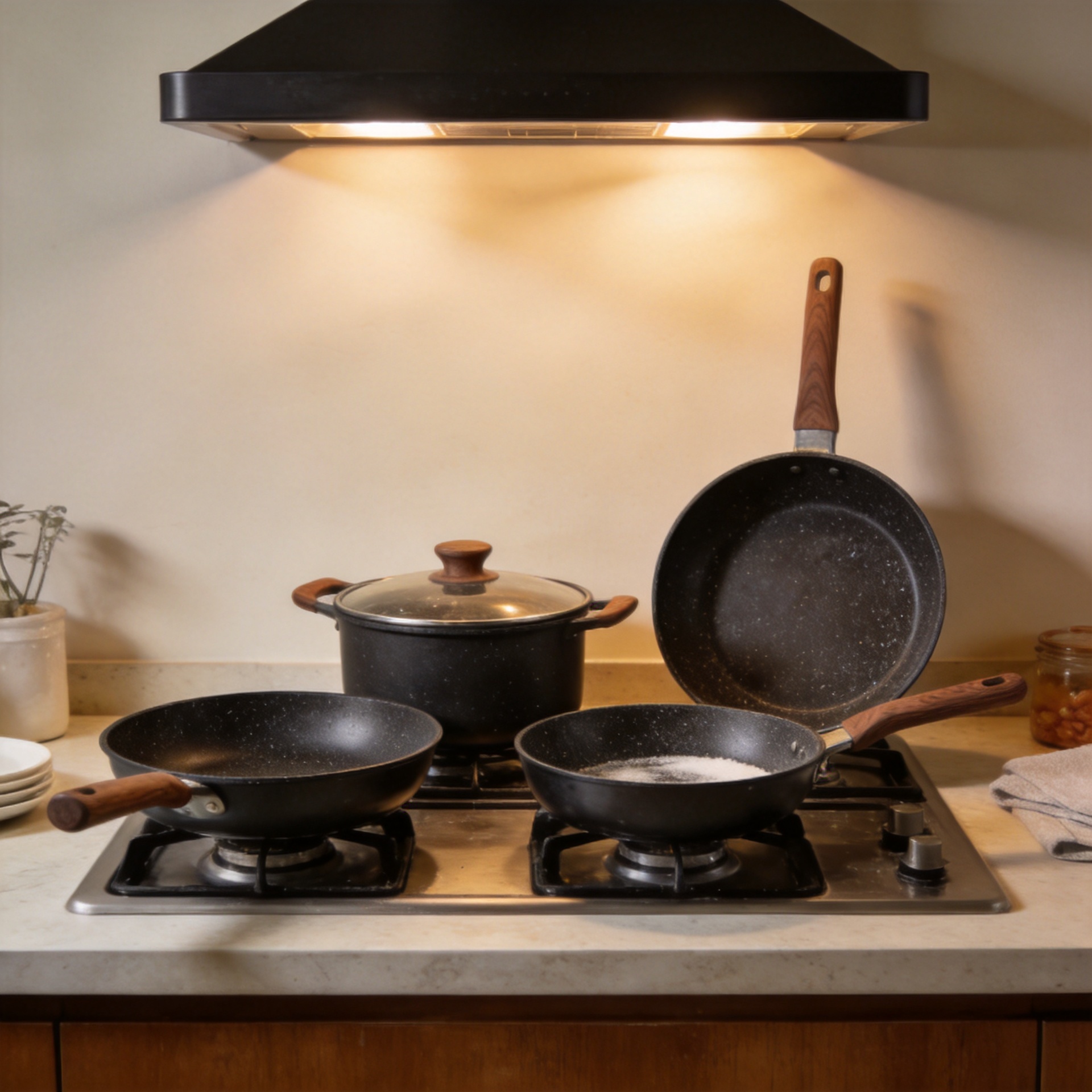
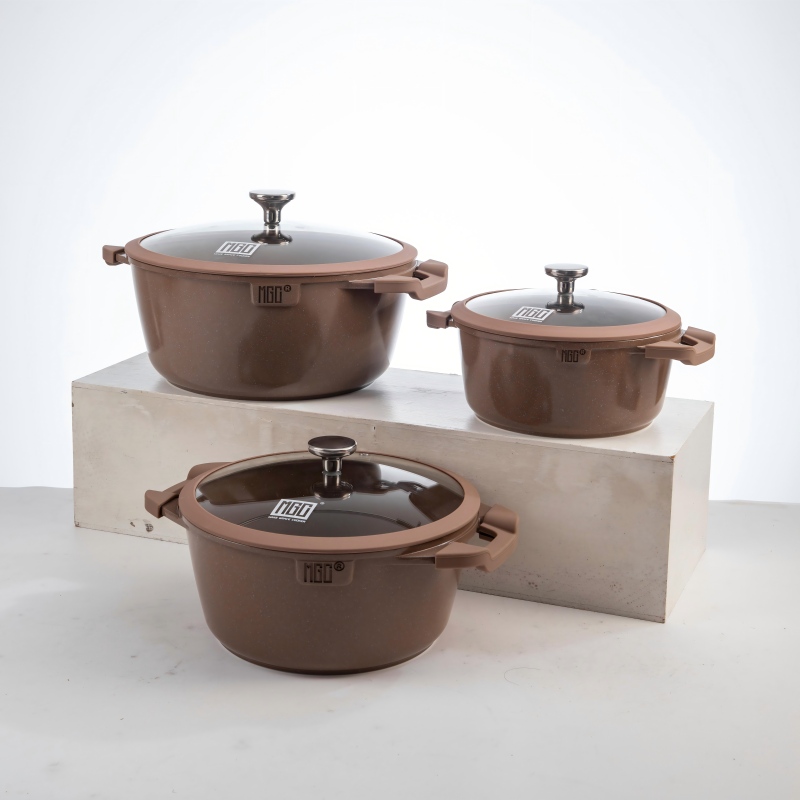
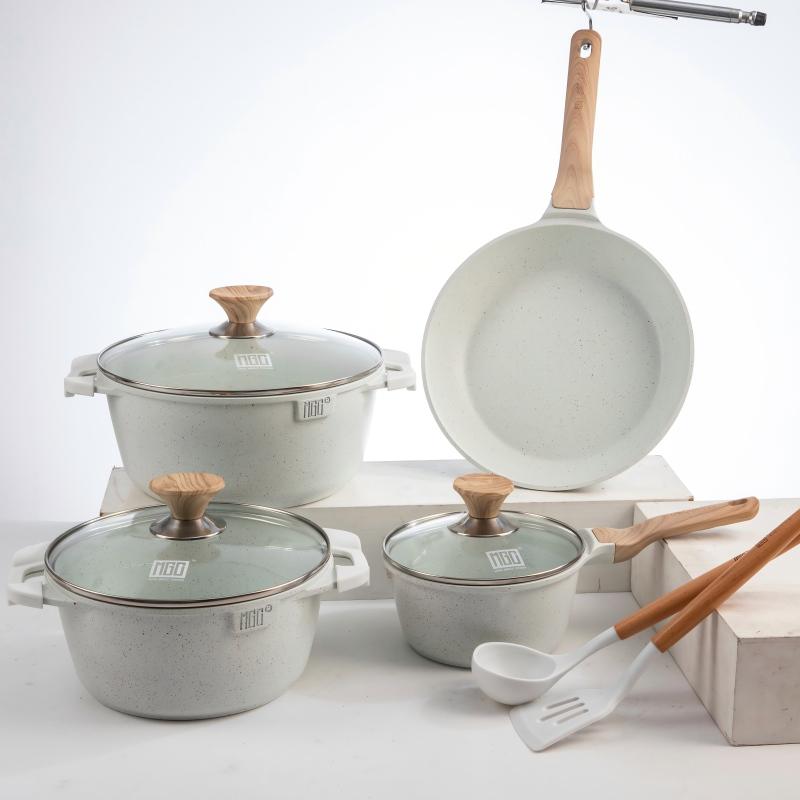
A ceramic cookware set combines versatile cooking performance, coordinated design, and convenient food release for modern kitchens. A typical 10-piece set may include frying pans, saucepans, stockpots, and lids, providing options for breakfast, family dinners, and meal preparation. Ceramic-coated cookware generally features a metal body with a ceramic-based coating, making the base material and coating quality important purchasing considerations. Buyers should compare heat distribution, handle comfort, cooktop compatibility, and cleaning requirements before selecting a set. For retailers and distributors, coordinated colors, practical piece combinations, and attractive packaging can strengthen product appeal. Clear material specifications and suitable care instructions also help consumers maintain cookware performance over time.
Get A Quote

Case Study

Everyday Family Kitchens

A ceramic cookware set helps households prepare different meals without purchasing each pot and pan separately. For example, a family of four might use a frying pan for eggs and vegetables, a saucepan for sauces, and a larger pot for pasta or soup. A carefully selected six-to-ten-piece collection can cover many everyday cooking tasks, although the ideal configuration depends on household habits. Buyers should assess pan diameters, pot capacities, storage space, and cooktop compatibility. Smooth ceramic-coated surfaces can support food release when properly maintained, while comfortable handles and well-fitting lids improve convenience. Following the manufacturer's temperature and cleaning guidance helps preserve the cooking surface.

Compact Apartments and Starter Homes

For apartment residents and first-time homeowners, a compact ceramic cookware set offers a practical way to establish a coordinated kitchen. A three-to-five-vessel selection may cover routine needs such as frying, boiling, simmering, and reheating. Choosing fewer, more versatile pieces can save cabinet space and avoid unnecessary purchases. Buyers should compare the cookware's dimensions, weight, stacking design, and lid storage options before ordering. Induction compatibility deserves particular attention because a ceramic coating alone does not make cookware suitable for induction cooking. Confirming the base construction and checking the manufacturer's specifications can help prevent compatibility problems. Neutral finishes and matching handles may also complement contemporary kitchen interiors.

Retail and Private Label Cookware Collections

Retailers and private label brands can position ceramic cookware sets as coordinated solutions for home cooking, seasonal promotions, and housewarming gifts. A collection might combine two frying pans, two saucepans, a stockpot, and matching lids, with the final assortment adjusted to the target market. Before placing a bulk order, buyers should confirm coating specifications, body materials, dimensions, packaging options, and quality-control procedures. Sample inspections can assess finish consistency, handle stability, lid fit, and cleaning performance. Businesses should also request applicable food-contact compliance documentation for their intended sales markets. Clear product specifications and agreed inspection criteria help suppliers and buyers align expectations before production.

Related products

A ceramic cookware set offers a coordinated solution for consumers seeking convenient cooking performance and contemporary kitchen design. Most ceramic-coated sets use a metal body, often aluminum, covered with a ceramic-based nonstick layer. The body material influences weight and heat distribution, while coating quality affects food release, cleaning, and service life. Buyers should distinguish ceramic-coated cookware from cookware made entirely of ceramic, as their construction and applications differ. When evaluating a set, consider the number of pieces, pan diameters, pot capacities, handle materials, lid design, and compatible cooktops. Induction use requires a suitable magnetic base, not simply a ceramic coating. Proper maintenance, including moderate heat and nonabrasive cleaning tools, can help protect the cooking surface. For international buyers, product development may involve customized colors, coordinated components, packaging, and private label branding. Before confirming bulk orders, request product samples, detailed specifications, and relevant food-contact compliance documentation. These checks help importers, distributors, and retailers assess product suitability and establish consistent quality expectations for their target markets.

Frequently Asked Questions

What Does a Ceramic Cookware Set Usually Include?

A ceramic cookware set may contain frying pans, saucepans, stockpots, and matching lids. Some collections include utensils or detachable handles. Check the actual number of cookware pieces, their dimensions, and capacities before purchasing, because advertised piece counts may include lids and accessories rather than separate cooking vessels.
Yes, a properly manufactured ceramic-coated cookware set can suit everyday meal preparation when used according to its instructions. Buyers should review coating specifications, recommended temperatures, and cleaning requirements. Avoid overheating empty pans, and use appropriate utensils to reduce surface damage. Performance and durability vary by construction and maintenance.
Some ceramic cookware sets support induction cooking, but others are designed for gas, electric, or glass-ceramic cooktops only. Induction requires a compatible magnetic base. Check the manufacturer's specifications before purchasing, especially when buying a complete set. Do not assume that the ceramic coating itself provides induction compatibility.
Allow cookware to cool before washing it with warm water, mild dish soap, and a soft sponge. Avoid abrasive pads and harsh cleaners that could damage the coating. Follow the manufacturer's instructions regarding dishwasher use. Appropriate cleaning and moderate cooking temperatures can help preserve food-release performance over time.
Importers should review product samples, coating specifications, body materials, dimensions, packaging, and quality-control procedures. Request relevant food-contact compliance documentation for the destination market. Confirm customization options, minimum order quantities, production lead times, and inspection requirements before approving production. Clear specifications help reduce misunderstandings and support consistent quality across bulk orders.

Related article

New Product Development

25

Aug

New Product Development

Struggling to sustain market relevance? Our proven 5-step new product development framework helps B2B teams launch winning solutions faster. Get the playbook now.
View More
How to Choose the Right Pan Size for Different Cooking Needs?

14

Sep

How to Choose the Right Pan Size for Different Cooking Needs?

Find the right pan size for your kitchen. Covers key criteria — from cooking portions to frying techniques — to help you choose smarter.
View More
Proper Cleaning Methods to Extend the Life of a Durable Non Stick Pan.

18

Sep

Proper Cleaning Methods to Extend the Life of a Durable Non Stick Pan.

Learn proper cleaning methods to extend your durable non stick pan's life. Right kitchen habits protect the coating and keep food releasing cleanly.
View More
How to Extend the Lifespan of Your Cookware Through Proper Use?

18

Sep

How to Extend the Lifespan of Your Cookware Through Proper Use?

Learn how to extend the lifespan of your cookware through proper use, smart cooking habits, cleaning methods, and everyday kitchen care tips.
View More

Customer Testimonials

Emily Carter

Illustrative buyer feedback: “Our six-piece ceramic cookware set covers breakfast, lunch, and dinner preparation. The coordinated pans save storage space, and following care instructions helps maintain the cooking surface.”

James Wilson

Illustrative buyer feedback: “We evaluated sample sets for finish consistency, handle comfort, and packaging. Reviewing specifications before ordering helped us select a practical assortment for our kitchenware collection.”

Get a Free Quote

Our representative will contact you soon.
Email
Mobile/WhatsApp
Name
Company Name
Message
0/1000
Versatile Sets for Everyday Meal Preparation

Versatile Sets for Everyday Meal Preparation

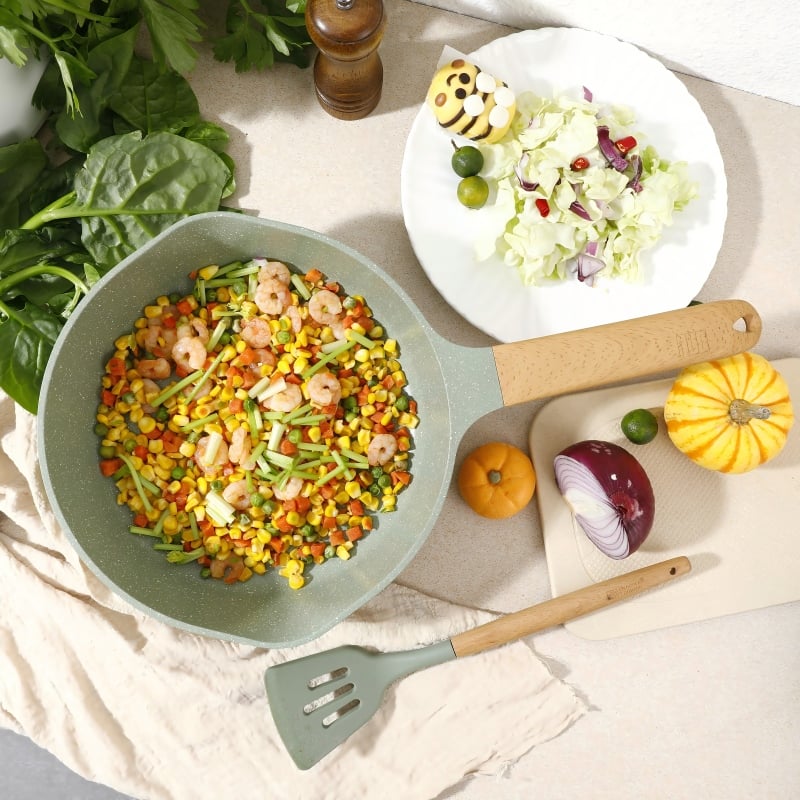
A well-designed ceramic cookware set supports multiple cooking tasks without requiring consumers to purchase every item individually. Frying pans accommodate eggs, pancakes, and sautéed vegetables, while saucepans and stockpots support sauces, grains, pasta, and soups. For a household preparing several meals each day, selecting complementary sizes can make cooking more organized and efficient. Buyers should consider family size, recipe preferences, cabinet space, and cooktop compatibility when comparing configurations. Ceramic-coated surfaces can offer convenient food release, but performance depends on construction and proper use. Clear care instructions, comfortable handles, and practical lid designs further improve everyday usability. Choosing pieces based on actual needs helps avoid unnecessary duplication.
Customization Opportunities for International Kitchenware Brands

Customization Opportunities for International Kitchenware Brands

Ceramic cookware sets offer opportunities for brands to develop coordinated collections for different consumer segments. Color combinations, exterior finishes, handle designs, lid styles, and packaging can help establish a consistent product identity. For example, a retailer might develop a compact starter set for apartment residents and a larger assortment for family kitchens. Wholesale buyers should verify which customization options a supplier can support and request samples before approving final specifications. Important considerations include coating composition, body material, dimensions, packaging durability, and applicable compliance documentation. Establishing agreed quality standards before production helps align expectations between suppliers, distributors, and retailers while supporting a consistent customer experience across product batches.