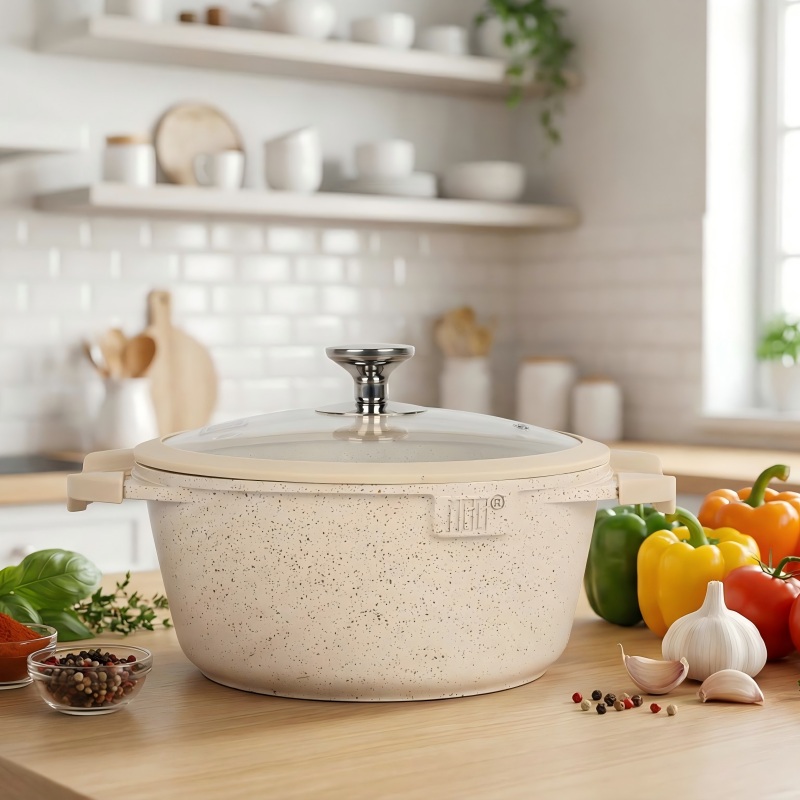
Best Non-Toxic Cookware: PFAS-Free Ceramic & Stainless Steel

Get up to 35% off + Free shipping Shop now

Call Us:+86-579-86903988

Customer Experiences with Best Non Toxic Cookware

Customer Experiences with Best Non Toxic Cookware

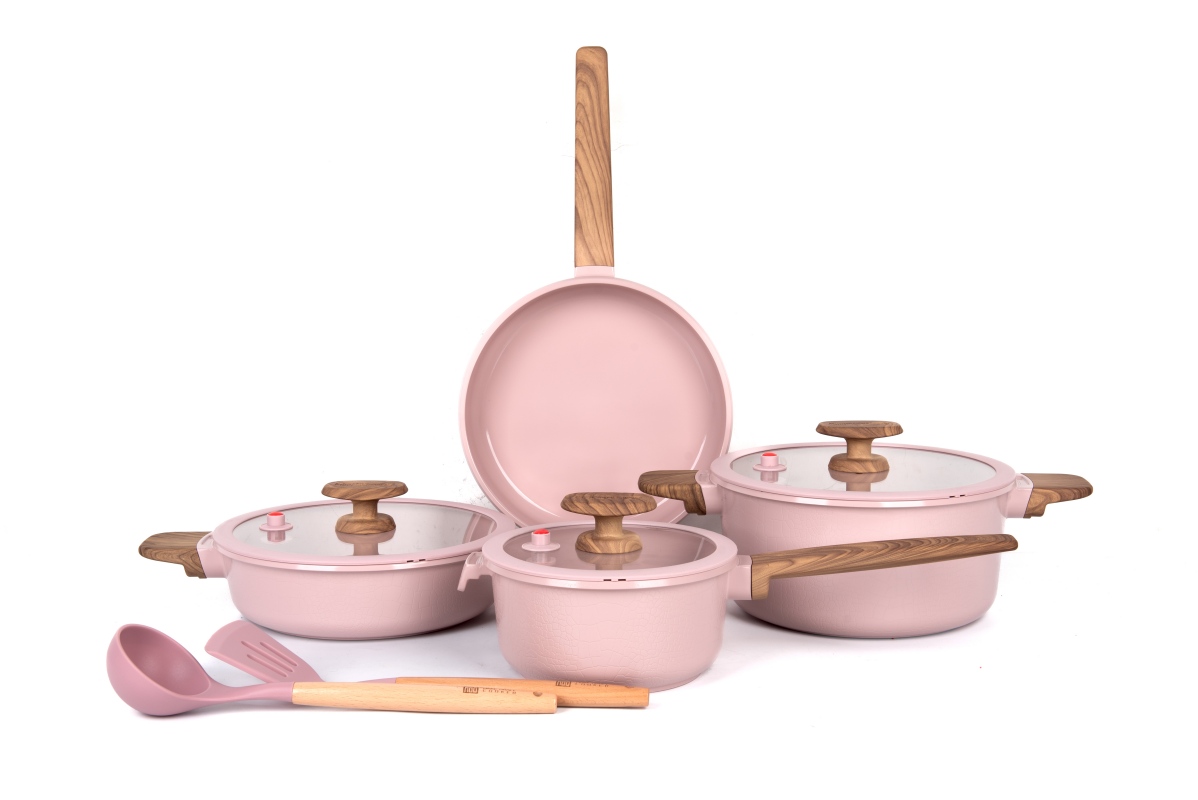
Choosing the best non toxic cookware begins with understanding materials, coatings, and everyday cooking requirements. Uncoated stainless steel, cast iron, and carbon steel are popular choices for people who prefer cookware without synthetic nonstick coatings. Ceramic-coated cookware offers another option for buyers seeking convenient food release, particularly when the coating is explicitly documented as PFAS-free. Each material serves different needs: stainless steel suits versatile daily cooking, cast iron retains heat for searing, and carbon steel performs well when properly seasoned. For example, a household preparing breakfast and dinner daily might combine a stainless steel saucepan with a ceramic-coated frying pan. Buyers should compare product specifications, maintenance requirements, cooktop compatibility, and relevant food-contact documentation rather than relying solely on broad safety claims.
Get A Quote

Case Study

Everyday Family Meal Preparation

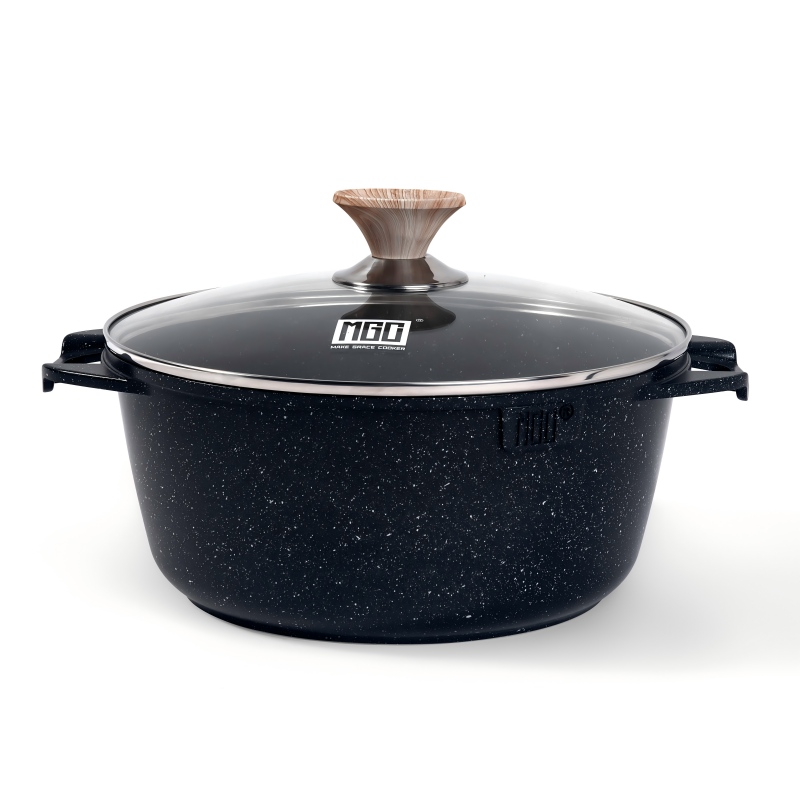
For households preparing meals throughout the week, stainless steel cookware offers a versatile foundation for everyday cooking. A medium saucepan can handle oatmeal and sauces, while a stockpot supports pasta, soups, and family-sized meals. A frying pan provides flexibility for vegetables, chicken, and other common recipes. Unlike coated nonstick pans, uncoated stainless steel has no applied nonstick layer to wear away, although cooking technique influences food release. Buyers should consider the cookware's construction, handle comfort, base thickness, and cooktop compatibility. People with nickel sensitivity may also need to review the alloy composition. Selecting a few durable, appropriately sized pieces can meet daily cooking needs without unnecessarily expanding the cookware collection.

High-Heat Cooking and Professional Kitchens

Cast iron and carbon steel are practical options for cooks who frequently sear meat, brown vegetables, or prepare meals at higher temperatures. Cast iron retains heat effectively, making it useful for steaks, oven dishes, and skillet meals. Carbon steel generally offers a lighter alternative with responsive heating after preheating. Both materials can develop a seasoned surface that improves food release, but they require appropriate maintenance. Thorough drying and seasoning help reduce rust, while prolonged cooking of acidic ingredients may affect the seasoning layer. For example, a restaurant kitchen might use carbon steel pans for fast searing and stainless steel pots for sauces. Buyers should match material properties to cooking techniques and care routines.

Retail and Private Label Cookware Collections

Retailers and private label brands can build cookware collections around material transparency and practical cooking performance. A product range might include stainless steel saucepans, cast iron skillets, and ceramic-coated frying pans for customers with different preferences. Before placing bulk orders, buyers should confirm base materials, coating composition, available dimensions, packaging specifications, and manufacturing quality controls. Sample inspections can assess finish consistency, handle stability, cooking performance, and cleaning requirements. Relevant food-contact compliance documents and independent test reports can provide additional evidence for evaluating products in the intended market. For example, a distributor preparing a three-material cookware collection can establish separate specifications for each product category. Clear requirements help suppliers and buyers maintain consistent expectations throughout production.

Related products

The best non toxic cookware depends on material composition, surface condition, cooking temperature, and intended use. Uncoated stainless steel is a versatile choice for everyday recipes, including soups, sauces, vegetables, and pasta. Cast iron provides excellent heat retention for searing, while carbon steel offers a lighter alternative for high-heat cooking. Both cast iron and carbon steel require seasoning and careful drying. Ceramic-coated cookware appeals to consumers seeking nonstick convenience without PFAS, provided the specific coating is appropriately documented. However, ceramic-coated cookware is different from cookware made entirely of ceramic. Coated surfaces can gradually lose performance, so proper heat control and nonabrasive cleaning matter. For international buyers, evaluating cookware involves more than comparing prices or appearance. Product specifications should identify the body material, coating composition, dimensions, compatible cooktops, and maintenance requirements. Relevant food-contact compliance documents and independent test reports can support purchasing decisions. Retailers and distributors may also assess packaging, customization options, sample quality, and production consistency before placing wholesale orders. A well-planned cookware collection combines materials suited to different recipes while providing clear product information. Prioritizing verified specifications over vague “non toxic” marketing claims helps businesses and consumers make more informed choices.

Frequently Asked Questions

What Is the Best Non Toxic Cookware Material?

Uncoated stainless steel, cast iron, and carbon steel are common choices for people who prefer cookware without synthetic nonstick coatings. Stainless steel offers versatility, while cast iron and carbon steel suit high-heat cooking. The best option depends on cooking habits, maintenance preferences, and any individual sensitivity to particular metals.
Ceramic-coated cookware can be an option for consumers seeking nonstick performance without PFAS when the coating composition is clearly documented. However, the term “ceramic” does not automatically establish every aspect of product safety. Review manufacturer disclosures, applicable food-contact documentation, and available independent testing before making a purchase.
Uncoated stainless steel avoids an applied nonstick coating and offers durable performance across many cooking tasks. Traditional PTFE-based nonstick cookware can be used according to its instructions, but overheating it can produce hazardous fumes. Buyers who want to avoid PFAS may prefer uncoated cookware or verified PFAS-free alternatives.
Look for explicit statements covering the relevant coating and request supporting material disclosures or independent laboratory reports when available. A PFOA-free claim alone does not establish that a product is free from all PFAS, because PFOA is only one chemical in this broader group. Verify specifications for the exact model.
Follow care instructions for the specific material. Wash stainless steel with suitable cleaners, dry cast iron and carbon steel thoroughly, and maintain seasoning where required. For ceramic-coated pans, avoid excessive heat and abrasive utensils. Inspect cookware periodically and stop using products with seriously damaged surfaces when the manufacturer advises replacement.

Related article

New Product Development

25

Aug

New Product Development

Struggling to sustain market relevance? Our proven 5-step new product development framework helps B2B teams launch winning solutions faster. Get the playbook now.
View More
Why Do Reliable Cookware Suppliers Matter for Product Success?

14

Sep

Why Do Reliable Cookware Suppliers Matter for Product Success?

A reliable cookware supplier shapes your product quality, supply chain, and sourcing outcomes. Discover what sets a dependable kitchenware supplier apart.
View More
How to Choose the Right Pan Size for Different Cooking Needs?

14

Sep

How to Choose the Right Pan Size for Different Cooking Needs?

Find the right pan size for your kitchen. Covers key criteria — from cooking portions to frying techniques — to help you choose smarter.
View More
How to Extend the Lifespan of Your Cookware Through Proper Use?

18

Sep

How to Extend the Lifespan of Your Cookware Through Proper Use?

Learn how to extend the lifespan of your cookware through proper use, smart cooking habits, cleaning methods, and everyday kitchen care tips.
View More

Customer Testimonials

Emily Carter

Illustrative customer feedback: “Switching to uncoated stainless steel for everyday meals simplified my cookware choices. I appreciate its durability, versatile performance, and straightforward cleaning after preparing family dinners several times a week.”

James Wilson

Illustrative customer feedback: “I compared ceramic-coated and stainless steel cookware before updating my kitchen. Clear material specifications and care instructions helped me choose products suited to daily cooking and long-term use.”

Get a Free Quote

Our representative will contact you soon.
Email
Mobile/WhatsApp
Name
Company Name
Message
0/1000
Versatile Materials for Everyday Cooking

Versatile Materials for Everyday Cooking

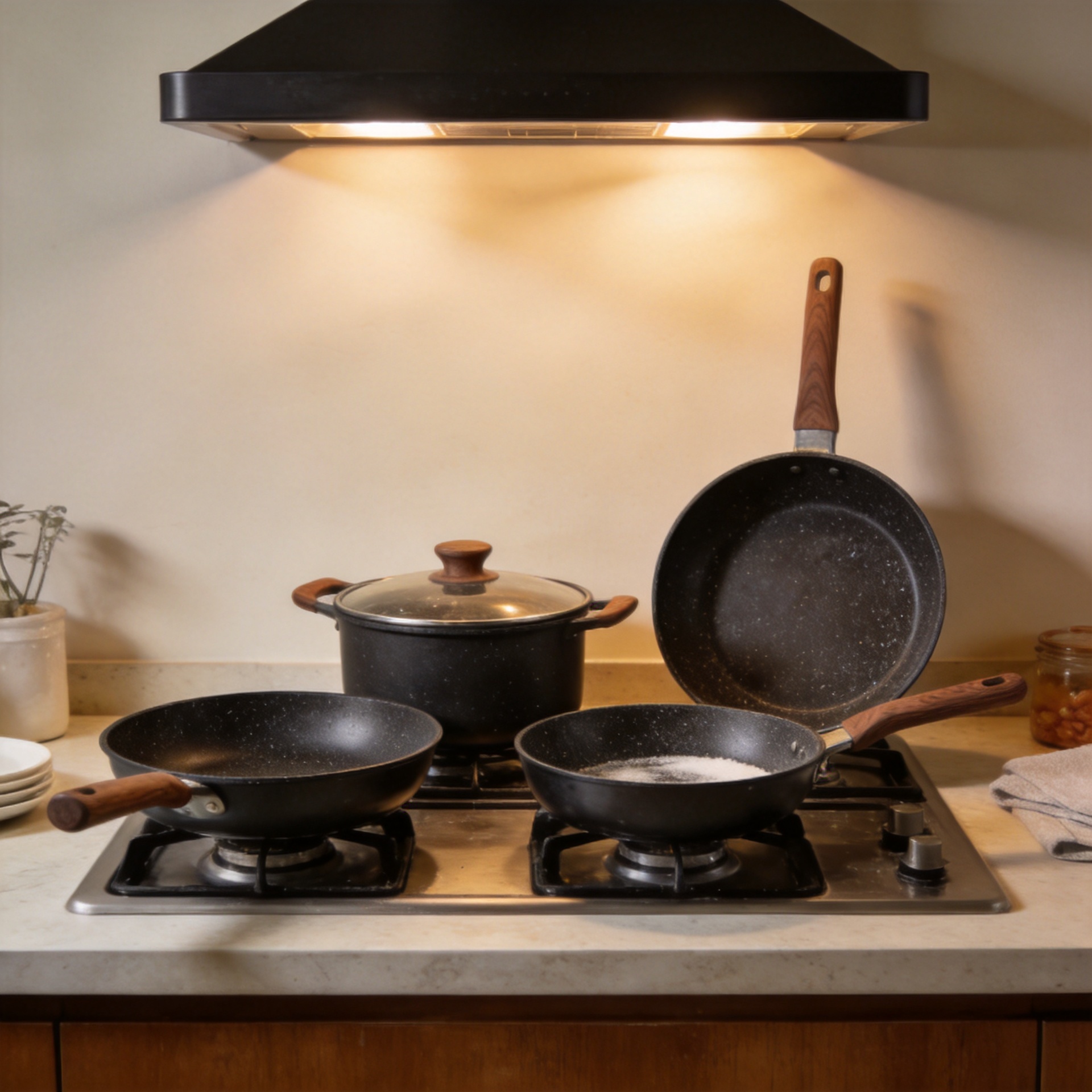
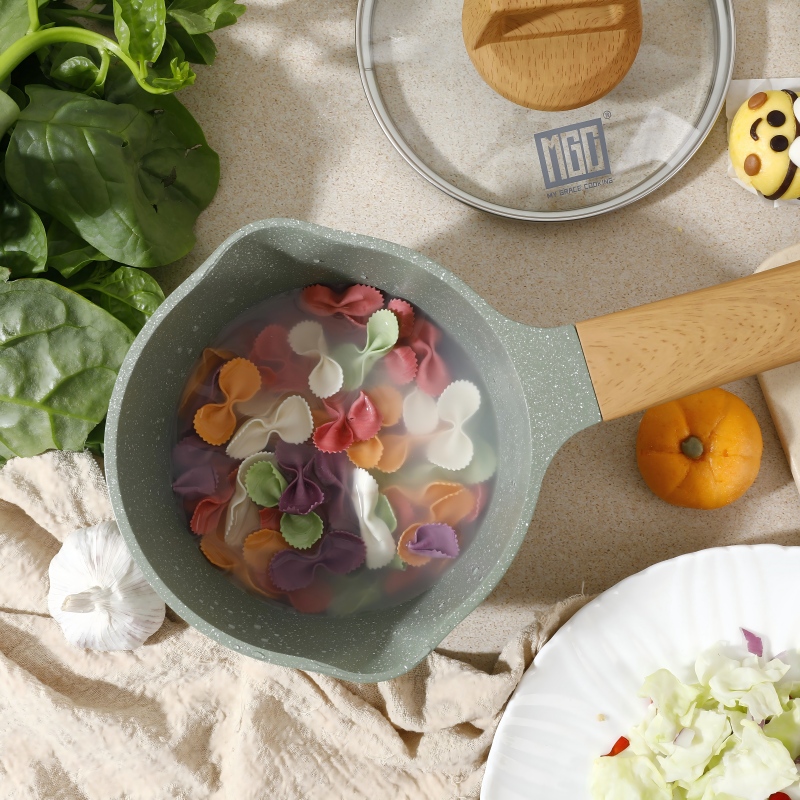
Selecting cookware by material helps consumers build a kitchen suited to different recipes and cooking methods. Stainless steel works well for boiling, simmering, and preparing sauces, while cast iron supports heat-intensive dishes and carbon steel provides flexibility for searing. Ceramic-coated pans offer convenient food release for delicate ingredients when their coating specifications meet the buyer's requirements. A practical starter collection might include one frying pan, one saucepan, and one stockpot, with additional pieces added according to household size. Buyers should compare dimensions, handle design, cooktop compatibility, and care requirements before purchasing. Matching the cookware to actual cooking habits can reduce unnecessary spending while supporting convenient and consistent meal preparation.
Transparent Specifications for Informed Purchasing

Transparent Specifications for Informed Purchasing

Reliable cookware selection starts with clear information about materials, coatings, and product performance. Consumers should distinguish uncoated metal cookware from ceramic-coated products and verify any PFAS-free claims through manufacturer disclosures and available test documentation. Retailers and distributors can request detailed specifications covering body materials, coating composition, dimensions, heat limits, and cleaning instructions. For example, a buyer evaluating several cookware ranges can use a consistent checklist to compare construction, packaging, and applicable food-contact documentation. This approach makes product differences easier to understand and supports more responsible purchasing decisions. Clear descriptions also help businesses communicate product features accurately without depending on unsupported claims about health or absolute safety.