EN


New Product Development
Struggling to sustain market relevance? Our proven 5-step new product development framework helps B2B teams launch winning solutions faster. Get the playbook now.
View More
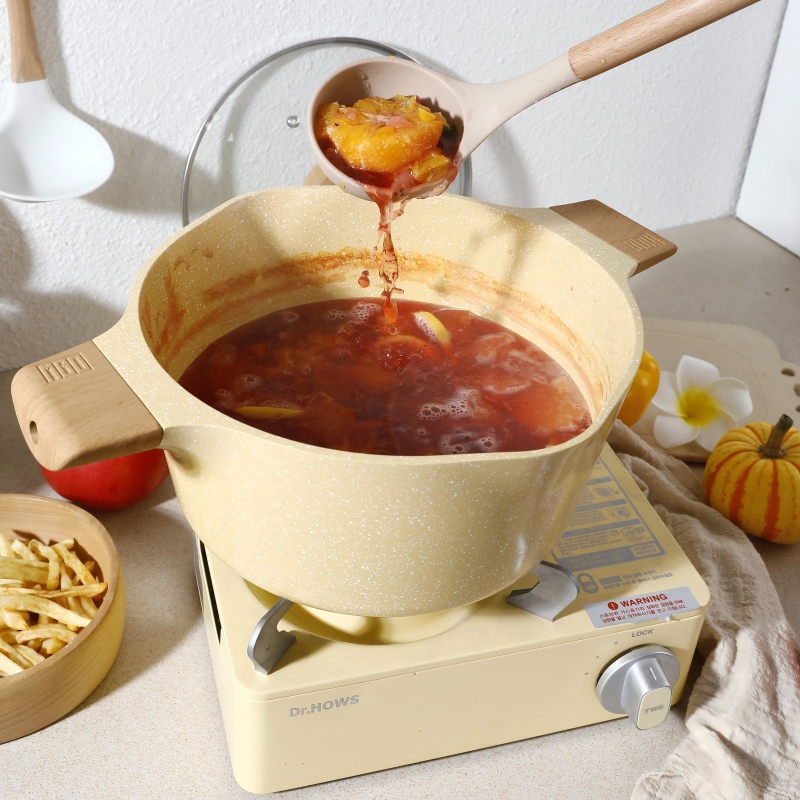
The best non toxic cookware depends on material composition, surface condition, cooking temperature, and intended use. Uncoated stainless steel is a versatile choice for everyday recipes, including soups, sauces, vegetables, and pasta. Cast iron provides excellent heat retention for searing, while carbon steel offers a lighter alternative for high-heat cooking. Both cast iron and carbon steel require seasoning and careful drying. Ceramic-coated cookware appeals to consumers seeking nonstick convenience without PFAS, provided the specific coating is appropriately documented. However, ceramic-coated cookware is different from cookware made entirely of ceramic. Coated surfaces can gradually lose performance, so proper heat control and nonabrasive cleaning matter. For international buyers, evaluating cookware involves more than comparing prices or appearance. Product specifications should identify the body material, coating composition, dimensions, compatible cooktops, and maintenance requirements. Relevant food-contact compliance documents and independent test reports can support purchasing decisions. Retailers and distributors may also assess packaging, customization options, sample quality, and production consistency before placing wholesale orders. A well-planned cookware collection combines materials suited to different recipes while providing clear product information. Prioritizing verified specifications over vague “non toxic” marketing claims helps businesses and consumers make more informed choices.

25
Aug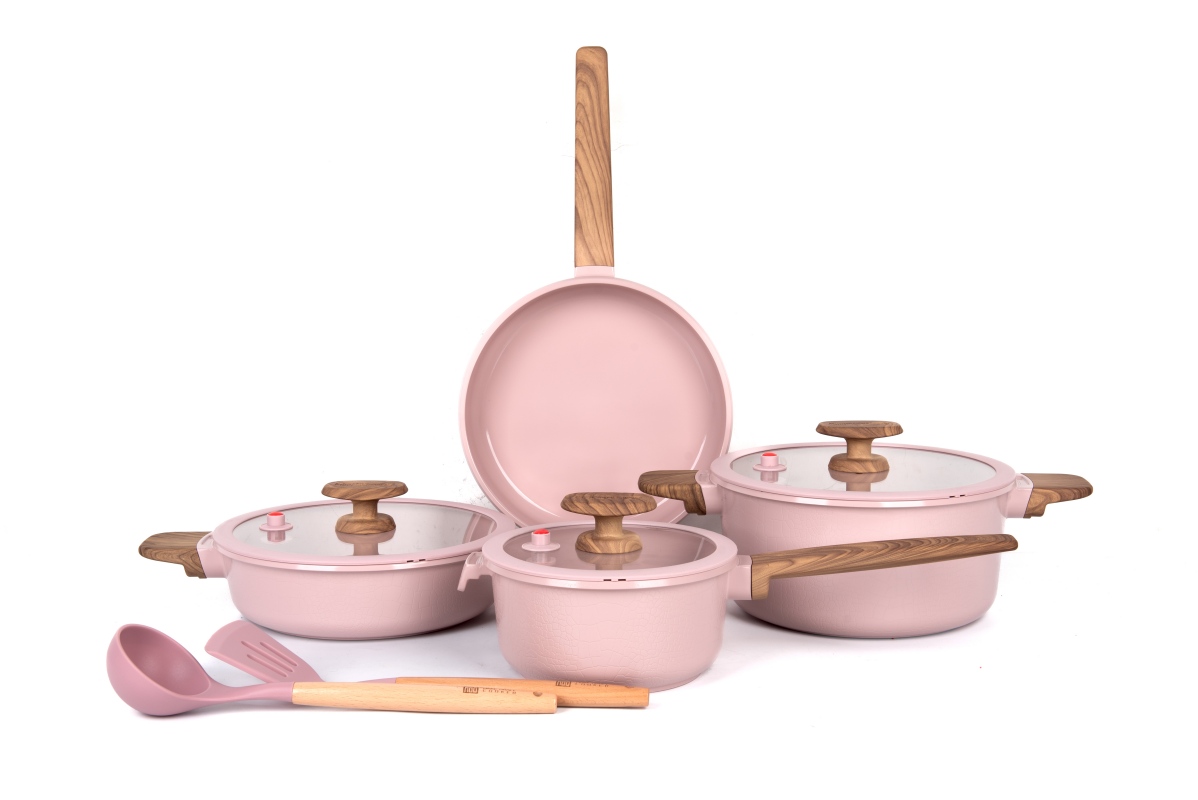
14
Sep
14
Sep
18
Sep