Top Die Cast Cookware Manufacturer | Aluminum Die-Cast Solutions

Get up to 35% off + Free shipping Shop now

Call Us:+86-579-86903988

Feedback on Die Cast Cookware Sourcing

Feedback on Die Cast Cookware Sourcing

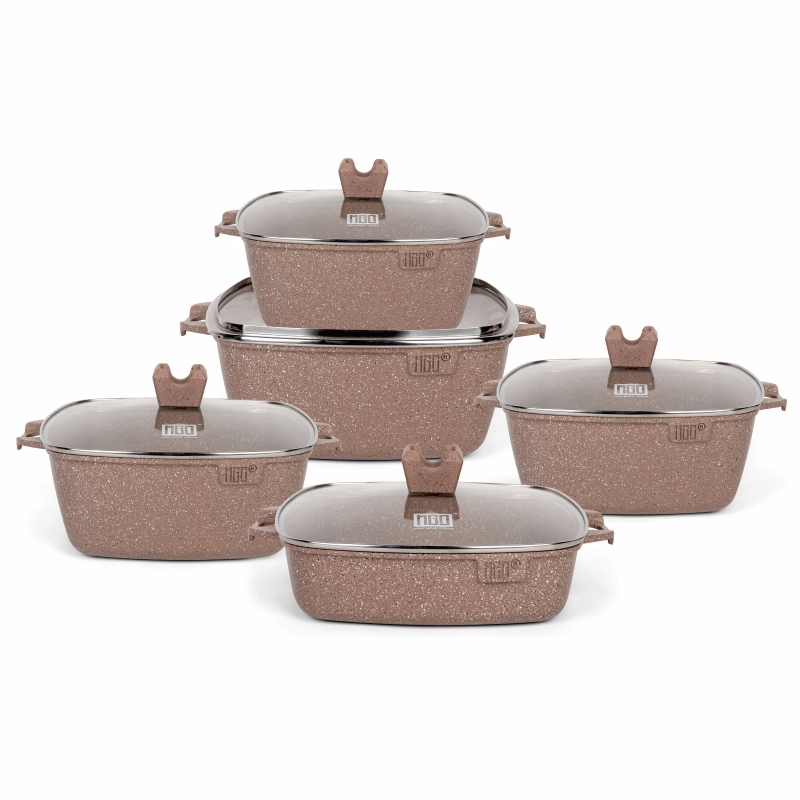
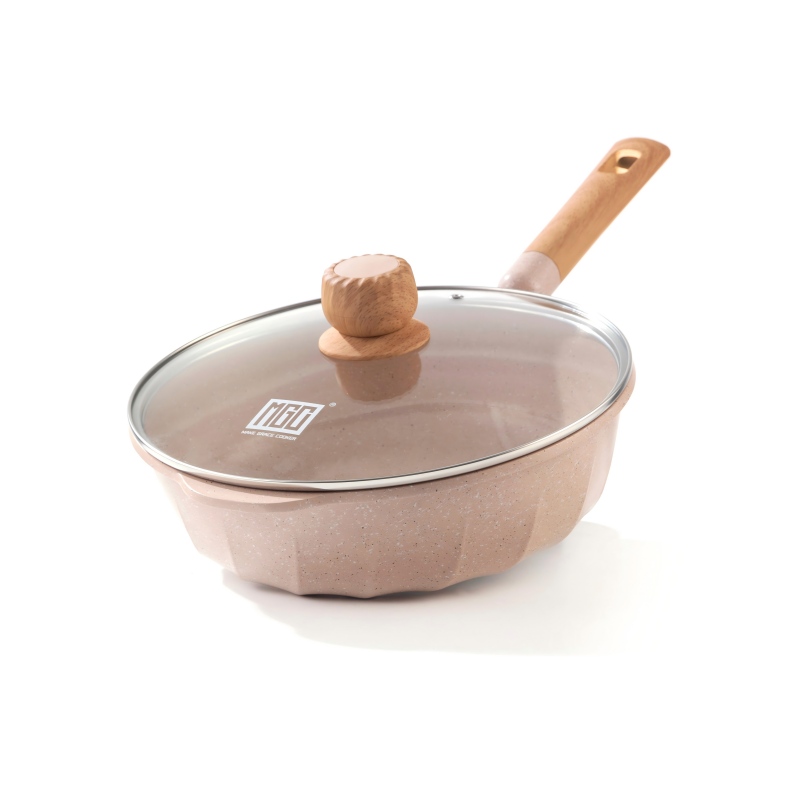
Choosing a capable die cast cookware manufacturer helps retailers, wholesalers, and kitchenware brands develop products that match their market needs. Die cast cookware is valued for its sturdy construction, practical handling, and versatile designs for everyday cooking. MGCCookware offers business buyers a starting point for discussing cookware styles, dimensions, finishes, and branding requirements. For example, a retailer preparing a coordinated cookware collection may need frying pans in several sizes with matching exterior colors and packaging. Confirming these specifications early can improve purchasing clarity and simplify product planning. Buyers should also evaluate sample quality, coating requirements, quality inspection procedures, and delivery arrangements before confirming an order. A structured sourcing process helps businesses reduce specification misunderstandings and build a more consistent cookware offering for their customers.
Get A Quote

Case Study

Coordinated Cookware Collections for Retail Brands

Retail brands often need cookware that combines practical cooking functions with a consistent appearance across different product sizes. A planned collection might include frying pans, saucepans, and matching lids in coordinated finishes. Working with a die cast cookware manufacturer allows buyers to discuss dimensions, handle designs, coating options, and packaging before finalizing the range. For a seasonal product launch, confirming samples and specifications in advance can help the purchasing team coordinate product photography, catalog preparation, and inventory planning. The result is a more organized collection strategy that supports recognizable shelf presentation and gives customers clear options for different cooking needs.

Wholesale Cookware Selection for Distributors

Kitchenware distributors serve customers with different budgets, cooking habits, and product preferences. A wholesale assortment may therefore require several cookware styles, sizes, and finishes rather than a single standard design. Buyers can work with a manufacturer to compare available specifications and select products suited to their target channels. For example, a distributor supplying independent kitchenware stores may prioritize versatile frying pans and easy to merchandise cookware sets. Reviewing samples, packaging dimensions, order quantities, and delivery schedules helps purchasing teams assess the practical fit of each item. This approach supports more informed buying decisions and a product mix aligned with local demand.

Private Label Cookware for E Commerce Sellers

E commerce sellers need cookware that stands out visually while meeting the functional expectations of online shoppers. Private label projects may involve selecting product sizes, exterior colors, handle styles, logo placement, and retail packaging. A seller preparing a new cookware listing can confirm specifications with the manufacturer before investing in photography, product descriptions, and promotional campaigns. Sample review is particularly useful for checking appearance, workmanship, and packaging presentation before bulk ordering. Clear communication about customization limits, minimum order quantities, and production timing helps prevent avoidable changes late in the project. A well planned product launch can strengthen brand consistency across online listings and related kitchenware products.

Related products

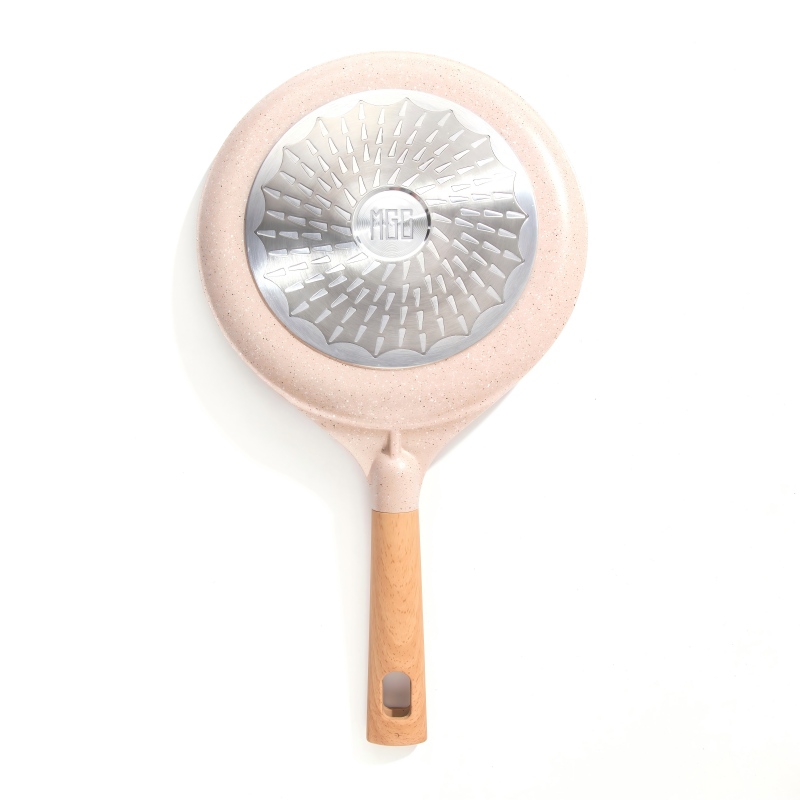
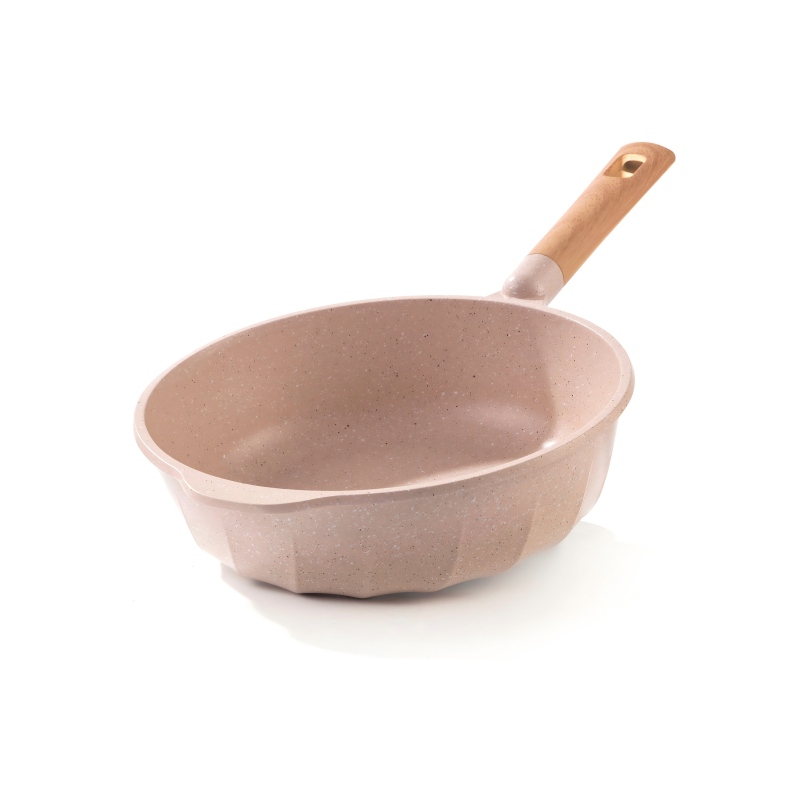
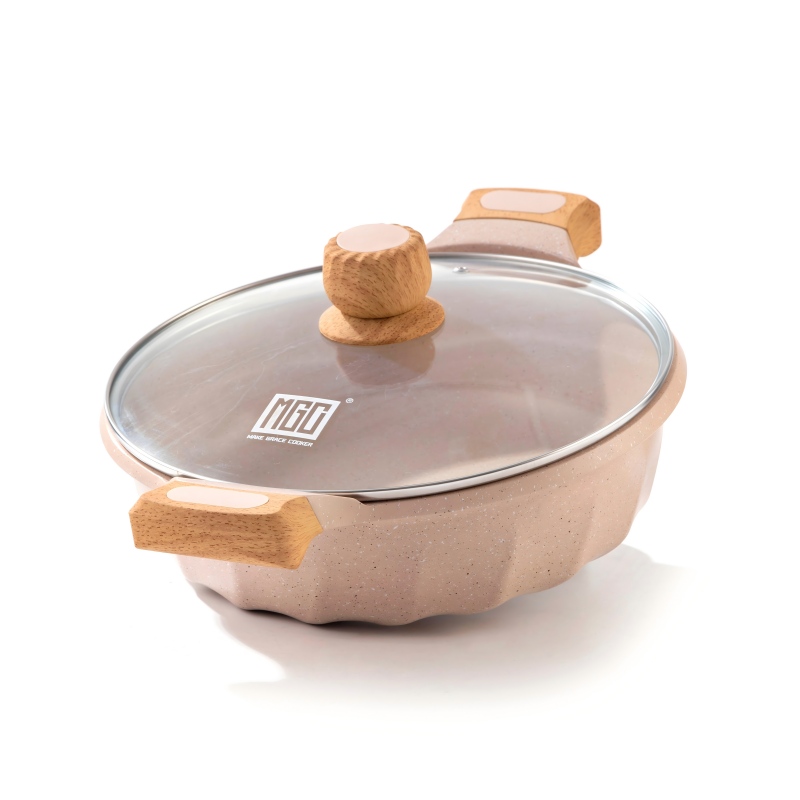
Die cast cookware is produced by forming molten or prepared metal within a shaped mold, creating a body designed for repeatable dimensions and a consistent product profile. Depending on the specific construction, cookware may feature nonstick coatings, ergonomic handles, glass lids, or bases designed for compatible cooking surfaces. Buyers should verify the material composition, coating specifications, and stovetop compatibility for each model rather than assuming all die cast products perform identically. MGCCookware supports business customers exploring cookware options for retail, wholesale, and private label programs. A purchasing team developing a new range can compare pan sizes, finishes, packaging, and branding requirements before confirming its specifications. For example, a collection intended for apartment kitchens may prioritize compact frying pans and versatile everyday cookware. Before placing a bulk order, buyers should review samples, agree on inspection criteria, and confirm order quantities and lead times. These steps help align product selection with customer expectations and procurement goals.

Frequently Asked Questions

What should buyers check when choosing a die cast cookware manufacturer?

Buyers should evaluate construction quality, coating options, available designs, customization capabilities, sample procedures, and quality inspection standards. It is also important to confirm minimum order quantities, packaging requirements, lead times, and destination market compliance. These details help determine whether a manufacturer can support the intended product range and purchasing schedule.
Customization may include product dimensions, colors, handle designs, coatings, logo placement, and packaging, depending on the manufacturer's available options. Buyers should provide clear specifications and request samples when possible. Confirming customization scope before production helps control expectations, avoid unnecessary revisions, and prepare products for the intended retail or distribution channel.
Die cast cookware can serve wholesale markets because buyers can select different shapes, sizes, finishes, and product combinations for diverse customer groups. Distributors should compare product specifications, target price positioning, local cooking preferences, and applicable requirements. A carefully selected assortment can help retailers address multiple customer needs without sacrificing consistency.
Provide the cookware type, dimensions, preferred material and coating, handle and lid requirements, estimated quantity, destination market, branding details, and packaging preferences. Reference images or technical specifications can further clarify expectations. Complete information helps the manufacturer assess feasibility, identify suitable options, and prepare a quotation that reflects the intended order.
Request samples where available and inspect surface finish, handle attachment, lid fit, dimensions, and overall workmanship. Confirm relevant food contact requirements and request applicable compliance documentation for the destination market. Establishing written specifications and agreed inspection criteria before mass production helps reduce misunderstandings and supports more consistent purchasing decisions.

Related article

New Product Development

25

Aug

New Product Development

Struggling to sustain market relevance? Our proven 5-step new product development framework helps B2B teams launch winning solutions faster. Get the playbook now.
View More
New Market Promotion

25

Aug

New Market Promotion

Struggling to demonstrate product value? Face-to-face customer engagement drives 3.2x higher conversion in B2B markets. Discover proven field promotion tactics now.
View More
How to Choose the Right Cookware Set Material for Better Cooking Results?

14

Sep

How to Choose the Right Cookware Set Material for Better Cooking Results?

Discover how to choose the right cookware set material — aluminum, stainless steel, or non-stick — to match your cooking style and improve results.
View More
Proper Cleaning Methods to Extend the Life of a Durable Non Stick Pan.

18

Sep

Proper Cleaning Methods to Extend the Life of a Durable Non Stick Pan.

Learn proper cleaning methods to extend your durable non stick pan's life. Right kitchen habits protect the coating and keep food releasing cleanly.
View More

Customer Testimonials

James Miller

The cookware range helped us plan a coordinated retail collection with multiple pan sizes, consistent finishes, and clearer product specifications for our seasonal kitchenware launch.

Emily Carter

Customization discussions helped our team compare colors, handle styles, and packaging requirements, making it easier to prepare a private label cookware proposal for distribution.

Get a Free Quote

Our representative will contact you soon.
Email
Mobile/WhatsApp
Name
Company Name
Message
0/1000
Flexible Product Range Planning

Flexible Product Range Planning

Develop a cookware assortment around the needs of your target customers by comparing available pan shapes, sizes, colors, finishes, and complementary products. For example, a retailer serving small households may prioritize compact frying pans, while a broader kitchenware store may prefer coordinated sets with multiple cooking options. Discussing the intended assortment with your manufacturer helps clarify which specifications are available and which combinations are practical for the project. Review sample appearance and product dimensions before confirming the final selection. This planning process helps purchasing teams organize product listings, prepare packaging information, and maintain a consistent presentation across the cookware range.
Private Label Branding and Packaging

Private Label Branding and Packaging

Private label cookware projects require more than choosing a product design. Buyers also need to consider logo placement, packaging dimensions, color consistency, product descriptions, and the presentation expected by their customers. MGCCookware can be approached to discuss the options available for a specific project, allowing buyers to clarify customization requirements before making purchasing decisions. For example, an online kitchenware brand may need coordinated packaging and consistent product photography across three pan sizes. Confirming specifications and reviewing samples before bulk production helps teams prepare marketing materials more accurately. A clear branding plan can strengthen product recognition and support a more professional retail presentation.
Structured B2B Sourcing Support

Structured B2B Sourcing Support

Efficient cookware sourcing starts with clear requirements and realistic purchasing plans. Buyers should define the intended market, product specifications, estimated order quantity, packaging needs, quality expectations, and preferred delivery schedule before requesting a quotation. A distributor preparing for a seasonal sales period, for example, can use a specification checklist to coordinate product selection, sample review, and inventory planning. MGCCookware customers can discuss project requirements to determine which available options may fit their business objectives. Confirming inspection criteria and production details in advance helps reduce avoidable communication gaps. This structured approach supports better procurement decisions and a more predictable workflow from product selection to order preparation.