Is Aluminum Cookware Safe? B2B Safety Guide & Compliance Tips

Get up to 35% off + Free shipping Shop now

Call Us:+86-579-86903988

Discover the Safety and Everyday Benefits of Aluminum Cookware

Discover the Safety and Everyday Benefits of Aluminum Cookware

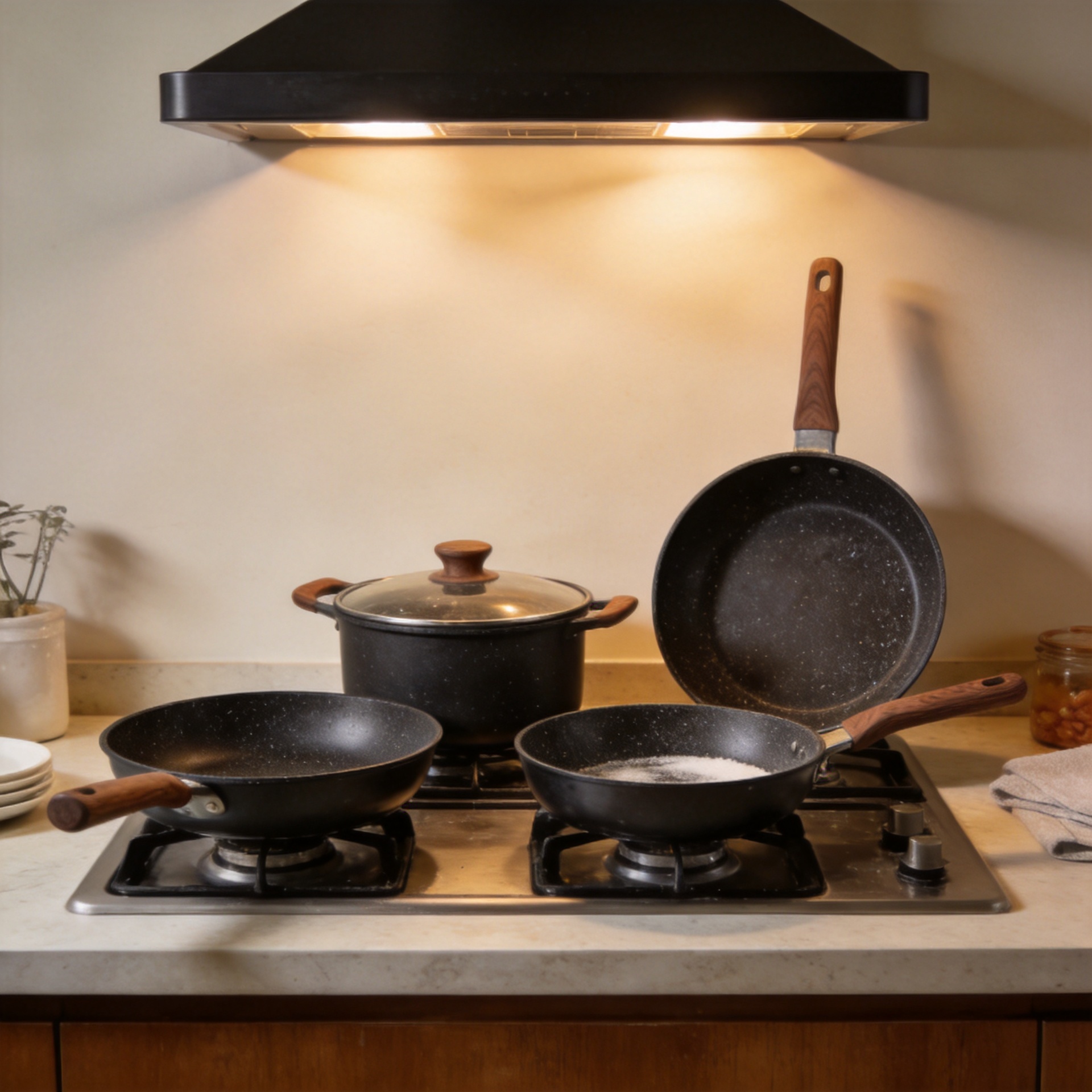
Aluminum cookware is generally considered safe for everyday cooking when used appropriately, although suitability depends on the cookware's construction, surface treatment, and intended application. Aluminum conducts heat efficiently, helping distribute warmth across frying pans, saucepans, and stockpots for preparing vegetables, soups, grains, and everyday meals. However, uncoated aluminum can react with acidic or alkaline ingredients, potentially affecting food flavor and increasing aluminum transfer into food. Anodized aluminum and suitable coated cookware can help reduce direct contact with the underlying metal. For households, restaurants, and kitchenware distributors, selecting products with appropriate food-contact documentation and clear care instructions supports informed purchasing and responsible everyday use.
Get A Quote

Case Study

Aluminum Cookware for Everyday Household Meals

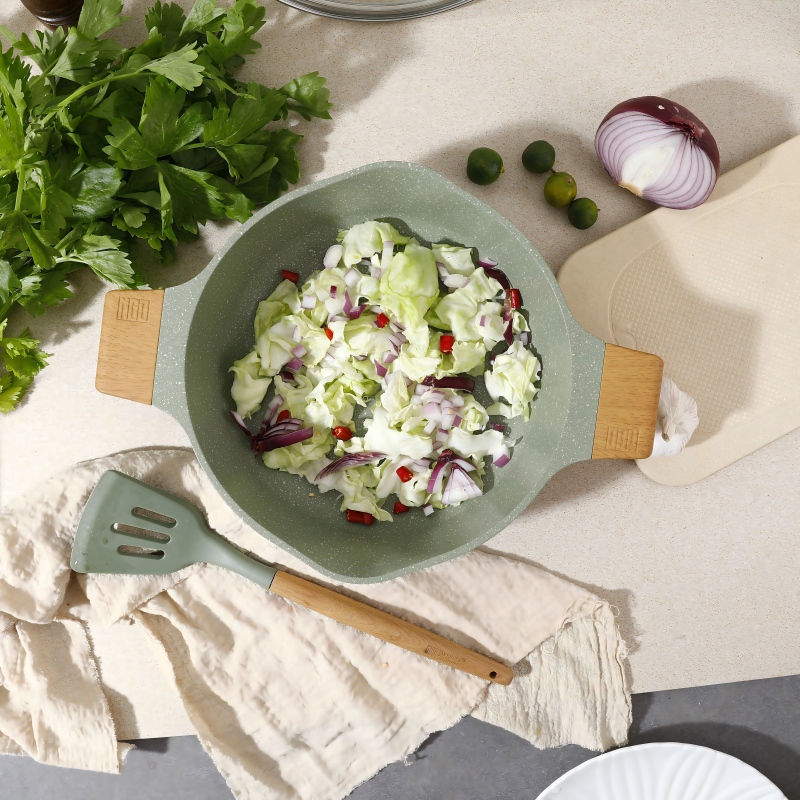
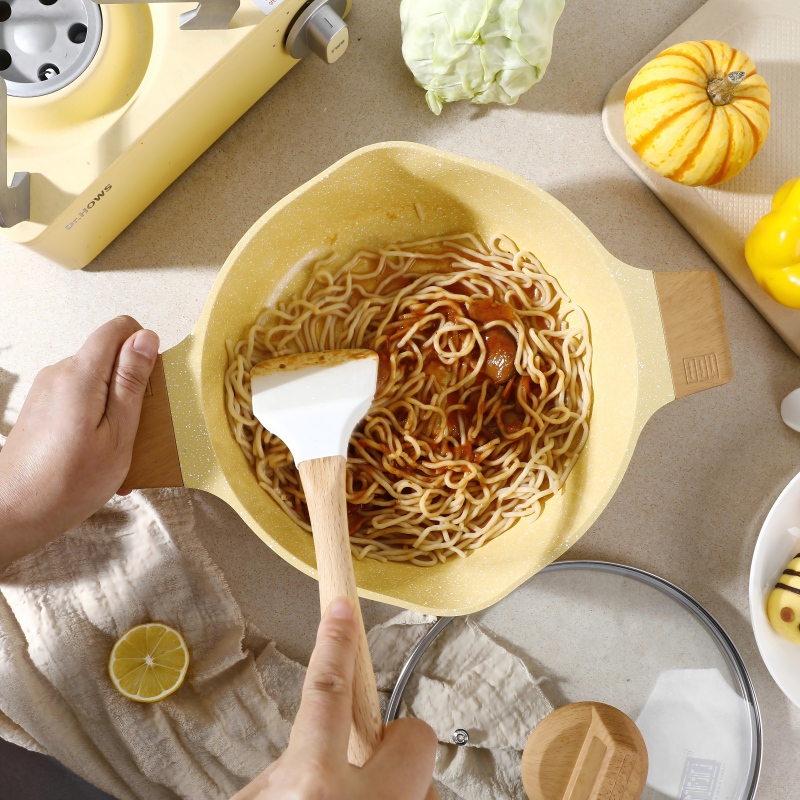
Households often choose aluminum cookware because it is lightweight, heats efficiently, and suits a wide range of daily cooking tasks. Frying eggs, sautéing vegetables, and boiling water are common applications for appropriately designed aluminum pans. For example, a family preparing quick weekday dinners may appreciate a lightweight saucepan that responds efficiently to temperature adjustments. Uncoated aluminum requires additional care when cooking acidic foods such as tomato sauces or citrus-based dishes, because these ingredients can react with the metal. Buyers should compare surface treatments, construction quality, and cleaning recommendations before choosing products. Clear product instructions help consumers use aluminum cookware appropriately and maintain its performance.

Foodservice Aluminum Cookware for Commercial Kitchens

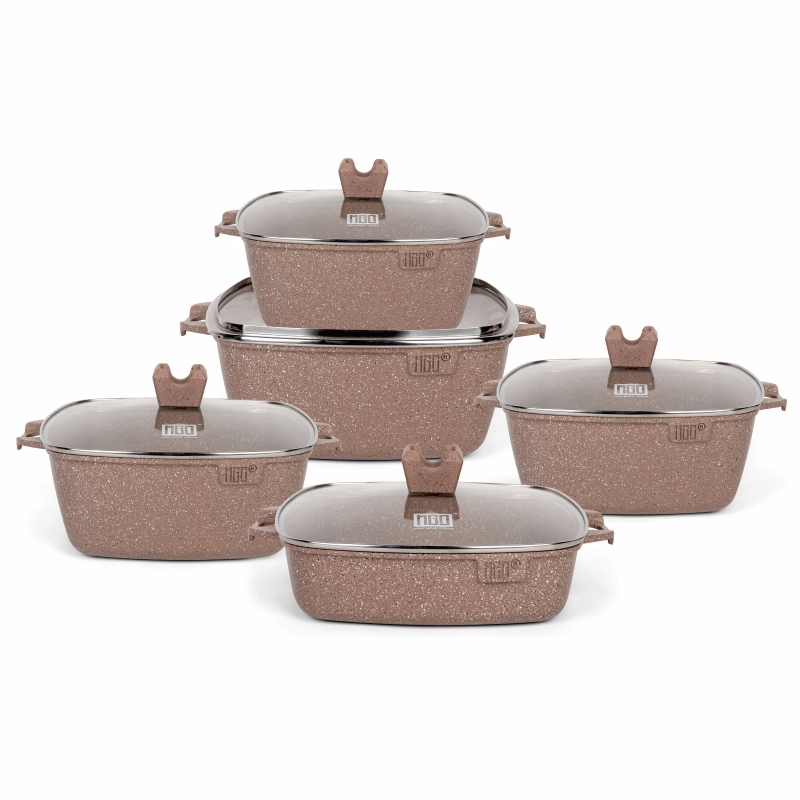
Restaurants and catering operations need cookware that supports frequent handling, efficient heating, and practical cleaning routines. Aluminum saucepans and frying pans can be useful for preparing vegetables, sauces, and other dishes during busy service periods. For example, a catering supplier may evaluate several pan capacities to accommodate different preparation volumes and kitchen layouts. Commercial buyers should consider body thickness, handle attachment, surface treatment, and compatibility with their cooking equipment. They should also review applicable food-contact requirements and manufacturer care instructions. Selecting cookware according to actual operating conditions helps foodservice businesses balance usability, product longevity, and appropriate food-contact performance without relying on broad safety claims.

Aluminum Cookware for Wholesale and Private Label Brands

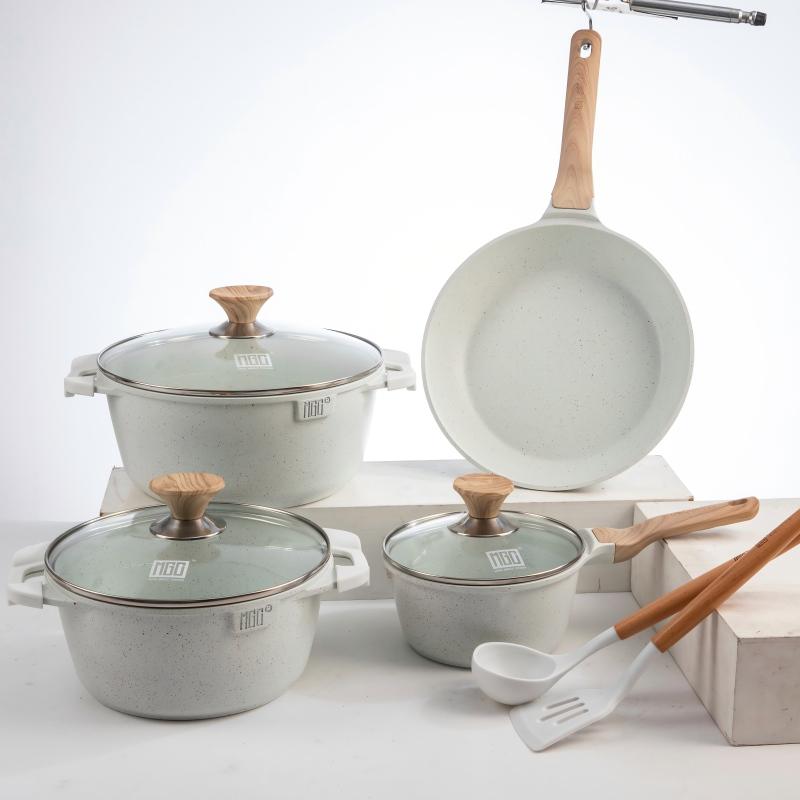
Wholesale distributors and private label brands often seek aluminum cookware that combines practical performance with flexible product design. Available options may include different pan diameters, body thicknesses, exterior finishes, handles, and surface treatments, depending on manufacturing capabilities. For example, a retailer developing a starter cookware collection could compare coated frying pans and saucepans in complementary sizes to serve different household needs. Buyers should verify material specifications, coating composition, food-contact compliance documentation, and recommended temperature limits before approving production. They should also establish inspection requirements for surface consistency and handle security. A structured sourcing process helps brands evaluate products accurately and communicate appropriate usage guidance to customers.

Related products

Aluminum cookware is widely used in household kitchens and commercial food preparation because aluminum combines efficient heat transfer with relatively low weight. These characteristics make it practical for frying pans, saucepans, stockpots, and other cookware products. Nevertheless, safety depends on the complete product design, surface treatment, manufacturing quality, and intended cooking conditions. Uncoated aluminum can react with acidic or alkaline foods, potentially affecting flavor and increasing the amount of aluminum transferred into food. Anodized aluminum has a treated surface designed to improve durability and reduce reactivity, while suitable nonstick coatings provide another option for limiting direct contact with the underlying metal. Buyers should evaluate each product according to its documented specifications rather than assuming every aluminum pan performs identically. MG Cookware provides a starting point for businesses exploring cookware manufacturing and sourcing requirements. Depending on available capabilities, buyers can discuss pan dimensions, body construction, handle designs, surface finishes, coating options, and private label requirements. For example, a kitchenware distributor may prioritize lightweight cookware for everyday household use, while a commercial buyer may focus on construction durability and cleaning procedures. Before placing an order, businesses should request relevant food-contact compliance documentation, confirm applicable temperature limitations, and review quality-control requirements. Clear specifications and appropriate product care guidance help support responsible sourcing and informed consumer decisions.

Frequently Asked Questions

Is Aluminum Cookware Safe for Everyday Cooking?

Generally, yes. Aluminum cookware can be used safely for many everyday cooking tasks when manufactured appropriately and used according to the manufacturer's instructions. Uncoated aluminum may react with acidic foods, so anodized or suitably coated alternatives can be useful for recipes involving tomatoes, citrus, or vinegar.
Some aluminum can transfer into food during cooking, particularly when uncoated cookware is used with acidic ingredients. The amount varies with food composition, cooking time, temperature, and surface condition. Following product instructions and choosing suitable surface treatments can help reduce unnecessary exposure.
Anodized aluminum has an electrochemically treated surface that improves durability and reduces the metal's reactivity. It can be a practical option for everyday cooking, provided the product is appropriately manufactured and maintained. Buyers should follow the manufacturer's instructions and verify relevant product documentation.
Uncoated aluminum may react with acidic ingredients such as tomatoes, potentially affecting flavor and increasing aluminum transfer. For frequent tomato-based cooking, consider anodized aluminum, stainless steel, or cookware with a suitable intact coating. Always follow the manufacturer's recommendations for food compatibility and cleaning.
Review the material specifications, surface treatment, coating details, food-contact compliance documentation, and recommended cooking temperatures. Wholesale buyers should also evaluate construction quality, handle attachment, quality-control procedures, and packaging requirements. Requesting samples and verifying documentation helps ensure that products match intended applications and market requirements.

Related article

New National Agency Established

28

Jul

New National Agency Established

Just launched: exclusive national agency in Kazakhstan with Almaty wholesale center. Streamline distribution, cut logistics costs, and scale market access. Request partnership details now.
View More
New Product Development

25

Aug

New Product Development

Struggling to sustain market relevance? Our proven 5-step new product development framework helps B2B teams launch winning solutions faster. Get the playbook now.
View More
Proper Cleaning Methods to Extend the Life of a Durable Non Stick Pan.

18

Sep

Proper Cleaning Methods to Extend the Life of a Durable Non Stick Pan.

Learn proper cleaning methods to extend your durable non stick pan's life. Right kitchen habits protect the coating and keep food releasing cleanly.
View More
How to Extend the Lifespan of Your Cookware Through Proper Use?

18

Sep

How to Extend the Lifespan of Your Cookware Through Proper Use?

Learn how to extend the lifespan of your cookware through proper use, smart cooking habits, cleaning methods, and everyday kitchen care tips.
View More

Get a Free Quote

Our representative will contact you soon.
Email
Mobile/WhatsApp
Name
Company Name
Message
0/1000
Efficient Heat Transfer for Everyday Kitchen Tasks

Efficient Heat Transfer for Everyday Kitchen Tasks

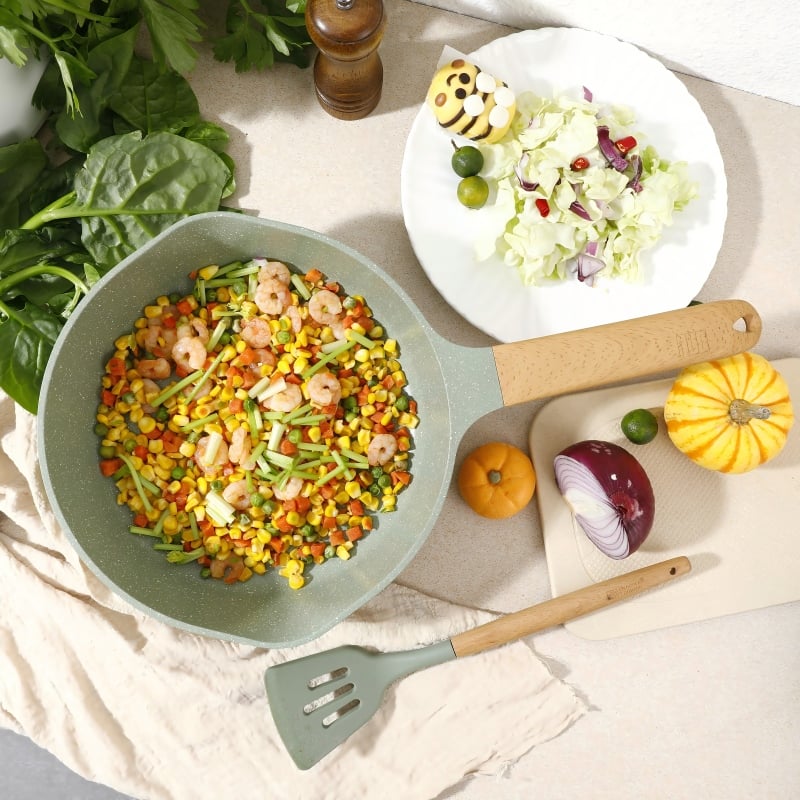
Aluminum cookware is valued for its ability to transfer heat efficiently, making it useful for preparing vegetables, grains, soups, and many everyday meals. Its relatively low weight also supports convenient handling in household kitchens and professional foodservice environments. For example, a home cook preparing a quick vegetable sauté can benefit from a pan that responds efficiently to changes in burner temperature. However, overall performance depends on the aluminum alloy, material thickness, base construction, and cooking equipment. Buyers should assess these specifications alongside surface treatment and maintenance requirements. Matching cookware design to the intended application helps businesses select practical products while providing customers with accurate usage guidance.
Surface Treatments for Different Cooking Requirements

Surface Treatments for Different Cooking Requirements

Aluminum cookware is available with different surface treatments that influence its reactivity, maintenance, and cooking performance. Uncoated aluminum may react with acidic foods, while anodized surfaces are designed to improve durability and reduce reactivity. Suitable nonstick coatings offer additional food-release benefits but require compliance with the manufacturer's temperature and care instructions. For example, a retailer developing a cookware assortment could compare anodized saucepans for general cooking with coated frying pans for eggs and delicate foods. MG Cookware can be contacted to discuss available products and manufacturing specifications. Buyers should confirm coating details, food-contact documentation, and quality-control requirements before selecting products for commercial distribution.