Discover the Safety and Everyday Benefits of Aluminum Cookware
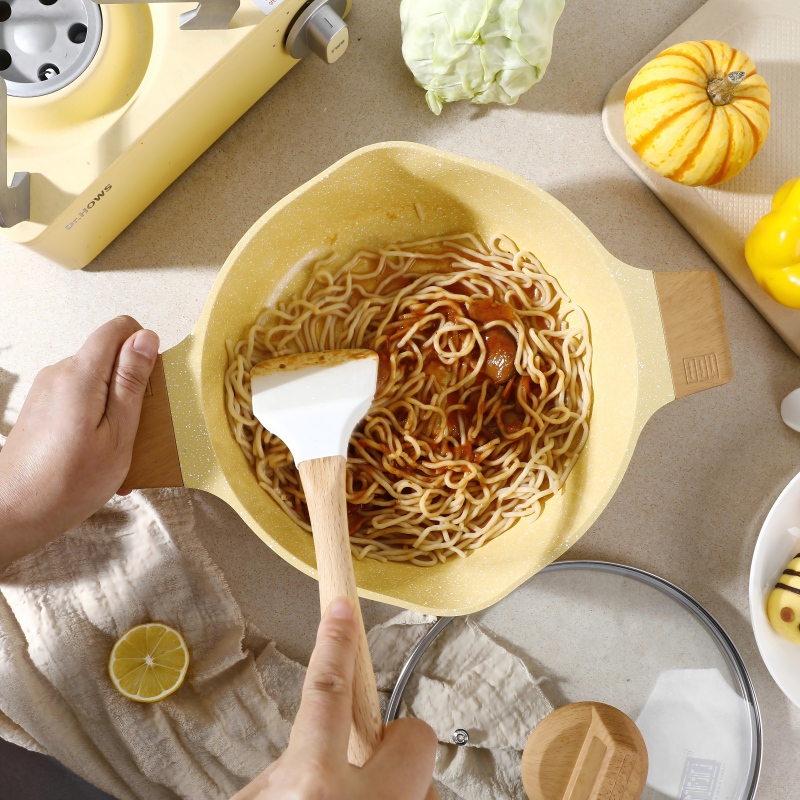
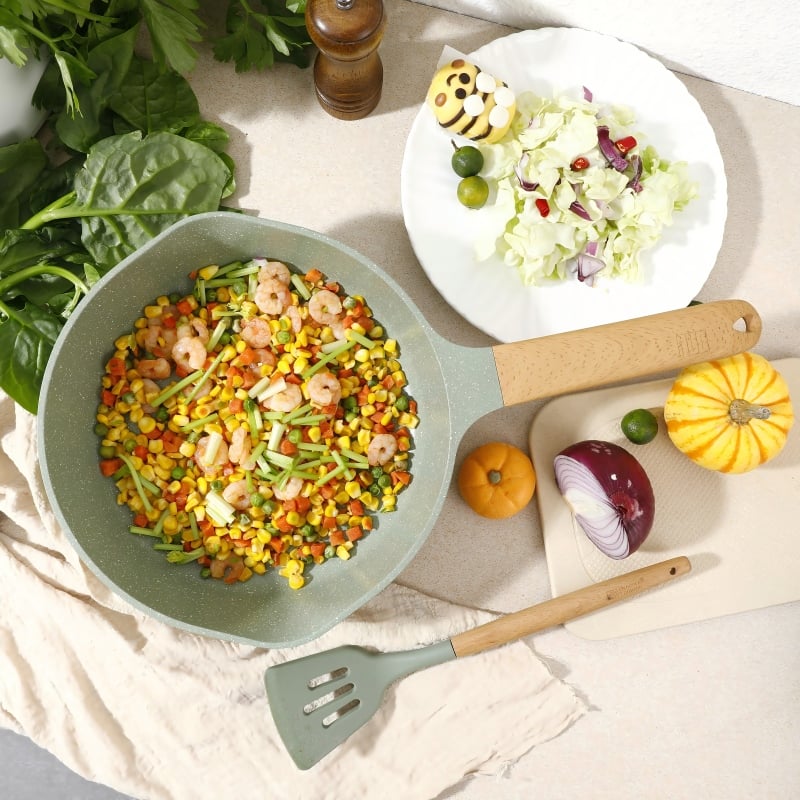
Aluminum cookware is generally considered safe for everyday cooking when used appropriately, although suitability depends on the cookware's construction, surface treatment, and intended application. Aluminum conducts heat efficiently, helping distribute warmth across frying pans, saucepans, and stockpots for preparing vegetables, soups, grains, and everyday meals. However, uncoated aluminum can react with acidic or alkaline ingredients, potentially affecting food flavor and increasing aluminum transfer into food. Anodized aluminum and suitable coated cookware can help reduce direct contact with the underlying metal. For households, restaurants, and kitchenware distributors, selecting products with appropriate food-contact documentation and clear care instructions supports informed purchasing and responsible everyday use.
Get A Quote

 EN