Is Ceramic Cookware Safe? B2B Safety Guide & Compliance Tips

Get up to 35% off + Free shipping Shop now

Call Us:+86-579-86903988

Understanding the Safety Benefits of Ceramic Cookware

Understanding the Safety Benefits of Ceramic Cookware

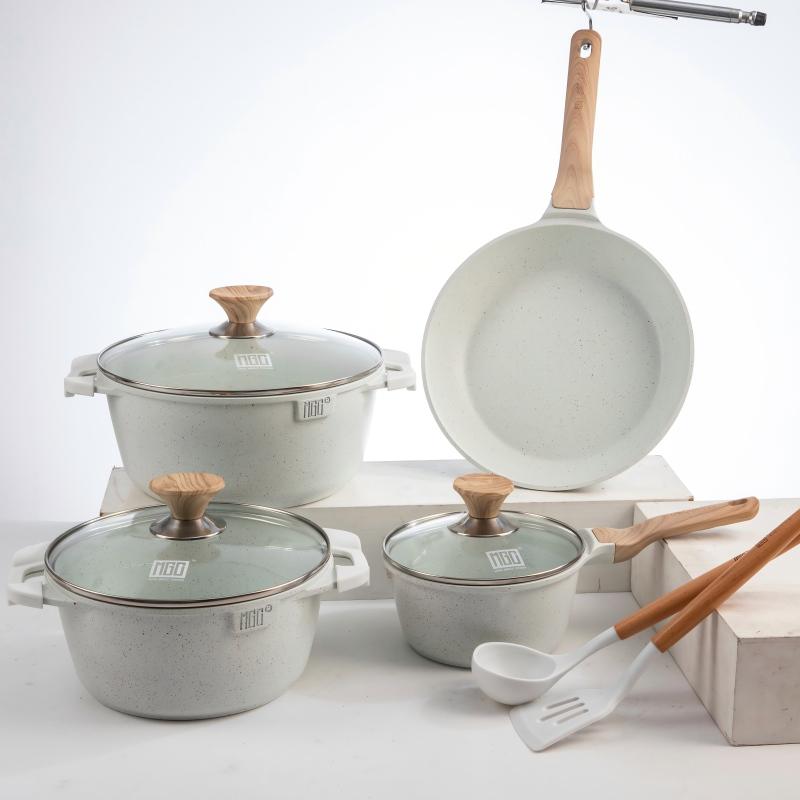
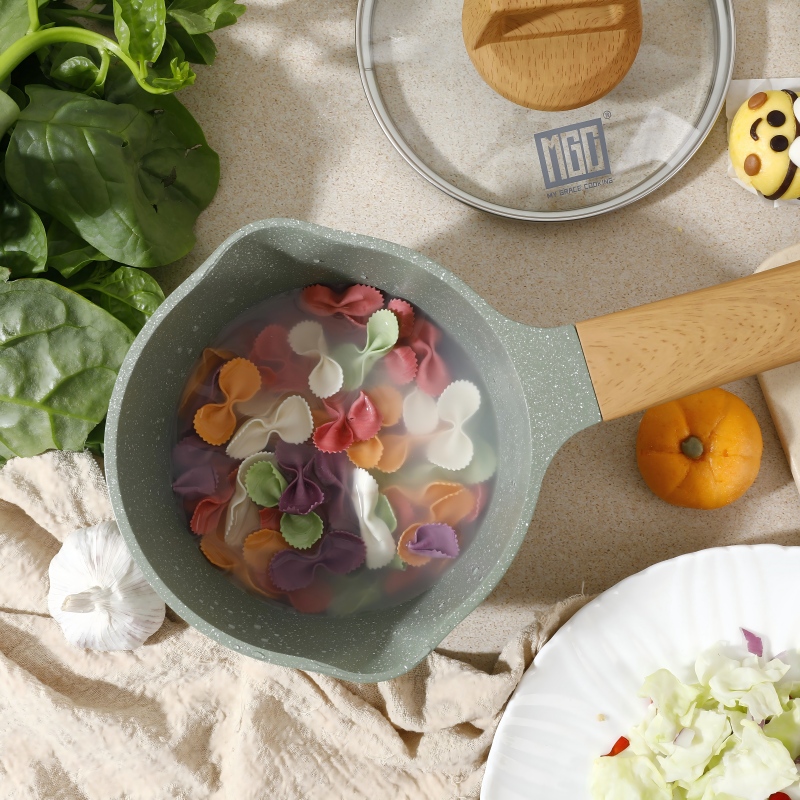
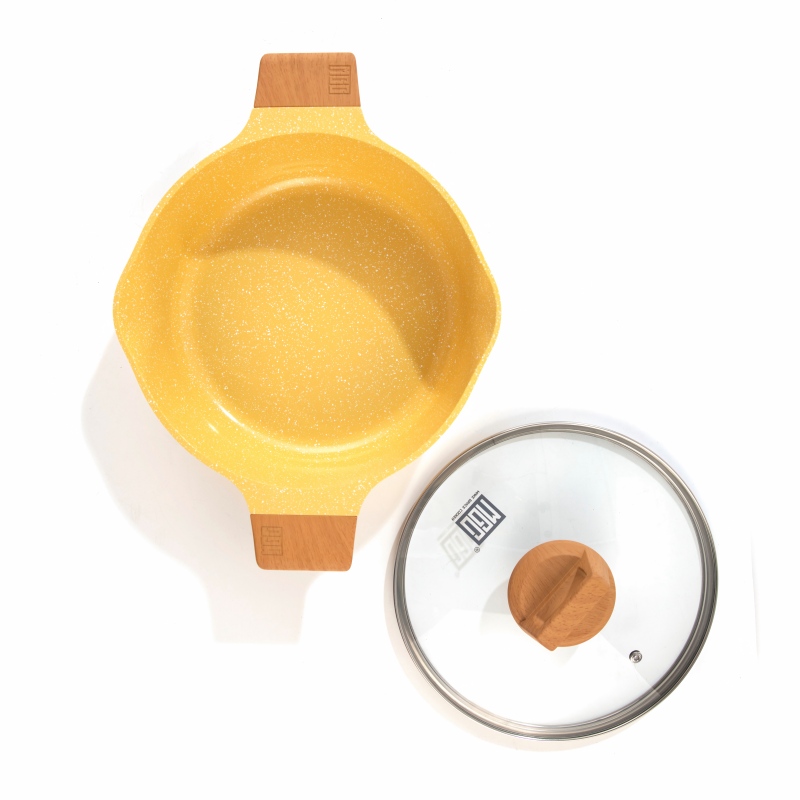
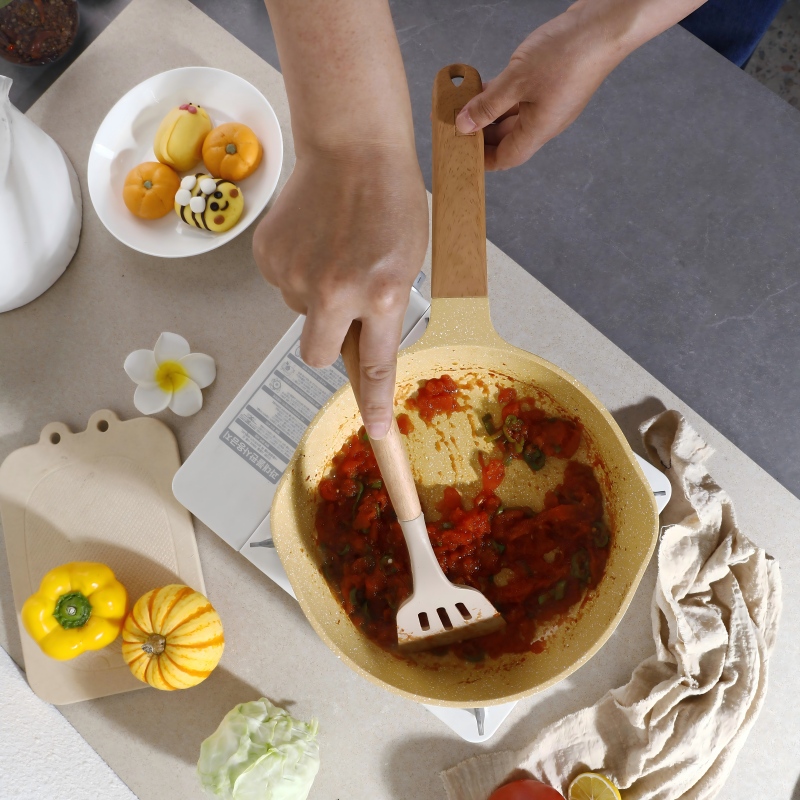
Is ceramic cookware safe for everyday cooking? The answer depends on its coating composition, manufacturing quality, condition, and proper use. Ceramic-coated cookware typically features a ceramic-based nonstick layer over a metal body, offering convenient food release with less oil when used correctly. For households preparing three meals daily, this can simplify cooking and routine cleaning. Buyers should check product specifications, food contact compliance, and the manufacturer's temperature recommendations before purchasing. A retailer sourcing ceramic cookware for a new kitchenware collection should also request relevant testing documentation and inspect samples for coating consistency. These practical checks help distributors offer products that meet customer expectations for everyday usability and responsible product selection.
Get A Quote

Case Study

Ceramic Cookware for Health-Conscious Households

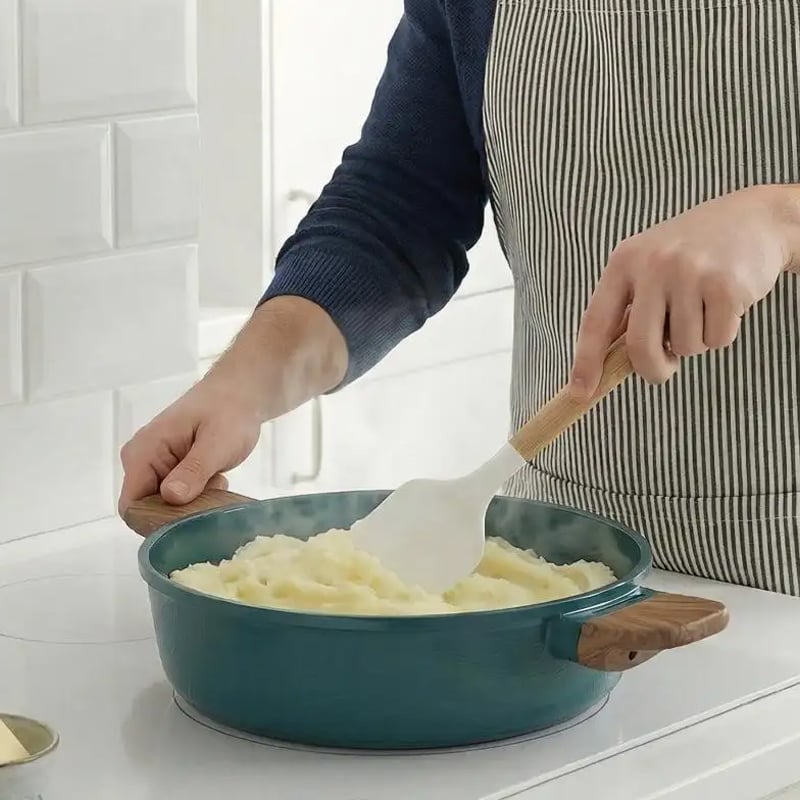
Consumers comparing cookware often want convenient food release without relying heavily on cooking oil. Ceramic-coated cookware can meet this preference when its coating is properly manufactured and maintained. For example, a family preparing breakfast, lunch, and dinner may appreciate easier cleanup after cooking eggs, vegetables, and fish. However, ceramic coatings vary in composition and performance, so buyers should not assume every product has identical safety characteristics. Retailers can help customers make informed decisions by providing clear care instructions, explaining temperature limits, and recommending nonabrasive utensils. Reviewing product documentation and testing samples before stocking a collection supports responsible purchasing and more transparent communication with consumers.

Safety Evaluation for Kitchenware Retailers

A kitchenware retailer introducing ceramic-coated frying pans needs reliable information to answer customer questions about food contact safety. Before ordering inventory, the purchasing team can request material specifications, applicable compliance documents, and available test reports from the supplier. For a collection containing three pan sizes, evaluating representative samples can help identify differences in coating finish, handle construction, and usability. The retailer should also review cleaning instructions and warnings about overheating or damaged surfaces. These steps provide a practical basis for product selection without making unsupported claims about health benefits. Clear product descriptions and accessible care guidance can improve customer confidence while helping staff respond consistently to common safety questions.

Ceramic Cookware Sourcing for Private Label Brands

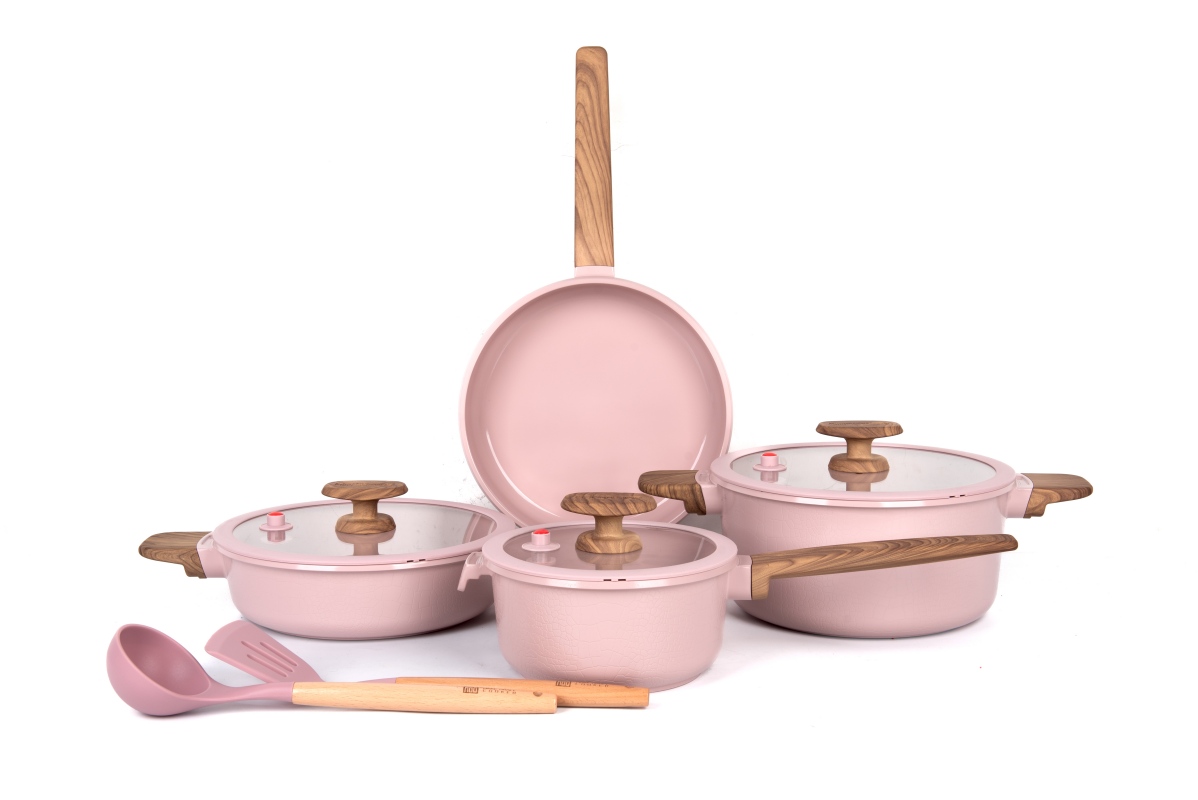
A private label brand planning to launch ceramic cookware should evaluate safety documentation alongside design and commercial requirements. Product developers can specify the intended coating system, metal substrate, handle materials, and packaging instructions before requesting samples. For example, a brand preparing a four-piece starter set can check whether each item has consistent finishing and clear maintenance guidance. Independent laboratory testing, where appropriate, can help verify compliance with relevant destination-market requirements for food contact materials. Buyers should also establish acceptance criteria for coating defects and review supplier quality controls. A documented approval process supports more consistent production and helps brands communicate accurate product information across retail listings and packaging.

Related products

Is ceramic cookware safe for everyday use? Ceramic-coated cookware can be a suitable option when manufactured with appropriate materials, tested for applicable food contact requirements, and used according to the manufacturer's instructions. Unlike traditional PTFE-based nonstick coatings, ceramic-based coatings use different coating technologies, although their exact composition varies by product. Safety therefore depends on verified specifications rather than marketing terminology alone.

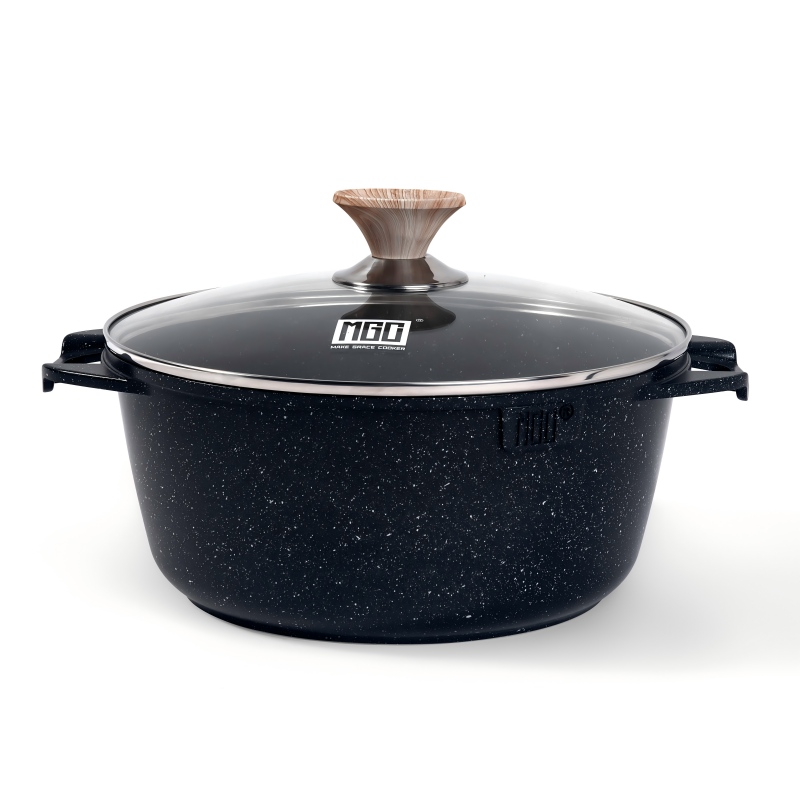
For cookware buyers, evaluating the manufacturing process is essential. Relevant factors include substrate quality, coating application, curing conditions, surface uniformity, and finished-product inspection. These factors influence coating consistency and practical performance. For example, a distributor sourcing frying pans for family kitchens should assess sample quality, temperature guidance, cleaning requirements, and available compliance documentation before placing a bulk order.

MG Cookware's product range can be explored at [https://www.mgccookware.com/](https://www.mgccookware.com/) to identify suitable cookware options and discuss product specifications. Buyers should confirm the exact coating composition, testing records, customization capabilities, and destination-market requirements directly with the supplier. Clear documentation and appropriate product care help support informed purchasing decisions and responsible customer communication.

Frequently Asked Questions

Is ceramic cookware safe for everyday cooking?

Ceramic-coated cookware can be suitable for everyday cooking when its materials meet applicable food contact requirements and the product is used correctly. Buyers should verify the coating specifications, follow recommended temperature limits, avoid damaged cookware, and consult the manufacturer's care instructions rather than relying solely on general safety claims.
The answer depends on the specific coating formulation and manufacturing process. Ceramic-based coatings differ from conventional PTFE-based nonstick coatings, but the term ceramic does not guarantee that every product has the same composition. Request material disclosures and relevant laboratory testing documentation before making purchasing decisions or health-related claims.
Overheating may damage a ceramic coating or reduce its performance, depending on the formulation and cookware construction. Follow the manufacturer's maximum temperature guidance, avoid prolonged heating of empty pans, and use appropriate cooking settings. For commercial purchasing, request product-specific safety information and temperature recommendations.
Buyers should request coating specifications, applicable food contact compliance documentation, and relevant laboratory test reports. Requirements vary by destination market, so documentation should match the intended sales region. Inspect samples for surface defects and confirm that product labeling includes clear instructions for safe use, cleaning, and maintenance.
Service life varies with coating quality, cooking temperatures, utensil selection, and cleaning habits. Inspect the cooking surface regularly and follow the manufacturer's replacement guidance. If the coating becomes extensively damaged, flakes, or exposes the underlying material, discontinue use and consult the supplier about appropriate replacement.

Related article

New National Agency Established

28

Jul

New National Agency Established

Just launched: exclusive national agency in Kazakhstan with Almaty wholesale center. Streamline distribution, cut logistics costs, and scale market access. Request partnership details now.
View More
New Product Development

25

Aug

New Product Development

Struggling to sustain market relevance? Our proven 5-step new product development framework helps B2B teams launch winning solutions faster. Get the playbook now.
View More
Why Do Reliable Cookware Suppliers Matter for Product Success?

14

Sep

Why Do Reliable Cookware Suppliers Matter for Product Success?

A reliable cookware supplier shapes your product quality, supply chain, and sourcing outcomes. Discover what sets a dependable kitchenware supplier apart.
View More
How to Choose the Right Pan Size for Different Cooking Needs?

14

Sep

How to Choose the Right Pan Size for Different Cooking Needs?

Find the right pan size for your kitchen. Covers key criteria — from cooking portions to frying techniques — to help you choose smarter.
View More

Customer Testimonials

Clara Dupont

Our team tested three ceramic-coated pans for everyday cooking. Food release and cleanup were convenient, while following temperature guidelines helped maintain surface performance during routine meal preparation.

David M.

We evaluated two ceramic cookware sets for retail distribution. Clear product specifications, care instructions, and available compliance documents helped our purchasing team compare options and make more informed sourcing decisions.

Get a Free Quote

Our representative will contact you soon.
Email
Mobile/WhatsApp
Name
Company Name
Message
0/1000
Material Transparency Supports Informed Decisions

Material Transparency Supports Informed Decisions

Ceramic cookware safety begins with understanding the actual materials used in the finished product. Ceramic-coated pans generally combine a metal body with a ceramic-based nonstick surface, but formulations and manufacturing methods can differ between products. Buyers should request coating specifications and relevant food contact testing records before making claims about product safety. For example, a retailer preparing a cookware collection with three pan sizes should confirm that the documentation covers the specific models being purchased. Reviewing product labeling, temperature limits, and maintenance instructions also helps customers use cookware appropriately. Transparent material information gives distributors a stronger foundation for product descriptions, supplier comparisons, and responsible communication with their target markets.
Proper Care Helps Maintain Coating Performance

Proper Care Helps Maintain Coating Performance

Appropriate maintenance can help preserve ceramic-coated cookware and reduce premature surface deterioration. Manufacturers commonly recommend avoiding excessive heat, using suitable utensils, and cleaning pans with nonabrasive materials. For example, a household using a ceramic frying pan five times weekly should follow the supplied care instructions and inspect the cooking surface regularly. Actual durability depends on the coating formulation, construction quality, and cooking habits, so a fixed service life cannot be guaranteed. Retailers can improve the customer experience by providing concise guidance on preheating, cleaning, storage, and replacement when damage occurs. Clear instructions support more consistent use and help buyers understand the relationship between cookware maintenance and long-term performance.
Supplier Verification Strengthens Wholesale Purchasing

Supplier Verification Strengthens Wholesale Purchasing

For importers and private label brands, ceramic cookware evaluation should combine product performance checks with documented compliance verification. Purchasing teams can review coating specifications, request relevant laboratory reports, and inspect samples before approving production. A distributor planning an assortment of three cookware models, for instance, should verify that each model has appropriate documentation and consistent labeling. Buyers should also confirm minimum order quantities, packaging requirements, production schedules, and quality inspection procedures. These checks help establish measurable acceptance criteria and reduce uncertainty during sourcing. By prioritizing documented product information over broad marketing promises, businesses can develop more credible listings, answer customer questions accurately, and make purchasing decisions aligned with destination-market requirements.