EN


New Product Development
Struggling to sustain market relevance? Our proven 5-step new product development framework helps B2B teams launch winning solutions faster. Get the playbook now.
View More
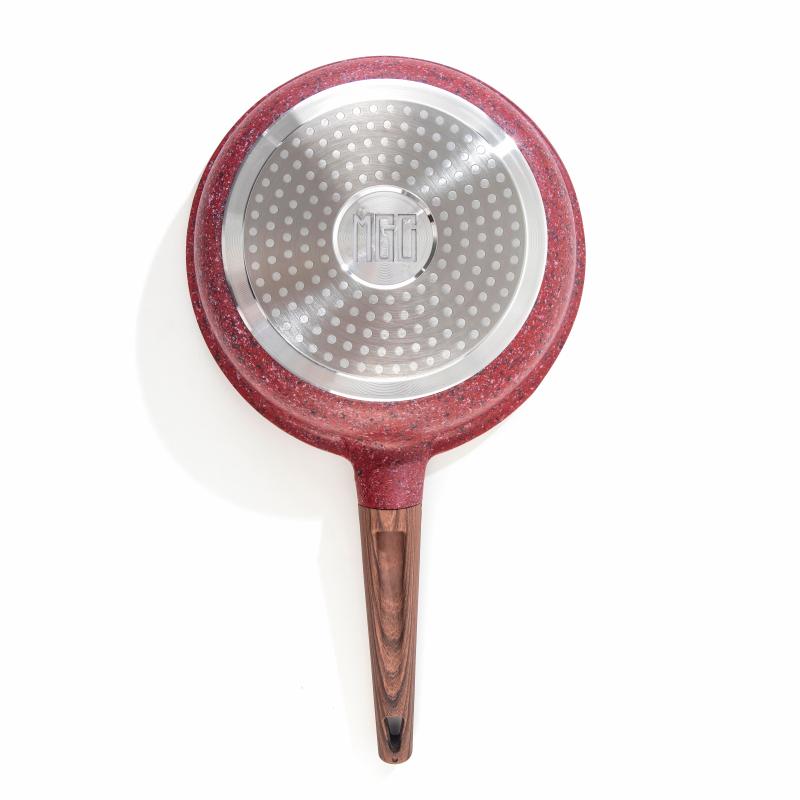
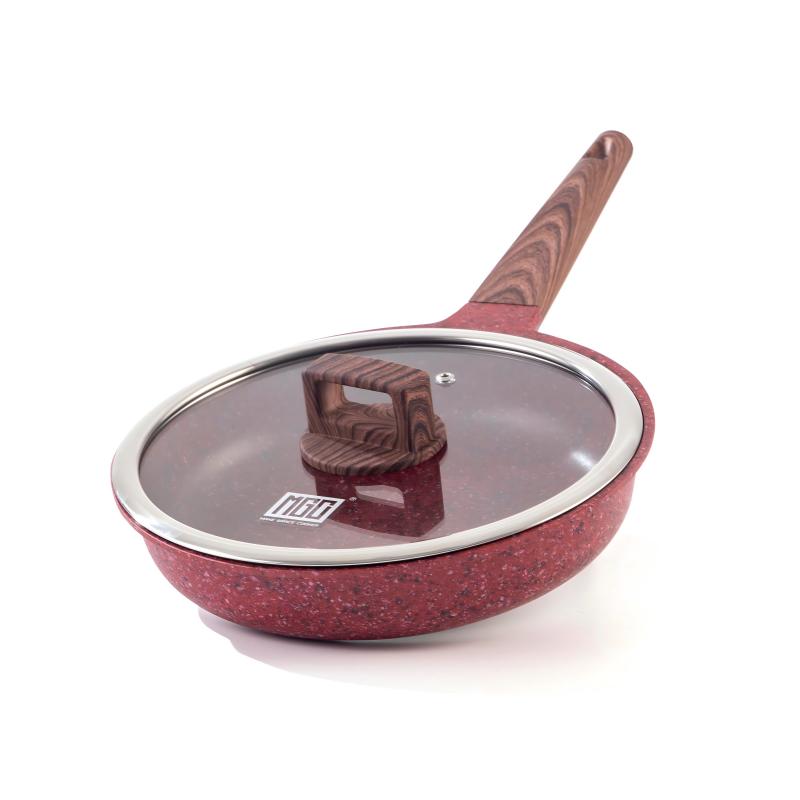
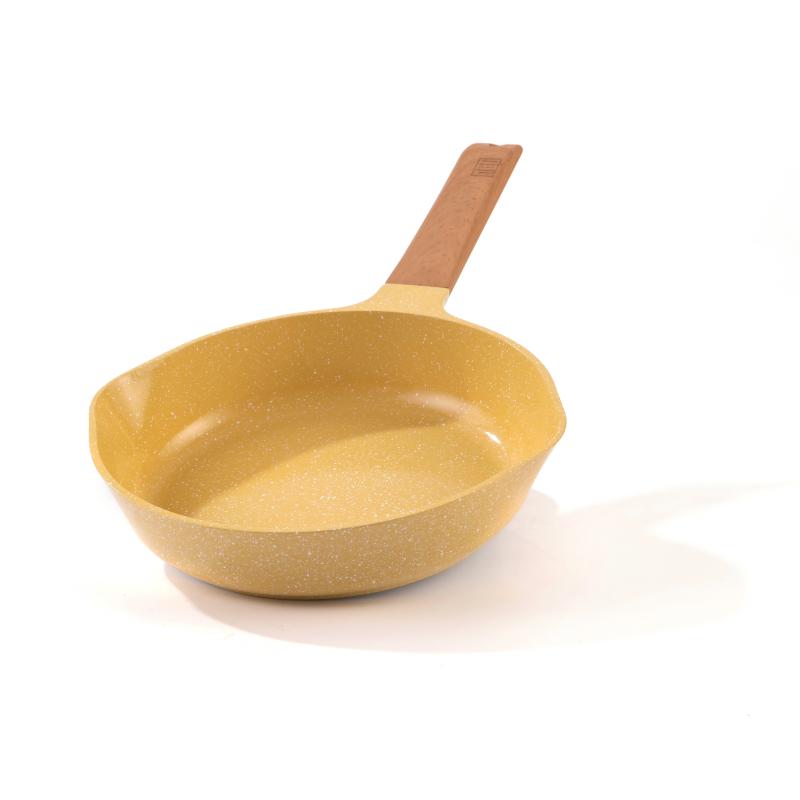
Choosing a cooking pan begins with understanding the intended cooking tasks and the features that matter most. Frying pans are commonly used for eggs, pancakes, meat, and vegetables, while deeper pans can provide more room for sauces and dishes that require frequent stirring. Aluminum cookware is often selected for its relatively light weight and responsive heating, whereas stainless steel pans offer versatility across many cooking techniques. Nonstick models may support easier food release and cleaning, provided users follow the manufacturer's care instructions. Buyers should compare pan diameter, depth, body thickness, surface finish, handle construction, and compatibility with their intended cooktops. For B2B purchasing, additional considerations include packaging, product labeling, minimum order quantities, customization options, and delivery schedules. Retailers and importers should request detailed product specifications and evaluate samples before confirming bulk orders. They should also verify relevant food contact requirements and documentation for their destination markets. MGCCookware can be explored as a starting point for cookware product options. Before placing an order, contact the supplier to confirm available models, sample arrangements, quality control procedures, and private label capabilities. Clear specifications make quotations easier to compare and help buyers select cooking pans that match their customers' needs.

25
Aug
25
Aug
18
Sep
18
Sep