Best Cookware for Steak: Cast Iron, Stainless & Aluminum Compared

Get up to 35% off + Free shipping Shop now

Call Us:+86-579-86903988

Discover the Best Cookware for Steakhouse-Quality Results

Discover the Best Cookware for Steakhouse-Quality Results

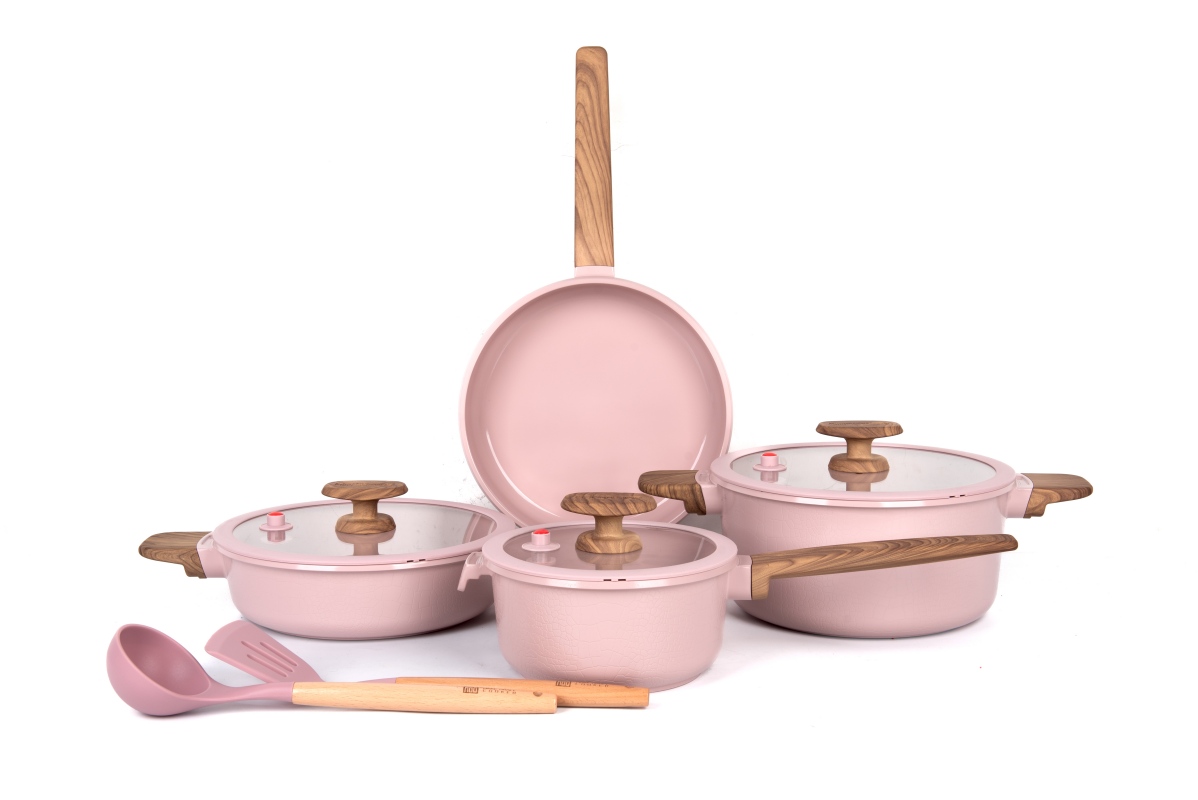
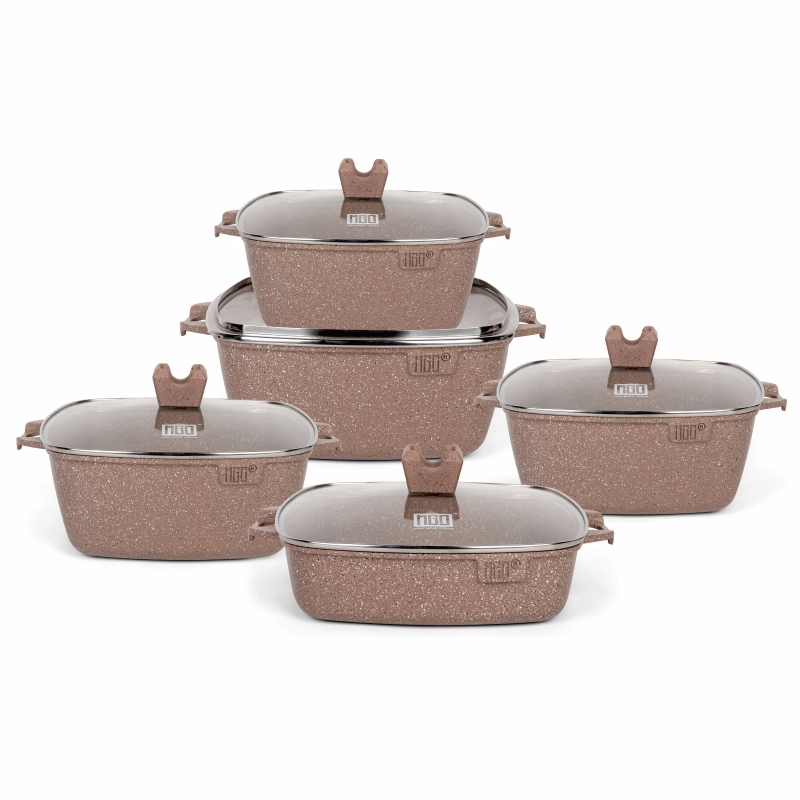
Choosing the best cookware for steak starts with heat retention, surface durability, and reliable searing performance. Cast iron and heavy stainless steel pans are popular choices because they can withstand high cooking temperatures and help develop a flavorful, browned crust. Aluminum cookware also offers efficient heat transfer and responsive temperature control, especially when designed with suitable thickness and a durable cooking surface. For home kitchens, restaurants, and cookware retailers, the right pan depends on steak thickness, cooking technique, and preferred maintenance routine. MG Cookware helps buyers explore cookware options suited to different cooking needs, product specifications, and market positioning.
Get A Quote

Case Study

Cast Iron Pans for Rich, Even Steak Searing

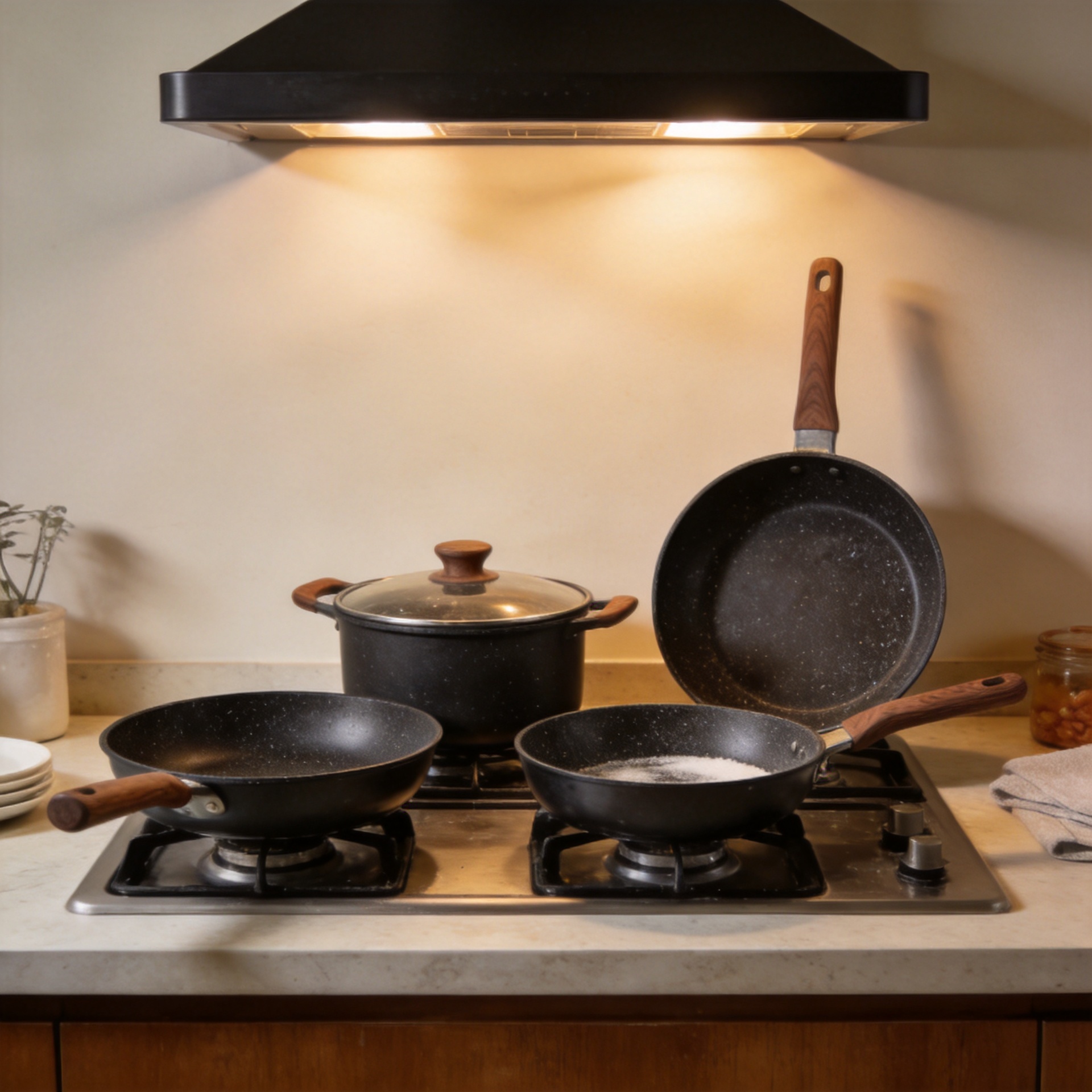
Cast iron cookware is a strong option for cooks who prioritize heat retention and deep browning. When properly preheated, a heavy cast iron skillet can maintain substantial heat as a steak enters the pan, helping create a well-developed crust. It works particularly well for ribeye, strip steak, and other cuts that benefit from high-temperature searing. Home cooks can finish thicker steaks in the oven when the pan is suitable for oven use. Restaurants may also choose cast iron for selected steak preparations. Buyers should consider pan weight, seasoning requirements, handle design, and cleaning procedures before selecting cast iron for their cookware collections.

Stainless Steel Cookware for Professional Steak Preparation

Stainless steel cookware is popular in professional kitchens because it combines durability, versatility, and straightforward maintenance. A heavy-bottomed stainless steel skillet can support effective steak searing when properly preheated and used with an appropriate amount of cooking oil. The resulting browned residue can also help form the foundation of a pan sauce with stock, butter, herbs, or wine. For restaurants preparing multiple steak cuts, stainless steel offers a practical option for stovetop cooking and compatible oven finishing. Buyers should evaluate construction quality, base thickness, handle attachment, and heat-source compatibility when sourcing cookware for demanding foodservice environments.

Aluminum Cookware for Responsive Temperature Control

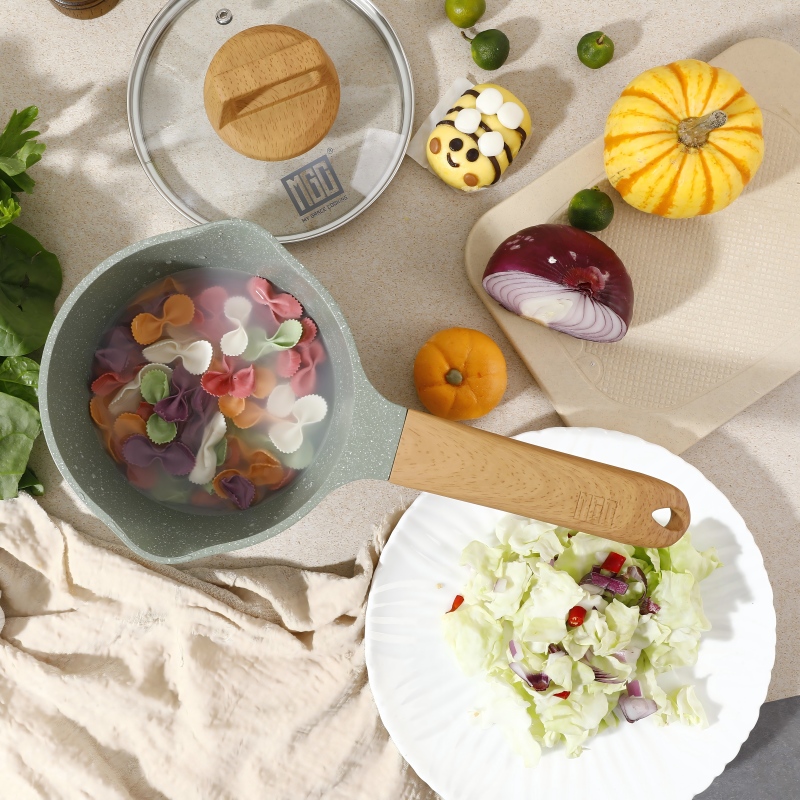
Aluminum cookware is worth considering when responsive heating and manageable weight are important purchasing criteria. Aluminum transfers heat efficiently, allowing a suitably constructed pan to respond quickly when the cooking temperature changes. For steak preparation, however, the pan's thickness, construction, and surface design influence how well it maintains the heat needed for searing. Hard-anodized aluminum or suitable clad constructions may provide additional durability and practical cooking benefits. Retailers developing cookware collections can compare aluminum models with cast iron and stainless steel alternatives to address different customer preferences. Buyers should verify maximum temperature ratings, coating limitations, and compatibility with intended cooktops before selecting products.

Related products

The best cookware for steak depends on the cooking method, desired crust, steak thickness, and preferred maintenance routine. Cast iron is known for heat retention, stainless steel offers durability and versatility, and aluminum provides efficient heat transfer with relatively lightweight handling. Each material serves different requirements, so cookware selection should consider both cooking performance and long-term usability. MG Cookware provides a starting point for businesses evaluating cookware options for household kitchens, hospitality applications, and retail distribution. Buyers can discuss relevant product specifications, including pan dimensions, body construction, handle design, exterior finishes, and available surface treatments. These details matter when developing cookware ranges for different customer segments. For example, a retailer targeting steak enthusiasts may prioritize heavy pans suitable for high-temperature searing, while a general kitchenware distributor may prefer lightweight cookware for broader everyday use. Restaurants may focus on durability, cleaning requirements, and consistent performance across repeated service periods. When evaluating products, buyers should confirm construction materials, oven-safety ratings, cooking-surface limitations, and compatibility with gas, electric, or induction cooktops. Proper preheating, suitable cooking oil, and avoiding overcrowding also help improve steak-searing results. By matching product specifications with real cooking applications, businesses can make more informed purchasing decisions and develop cookware assortments that meet customer expectations.

Frequently Asked Questions

What Is the Best Pan Material for Searing Steak?

Cast iron and heavy stainless steel are excellent options for searing steak because they can handle high heat and support browning. Cast iron retains heat particularly well, while stainless steel offers versatility and easier maintenance. The best choice depends on cooking preferences, pan weight, and cleaning requirements.
Yes, appropriately constructed aluminum cookware can cook steak effectively because aluminum transfers heat efficiently. However, searing performance depends on pan thickness, construction, and surface limitations. Choose a model rated for the required cooking temperature, and check whether its coating permits high-heat searing before use.
Neither material is universally better. Cast iron generally excels at heat retention, making it useful for sustained searing, while stainless steel offers durability and versatility for everyday cooking. Both can produce excellent crusts when properly preheated. Consider pan weight, maintenance, and whether you want to prepare pan sauces.
A 10- to 12-inch skillet is a practical choice for many home cooks preparing one or two steaks, depending on their size. The steak should fit comfortably without overcrowding. Larger portions may require a bigger pan or separate batches to maintain sufficient surface heat and encourage browning.
Nonstick cookware can cook steak, but many coated pans are not designed for the very high temperatures used for restaurant-style searing. Excessive heat may damage the coating. Follow the manufacturer's temperature limits and consider cast iron or stainless steel when a deeply browned crust is your main priority.

Related article

New Product Development

25

Aug

New Product Development

Struggling to sustain market relevance? Our proven 5-step new product development framework helps B2B teams launch winning solutions faster. Get the playbook now.
View More
Why Do Reliable Cookware Suppliers Matter for Product Success?

14

Sep

Why Do Reliable Cookware Suppliers Matter for Product Success?

A reliable cookware supplier shapes your product quality, supply chain, and sourcing outcomes. Discover what sets a dependable kitchenware supplier apart.
View More
Proper Cleaning Methods to Extend the Life of a Durable Non Stick Pan.

18

Sep

Proper Cleaning Methods to Extend the Life of a Durable Non Stick Pan.

Learn proper cleaning methods to extend your durable non stick pan's life. Right kitchen habits protect the coating and keep food releasing cleanly.
View More
How to Extend the Lifespan of Your Cookware Through Proper Use?

18

Sep

How to Extend the Lifespan of Your Cookware Through Proper Use?

Learn how to extend the lifespan of your cookware through proper use, smart cooking habits, cleaning methods, and everyday kitchen care tips.
View More

Customer Testimonials

Michael Reed

I compared three skillet materials for weekend steak dinners. The heavy stainless steel pan delivered a satisfying crust and made it easy to prepare a quick pan sauce afterward.

Daniel Foster

Our kitchen prioritizes durable pans that handle repeated service. Comparing construction, handle comfort, and heat-source compatibility helped us narrow our cookware choices for different steak preparations.

Get a Free Quote

Our representative will contact you soon.
Email
Mobile/WhatsApp
Name
Company Name
Message
0/1000
High-Heat Performance for a Better Steak Crust

High-Heat Performance for a Better Steak Crust

A well-seared steak begins with appropriate cookware and careful temperature management. Cast iron and heavy stainless steel are popular choices because they can withstand high cooking temperatures and support the browning reactions that develop a flavorful crust. For example, a home cook preparing a 1-inch ribeye can preheat a suitable skillet, add a thin layer of high-temperature cooking oil, and sear the steak without overcrowding the pan. Exact cooking times depend on steak thickness, starting temperature, and desired doneness. Buyers sourcing steak cookware should assess construction quality, handle safety, and temperature ratings to ensure products match their intended applications and customer expectations.
Cookware Options for Retailers and Foodservice Buyers

Cookware Options for Retailers and Foodservice Buyers

Cookware buyers need product options that reflect different cooking habits, budgets, and performance expectations. A specialty retailer may focus on cast iron skillets for steak enthusiasts, while a general kitchenware distributor may require stainless steel and aluminum models for broader everyday applications. Restaurants often evaluate durability, handling comfort, cleaning procedures, and compatibility with their cooking equipment before purchasing multiple pans. MG Cookware can be contacted to discuss available product configurations, construction specifications, and potential customization requirements. Before confirming an order, buyers should request samples where available, review relevant compliance documentation, and clarify minimum order quantities and delivery schedules. This structured approach supports informed purchasing decisions and more suitable cookware assortments.