B2B Stick Pans Guide: Compare Coatings, Materials & Sourcing Tips

Get up to 35% off + Free shipping Shop now

Call Us:+86-579-86903988

What Buyers Look for in Stick Pans

What Buyers Look for in Stick Pans

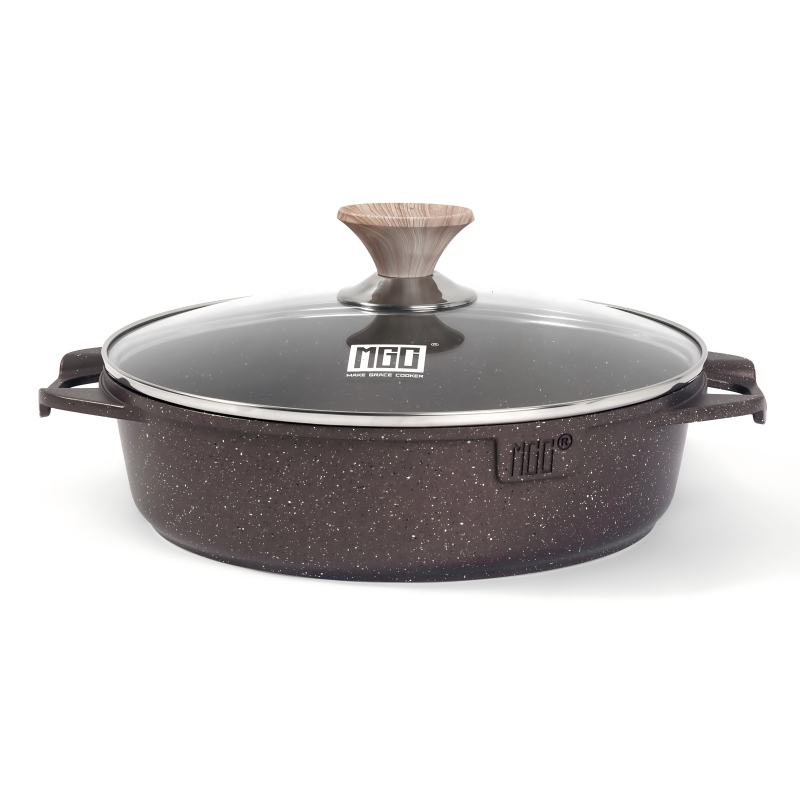
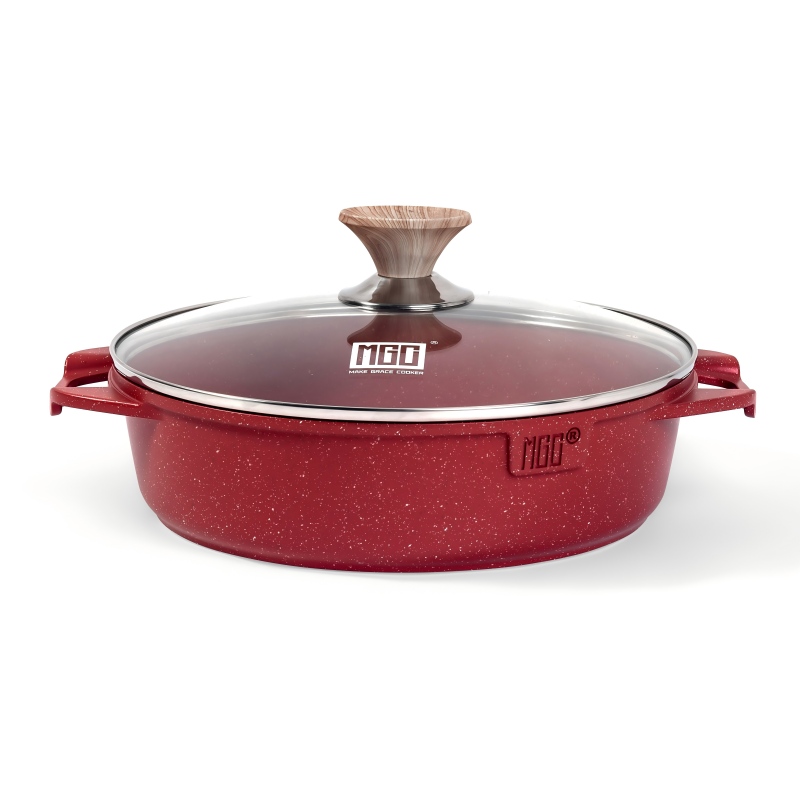
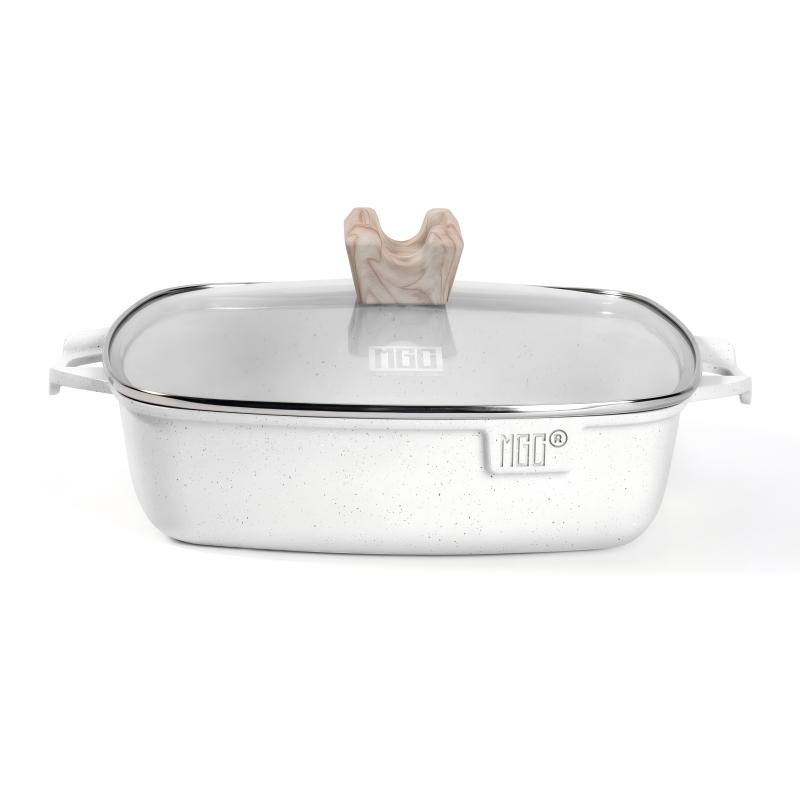
Stick pans, commonly searched for as nonstick frying pans, are popular cookware products for preparing eggs, pancakes, vegetables, fish, and other everyday meals. For retailers, wholesalers, importers, and private label brands, selecting suitable pans involves comparing sizes, body materials, coating systems, handle designs, and exterior finishes. Different models serve different customer preferences and price categories, making product specifications important during sourcing. Buyers should also review recommended care instructions, compatible cooking surfaces, packaging options, and applicable product documentation. A clear purchasing checklist helps businesses compare quotations and plan inventory more effectively. MGC Cookware offers cookware options for B2B buyers to explore. Contact the company to confirm current pan models, coating details, customization availability, and order terms.
Get A Quote

Case Study

Expanding a Retail Cookware Collection

A homeware retailer wants to add more frying pans to its kitchenware assortment. Its purchasing team compares pan sizes, coating options, handle styles, colors, and target retail prices to identify products suited to different customers. The team requests detailed specifications and checks which cooktops each model supports. Care instructions are reviewed so that product descriptions accurately explain recommended cleaning methods and temperature limits. The retailer also evaluates packaging, minimum order quantities, and delivery schedules before selecting products. Comparing these factors together helps the business build a balanced cookware collection while maintaining consistent information across its physical stores and online catalog.

Developing a Private Label Pan Range

A cookware brand plans to introduce a private label frying pan collection for ecommerce and supermarket channels. The product team defines its preferred pan dimensions, cookware materials, coating specifications, handle designs, and packaging requirements. Samples are reviewed against written product specifications before the final selection is approved. The brand also asks potential suppliers whether logo application and packaging customization are available for the chosen models. Product claims about coating composition, durability, or food contact compliance are checked against supporting documentation. Before confirming an order, the team reviews minimum quantities, production schedules, pricing, and payment terms to align the project with its commercial plan.

Supplying Wholesale Kitchenware Customers

A kitchenware distributor wants to supply frying pans to independent retailers and online sellers. Its sourcing team compares available sizes, cookware body materials, coating details, packaging dimensions, and recommended maintenance methods. It also considers target customer preferences and price ranges when planning its product assortment. To evaluate supplier quotations accurately, the distributor calculates total landed costs, including freight, duties, taxes, and handling expenses. Minimum order quantities and delivery arrangements are reviewed before purchasing decisions are made. By contacting MGC Cookware to confirm current product options and commercial terms, the distributor can determine whether the available cookware fits its market and inventory requirements.

Related products

Stick pans is a search phrase that may refer to nonstick frying pans or other pans designed for everyday cooking. Nonstick frying pans are commonly used to prepare eggs, omelettes, pancakes, vegetables, and fish because their coated surfaces are designed to help food release more easily. Available products vary in diameter, depth, cookware body material, coating system, handle design, and exterior finish. For B2B buyers, selecting the right pan means considering both product features and commercial requirements. Importers, wholesalers, and retailers should compare product specifications, target prices, packaging, minimum order quantities, and delivery schedules. Coating details and care instructions should be checked for each model rather than assumed to be the same across an entire range. Cooktop compatibility is another important factor. Induction cooking requires a suitable magnetic base, while oven and dishwasher suitability depend on the complete product construction and manufacturer instructions. Businesses should request relevant technical information and applicable compliance documents before making product claims. MGC Cookware is an option for businesses exploring cookware sourcing. Visit https://www.mgccookware.com/ to review the available range and contact the company to confirm current pan models, materials, coating specifications, customization options, and wholesale purchasing terms.

Frequently Asked Questions

What are stick pans?

Stick pans may refer to frying pans or nonstick pans, although nonstick frying pan is the clearer and more common product term in English. These pans are used for preparing foods such as eggs, pancakes, and vegetables. Buyers should specify the intended pan type, size, and coating when sourcing products.
Nonstick pans may use aluminum or other cookware body materials with PTFE based, ceramic style, or other coating systems. The materials and performance characteristics vary by model. Buyers should request detailed product specifications to confirm the cookware body, coating composition where disclosed, and recommended care requirements.
No. Induction compatibility depends on the pan base having suitable magnetic properties, not simply on whether the cooking surface is nonstick. Buyers should verify compatibility for each model and confirm the supported cooking surfaces before ordering products for a particular market.
Wholesale buyers should compare pan dimensions, cookware materials, coating specifications, handle designs, packaging, minimum order quantities, and delivery schedules. They should also request relevant product documentation and clarify inspection procedures, payment terms, and the handling of damaged goods before confirming an order.
Visit https://www.mgccookware.com/ and contact MGC Cookware with your preferred pan type, dimensions, coating requirements, target market, and estimated order quantity. Ask the company to confirm current availability, product specifications, customization options, minimum quantities, pricing, and delivery terms.

Related article

Participation in the 139th Canton Fair

25

Aug

Participation in the 139th Canton Fair

Discover how our annual Canton Fair participation unlocks global B2B opportunities, quality sourcing, and real-time market insights. Connect with us now!
View More
New Market Promotion

25

Aug

New Market Promotion

Struggling to demonstrate product value? Face-to-face customer engagement drives 3.2x higher conversion in B2B markets. Discover proven field promotion tactics now.
View More
How to Choose the Right Pan Size for Different Cooking Needs?

14

Sep

How to Choose the Right Pan Size for Different Cooking Needs?

Find the right pan size for your kitchen. Covers key criteria — from cooking portions to frying techniques — to help you choose smarter.
View More
Proper Cleaning Methods to Extend the Life of a Durable Non Stick Pan.

18

Sep

Proper Cleaning Methods to Extend the Life of a Durable Non Stick Pan.

Learn proper cleaning methods to extend your durable non stick pan's life. Right kitchen habits protect the coating and keep food releasing cleanly.
View More

Customer Testimonials

Kitchenware Purchasing Manager

A versatile range of frying pans in different sizes, finishes, and materials helps kitchenware buyers develop product collections for varied customer preferences.

Cookware Sourcing Specialist

Clear product specifications and care instructions help importers compare cookware options and prepare accurate product descriptions for retail and wholesale channels.

Get a Free Quote

Our representative will contact you soon.
Email
Mobile/WhatsApp
Name
Company Name
Message
0/1000
Compare Pan Materials and Coating Options

Compare Pan Materials and Coating Options

Choosing suitable frying pans starts with understanding the available materials and surface finishes. Aluminum cookware is commonly selected for its relatively low weight and heat conduction characteristics, while different nonstick coating systems offer different compositions and maintenance requirements. PTFE based coatings and ceramic style nonstick coatings should not be treated as identical products. Buyers should request model specific specifications and compare pan dimensions, coating details, handle construction, and intended cooking applications. Marketing terms such as granite or stone may describe a decorative finish rather than fully identify the coating chemistry. For wholesalers and retailers, these comparisons support more accurate product selection and help sales teams communicate verified features to customers.
Check Compatibility and Care Instructions

Check Compatibility and Care Instructions

A pan's suitability depends on the complete product design, not just its nonstick surface. Buyers should verify whether each model supports gas, electric, ceramic glass, or induction cooktops. Induction cooking requires a suitable magnetic base, while oven use and dishwasher cleaning depend on the materials, handle construction, and manufacturer instructions. Recommended utensils, cleaning tools, and temperature limits should also be reviewed before product information is published. Clear care instructions help retailers set realistic expectations and provide useful guidance to customers. For private label cookware, approved specifications should be used consistently across packaging, product listings, and sales materials. Checking these details before ordering can reduce confusion and improve the accuracy of product information.
Plan Wholesale Orders Around Market Demand

Plan Wholesale Orders Around Market Demand

A practical frying pan assortment should reflect customer preferences, target retail prices, and expected sales volume. Businesses may choose several pan sizes or finishes to serve different cooking applications without creating unnecessary inventory complexity. Buyers should evaluate packaging dimensions, storage needs, minimum order quantities, and replenishment schedules when comparing supplier offers. Total landed costs should include freight, duties, taxes, and handling rather than focusing only on the quoted unit price. For private label projects, customization options and sample approval procedures should be confirmed before ordering. By defining product and commercial requirements in advance, kitchenware distributors and retailers can compare available options more consistently and make sourcing decisions that support their sales strategy.